
The royal pools
Three pools within carved walls.
Chainwit. — CC BY 4.0 · Crisco 1492 — CC BY-SA 3.0 · Chainwit. — CC BY 4.0 · Chainwit. — CC BY 4.0
The royal water garden of Yogyakarta's sultans, built between 1758 and 1765 under the first sultan as a place of rest, recreation and meditation. Its name means beautiful garden; it was once a broad artificial lake with pavilions and islands, much of which was later ruined by war and earthquakes. Its best-known surviving part is the royal bathing complex, three pools ringed by carved walls and towers where the sultan bathed with his family. One of its strangest sights is Sumur Gumuling, an old ring-shaped underground mosque where five stairways meet at the centre beneath an opening in the roof, reached through tunnels. Around the complex is a traditional village of narrow lanes and batik workshops. Entry for foreign visitors is about twenty-five to thirty thousand rupiah, and it opens from nine in the morning to three in the afternoon. Some residents offer guided walks through the lanes and tunnels; agree the price first. Come in the morning with the nearby Kraton, ten minutes' walk away. Sumur Gumuling is one of the most photogenic spots in Yogyakarta, so wait for a moment when it is empty of visitors.
Three pools within carved walls.
A ring-shaped underground mosque.
Lanes and workshops around the palace.
South-west of the Kraton, old town
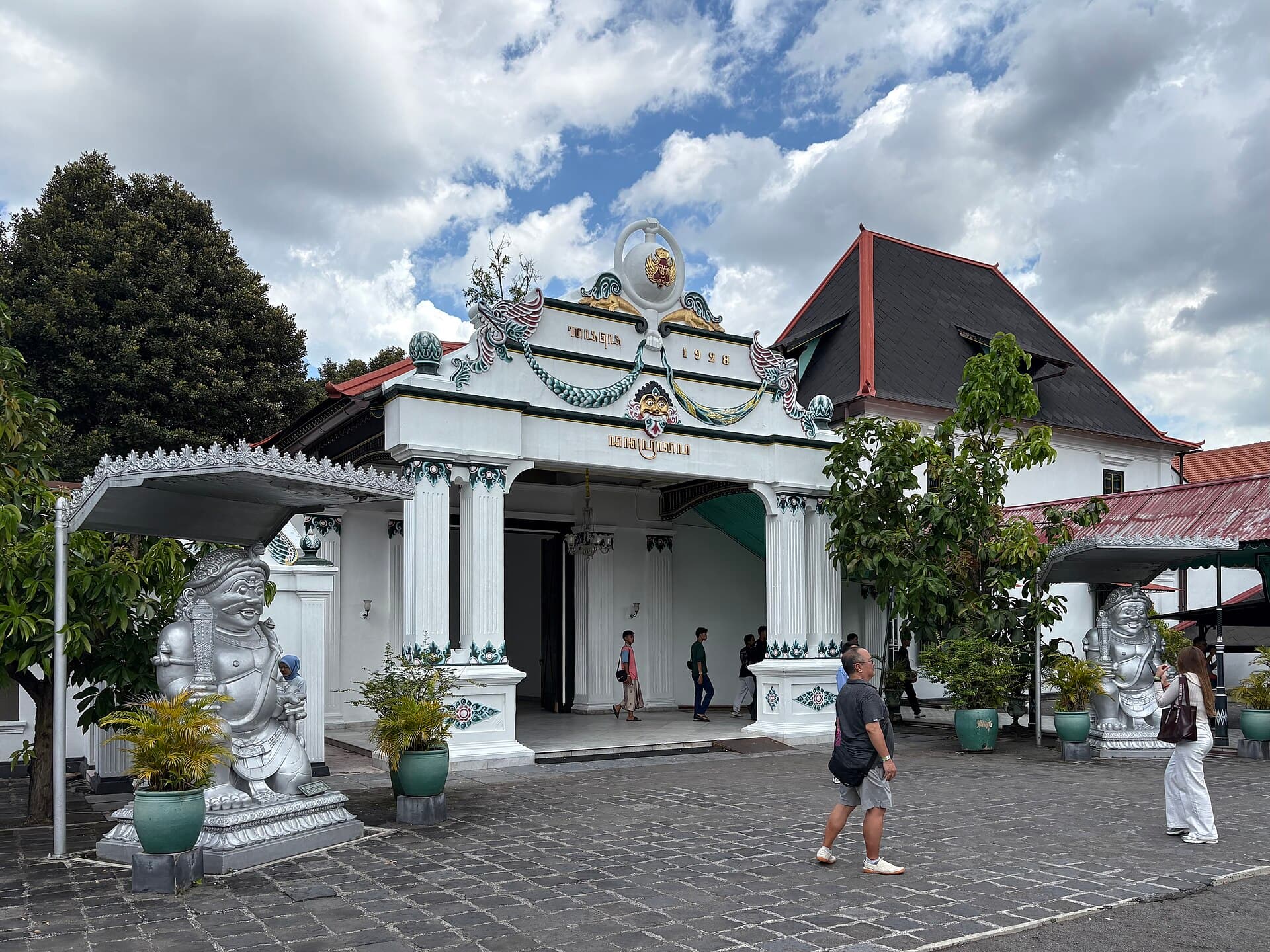 The Kraton, Yogyakarta Sultan's PalaceThe palace of the Sultan of Yogyakarta, the heart of the city and centre of its 10 minutes walk
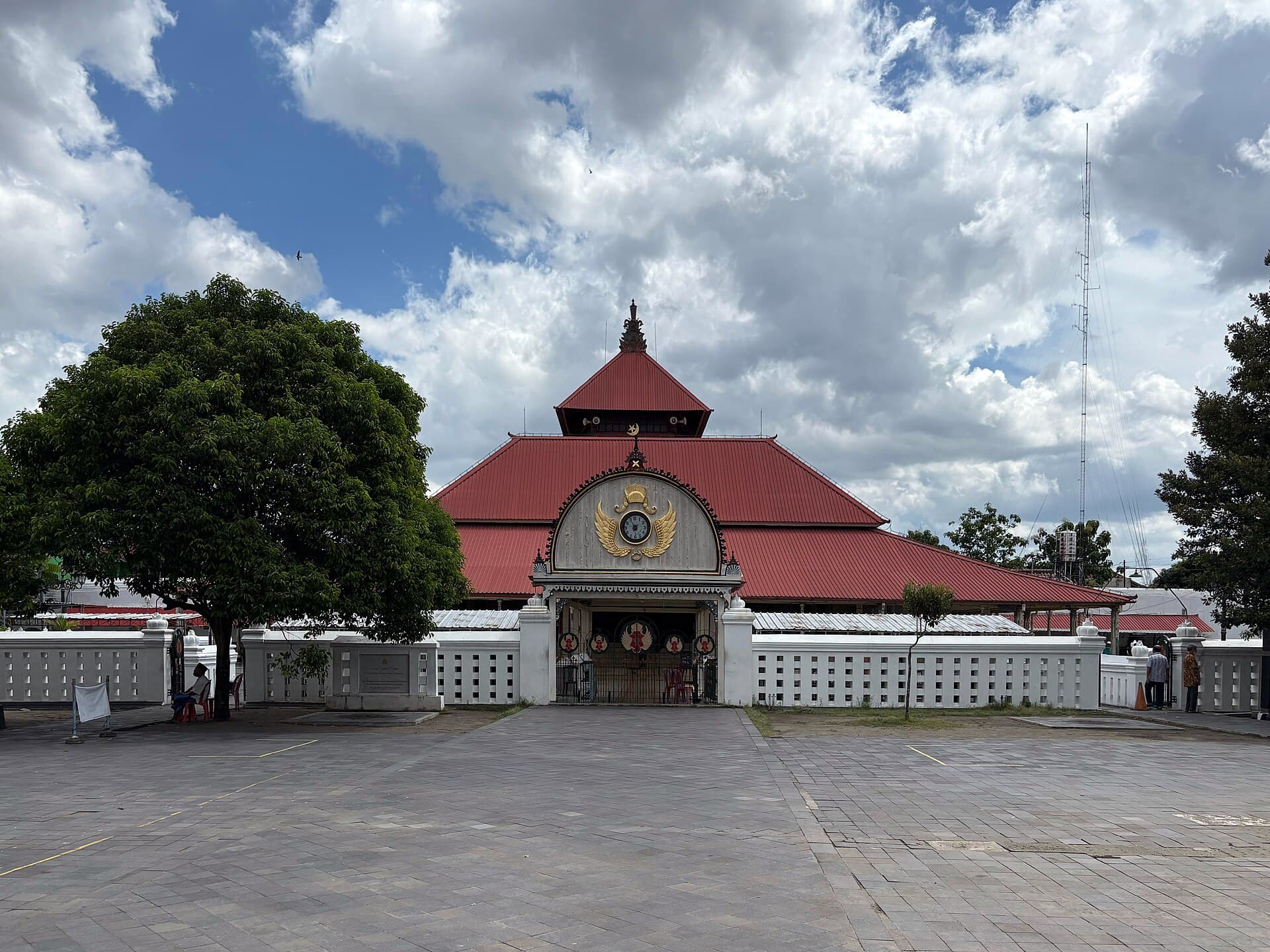 Kauman Great Mosque (Masjid Gedhe)The great royal mosque of the Yogyakarta sultanate, built by Sultan Hamengkubuwo10 minutes walk
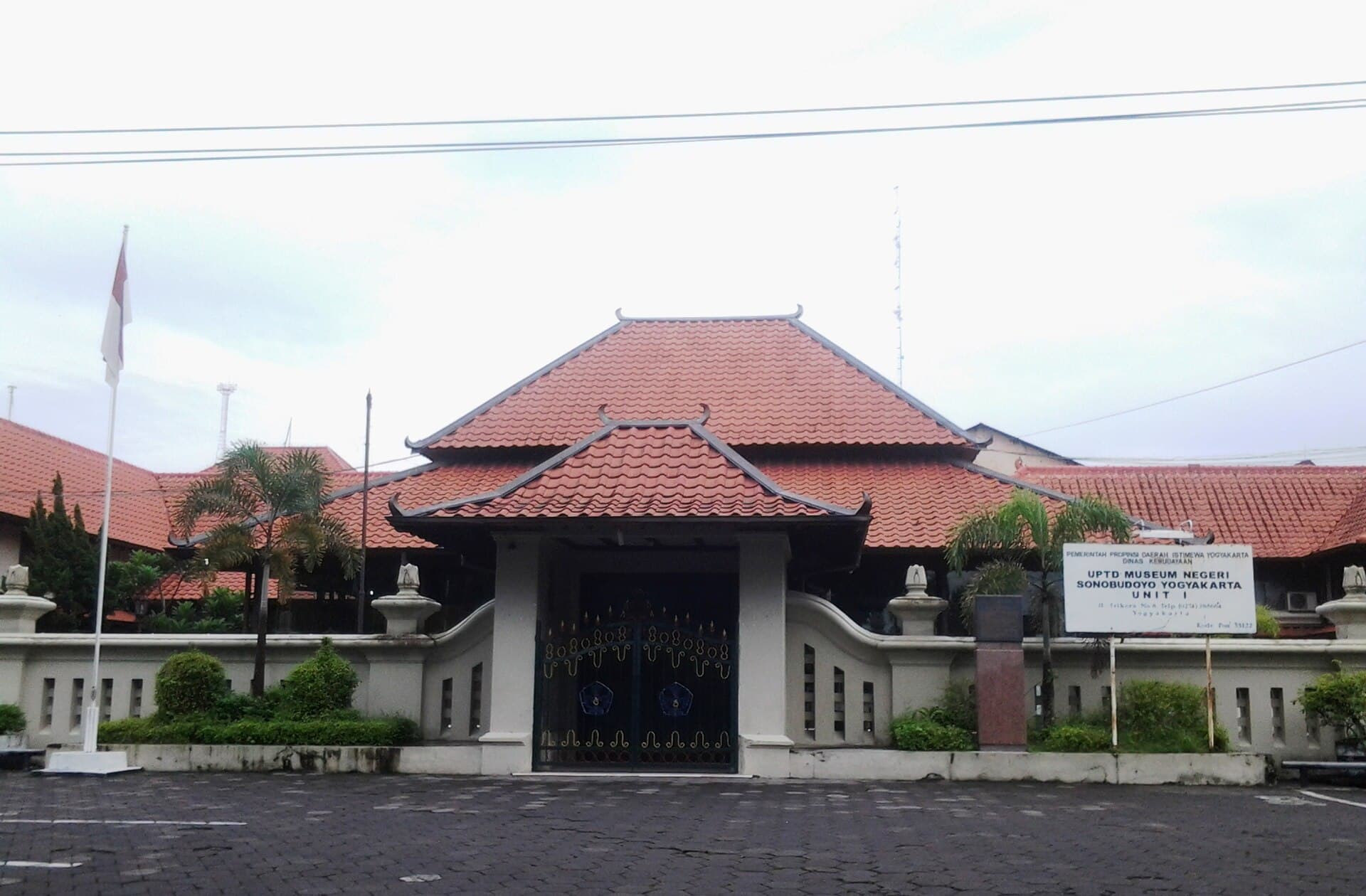 Sonobudoyo MuseumOne of the key museums of Javanese culture, opened in 1935 in a traditional Java13 minutes walk
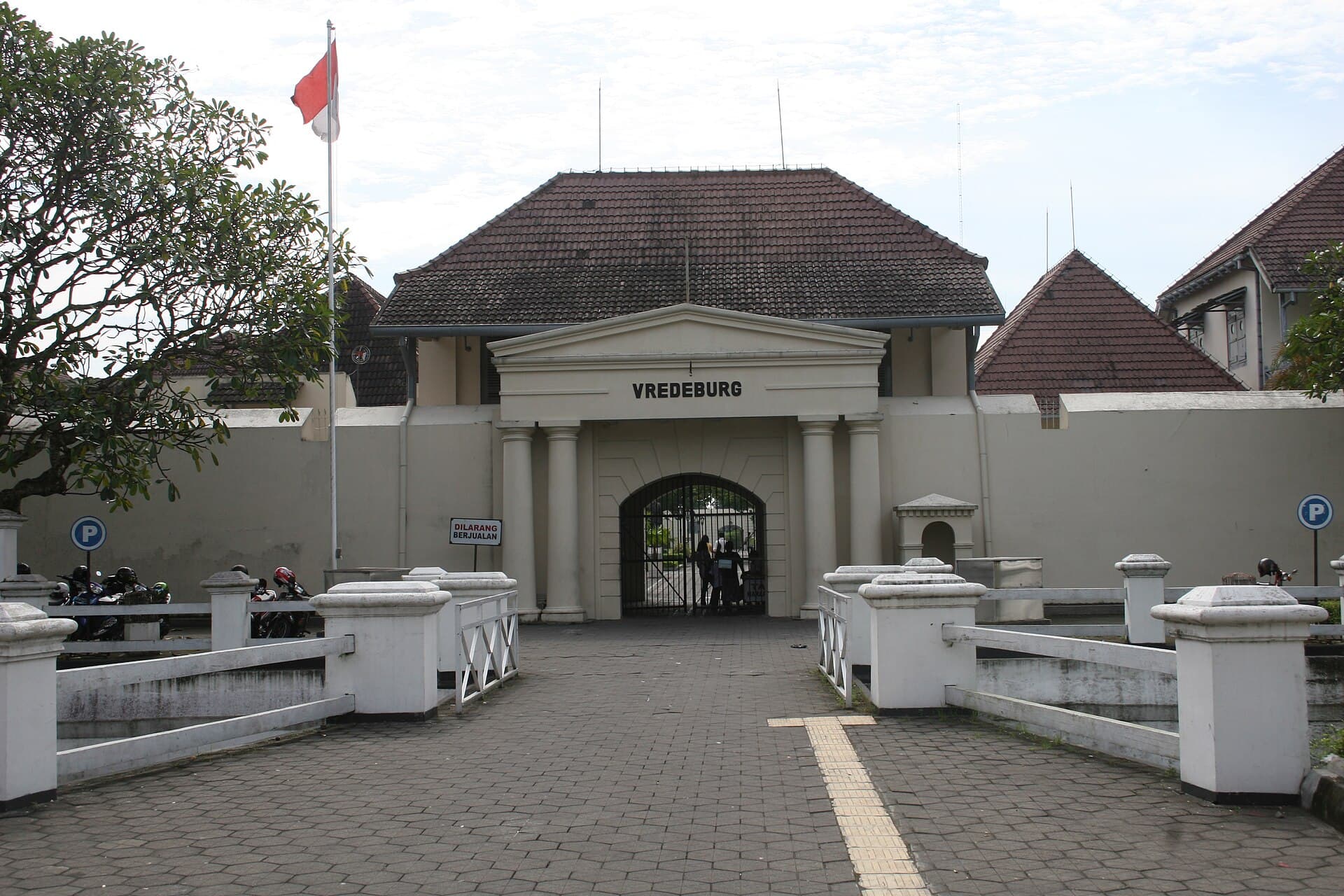 Fort Vredeburg and its MuseumA square Dutch fort with white walls and corner bastions, built by the Dutch in 17 minutes walk
 Taman Pintar Science ParkA children's educational science park at the heart of Yogyakarta, steps from Kil17 minutes walk
Sumur Gumuling is an old mosque from the sultans' era, built in two rings underground, with five stairways meeting at its centre beneath an opening to the sky, said to have been designed to carry the imam's voice. Today it is a sight to visit, not a place of prayer.