
The Kamares aqueduct
Double arches crossing the modern streets, lit at night.
GreatBernard — Public domain · Politicslover2 — Public domain · GreatBernard — Public domain · Tevfik Teker — CC BY 3.0
**A port city on a natural amphitheatre, crowned by an old Ottoman quarter inside a fortress, with an aqueduct crossing its centre** — the handsomest city in northern Greece after Thessaloniki, **and far less crowded**. The city is built on a slope running down to a wide gulf, **with the Panagia peninsula above it**: the old quarter of narrow lanes and Ottoman houses with projecting wooden balconies, **enclosed by walls and a fortress**. ⚠ **Its most striking monument is the Kamares aqueduct**: a **16th-century aqueduct** of double arches crossing the middle of the modern city — not on its outskirts, **but between the buildings and streets**. ✅ It also has the large **Imaret** built by **Mehmet Ali Pasha** — the ruler of Egypt — **who was born in this city**; his house still stands. ✅ And the seafront is long, with cafés.
Double arches crossing the modern streets, lit at night.
Ottoman lanes of houses with wooden balconies inside the walls.
A large Ottoman complex built by Mehmet Ali, now a hotel.
Kavala, 65302 Kavala, Greece
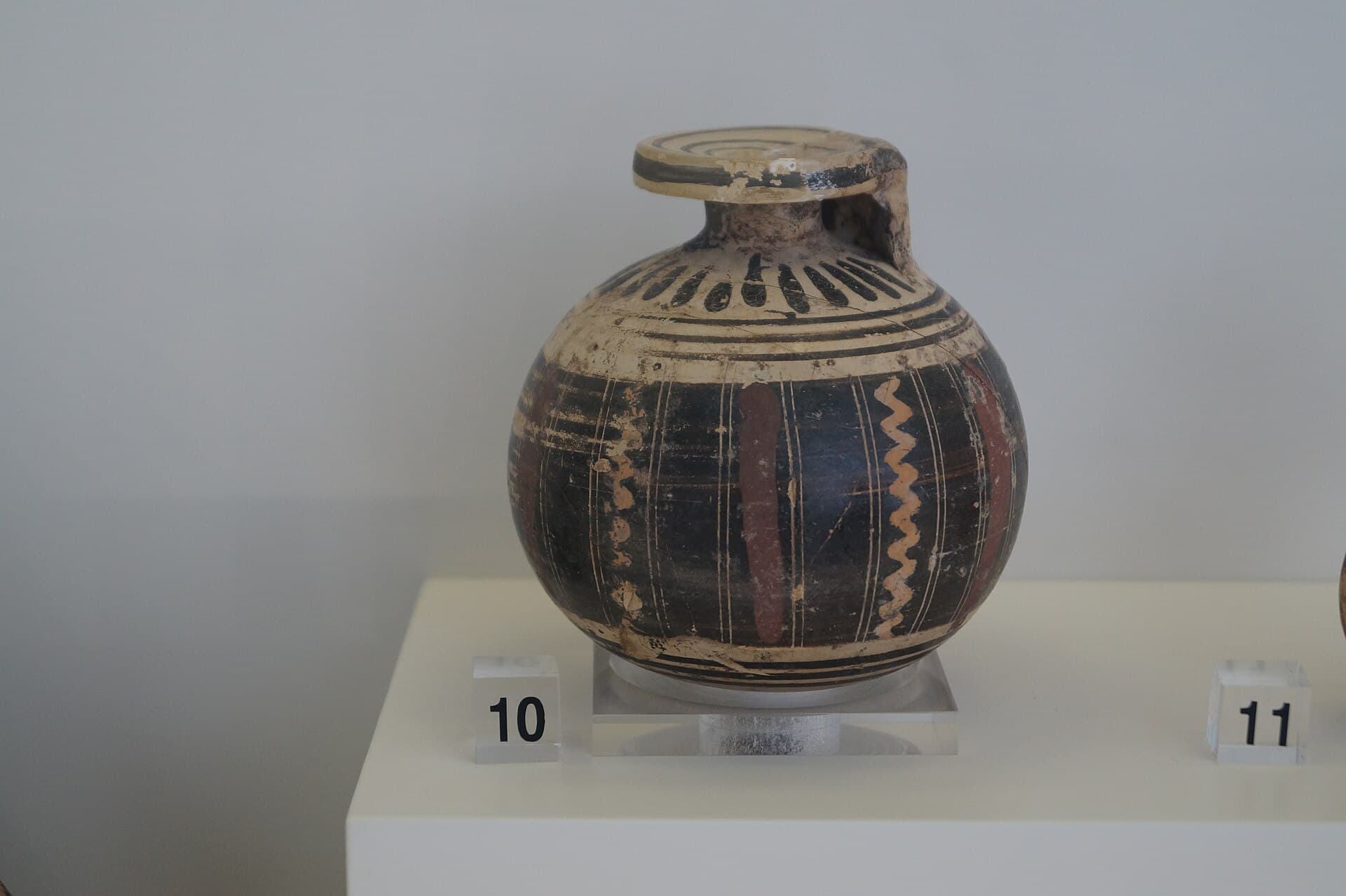 Archaeological Museum of Kavala**The museum of eastern Macedonia and Thrace, holding gold from the tombs of Amp6 minutes walk4.3
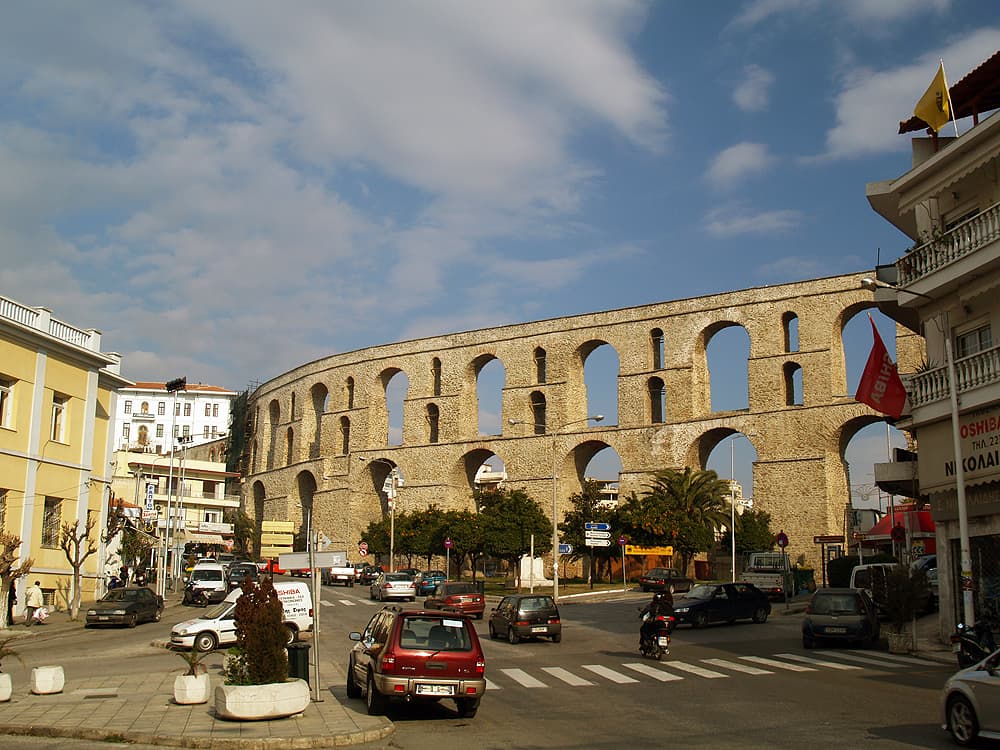 Kamares Aqueduct**A 16th-century aqueduct crossing the middle of the modern city on double arche10 minutes walk
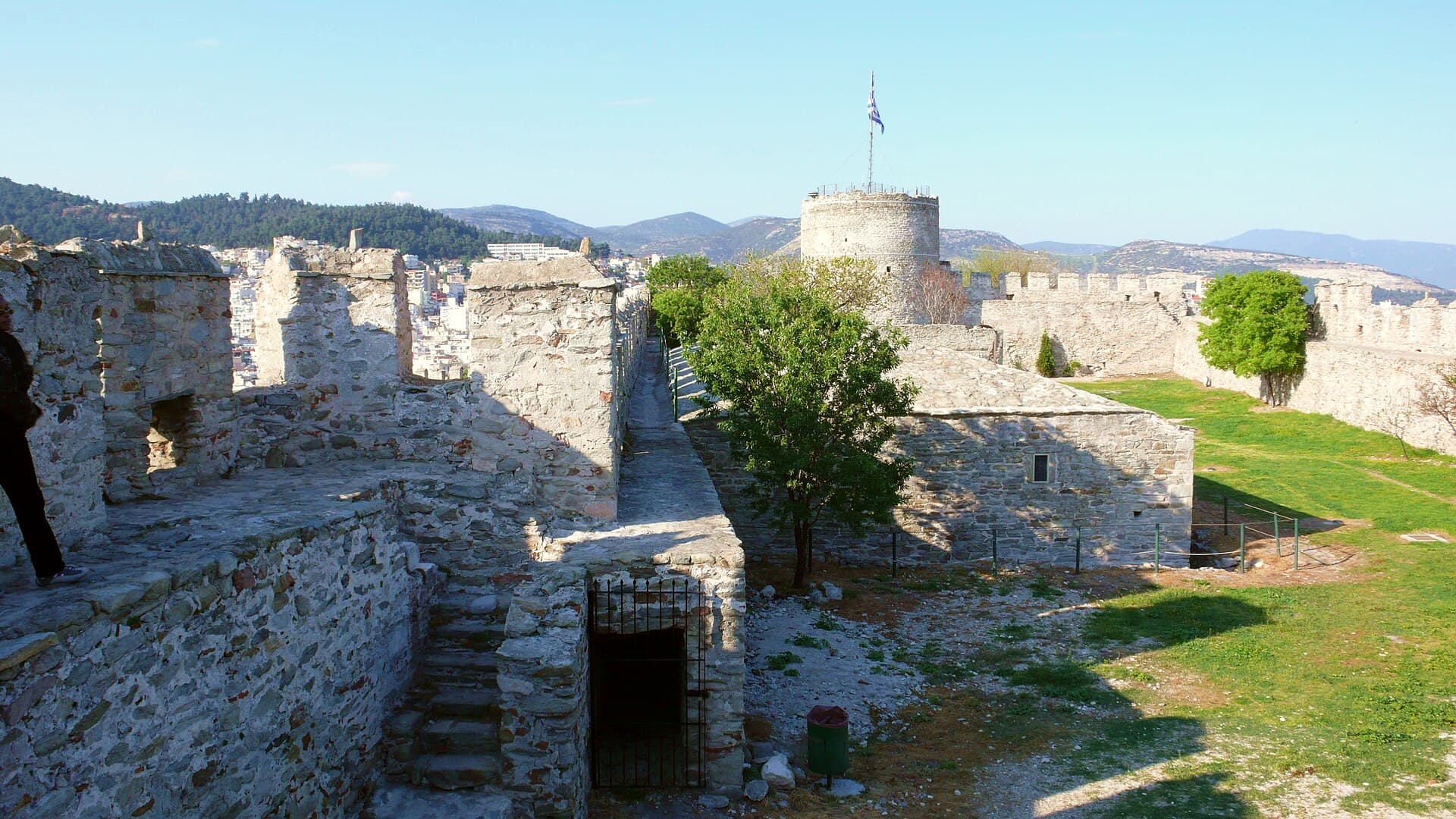 Kavala Fortress**A fortress on the summit of the Panagia peninsula, with the best view in north12 minutes walk4.5
**He was born and raised here — then ruled Egypt and founded a dynasty that held its throne for 150 years.** ✅ **The origin**: **Mehmet Ali** was born in **Kavala** in **1769** to a family of Albanian descent, **and worked in the tobacco trade** in the city before entering military service. ✅ **The trajectory**: he was sent with an Ottoman force to **Egypt** to expel Napoleon's expedition, **rose through it and became governor in 1805** under pressure from Cairo's own people. **Then he built a state**: a modern army, a fleet, factories, schools, educational missions to Europe, **and a cotton agriculture system** — **and he is generally regarded as the founder of modern Egypt**. ⚠ **He challenged the Ottoman state militarily** and his armies reached Anatolia, **ending in a settlement** that gave his family hereditary rule over Egypt — **which lasted until 1952**. ✅ **What he left in Kavala**: the **Imaret** — a large charitable complex with a school and a kitchen for the poor, built for his own city, **and today a hotel and restaurant**; ✅ **the house of his birth** in the Panagia quarter, **and his equestrian statue** by the fortress. ✅ **A strong connection for an Arab reader**: Kavala is the birthplace of the most famous governor in modern Egyptian history.
**Yes — it is among the best things in Greece that nobody visits, and it makes great sense as a base.** ✅ **As a city**: it combines what rarely combines — **a living port**, **a complete Ottoman quarter inside a fortress**, **an aqueduct in the middle of the street**, **a long seafront**, ⚠ **all without a tourist crowd** and at ordinary Greek prices rather than tourist ones. ✅ **As a base — the stronger case**: **Philippi** (World Heritage) 15 km away; **Thassos** a 40-minute ferry; **Drama and the tobacco plains** to the north; **and Kavala international airport** nearby with seasonal flights. ✅ **And logically on a wider route**: it is a natural stop between **Thessaloniki** (160 km) and the Turkish or Bulgarian borders — **anyone driving northern Greece passes through it**. ⚠ **What not to expect**: **excellent beaches within the city** — the best are east (Ammolofoi and Palio) or on Thassos; **and no island nightlife**. ✅ **The rule**: **two nights** cover it and Philippi, **three** if you add Thassos.