
A professional art, not entertainment
Permanent companies and festivals, taught in art academies.
A professional puppet theatre in Zadar, founded in the mid twentieth century, presenting work for children and sometimes for adults, and host to an international festival of puppetry. Puppet theatre in central and eastern Europe is not simply children's entertainment. In Czechia, Slovakia, Croatia and Poland it developed as a professional form with permanent companies, budgets and festivals, and it is taught in art academies. Part of the reason is historical: puppets were a means of expression when censorship pressed on live theatre, since a line spoken by a puppet was less dangerous than the same line spoken by an actor. Productions here are normally in Croatian, but many are visual enough to follow without language — which makes it a practical option for visiting families. Decisive practical points: performances run at set times rather than daily, and may pause during parts of the summer. Check the programme before planning. Tickets are cheap and booking ahead is advised in season.
Permanent companies and festivals, taught in art academies.
Puppets were an outlet when censorship pressed on live theatre.
A cheap visual show in a small city — a good alternative for an evening.
Old town, Zadar
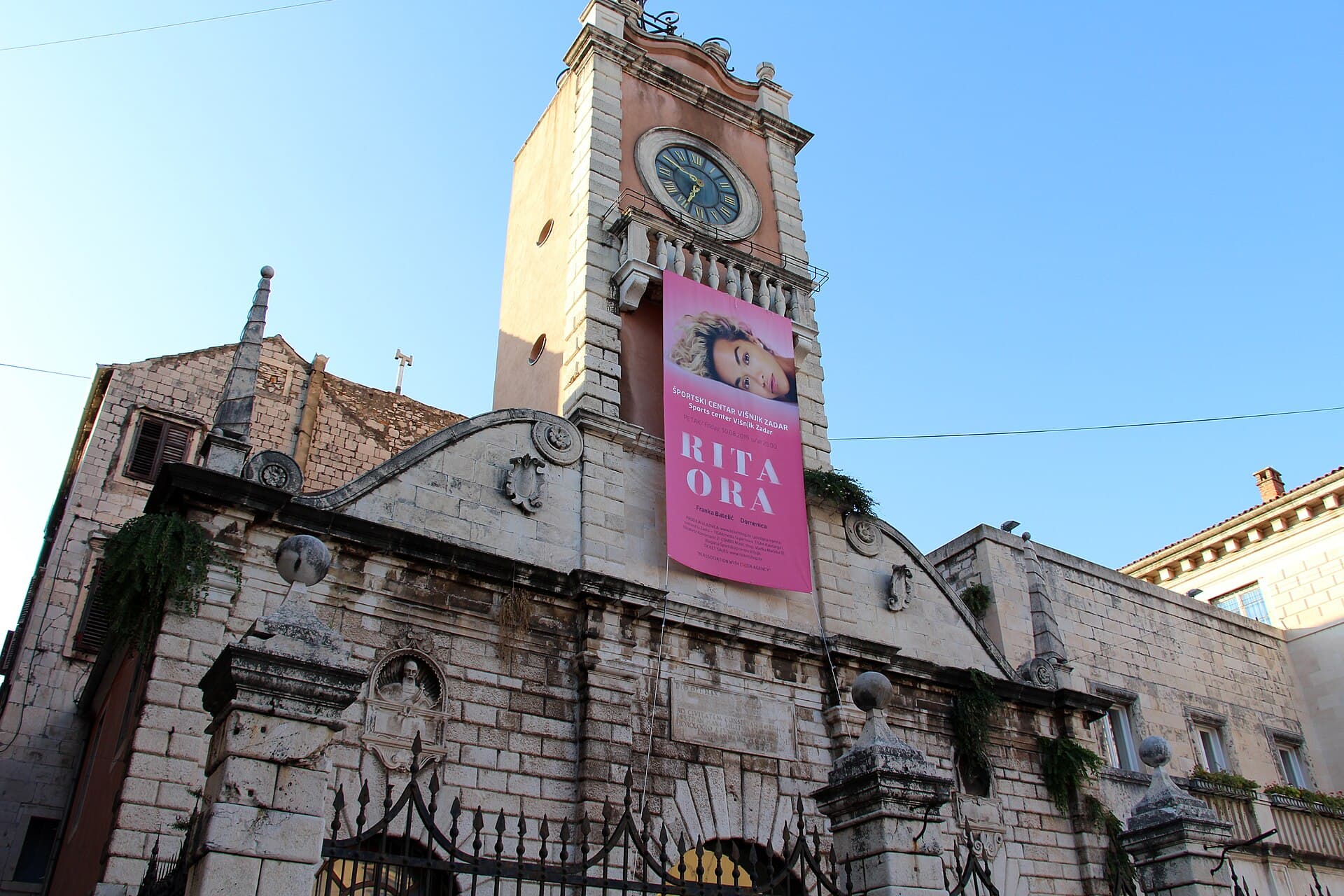 Zadar National MuseumThe national museum in Zadar, an institution of several departments spread acros1 minute walk4.8
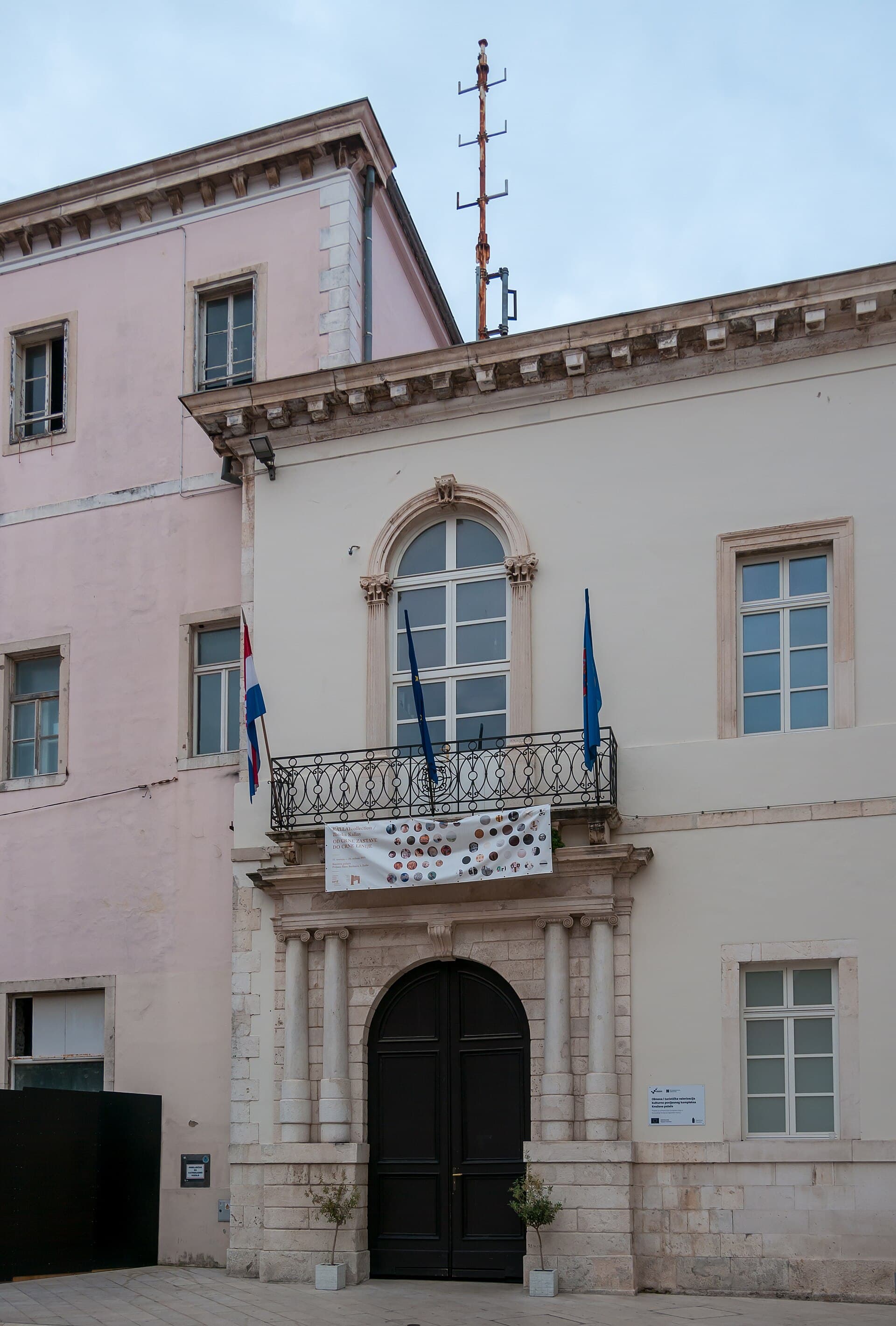 Rector's Palace, ZadarThe seat of Zadar's government through centuries of Venetian rule and after it, 1 minute walk4.6
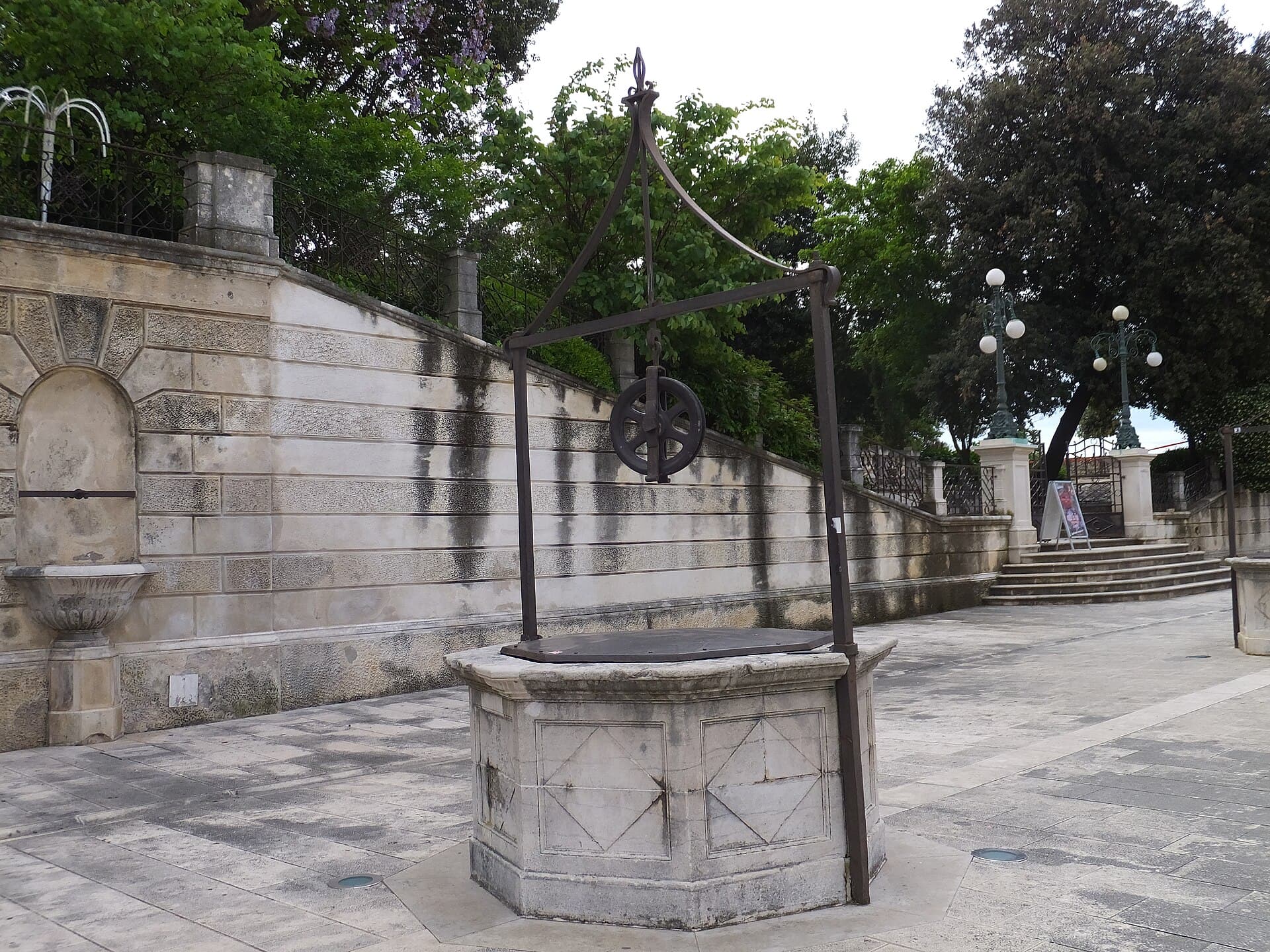 The Five Wells SquareThe Five Wells Square in the old town is named literally: five stone wellheads s2 minutes walk4.7
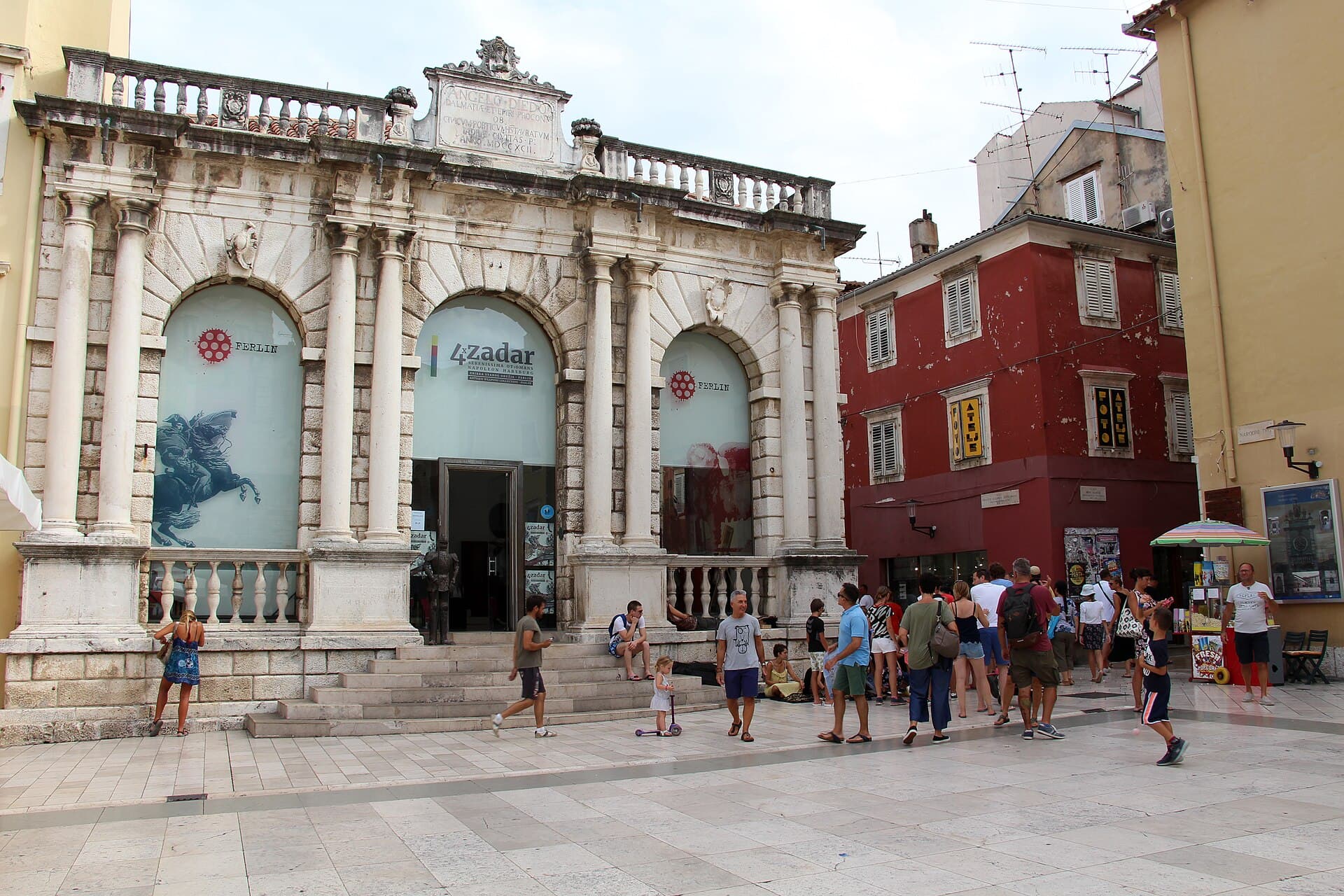 The City LoggiaThe City Loggia stands on Narodni trg, the People's Square, Zadar's administrati2 minutes walk4.1
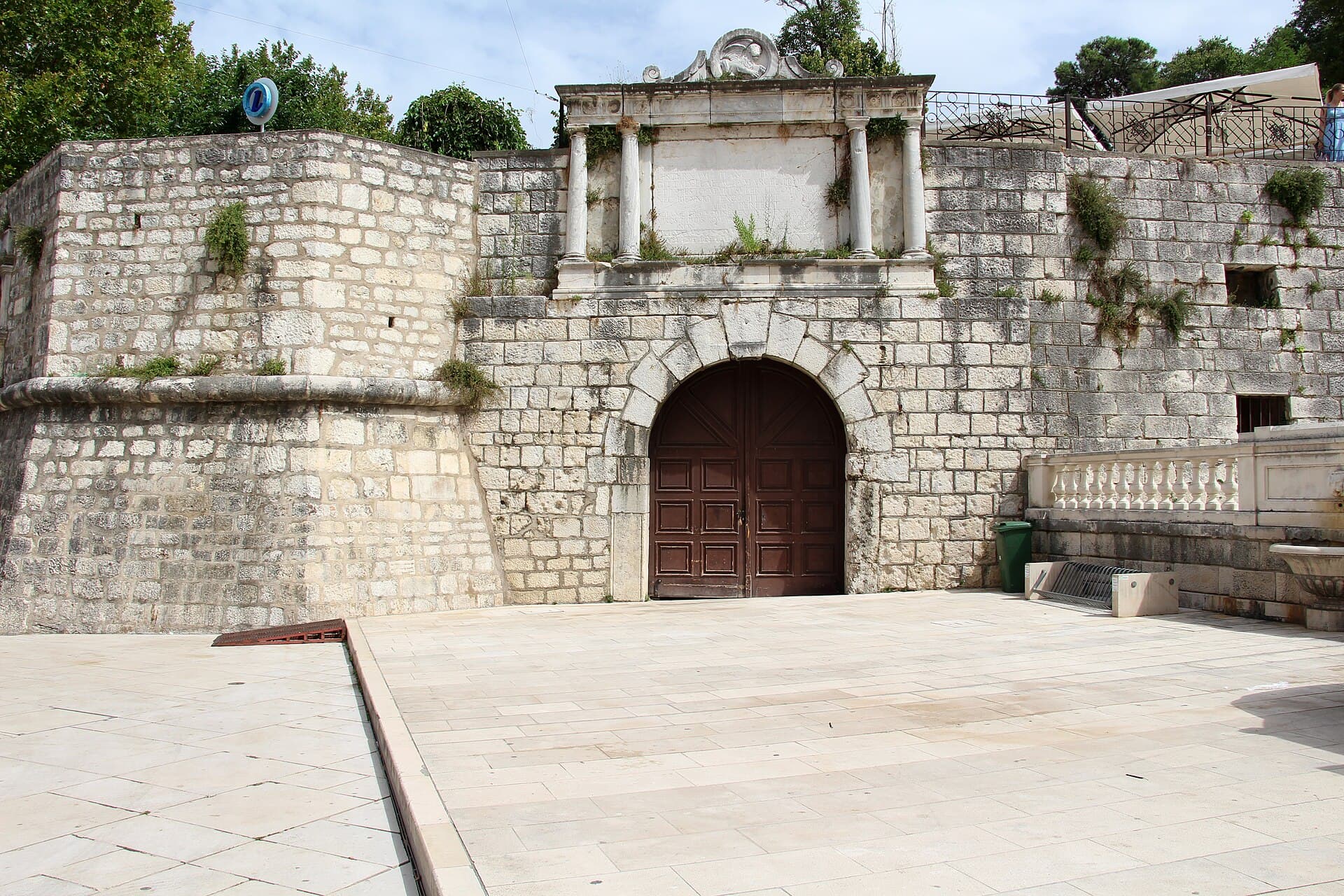 Queen Jelena Madijevka ParkThis small park stands on top of the Grimani bastion at the edge of the old town2 minutes walk4.8
Usually yes, but it depends on the production. Puppet theatre relies on movement, music and image more than dialogue, and many productions are aimed at very young children who have not fully mastered their own language yet. Ask when booking how much the piece depends on text.
For overlapping reasons: an old craft tradition of woodcarving and puppet-making; institutional support under socialism, which funded theatres and saw puppetry as a popular art; and a relatively wider margin of expression, because censors treated puppets less seriously than live theatre. After the 1990s the infrastructure, the companies and the festivals remained.