
The Captain's Tower
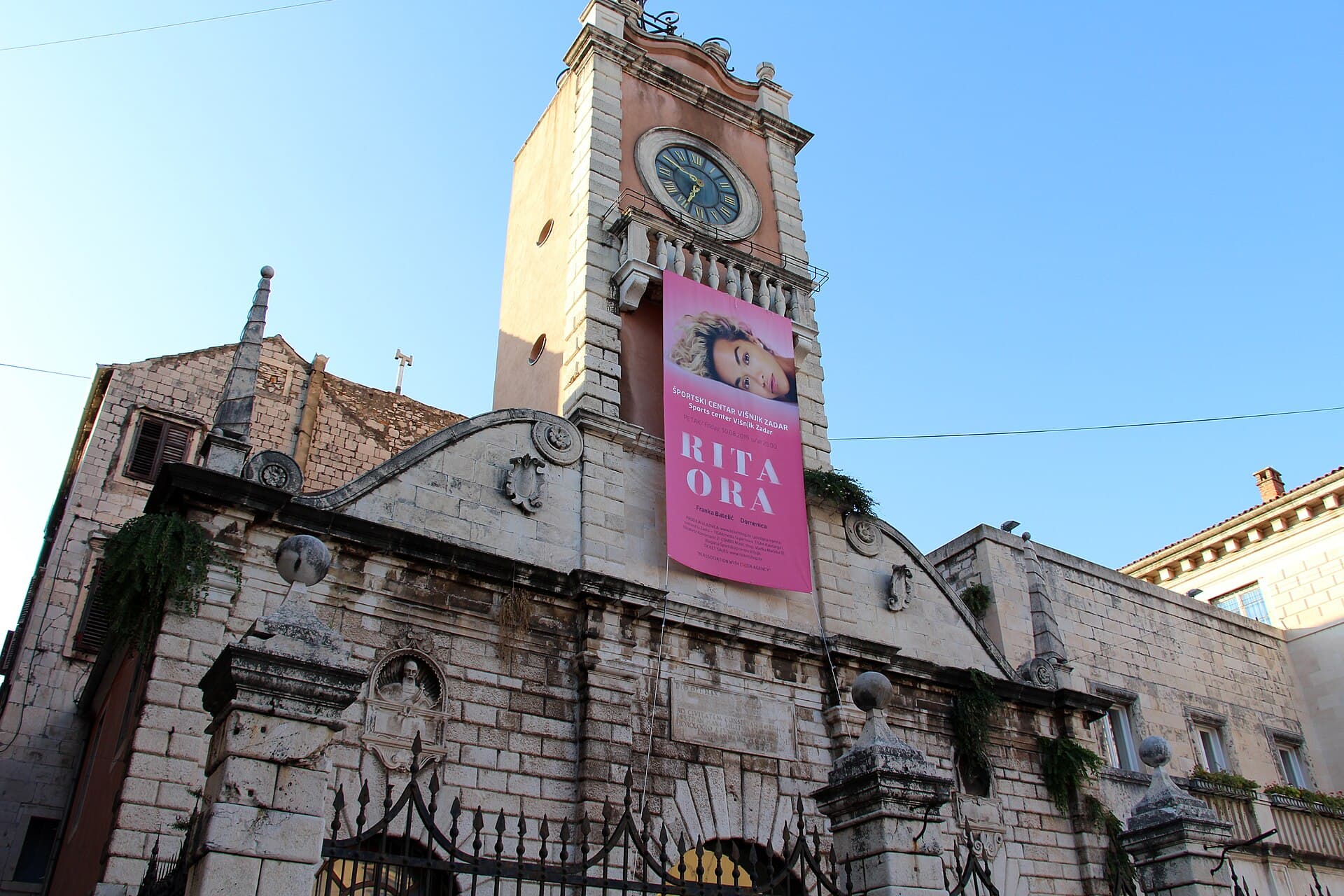
A 13th-century tower shading one end.
lienyuan lee — CC BY 3.0 · Boehringer Friedrich — CC BY-SA 2.5 · Boehringer Friedrich — CC BY-SA 2.5 · Mietek L — CC BY-SA 3.0
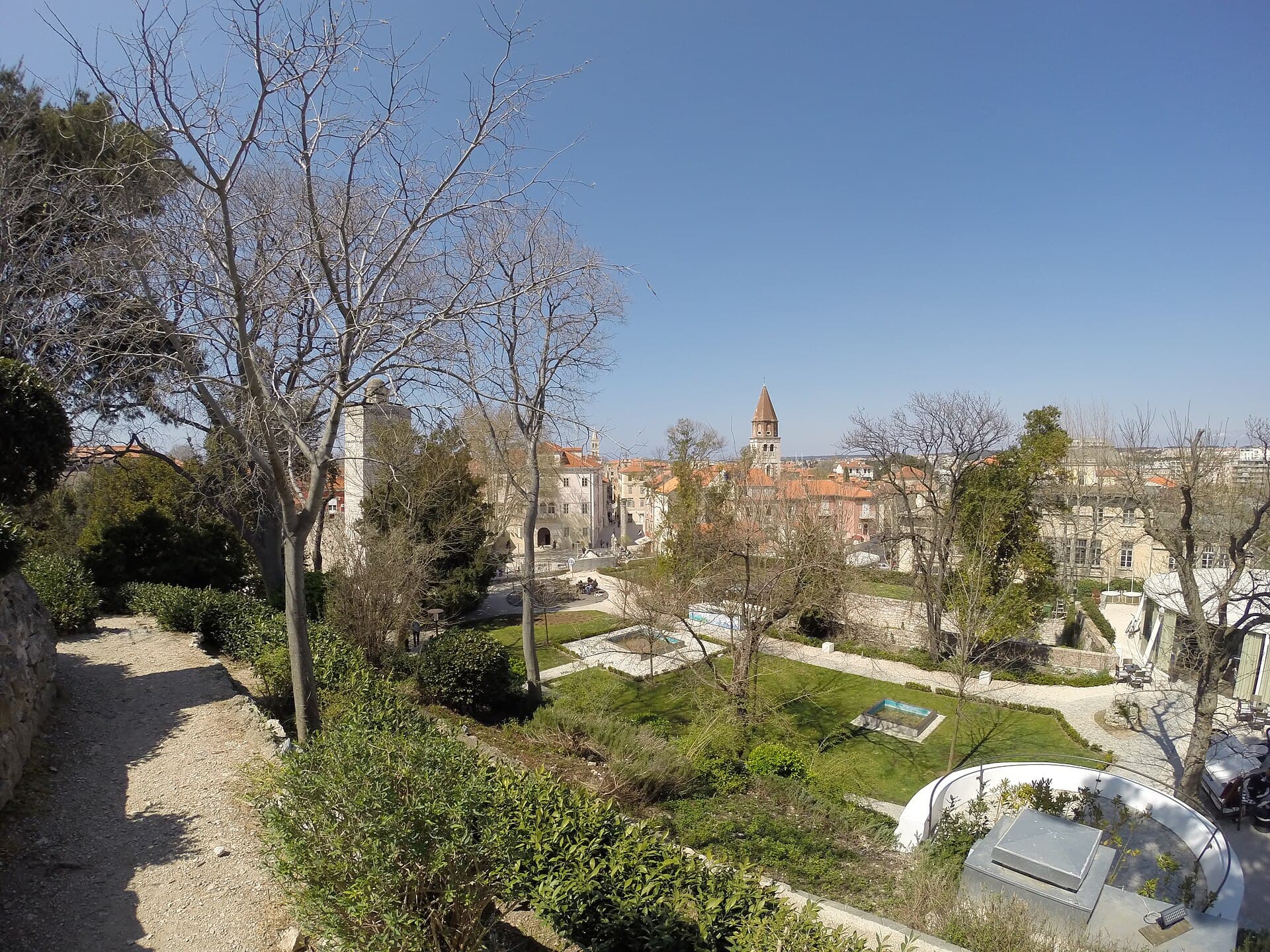
The Five Wells Square in the old town is named literally: five stone wellheads set in a straight line across it, which are the openings of one large underground cistern rather than five separate wells. The reason is military. After the Ottomans threatened the city in the sixteenth century, the Venetians dug out the old fortification ditch and turned it into a reservoir storing rainwater, then opened five heads in it so that the city's inhabitants could draw at the same time during a siege. The point was not beauty but the ability to hold out when water was cut off. The cistern served Zadar for centuries until modern mains water arrived. Today the square is a quiet paved space between the old town and its walls, shaded on one side by the thirteenth-century Captain's Tower, and rising on the other to the Queen Jelena park on the bastion. It is a short visit, but among the clearest explanations of how a besieged city lived.
A 13th-century tower shading one end.
Five heads in a row revealing the cistern below.
Trg pet bunara, 23000 Zadar
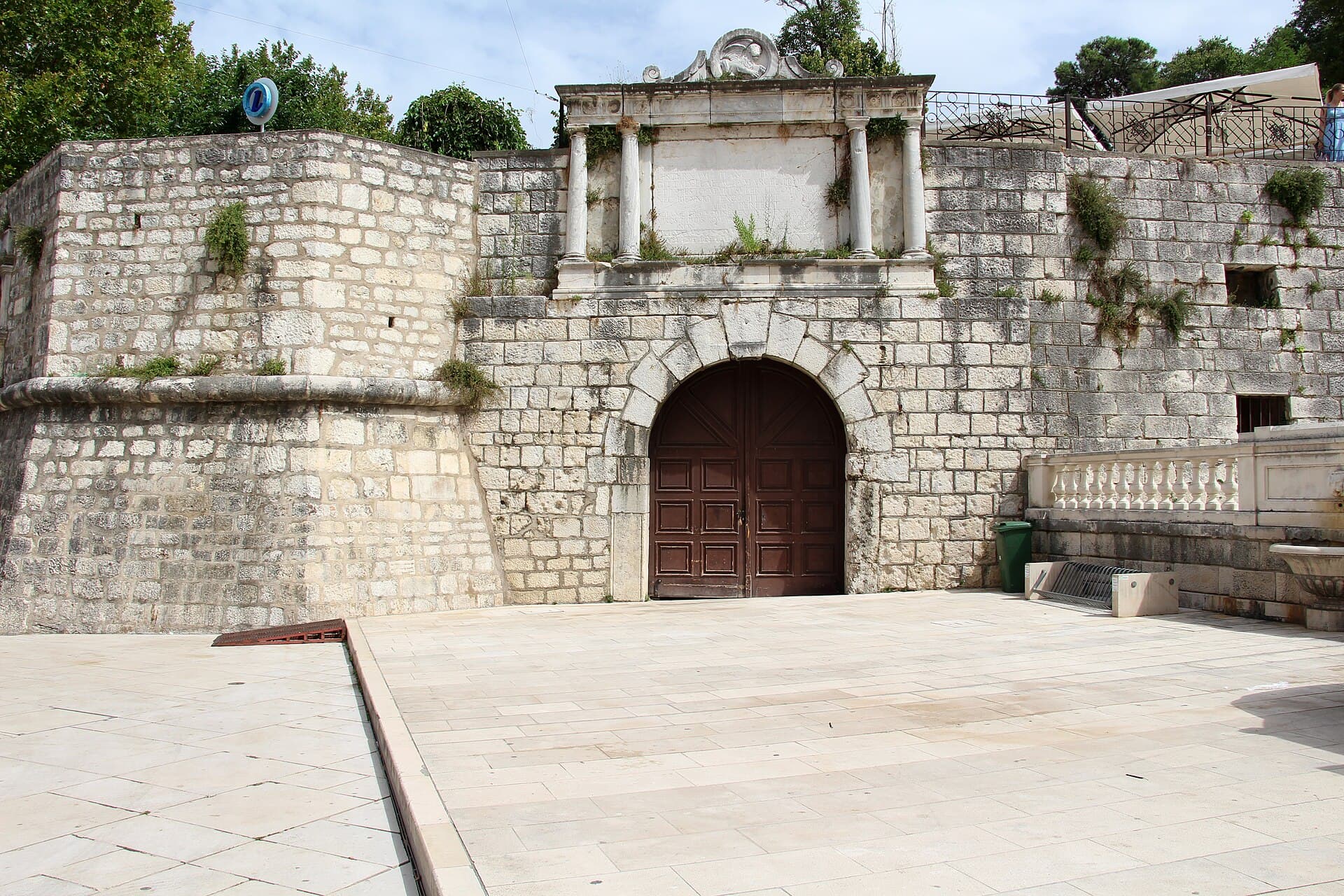 Queen Jelena Madijevka ParkThis small park stands on top of the Grimani bastion at the edge of the old town1 minute walk4.8
 Zadar National MuseumThe national museum in Zadar, an institution of several departments spread acros1 minute walk4.8
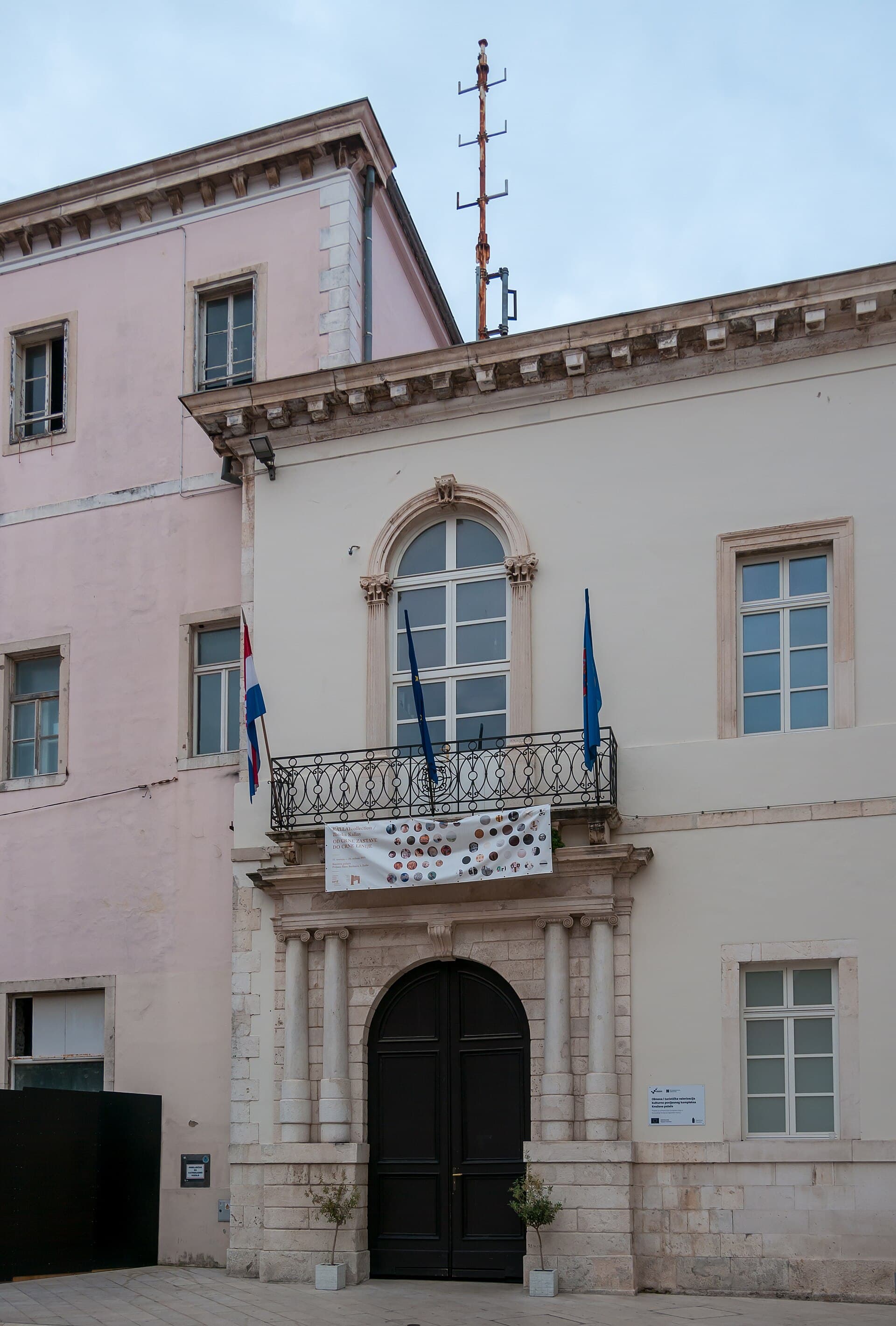 Rector's Palace, ZadarThe seat of Zadar's government through centuries of Venetian rule and after it, 1 minute walk4.6
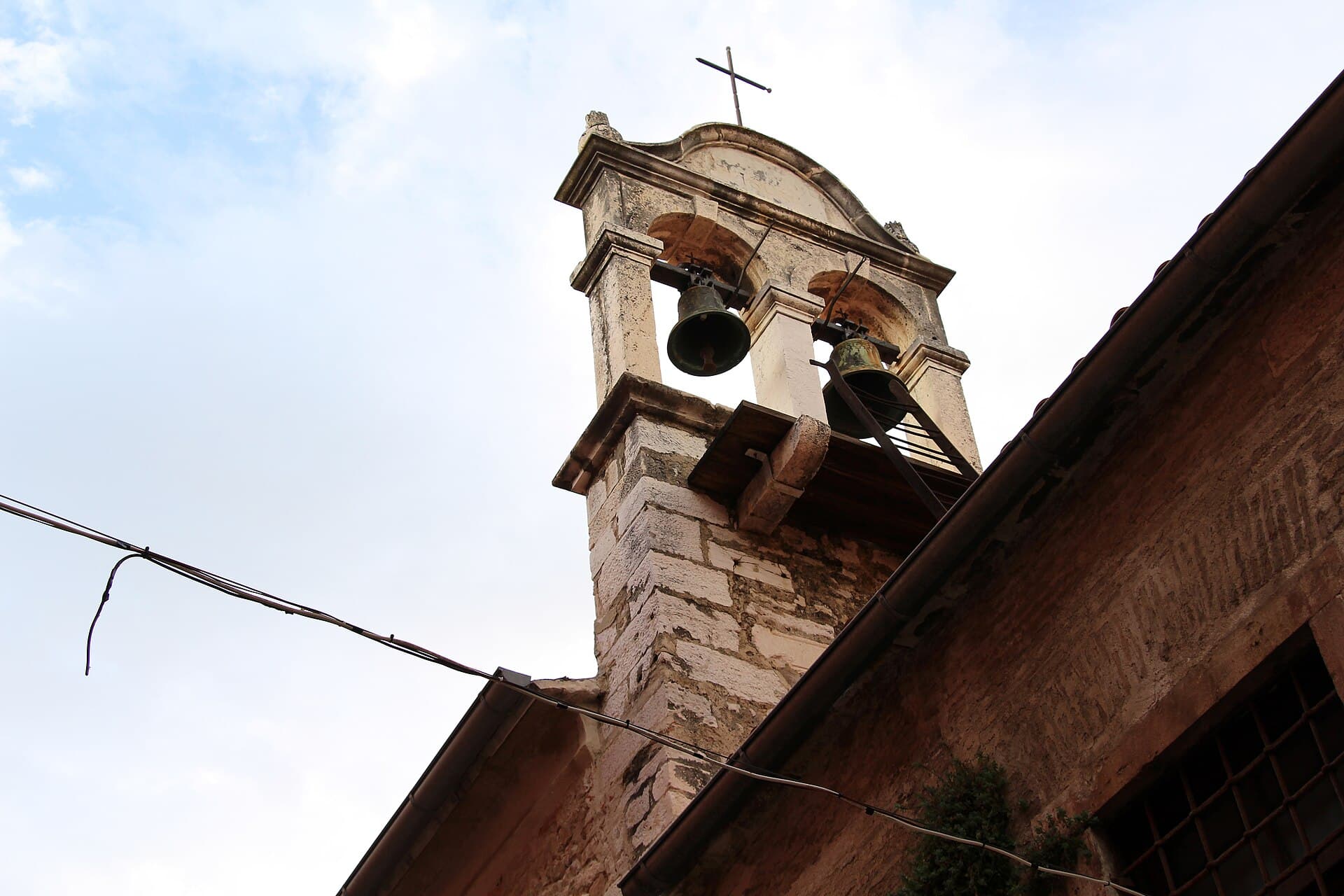 Puppet Theatre ZadarA professional puppet theatre in Zadar, founded in the mid twentieth century, pr2 minutes walk4.8
 Vladimir Nazor ParkA small public park near Zadar's old town, named after the Croatian poet Vladimi2 minutes walk4.5
Because the sea is not drinkable, and Zadar is built on a rocky peninsula with no river and no adequate springs. Fresh water was carried from inland or collected from rain, and both fail under siege. That made the cistern a defensive work as much as a civic one — a pattern repeated in every walled Adriatic city from Dubrovnik to Venice itself.