
Three tritons
Mythical sea beings carrying the basin on their heads and arms.
Diego Delso — CC BY-SA 4.0 · Diego Delso — CC BY-SA 4.0 · Diego Delso — CC BY-SA 4.0 · Diego Delso — CC BY-SA 4.0
A large bronze fountain directly outside Valletta's City Gate, and the first thing anyone walking into the capital from the main bus terminus sees. The composition is three tritons — sea beings from Greek myth, half human and half fish — holding an enormous basin above their heads and arms. It was executed by the Maltese sculptor Vincent Apap and unveiled in 1959, and ranks among Malta's most important works of twentieth-century public art. The work partly collapsed in 1978 when the basin gave way under the weight of a crowd, then underwent a full restoration and was reopened in 2018 along with a complete redesign of the square around it: traffic was removed and it became a pedestrian space with the fountain working at its centre. The position makes it a natural meeting point: the central bus terminus is metres away, City Gate stands directly behind it, and entry into Valletta begins here. Practical points: free and always open, with a visit of minutes. The square is entirely exposed with almost no shade — avoid it in the middle of a summer day.
Mythical sea beings carrying the basin on their heads and arms.
Traffic was removed in 2018, leaving a pedestrian space around the fountain.
The natural starting point for any visit to Valletta.
Outside City Gate, Valletta
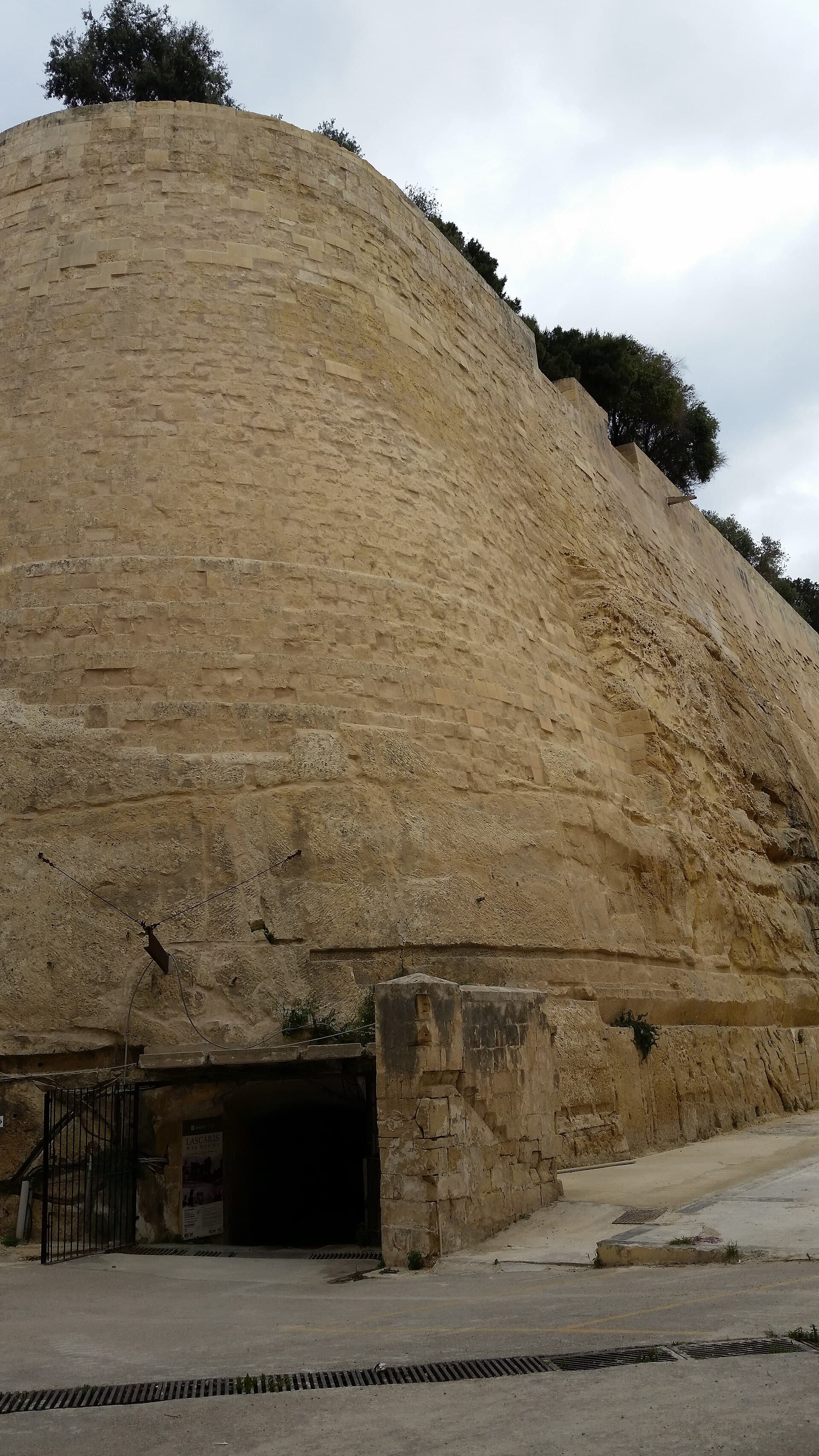 Lascaris War RoomsThe Allied Mediterranean command post beneath Valletta's bastions: a tunnel netw4 minutes walk4.5
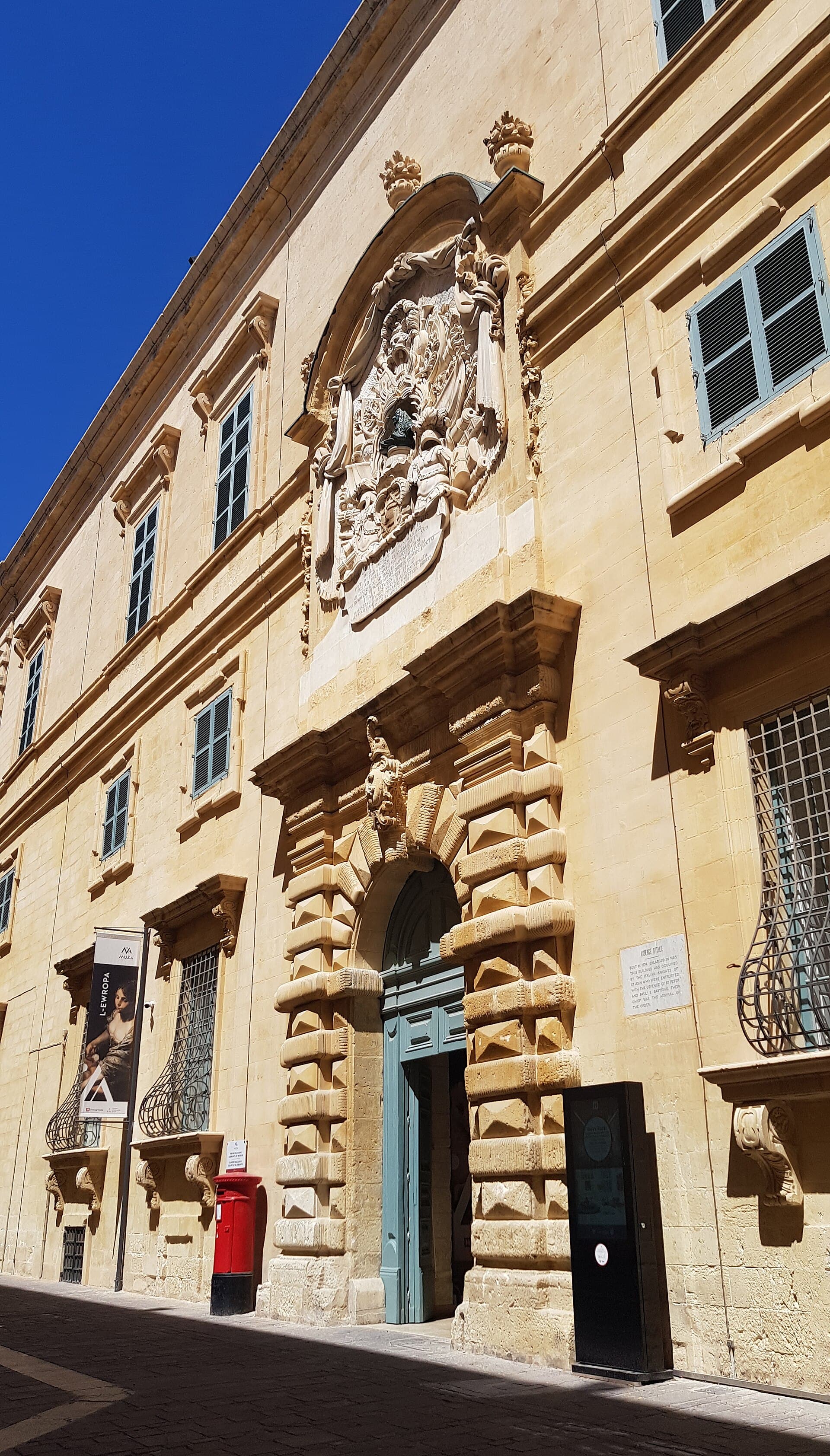 MUŻA National Art MuseumThe national art museum in the Italian knights' auberge: Malta's art museum move4 minutes walk4.3
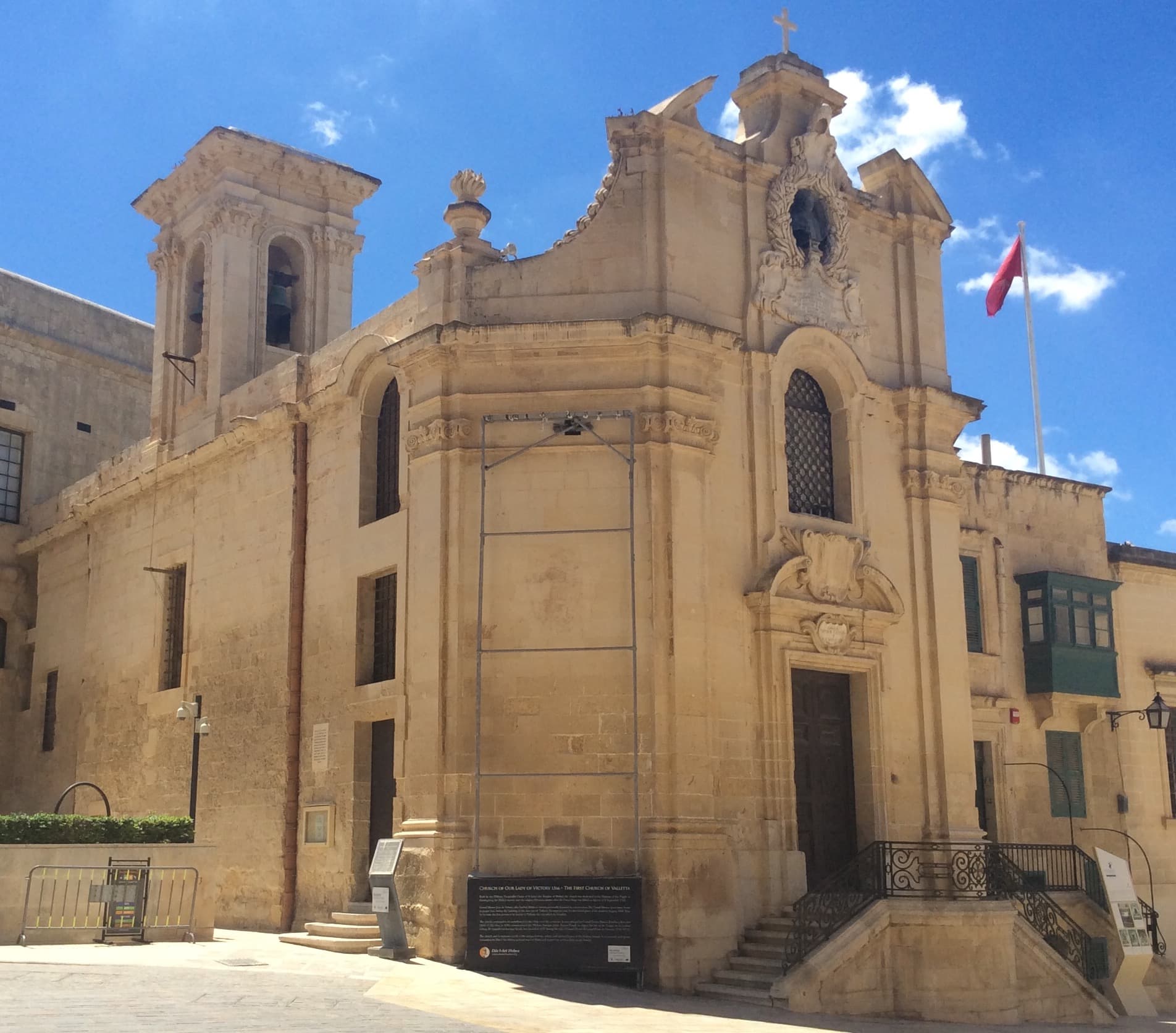 Our Lady of Victories ChurchThe oldest building in Valletta, and the first thing built in it. Its foundation4 minutes walk4.6
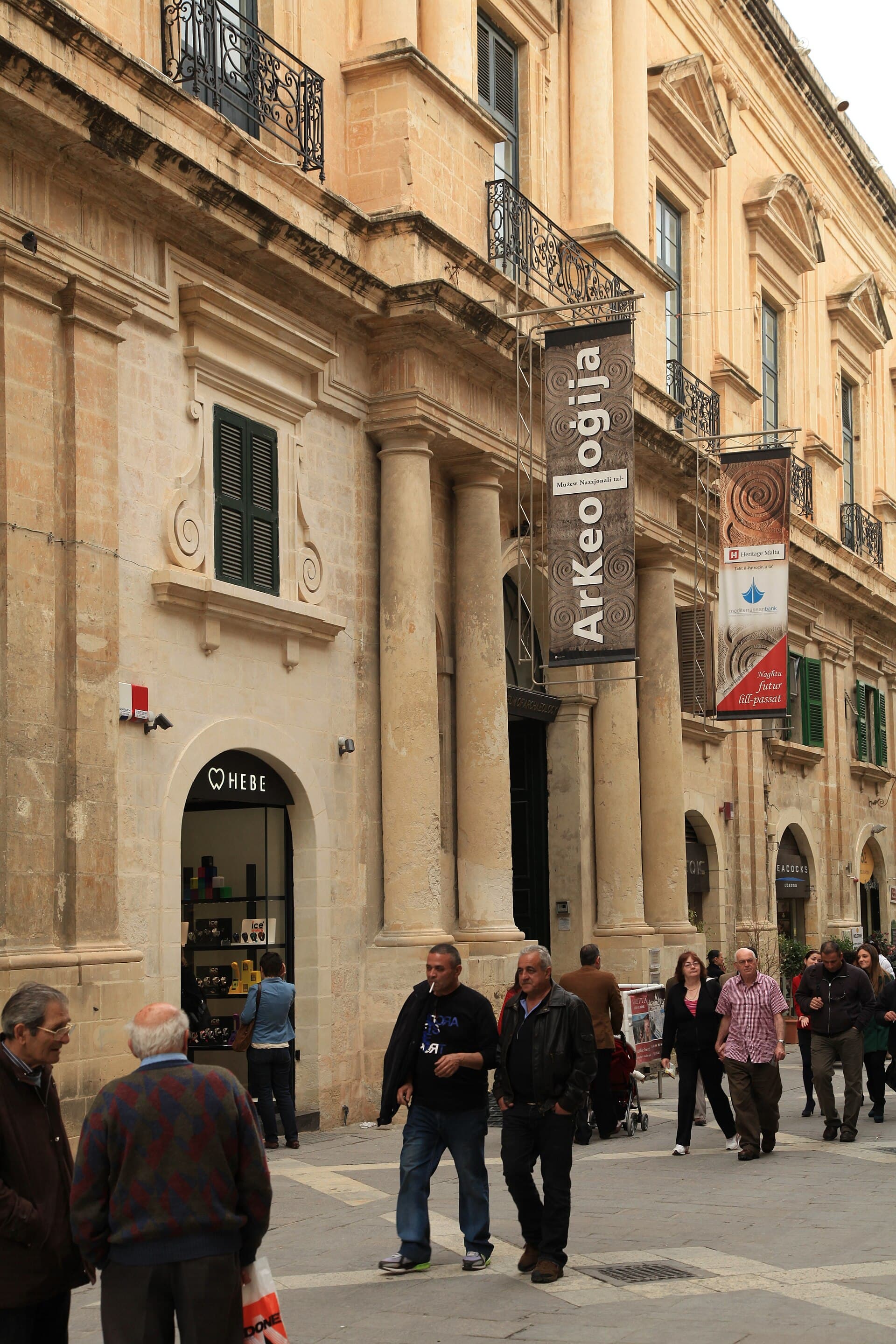 National Museum of ArchaeologyThe world's oldest stone architecture, explained in one hall: the National Museu4 minutes walk4.3
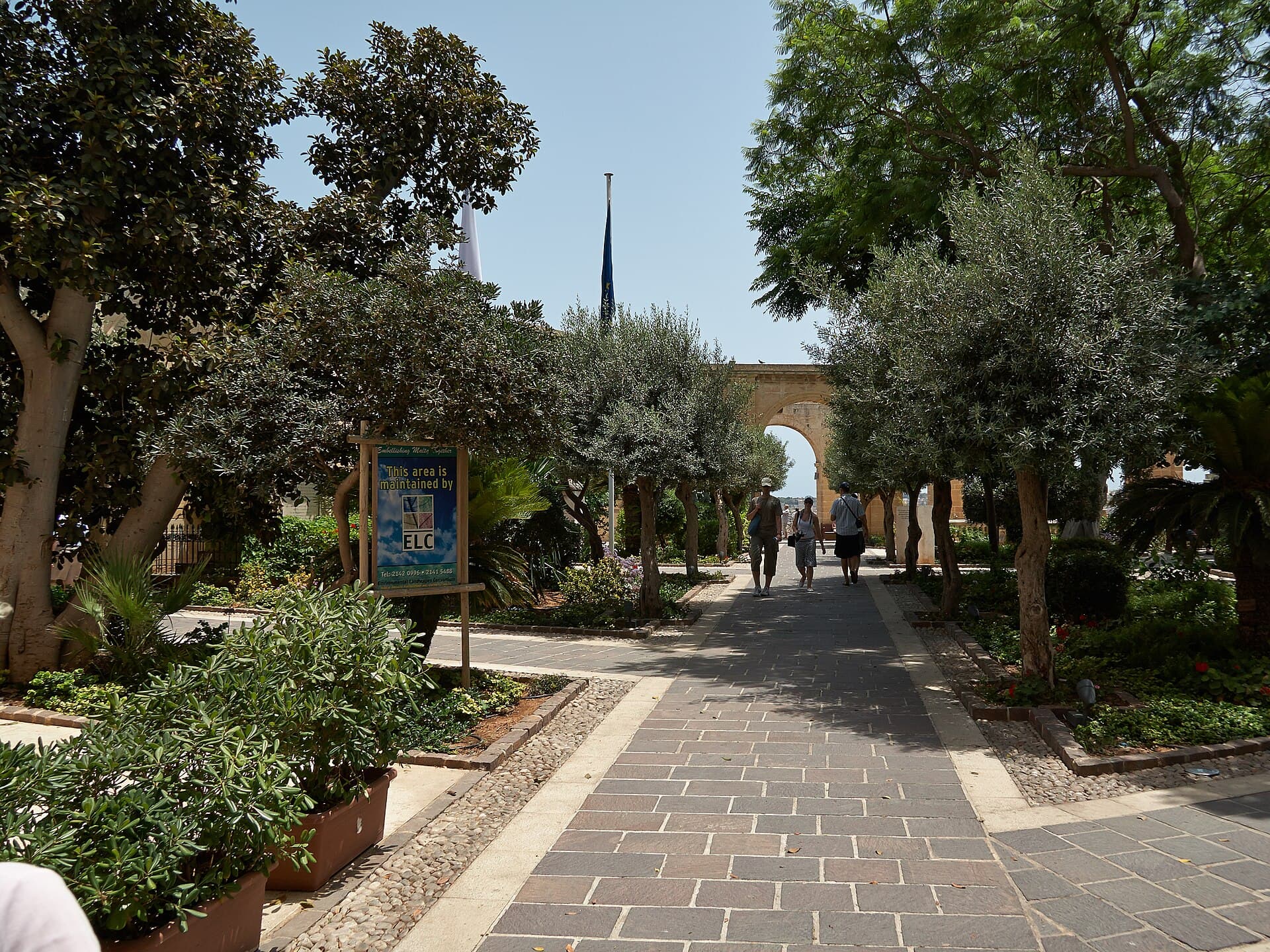 Upper Barrakka GardensMalta's best view, and free: the Upper Barrakka Gardens sit on Valletta's highes4 minutes walk4.6
No. You will pass it anyway walking into Valletta or stepping off a bus, so pause for a couple of minutes in passing. The value is that it opens the city, not that it is a destination in itself.
Early morning or before sunset. The square is entirely exposed, midday light is harsh and the summer heat severe. In the evening the fountain and square are lit, which is when it looks best.