
The dome and chandelier
A central dome some 45 metres high with a vast chandelier beneath it, best seen from the women's gallery upstairs.
canonim — CC BY 2.0 · Dosseman — CC BY-SA 4.0 · Dosseman — CC BY-SA 4.0 · Dosseman — CC BY-SA 4.0
The story of this mosque begins with a different mosque in a different country. In 1957 the architect Vedat Dalokay won the design competition with a daringly modernist scheme; conservative outcry and doubts about its untested concrete shell killed it, and Dalokay later reworked the ideas in Islamabad, where they became the basis of the famous Faisal Mosque. Ankara instead chose, at a fresh competition in 1967, a safely Ottoman-classical design by Hüsrev Tayla and M. Fatin Uluengin, and the building took a full twenty years, opening in August 1987. The result is the capital's largest mosque and the one landmark you can pick out from almost any hill in the city. It is an unapologetic quotation of the giants of Istanbul and Edirne: four minarets rising about 88 metres in the manner of the Selimiye, a central dome rising some 45 metres inside, ringed by four half-domes as at the Blue Mosque. The prayer hall alone is a square of about 56 metres a side and, with the courtyard, the mosque holds around twenty thousand worshippers. Inside, a vast chandelier hangs beneath the dome, stained glass fills the qibla wall, and bands of calligraphy run around the vaults. Anyone arriving from Istanbul may find the interior craft cooler than the Ottoman originals - this is twentieth-century concrete and marble, not Iznik tile - but the sheer scale earns respect, above all at night when it is floodlit and visible from half the city. The odd part is what lies beneath: the platform you climb to is not a natural hill but a structure housing a shopping level, a car park, a library and a conference hall. Entry is free, and visitors are welcome throughout the day outside the five prayer times, with a longer closure around Friday noon prayers. Headscarf, covered legs and shoes off are routine for our readers. The women's gallery is upstairs, and the view of the dome and chandelier from there is actually better than from the floor. The stairs up to the platform are long, but lifts and ramps exist, so a pushchair is not a problem. Thirty to forty-five minutes is plenty, and it pairs easily with a stroll around neighbouring Kızılay: the mosque is about a ten-minute walk from Kızılay metro, and the minarets do the navigating for you. In Ankara's dry August heat the cool, shaded hall is a refuge; in winter, snow on the lead domes makes it look more Istanbul than it really is.
A central dome some 45 metres high with a vast chandelier beneath it, best seen from the women's gallery upstairs.
About 88 metres tall and floodlit after dark, they are the clearest landmark on Ankara's skyline.
The modernist scheme rejected in 1957 was reworked into the basis of Pakistan's Faisal Mosque; what was built here is its Ottoman opposite.
Kocatepe Mahallesi, Dr. Mediha Eldem Sokak, Çankaya
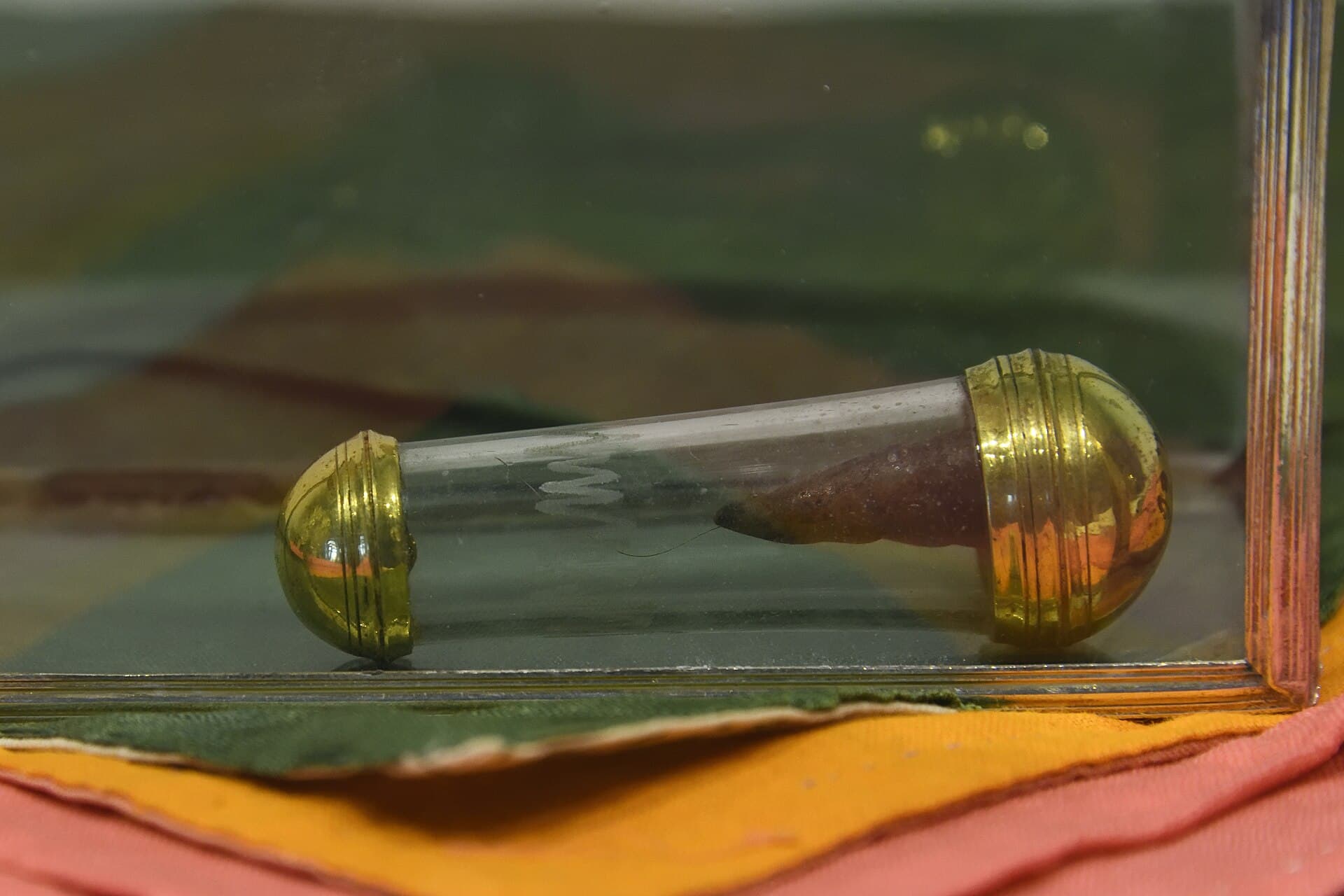 Ethnography Museum of AnkaraFor fifteen years all but a few days, from 21 November 1938 to 10 November 1953,23 min walk4.7
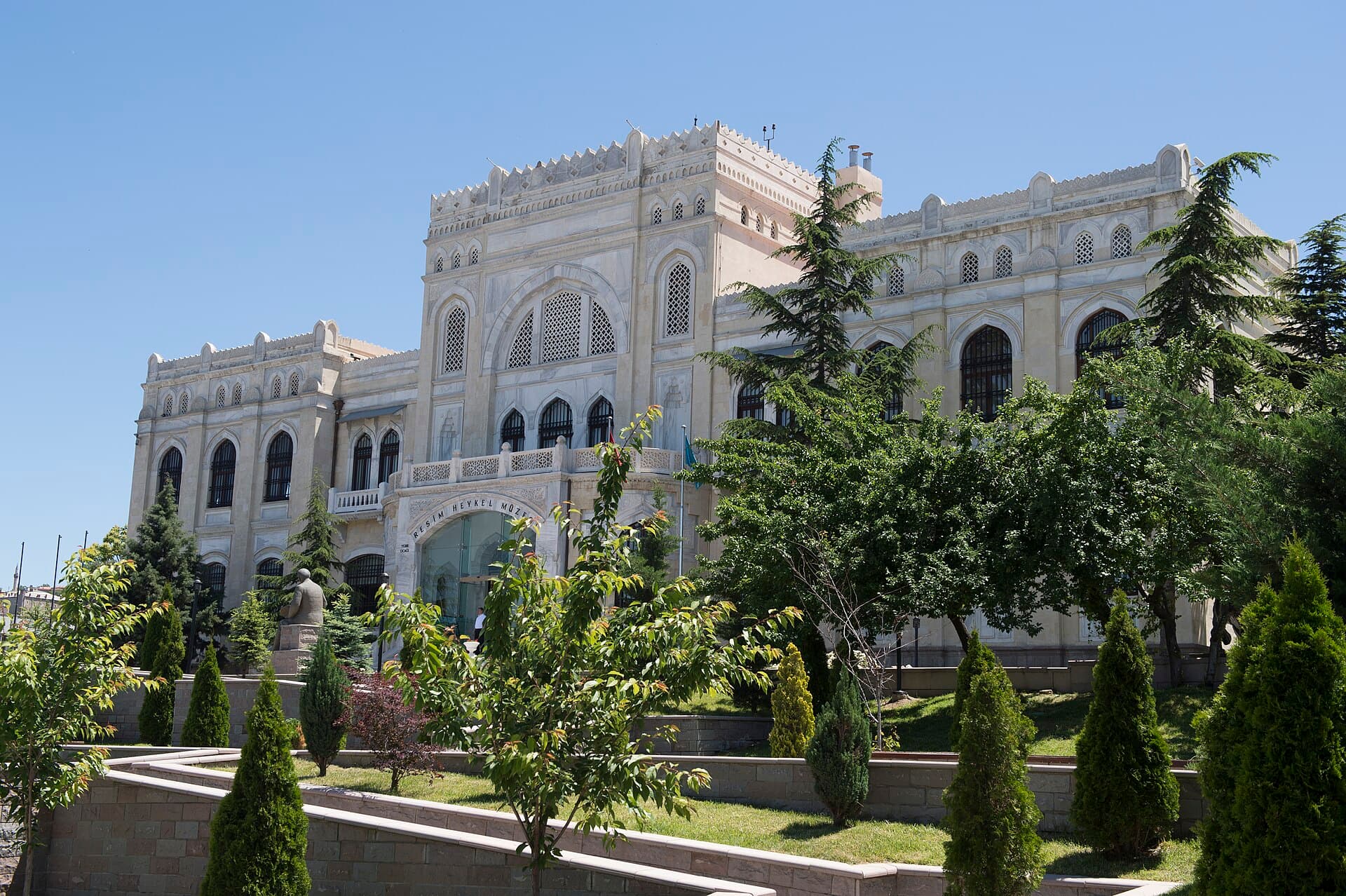 Ankara Painting and Sculpture MuseumHalf the ticket price here buys the building, not the paintings. The palace that23 min walk4.8
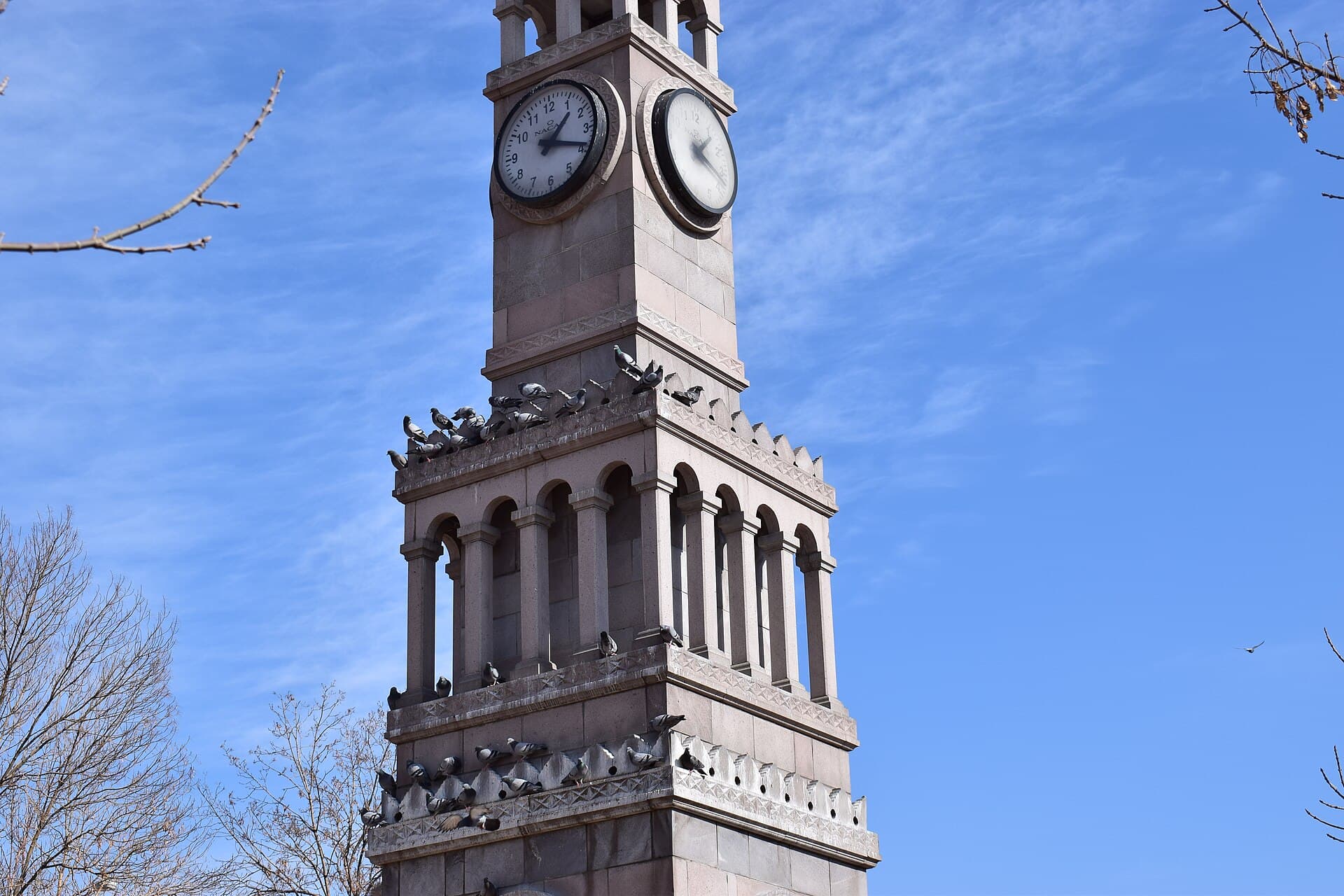 HamamönüTurkey's national anthem was written here, in a small room of a dervish lodge in24 min walk4.5
Honestly, it will not impress on craft or history - it is a twentieth-century tribute, not an Ottoman original. But it is Ankara's biggest landmark, free, and under 45 minutes a short walk from Kızılay, so drop in if you are nearby; do not build half a day around it.
Sign in to write your review of this place.
No reviews yet — be the first.