
Atatürk's temporary tomb
A marble slab in the domed hall marks where he lay for fifteen years before the move to Anıtkabir.
Dosseman — CC BY-SA 4.0 · Dosseman — CC BY-SA 4.0 · Dosseman — CC BY-SA 4.0 · Dosseman — CC BY-SA 4.0
For fifteen years all but a few days, from 21 November 1938 to 10 November 1953, Mustafa Kemal Atatürk lay beneath the dome of this white-marble building while his mausoleum at Anıtkabir was still being built. A marble slab in the central hall marks the spot, and Turkish visitors still pause there in silence before moving on to the display cases. That story precedes the collection, and it is reason enough to climb the steps of Namazgah hill above Ulus. The building is itself a document of the young republic: the first museum the Turkish state ever built, designed by Arif Hikmet Koyunoğlu between 1925 and 1928 in a style that sets an Ottoman dome and arches on a classical body, with a bronze equestrian Atatürk by the Italian sculptor Pietro Canonica out front. Its first visitor was King Amanullah of Afghanistan in 1928; the public was let in from July 1930. Inside, a ring of galleries wraps around the domed hall on a single level: regional Anatolian costume and jewellery, Uşak and Gördes carpets and kilims, İznik ceramics, Seljuk-to-Ottoman weapons, manuscripts and calligraphy, and objects from dervish lodges, including pieces attributed to the lodge of Hacı Bayram Veli, Ankara's patron saint. The real star is the minbar from the Great Mosque of Siirt, a Seljuk work of joinery assembled without a single nail or drop of glue. Slow down there more than anywhere else. Set expectations accordingly: this is a small museum, the English labels exist but are terse, and forty-five minutes covers it even at a leisurely pace. It rewards anyone who enjoys craft and carved wood; children will flag after the first two rooms, and a pushchair has to be carried up the outside steps before it rolls easily around the one floor. Make it a morning stop before the Ulus bazaar streets and the citadel, and do not skip the Painting and Sculpture Museum next door, by the same architect and usually emptier than this one.
A marble slab in the domed hall marks where he lay for fifteen years before the move to Anıtkabir.
A Seljuk pulpit joined without a nail or drop of glue, the finest piece of woodwork in the building.
Arif Hikmet Koyunoğlu's 1928 marble-domed building, with the equestrian Atatürk statue out front.
Türkocağı Sokak No. 4, Hacettepe Mahallesi, Ulus, Altındağ
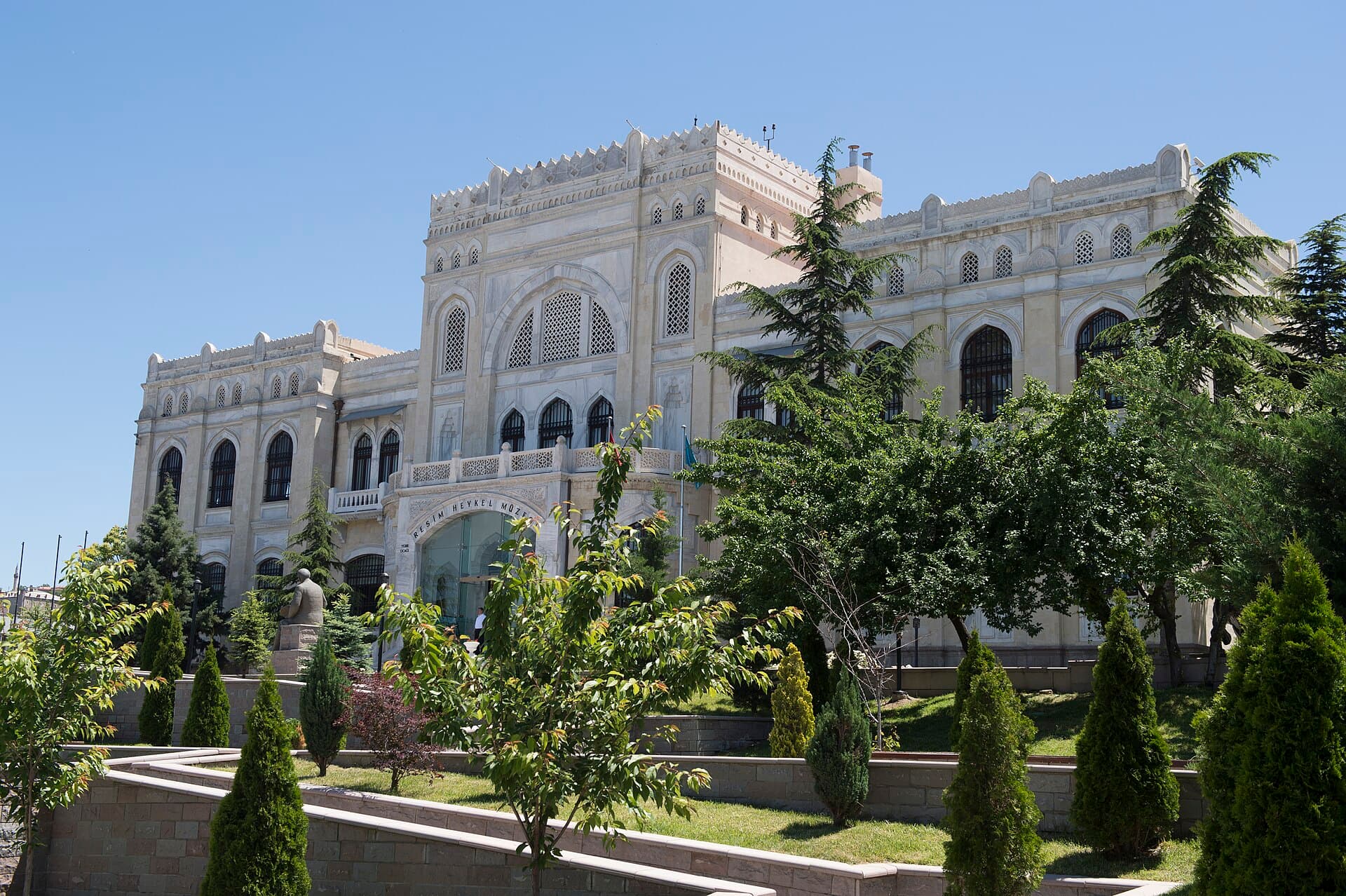 Ankara Painting and Sculpture MuseumHalf the ticket price here buys the building, not the paintings. The palace that1 min walk4.8
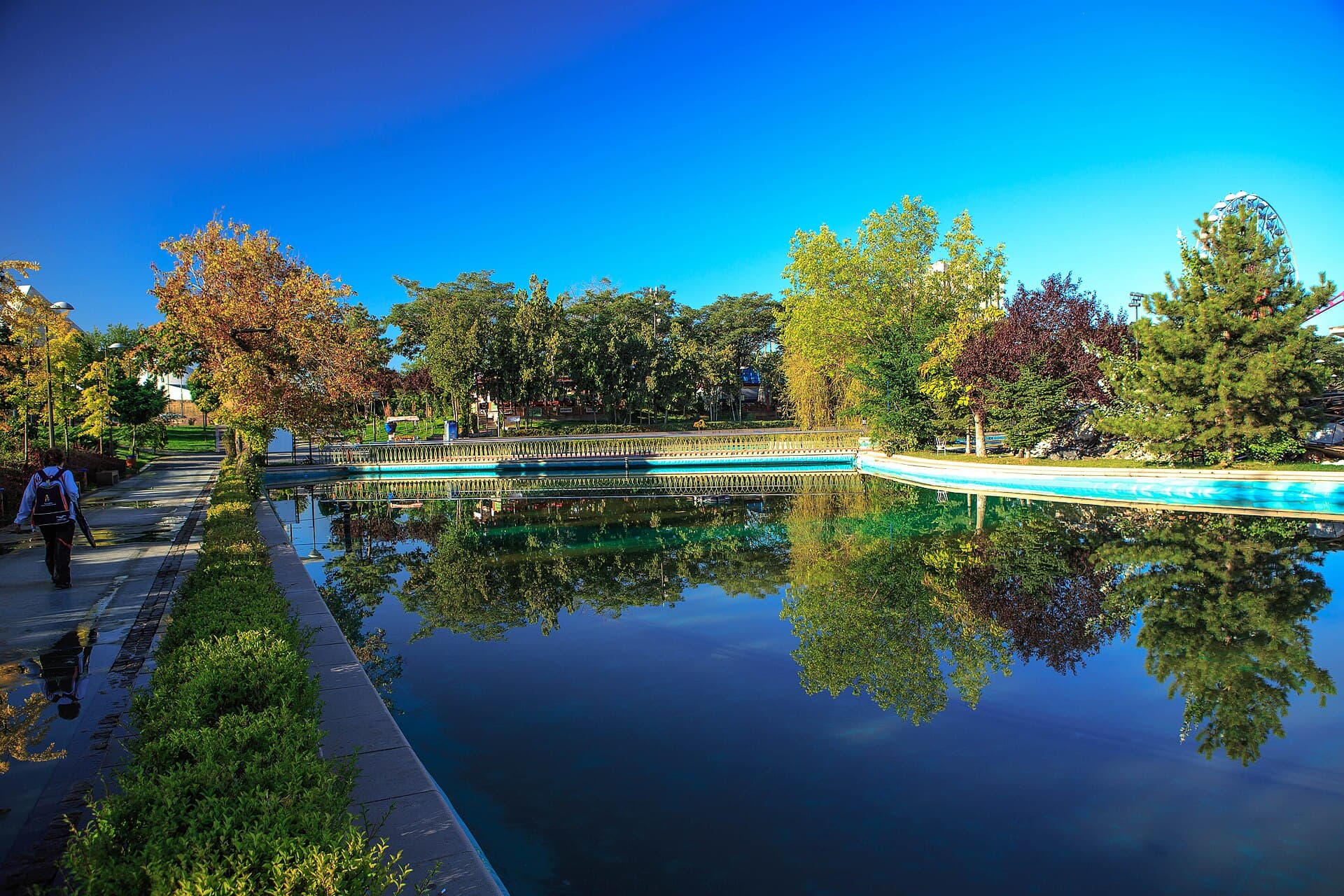 Gençlik ParkThis was a marsh in the low ground below the old town until a 1936 cabinet meeti8 min walk4.3
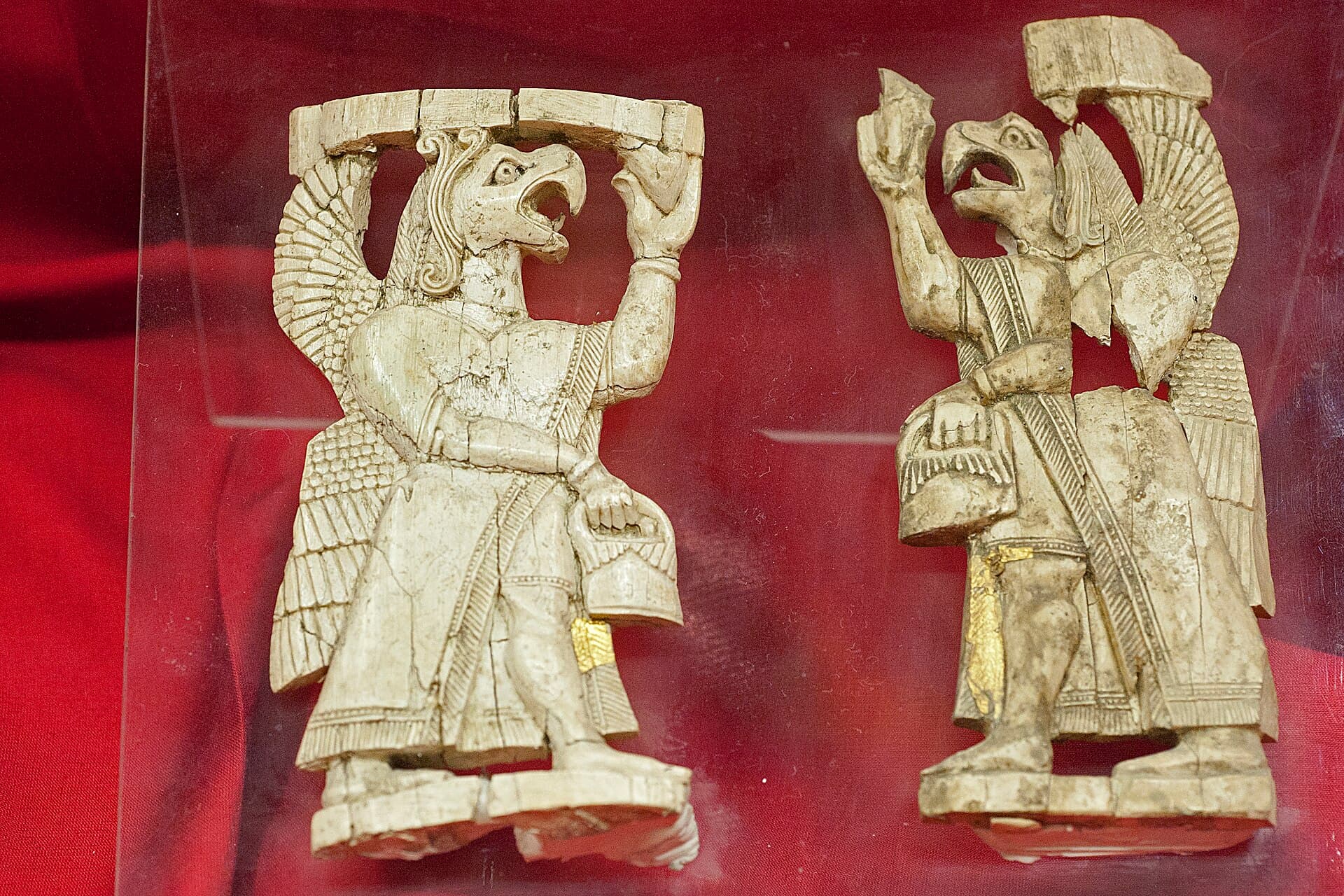 Museum of Anatolian CivilizationsUnder the ten domes of a fifteenth-century covered market where Ankara's merchan11 min walk4.7
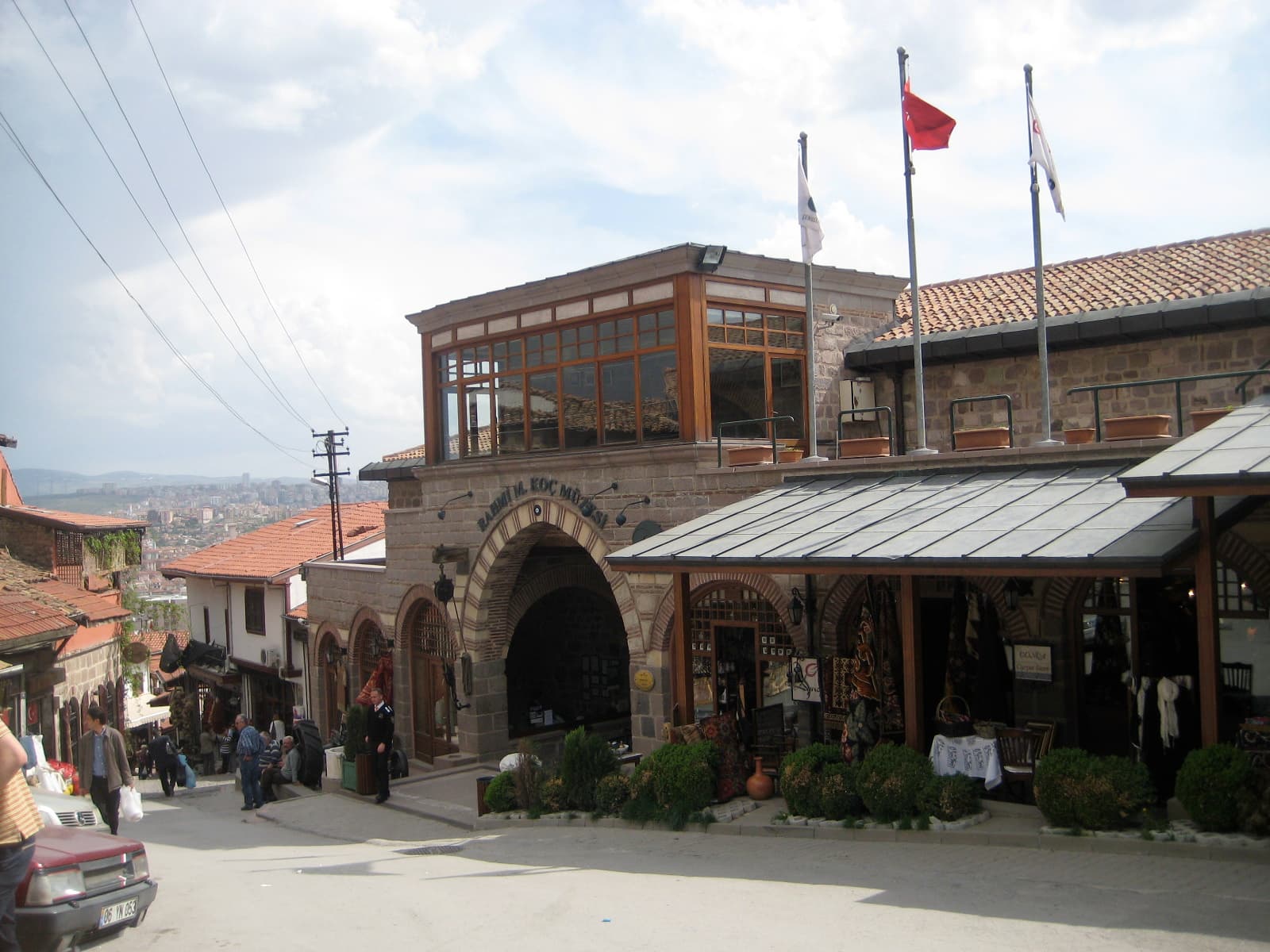 Çengelhan Rahmi M. Koç MuseumA boy called Vehbi Koç once spent his summer holidays behind the counter of a sm11 min walk4.7
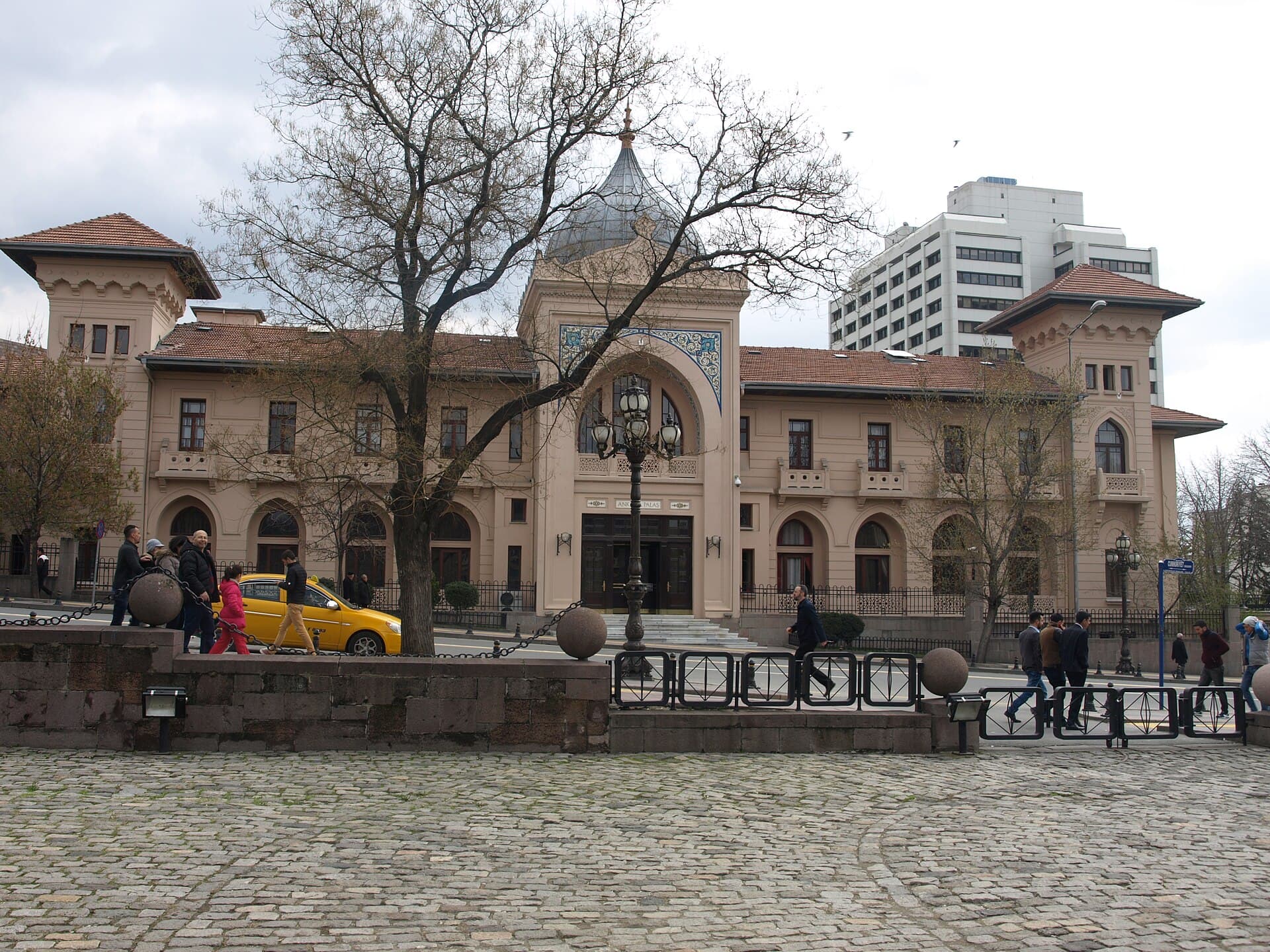 Ankara Palas MuseumThis is the building where the new elite of the Turkish Republic learned to walt11 min walk4.5
If you have time for one museum in Ankara, choose Anatolian Civilizations without hesitation. This one is smaller and quieter, worth 45 minutes on the way between Sıhhiye and Ulus for the Atatürk story, the Siirt minbar, the costumes and the carpets.
Not a place to visit for the children's sake; the weapons and costumes hold them briefly, then they lose interest. The pushchair must be carried up the entrance steps, after which the single floor is easy.
Sign in to write your review of this place.
No reviews yet — be the first.