
The marble Turkish Hall
The Türk Ocağı building's showpiece hall, dense with Seljuk and Ottoman ornament, is the best thing in the visit and worth the ticket by itself.
Dosseman — CC BY-SA 4.0 · Alexjes98 — CC0 · Dosseman — CC BY-SA 4.0 · Dosseman — CC BY-SA 4.0
Half the ticket price here buys the building, not the paintings. The palace that houses the museum went up between 1927 and 1930 as the headquarters of the Türk Ocağı, the Turkish Hearths society, and Atatürk personally approved the watercolour sketch that architect Arif Hikmet Koyunoğlu put in front of him, then insisted the whole thing be built by Turkish hands with purely Turkish ornament. The result sits on top of Namazgah hill in Ulus: a heavy stone façade outside, and inside a marble 'Turkish Hall' whose walls and ceilings are crowded with Seljuk and Ottoman decoration at a density few other art museums in the country can match. The collection is the state archive of Turkish painting and sculpture from the late Ottoman decades to the present, roughly 750 works on show out of more than 3,600 in the inventory. The route runs broadly chronologically: the pioneers first, led by Osman Hamdi Bey and his 'Arms Dealer', then canvases by the last caliph Abdülmecid II, who was a genuinely accomplished painter, on to İbrahim Çallı and his famous Zeybek fighters, and finally the sculptors of the Republic and mid-century names such as Fikret Mualla. Most of it is impressionist or realist and needs no art-history background to enjoy. A comprehensive restoration that began in 2019 ended with a reopening in December 2020, so the galleries are now well lit and properly labelled. The small surprise is that the building still works as a theatre. A concert hall of some 426 seats inside it staged Turkey's first operas in 1934 and is still used for concerts and performances; if you find its doors open, look in from the threshold. Practically, this is a short visit: an hour is plenty, and there are a lot of stairs, which makes a pushchair a nuisance. The sensible plan is to treat it as the second half of a stop at the Ethnography Museum next door; the two share the same hilltop and can be done together in one morning before you climb to the citadel. And if Turkish art holds no interest for you at all, a walk through the marble hall alone is enough, because it really is the reason for the ticket.
The Türk Ocağı building's showpiece hall, dense with Seljuk and Ottoman ornament, is the best thing in the visit and worth the ticket by itself.
The most famous Ottoman painter opens the chronological route, alongside canvases by the painter-caliph Abdülmecid II.
A concert hall of some 426 seats that staged Turkey's first operas in 1934 and is still used for concerts and performances.
Türk Ocağı Sokak No:1, Hacettepe, Ulus, Altındağ
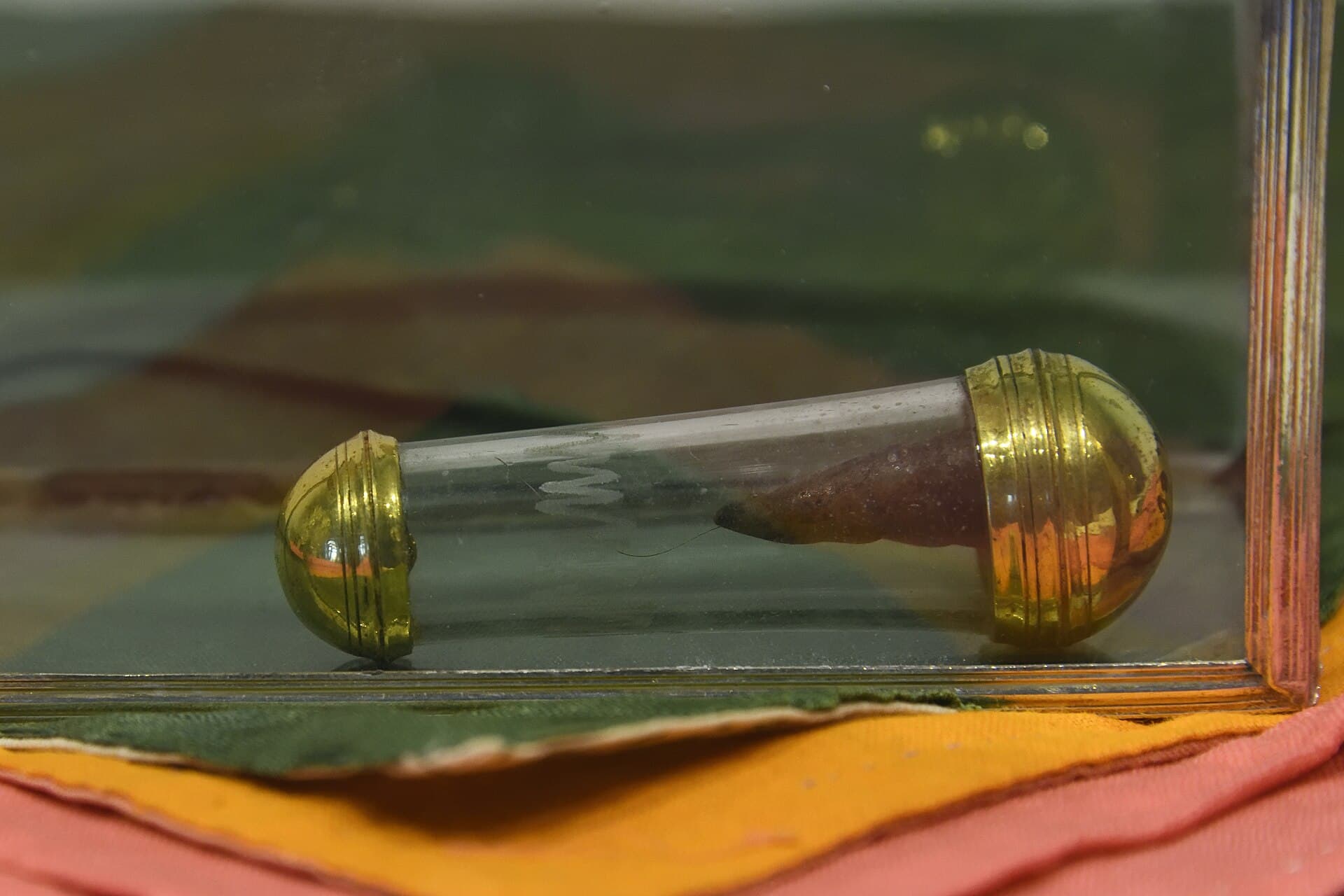 Ethnography Museum of AnkaraFor fifteen years all but a few days, from 21 November 1938 to 10 November 1953,1 min walk4.7
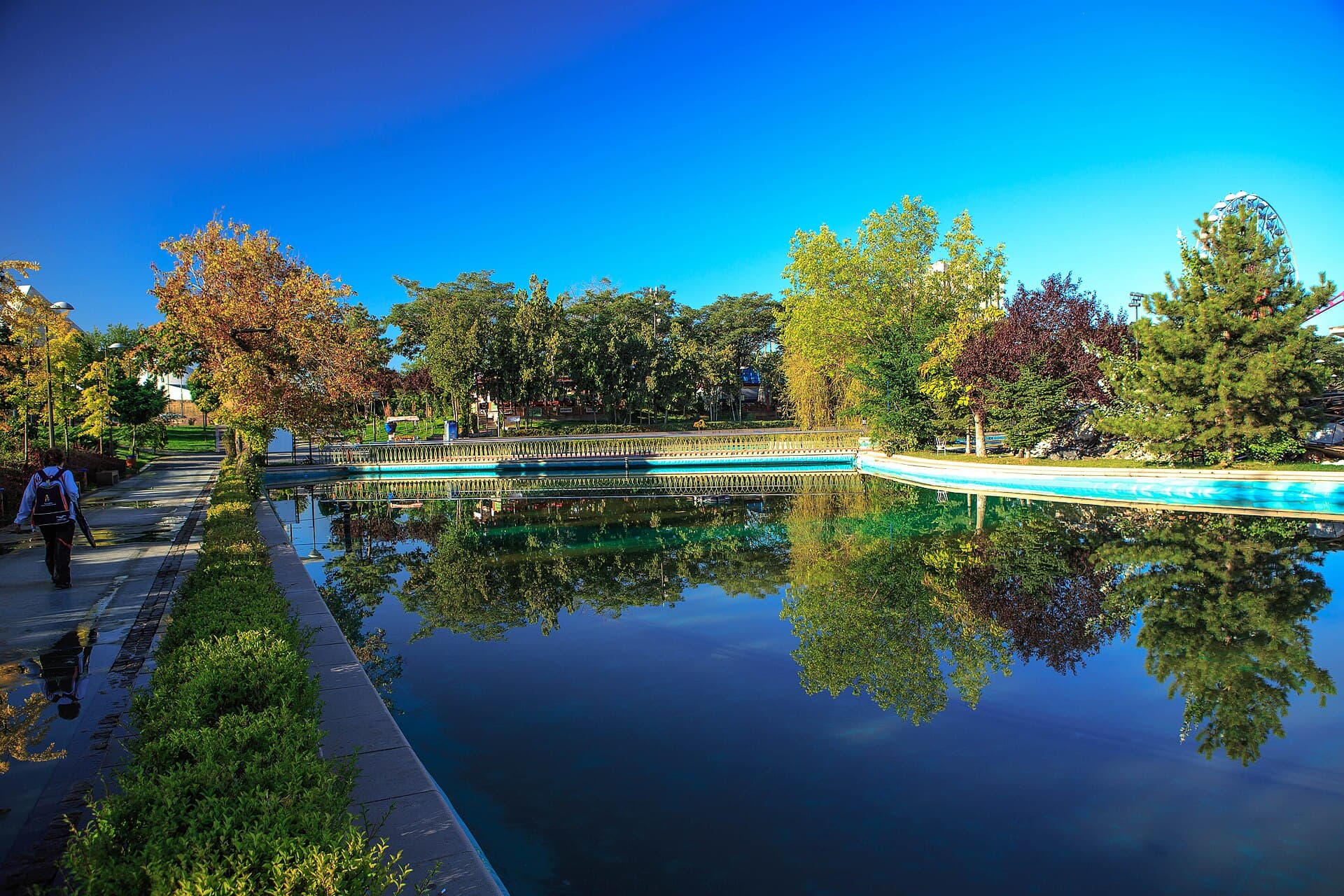 Gençlik ParkThis was a marsh in the low ground below the old town until a 1936 cabinet meeti9 min walk4.3
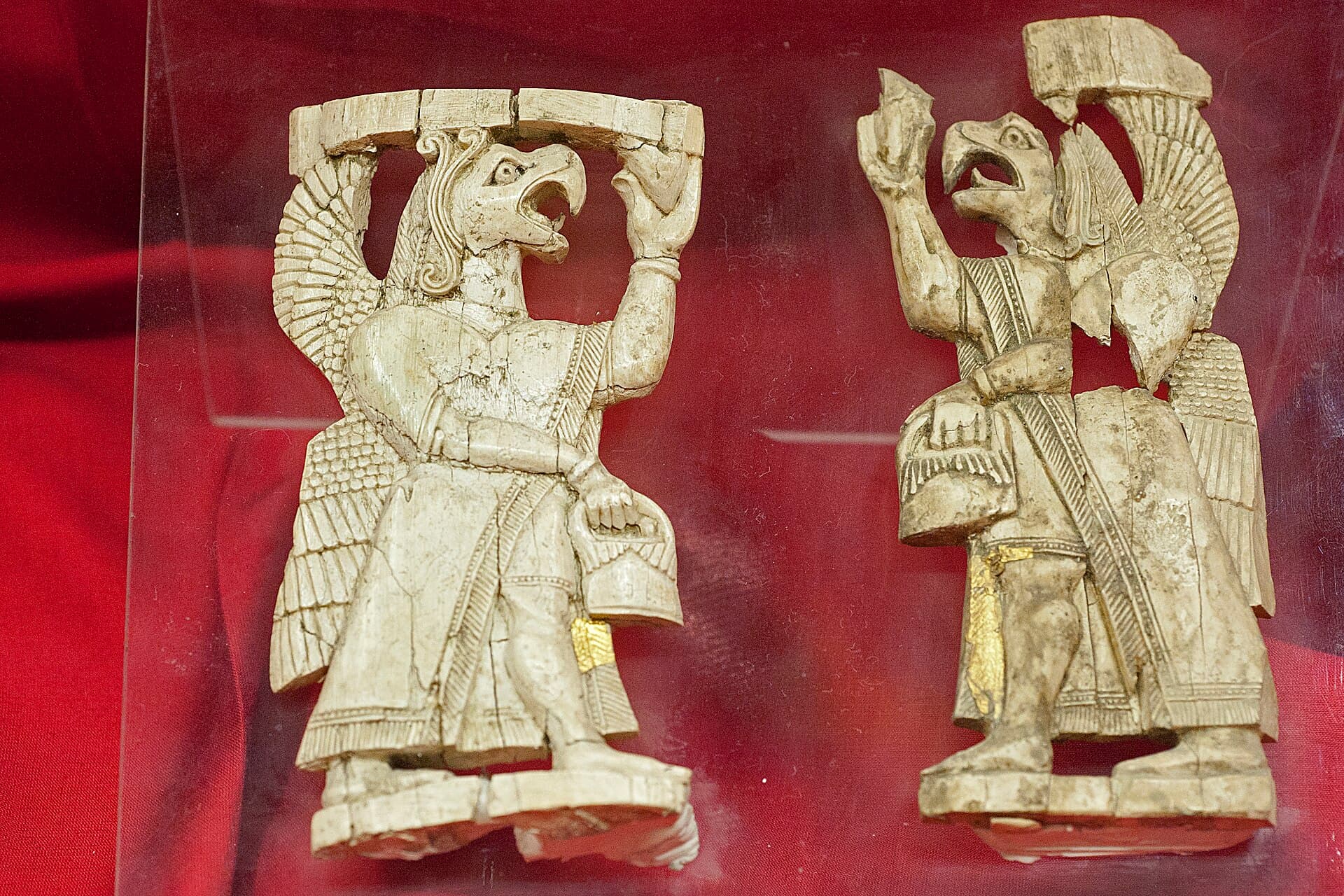 Museum of Anatolian CivilizationsUnder the ten domes of a fifteenth-century covered market where Ankara's merchan10 min walk4.7
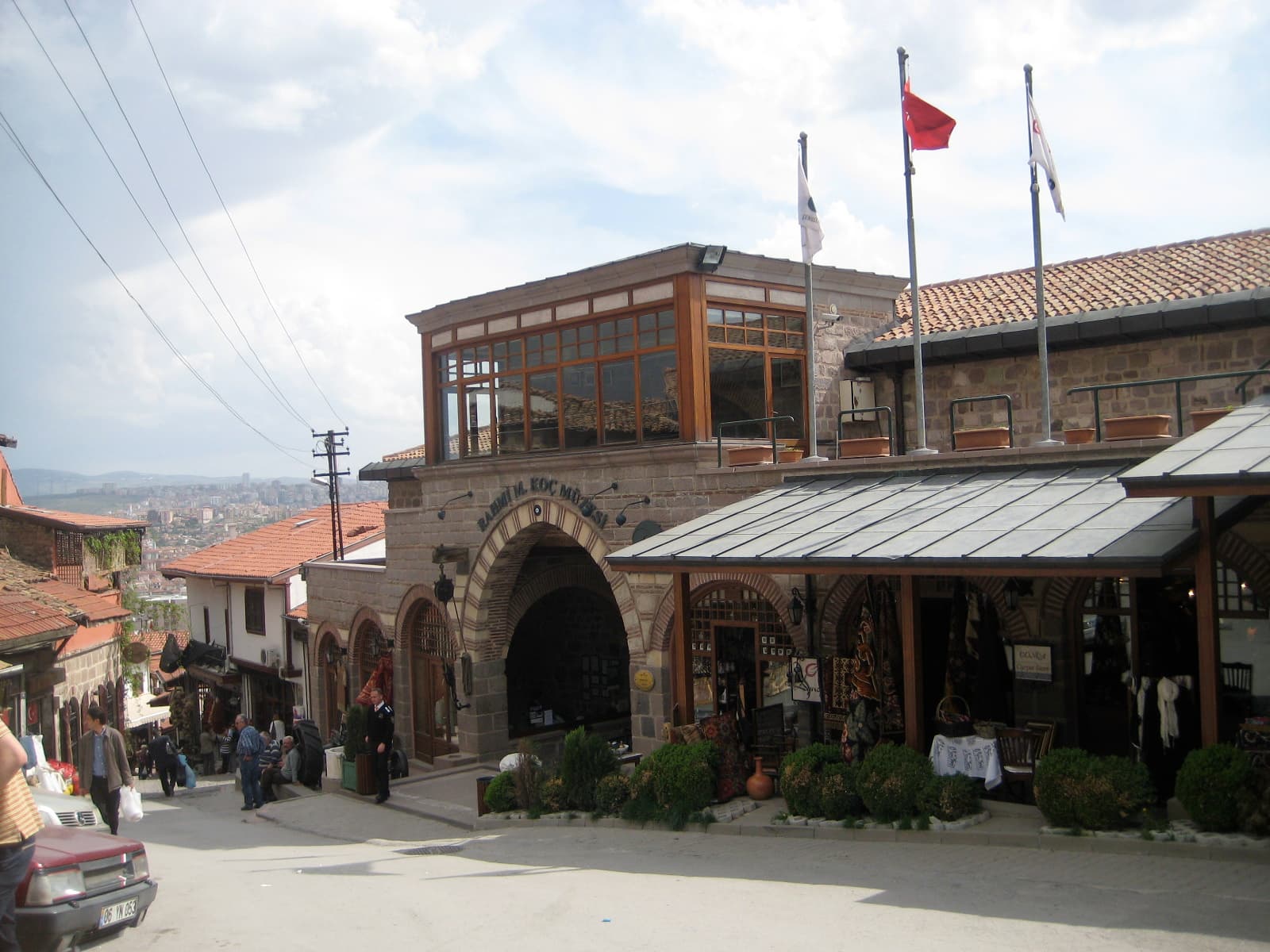 Çengelhan Rahmi M. Koç MuseumA boy called Vehbi Koç once spent his summer holidays behind the counter of a sm10 min walk4.7
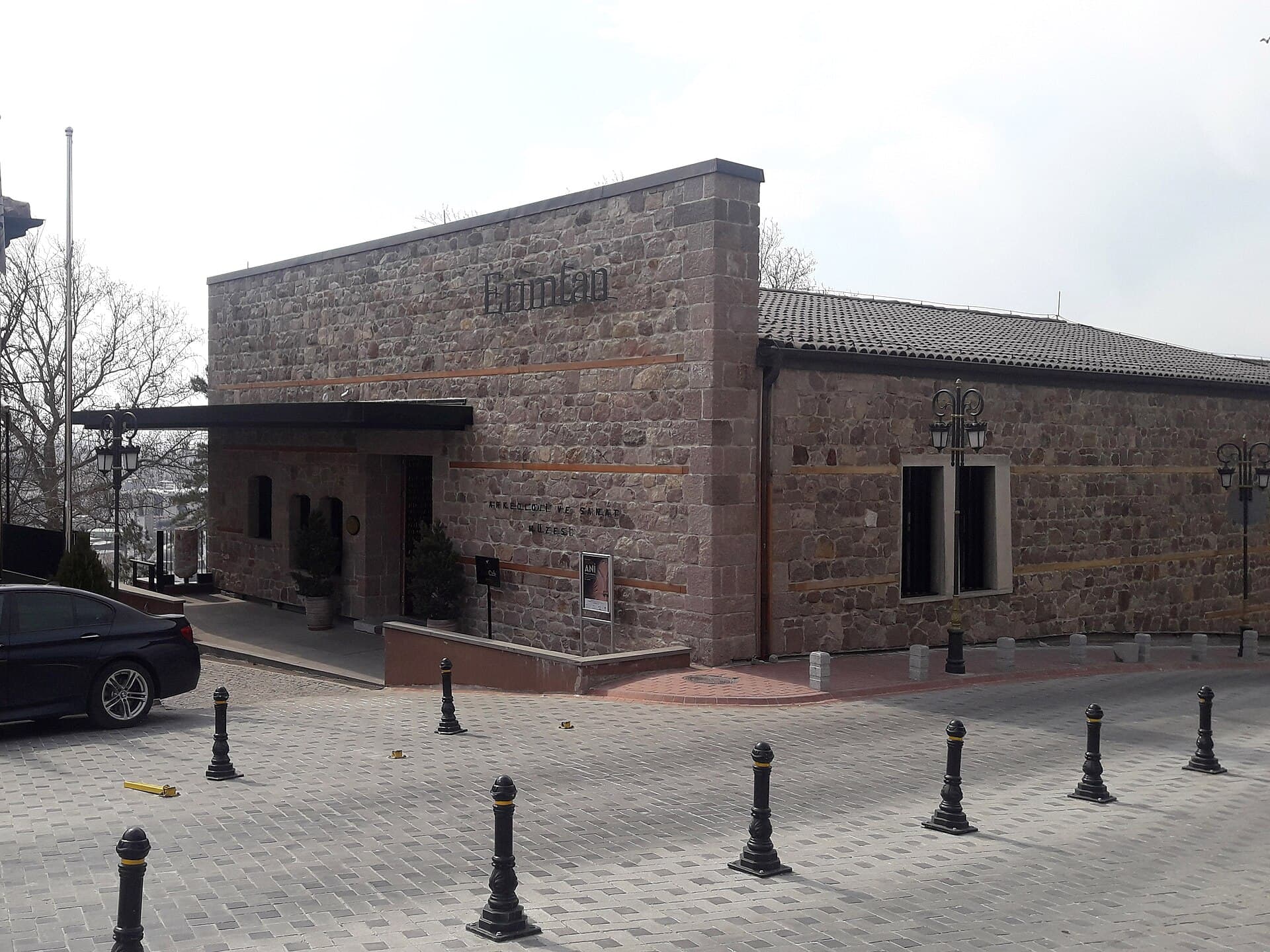 Erimtan Archaeology and Arts MuseumIt started with a few Roman ring stones, bought by a Turkish engineer in 1960, a10 min walk4.4
Do not make it a priority; the Museum of Anatolian Civilisations, the citadel and Anıtkabir matter far more. But it sits next to the Ethnography Museum on the way up to the citadel, so if you are already there, give it an hour for the marble hall and the Osman Hamdi Bey canvas. Otherwise skip it with a clear conscience.
Up to a point. The collection is classical paintings and sculpture with nothing interactive, and there are many stairs, so leave the pushchair in the car. Children over ten usually enjoy the marble hall and the battle scenes; younger ones are bored within twenty minutes.
Sign in to write your review of this place.
No reviews yet — be the first.