
The Parliament façade
Three hundred metres of Gothic spires directly in front of you — the only place you see the building whole from land.
KovácsD — CC BY-SA 3.0 · Perituss — CC0 · Nikolai Karaneschev — CC BY 3.0 · Sjaak Kempe from Groningen, The Netherlands — CC BY 2.0
Kossuth Square is the official square of the Hungarian state: it lies directly before the Parliament, ringed by the Ministry of Agriculture, the new Museum of Ethnography and the Supreme Court. State ceremonies and the daily flag-raising happen here, and crowds have gathered here at every pivotal moment in modern Hungarian history. The square is named for Lajos Kossuth, leader of the 1848 revolution against Austrian rule, whose statue stands at its northern end. At the southern end is Ferenc Rákóczi II, who led an earlier revolt against the Habsburgs — the whole square is arranged around the idea of resistance. Its most important feature is not immediately visible: on 25 October 1956, during the Hungarian revolution, security forces opened fire on an unarmed civilian crowd in this square and dozens were killed. A small museum in an underground tunnel now documents that day, entered at the northern end. And on the surrounding façades, bullet damage has been deliberately preserved. The square itself is free and always open, and its broad stone floor is the best place to photograph the Parliament façade whole. The flag is raised in the morning and lowered at sunset with an honour guard.
Three hundred metres of Gothic spires directly in front of you — the only place you see the building whole from land.
A small underground museum documenting the shooting of civilians in this square — entered at the northern end.
A contemporary building with a curving green roof you can walk on — a free view over the square and Parliament from the top.
Leaders of two revolts against Austrian rule at either end — the whole square arranged around the idea of resistance.
Kossuth Lajos tér, before the Parliament, Pest 1055
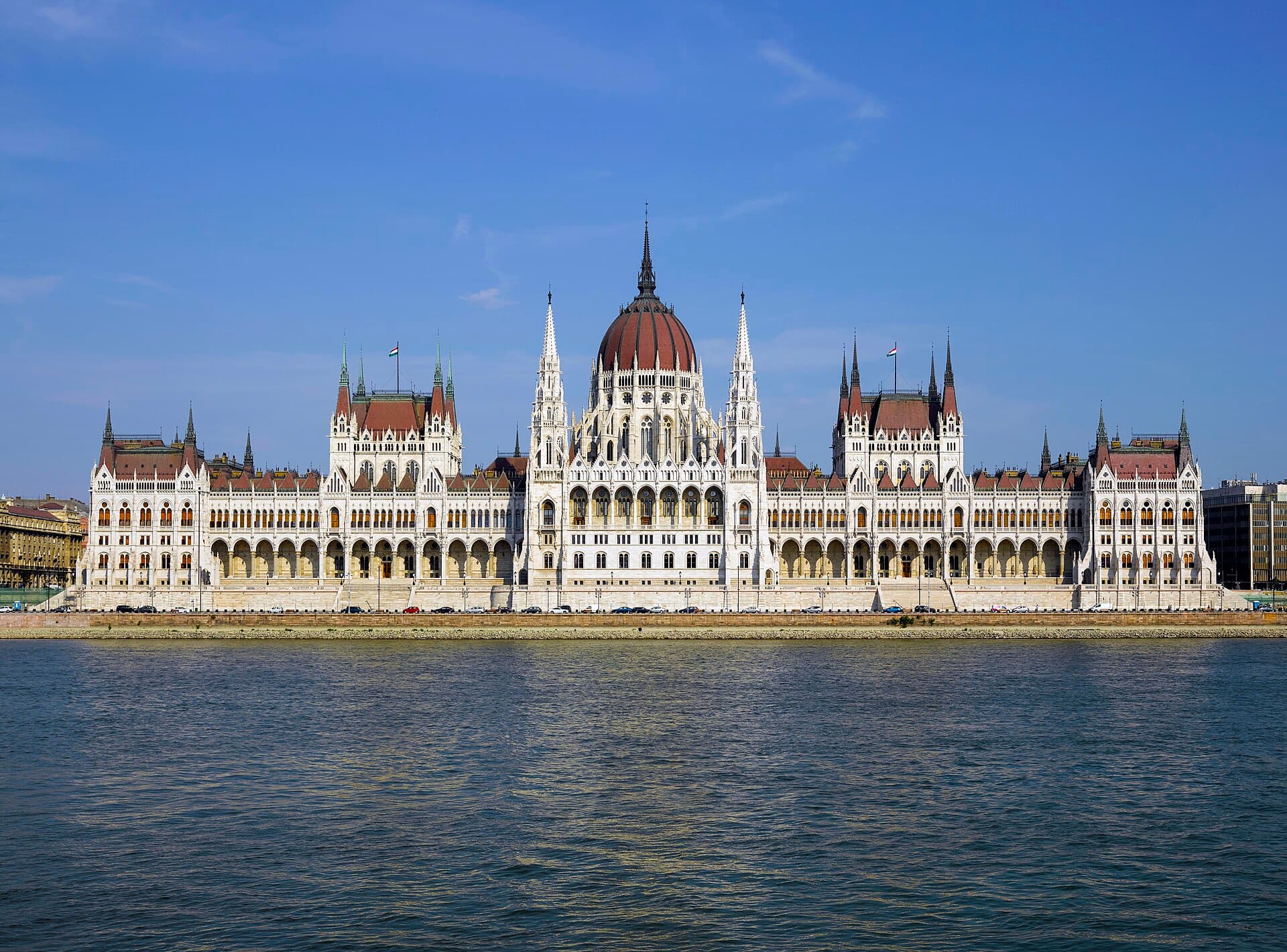 Hungarian Parliament BuildingThe Hungarian Parliament is the largest building in the country and the most fam2 minutes walk4.7
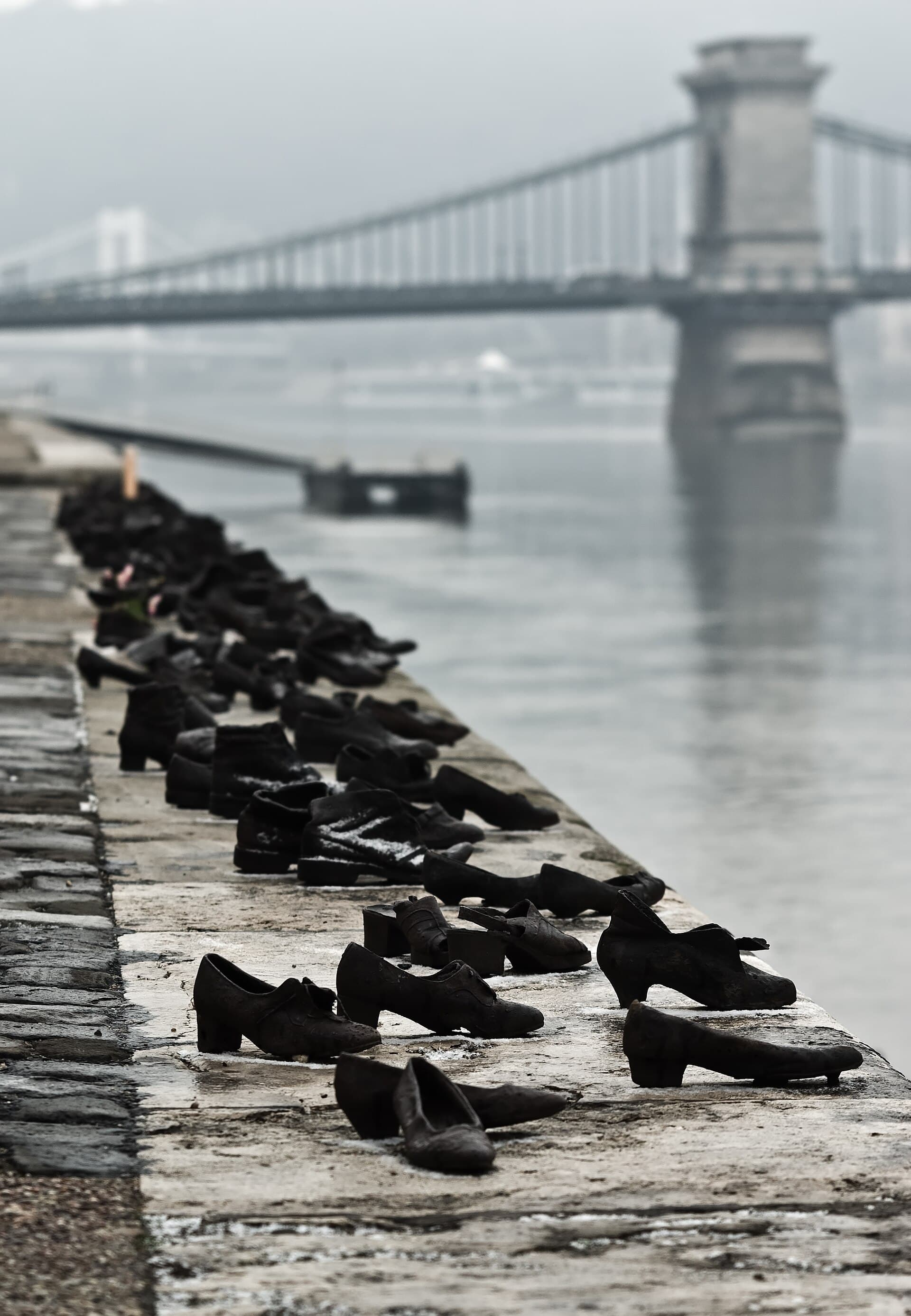 Shoes on the Danube BankOn a stone embankment on the Danube, a little south of the Parliament, sixty pai5 minutes walk4.6
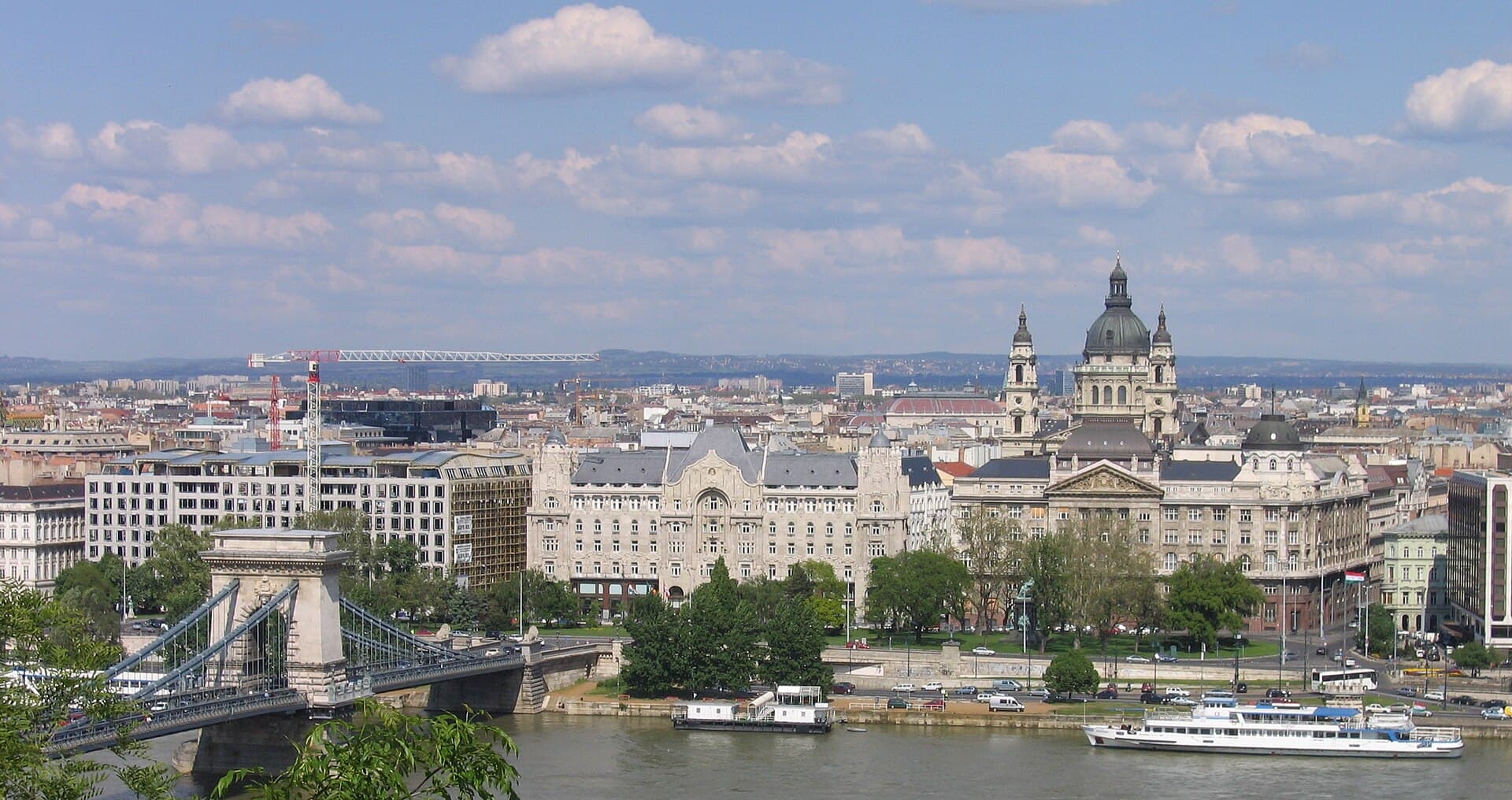 Széchenyi István SquareSzéchenyi István Square is the open space at the Pest end of the Chain Bridge, t10 minutes walk4.4
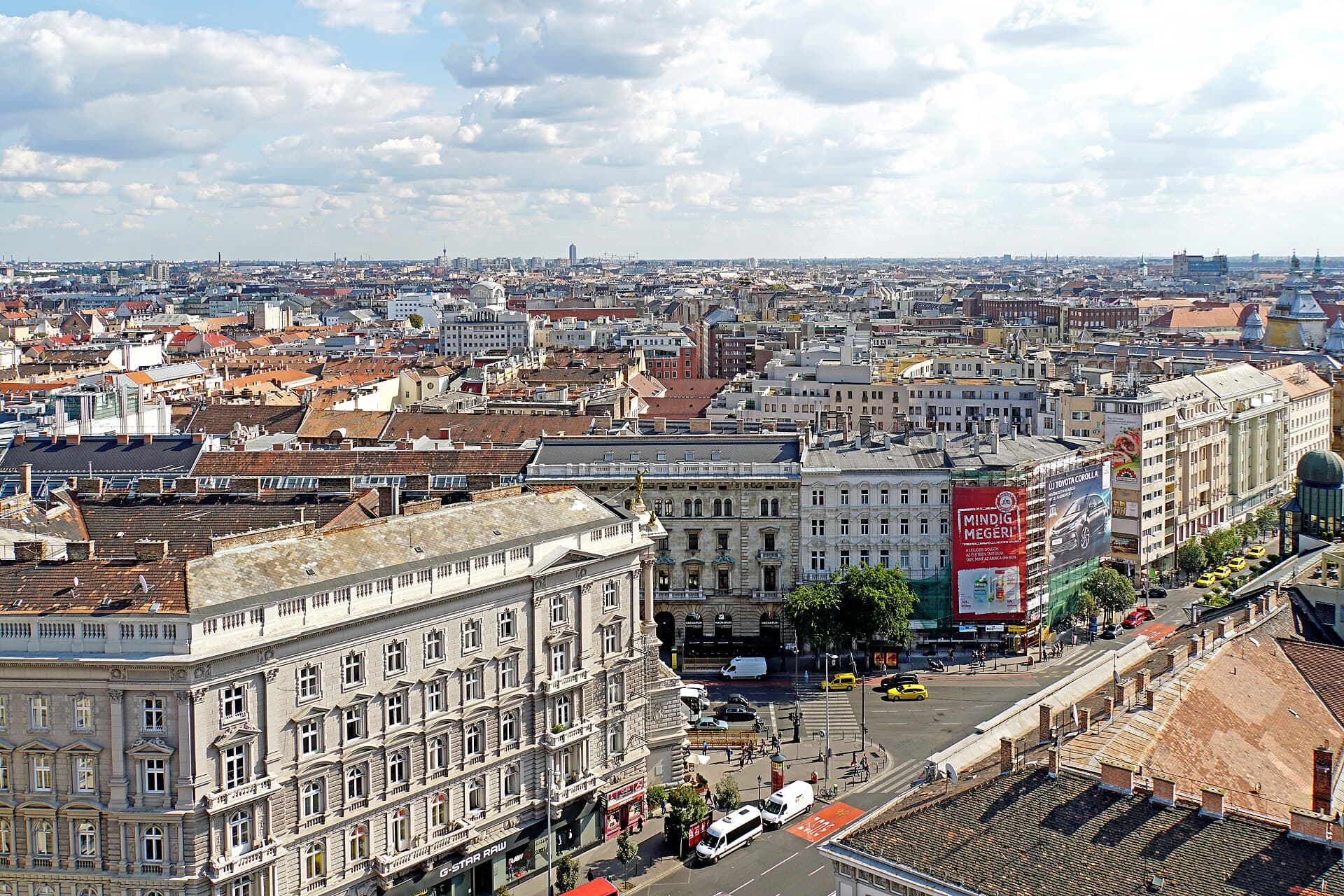 St. Stephen's BasilicaSt Stephen's Basilica is the largest church in Budapest and the most recognisabl11 minutes walk4.6
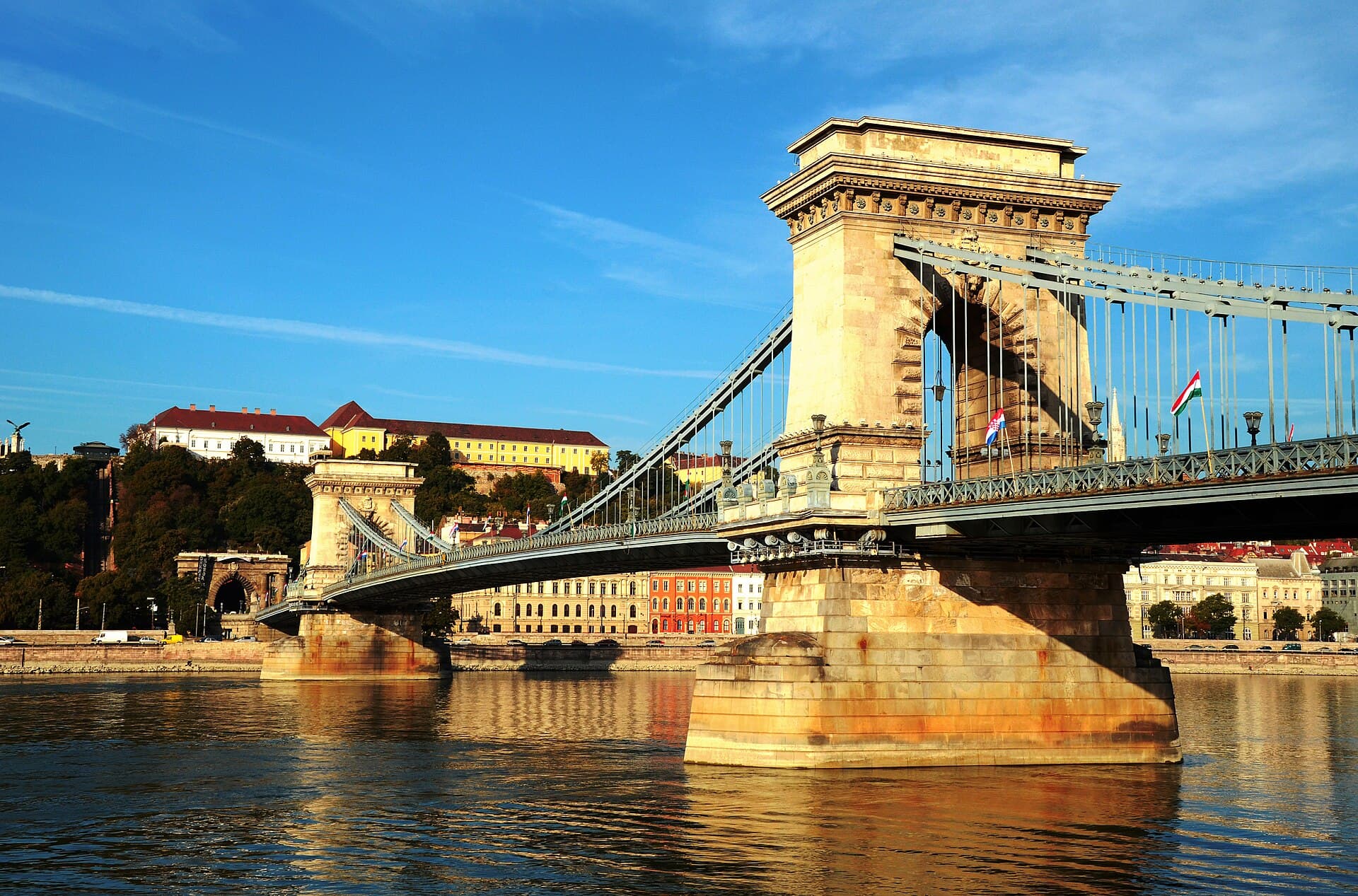 Széchenyi Chain BridgeThe Chain Bridge was the first permanent crossing of the Danube in Budapest, and12 minutes walk4.8
On 25 October 1956, during the Hungarian revolution against communist rule, an unarmed crowd gathered in the square and security forces opened fire from the surrounding rooftops. Dozens were killed — the figures are still disputed. The underground museum documents the day, and the bullet damage on the façades was deliberately left.
If 1956 interests you, yes — it is small and needs no more than half an hour, and it makes the square above read entirely differently. If time is short, the square itself and the bullet marks are enough.
Early morning for the Parliament façade in soft light and without crowds, or after dark when the building is fully lit. Avoid midday: the sun is behind the building and the façade comes out dark.
The Shoes on the Danube Bank are five minutes south along the embankment, the Museum of Ethnography is on the square itself, and the Parliament tour if you have booked it. The three make a connected half day.