
The Gresham Palace
An Art Nouveau masterpiece of 1906 with a peacock-shaped iron gate and stained glass — step into the lobby to look.
Andrew Bossi — CC BY-SA 2.5 · FOTO:Fortepan — ID 2047: Adományozó/Donor: Unknown. archive copy at the Wayback Machine — Public domain · FOTO:Fortepan — ID 55539: Adományozó/Donor: Magyar Bálint. — CC BY-SA 3.0 · György Klösz — Public domain
Széchenyi István Square is the open space at the Pest end of the Chain Bridge, the meeting point of river and city: the bridge begins here, and two of Budapest's most important 19th-century buildings stand on it. The first is the Hungarian Academy of Sciences, whose founding story is among the best known in Hungarian history: at a session of parliament in 1825, Count István Széchenyi rose and pledged a full year's income from his estates to found a scientific academy working in Hungarian rather than German — the act generally taken as the beginning of Hungary's "reform era". The neo-Renaissance building has stood on the square since 1865. The second is the Gresham Palace, an Art Nouveau masterpiece of 1906 with an ornamented façade, stained glass and a wrought-iron gate shaped as a peacock, now converted into a hotel. You can step into its lobby to look, and it is among the finest interiors in Pest. The square itself is a small garden of statues, benches and a direct view of the bridge with Castle Hill behind. It is free and always open, and it is the best point from which to begin a walk across to Buda.
An Art Nouveau masterpiece of 1906 with a peacock-shaped iron gate and stained glass — step into the lobby to look.
A neo-Renaissance building founded on Széchenyi's pledge of a full year's income — the start of Hungary's reform era.
The bridge in front with Castle Hill behind — the clearest shot combining Budapest's two symbols in one frame.
Ride it at least two stops: it runs beside the Danube facing Castle Hill, on an ordinary ticket.
Széchenyi István tér, at the Pest end of the Chain Bridge, Pest 1051
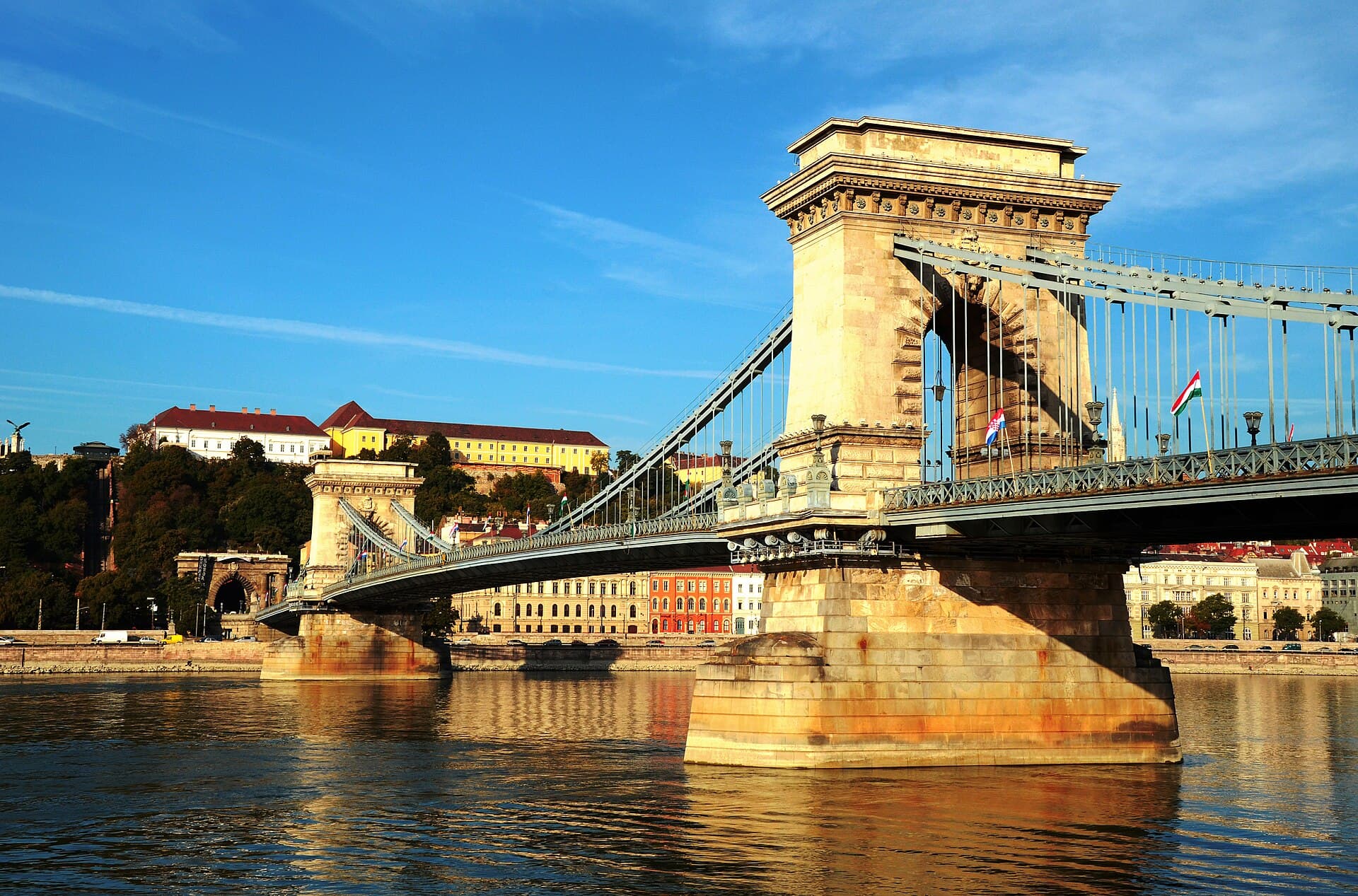 Széchenyi Chain BridgeThe Chain Bridge was the first permanent crossing of the Danube in Budapest, and4 minutes walk4.8
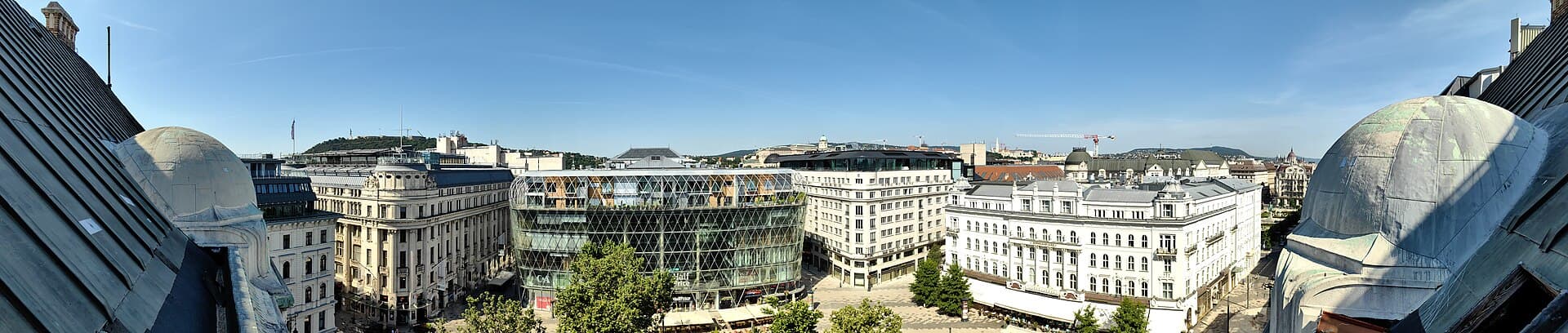 Vörösmarty térVörösmarty Square is the commercial heart of Pest and the meeting point everyone5 minutes walk4.5
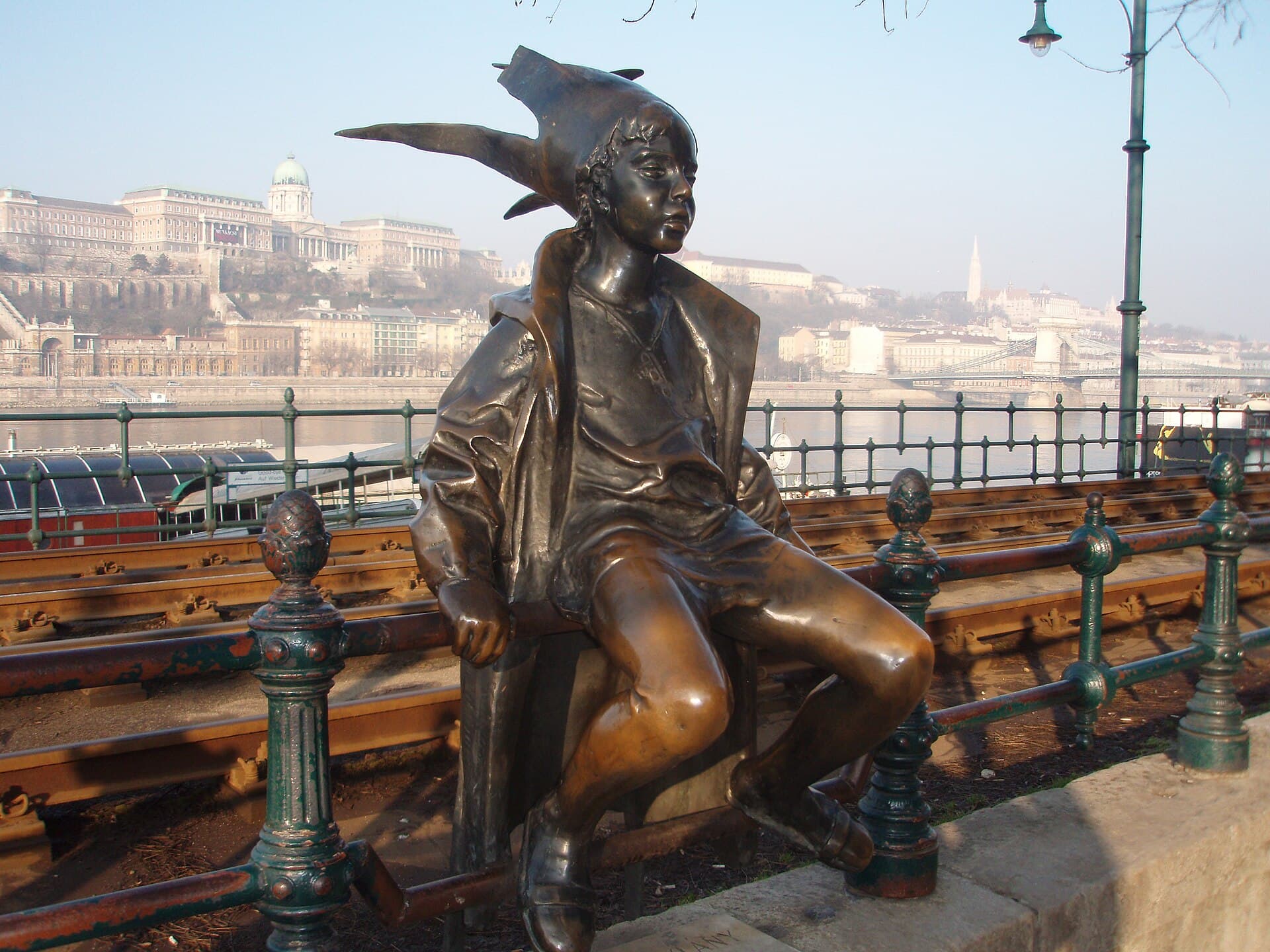 Little Princess StatueThe Little Princess is a small bronze of a girl sitting on the promenade railing5 minutes walk4.5
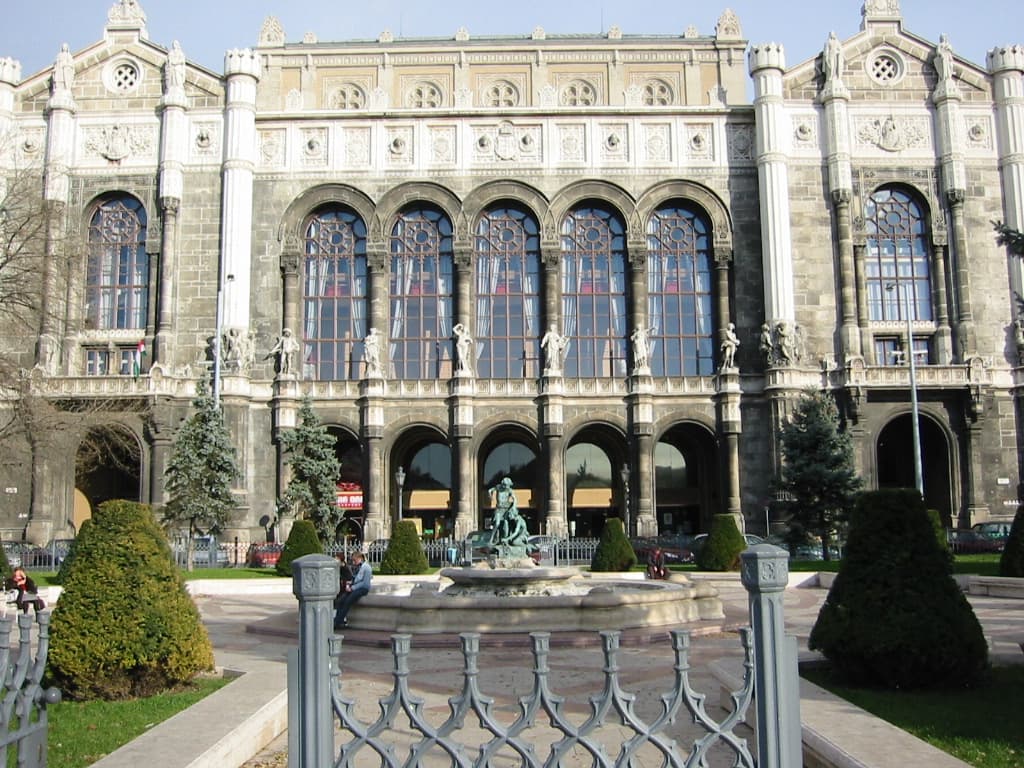 Vigadó SquareA square on the Danube bank on the Pest side, along the Corso — the riverside pr5 minutes walk4.5
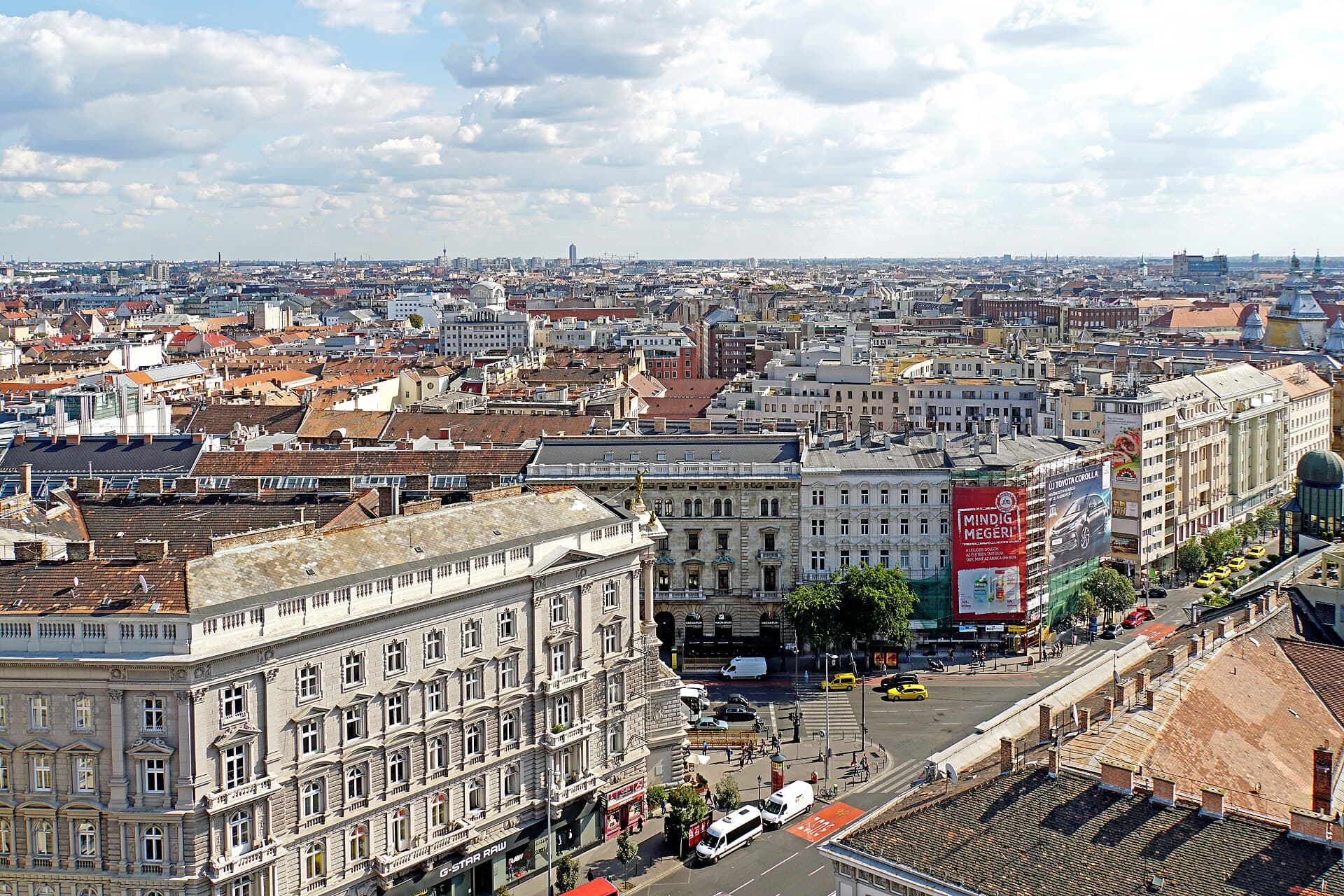 St. Stephen's BasilicaSt Stephen's Basilica is the largest church in Budapest and the most recognisabl6 minutes walk4.6
A 19th-century Hungarian count called "the greatest Hungarian". He funded the Chain Bridge, founded the Academy of Sciences and drove the modernisation of river transport and railways. His name is on the bridge, the square and the baths — he is present in Budapest more than any other figure.
It is a working hotel, but stepping into the lobby to look is generally accepted if you are quiet and respectful. The stained glass, staircase and mosaics repay a few minutes. Do not photograph guests or wander the upper floors.
Not quite — it is a stop on a route. But it is the natural place to begin the Chain Bridge crossing, and its Art Nouveau building repays a pause. Twenty minutes is enough.
St Stephen's Basilica (seven minutes east), then this square, then across the Chain Bridge, then the funicular up to Buda Castle — a connected and logical half-day route.