Schloss Pillnitz
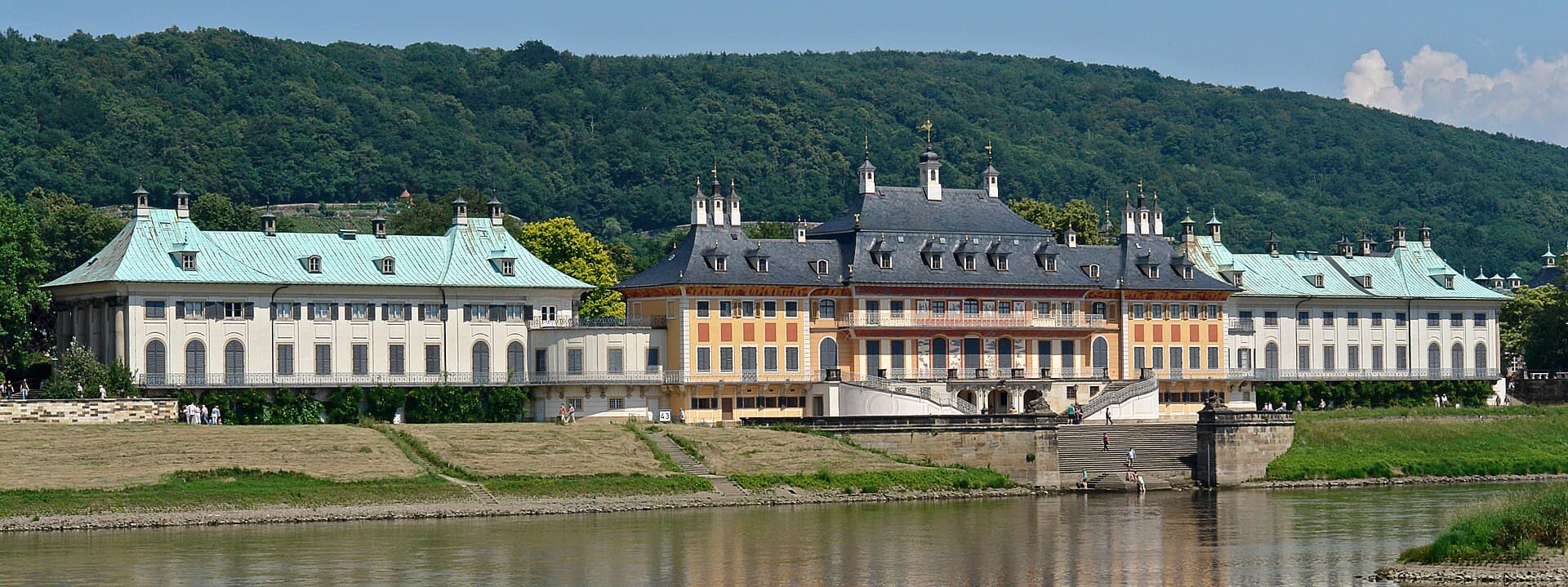
Chinese-style upturned roofs from the eighteenth century.
Museumsfotograf — CC BY-SA 4.0 · Dgarte — CC BY-SA 4.0 · KunstgewerbemuseumDresden — CC BY-SA 4.0 · Jacquesverlaeken — CC BY-SA 4.0
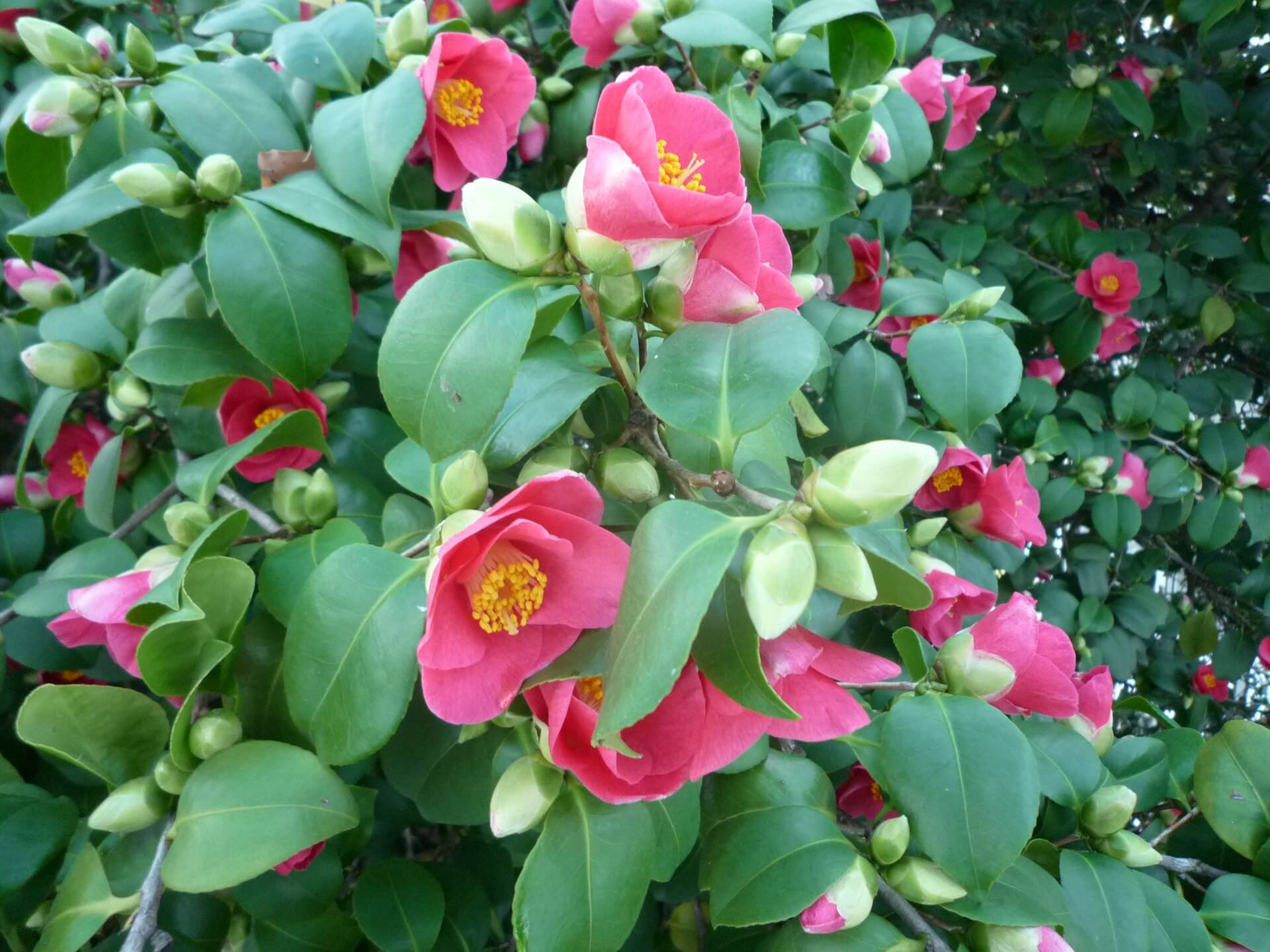
Saxony's museum of applied art was founded in eighteen seventy-six on the model of the arts-and-crafts museums that spread across Europe after the Great Exhibition in London, with the stated aim of improving public taste and lifting the standard of local trades. It now holds some sixty thousand objects, running from baroque furniture, glass, ceramics and textiles through to twentieth-century industrial design, and it belongs to the Dresden State Art Collections. Its home is Schloss Pillnitz on the Elbe east of the city, the summer residence Augustus the Strong had rebuilt in the early seventeen hundreds with upturned roofs in imitation of Chinese architecture. The museum occupies the two wings known as the Bergpalais and the Wasserpalais. Around them lies a large historic park, and in one corner a purpose-built glasshouse shelters a camellia over two hundred and fifty years old that flowers between February and April. The practical point overrides all of that this year: the museum is closed for the whole of twenty twenty-six while the buildings are prepared for structural refurbishment, and no reopening date has been announced. A trip to Pillnitz now means the park and the exteriors, not the collection. Getting there is still a pleasure. Bus sixty-three connects with the tram network, and river boats run up from the Terrassenufer landing in the old town in roughly ninety minutes.
Chinese-style upturned roofs from the eighteenth century.
A movable glasshouse shelters a tree over 250 years old.
August-Boeckstiegel-Strasse 2, 01326 Dresden
Worth it for the park, the palace exteriors and the river, not for the collection. The nicest version is to go up by boat and come back by bus. If applied art is what draws you, wait until the State Art Collections announce a reopening date.