The Chinese style
Upward-curving roofs and oriental painting — an eighteenth-century European fantasy of China.
User:Kolossos — CC BY-SA 3.0 · Bybbisch94, Christian Gebhardt — CC BY-SA 4.0 · Bybbisch94, Christian Gebhardt — CC BY-SA 4.0 · Bybbisch94 — CC BY-SA 4.0
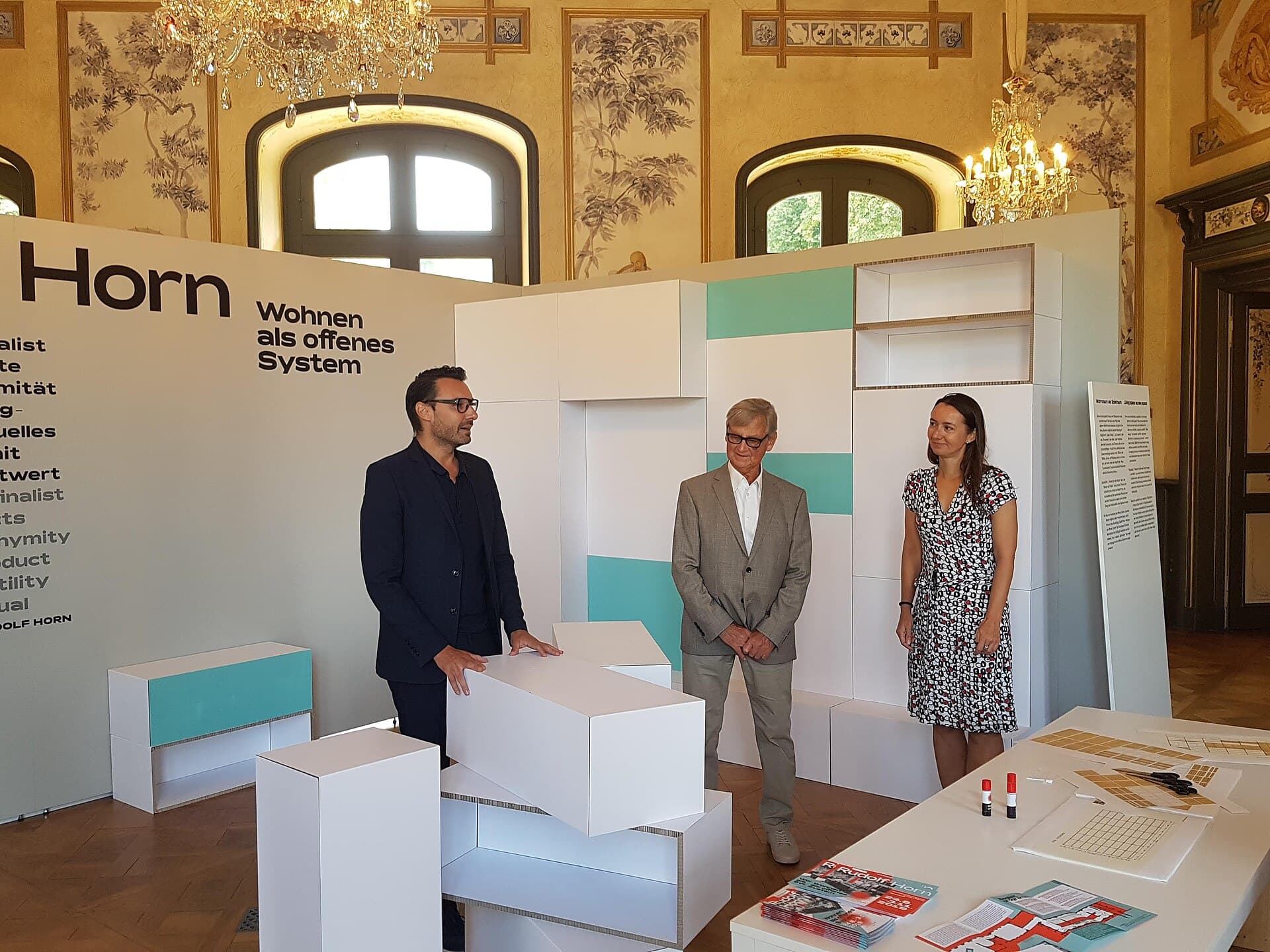
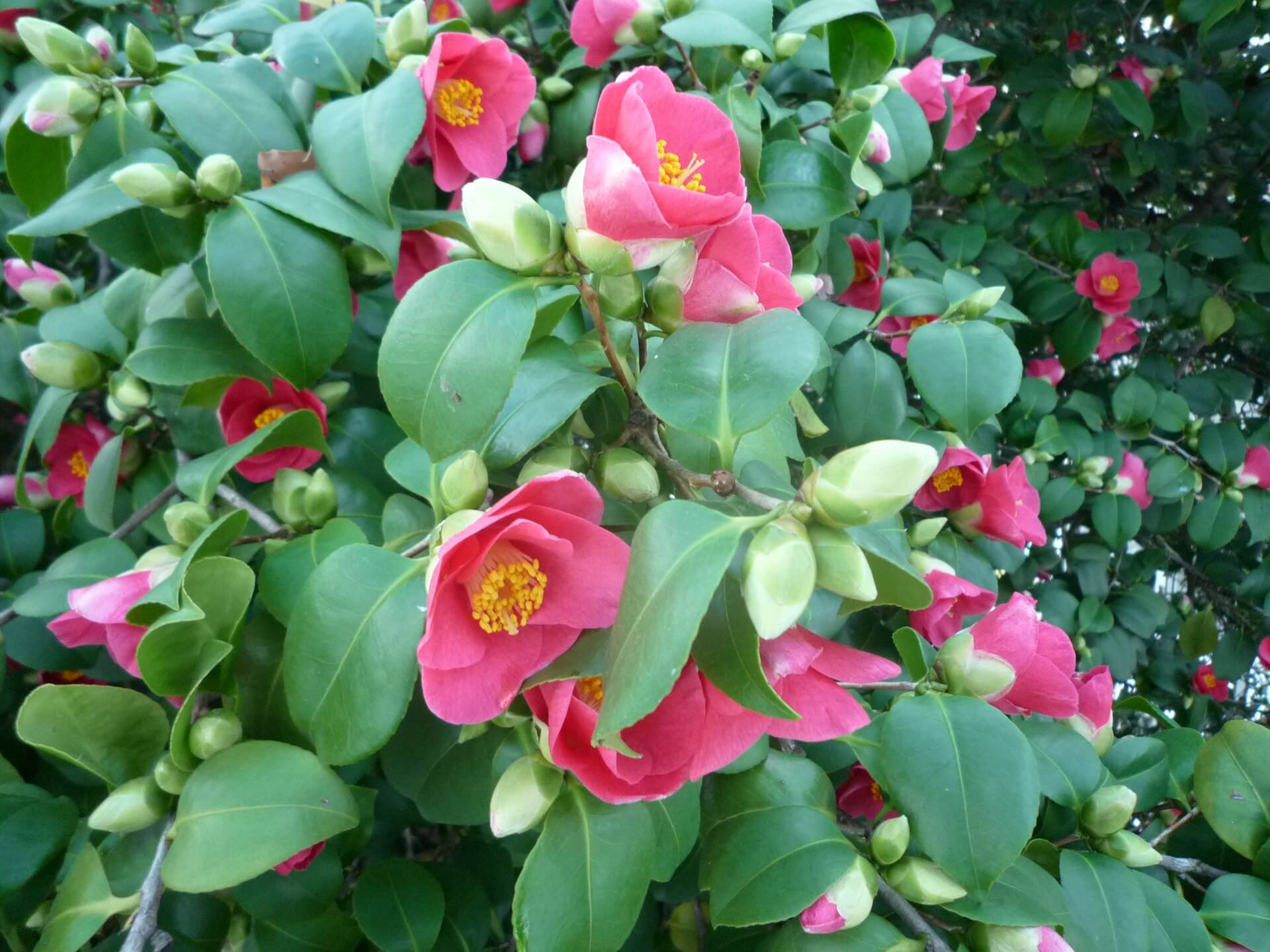
Pillnitz Castle is a complex of summer palaces on the Elbe outside Dresden, built by Augustus the Strong in the eighteenth century. What sets it apart is architecture inspired by Chinese art as Europeans then imagined it: roofs curving upward and oriental painting on the walls. The palace is three buildings around a large garden, and the garden is the finest thing about it: formal planting, rare trees, and a glasshouse holding a camellia more than two hundred years old, covered each winter by a house that rolls over it. Reaching it by river steamer from Dresden is a pleasure in itself.
Upward-curving roofs and oriental painting — an eighteenth-century European fantasy of China.
A tree more than two hundred years old, covered each winter by a rolling glasshouse and flowering in spring.
Wide grounds with rare trees and formal planting on the riverbank.
Arriving by historic paddle steamer up the Elbe from Dresden — the journey itself is a pleasure.
August-Böckstiegel-Straße 2, 01326 Dresden
The loveliest way is the paddle steamer from Dresden, about an hour and a half upriver, though it is slow and costs more. Faster is a bus or tram from the city, roughly forty minutes. Many people go by boat and come back by bus.
Spring and summer, since the garden is the point of the visit. The camellia flowers in spring and is its most famous feature. In winter the garden is bare and most of the museums closed.
Not necessarily. Many visitors buy the garden-only ticket and spend their time there, and it costs less. The museums inside the palaces show decorative arts and the palace's history, which appeals to those specifically interested.