
The Giacometti hall
The world's richest crowd of his thin bronzes — the Swiss valley's son.
Roland zh — CC BY-SA 3.0 · Jean Housen — CC BY-SA 4.0 · Mike is Michi — CC BY-SA 4.0 · Ralf Steinberger from Milan, Berlin + Munich, Italy + Germany — CC BY 2.0
The Kunsthaus is Switzerland's largest art museum: the historic building and Chipperfield's new marble extension (2021) face each other across the square, linked underground, holding between them a century and a half of Europe's masterworks. Its strengths are sharp: the largest Munch collection outside Norway; the world's richest Giacometti hall — a native son — of his slender bronzes; Impressionist rooms from Monet to Van Gogh; and a Dada floor, the movement born in Zurich itself nearby. The newly housed Bührle collection adds Cézanne and Renoir with its wartime provenance debate courageously displayed. For art lovers, Switzerland's first pole; for the time-pressed, an hour's highlights by the free map serves — and Wednesdays open the permanent collection free entirely.
The world's richest crowd of his thin bronzes — the Swiss valley's son.
The anxious Norwegian's largest holding outside his country.
The movement that detonated art was born in Zurich — its papers here.
Heimplatz 1, 8001 Zurich
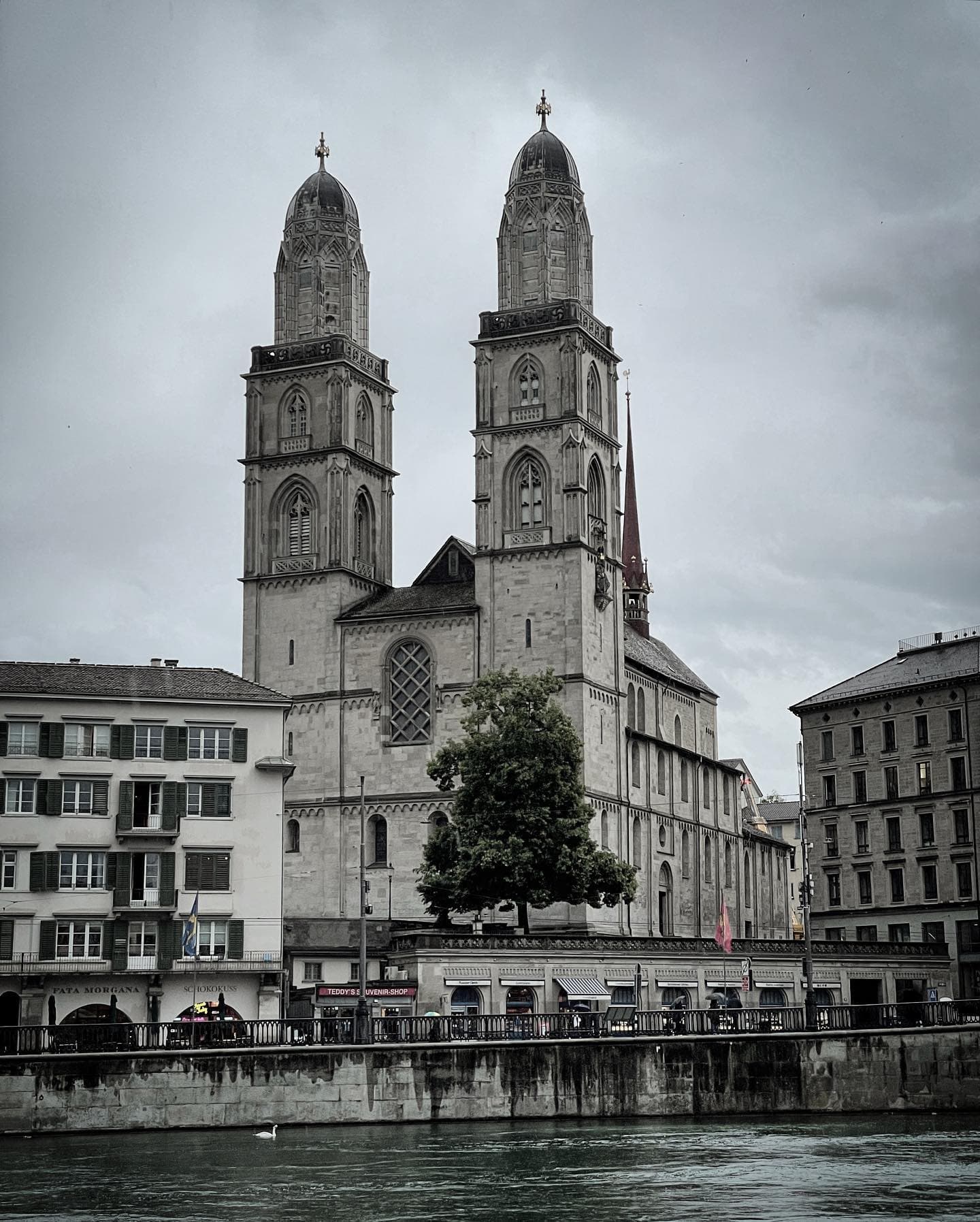 GrossmünsterThe Grossmünster's twin domed towers sign every Zurich skyline — a twelfth-centu4 minutes walk4.4
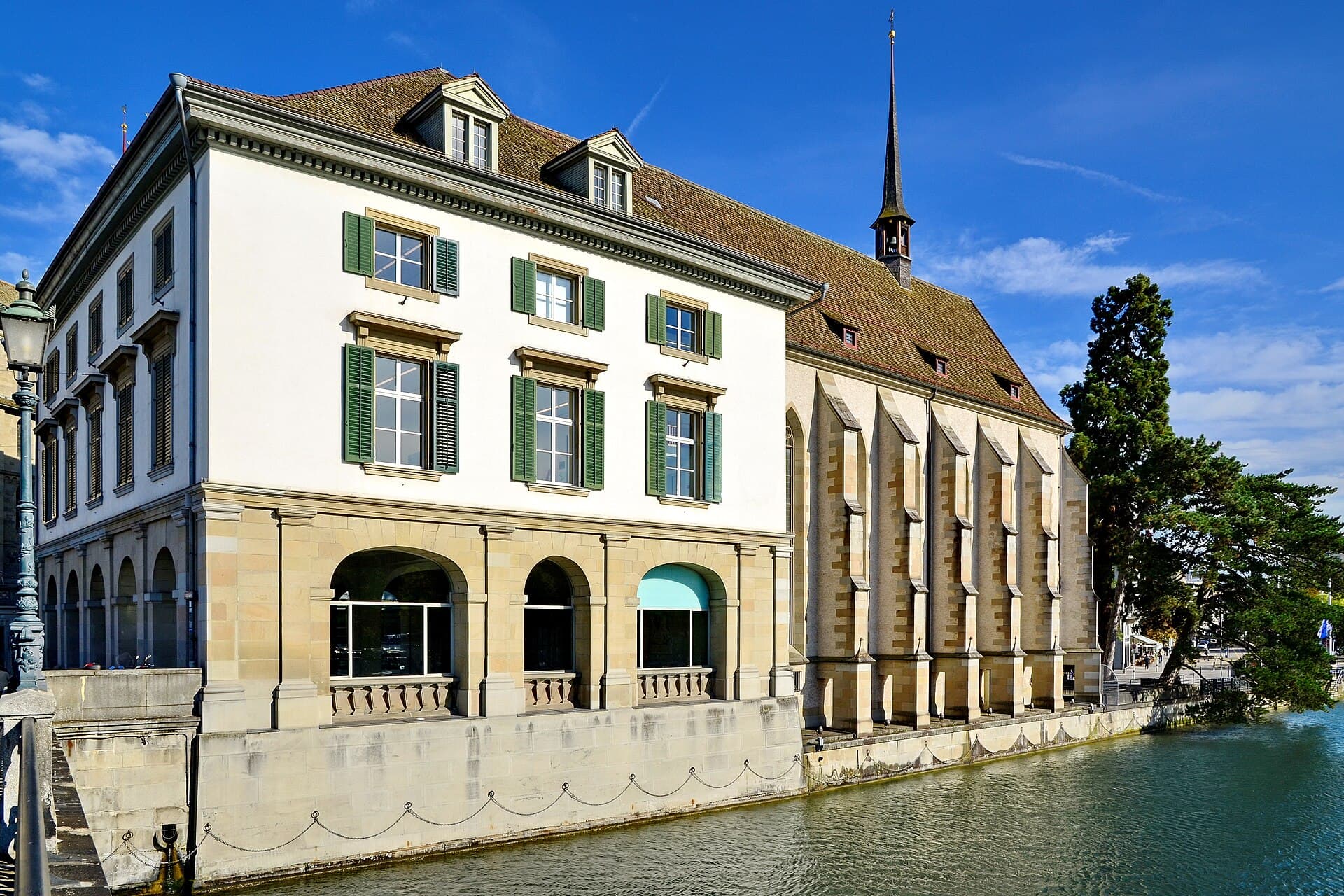 Wasserkirche (Water Church)A small late-Gothic church on the bank of the Limmat between the Grossmünster an5 minutes walk4.5
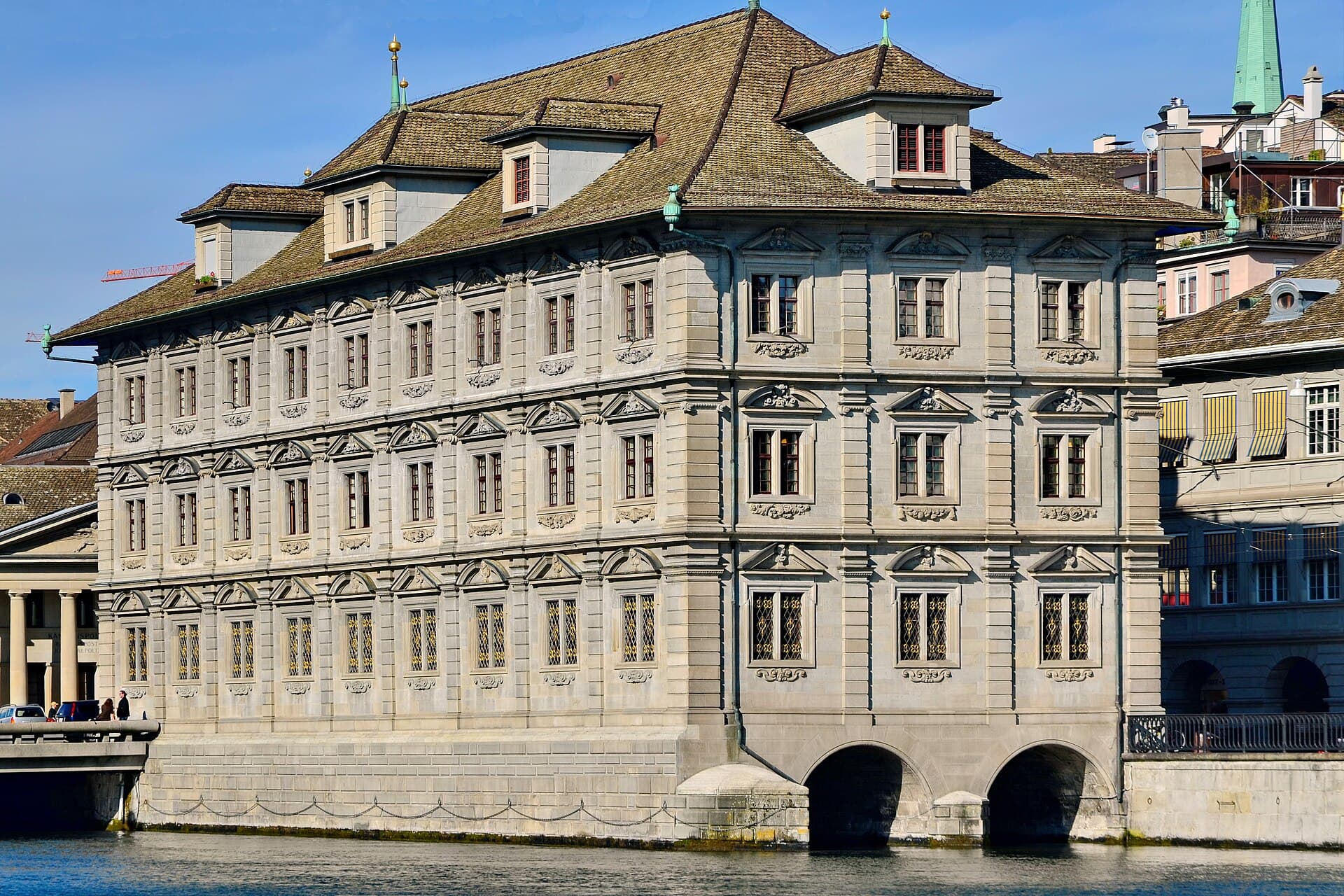 Zurich Town Hall (Rathaus)The Rathaus is a restrained baroque building put up between **1694 and 1698** in5 minutes walk4.5
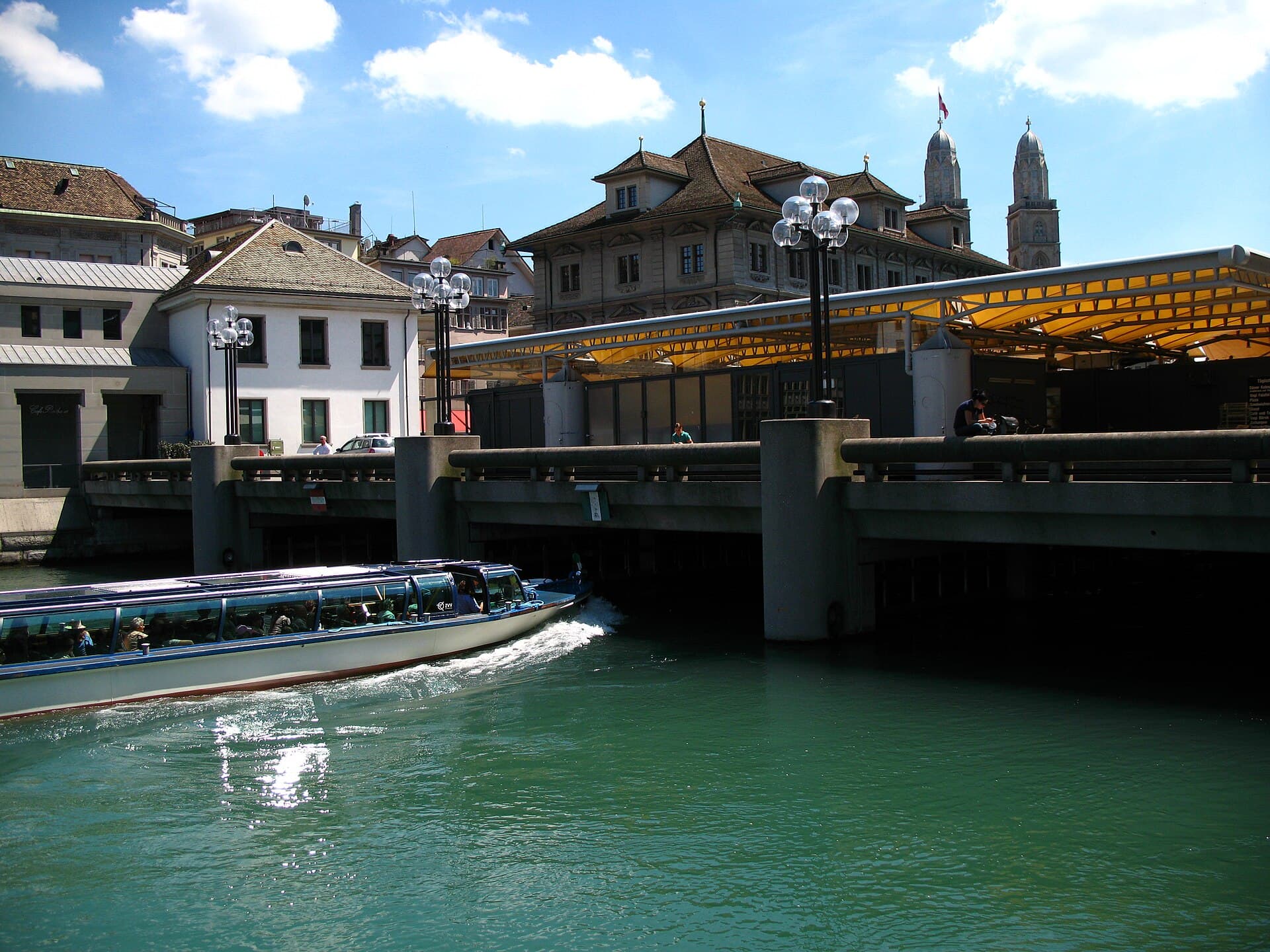 Rathausbrücke (the Vegetable Bridge)A short, unusually wide bridge over the Limmat between Zurich's town hall and th6 minutes walk4.8
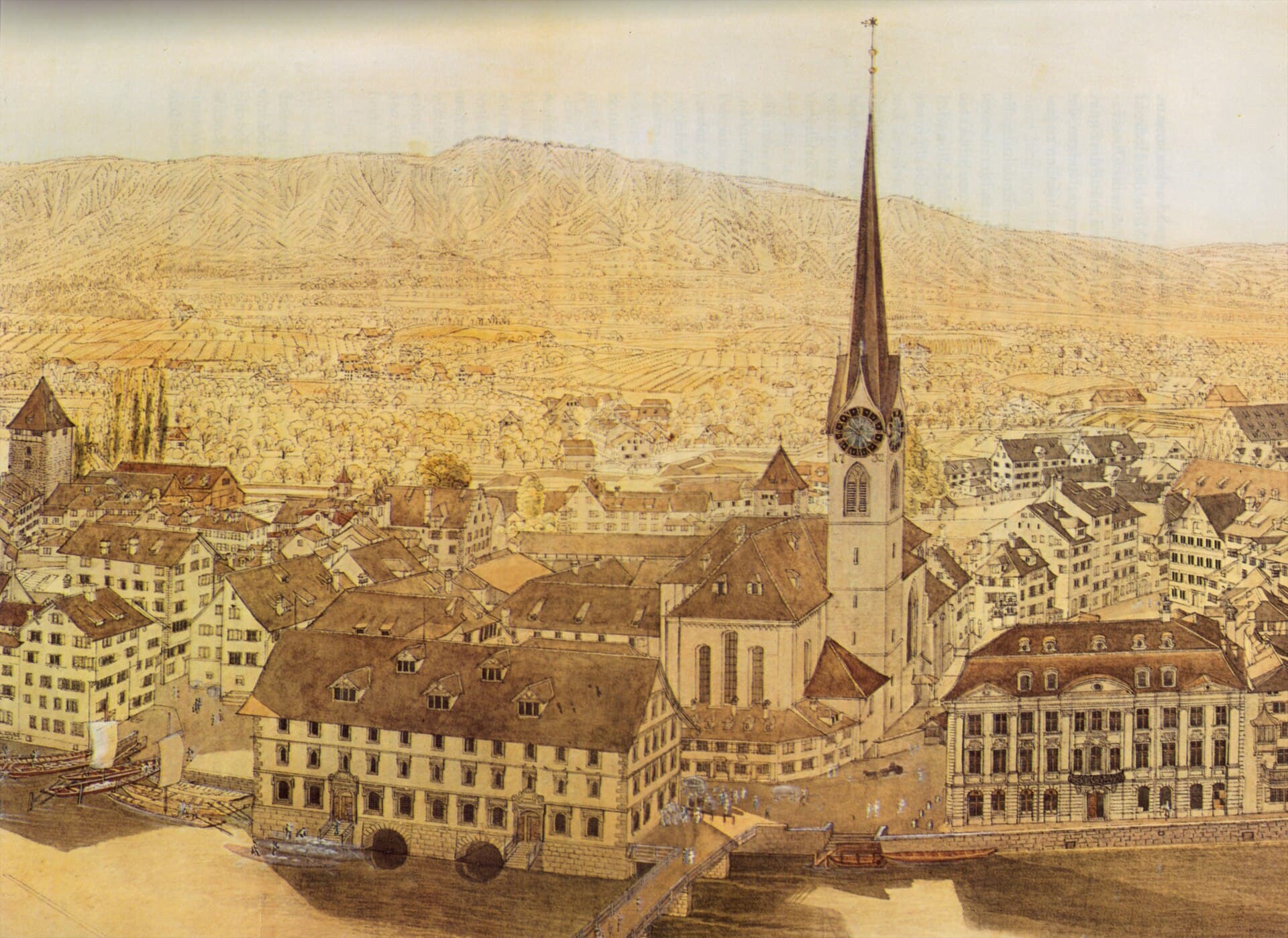 FraumünsterIts slim green spire is one of the best-known shapes on Zurich's skyline, but it7 minutes walk4.6
In the Cabaret Voltaire on nearby Spiegelgasse, refugees from Europe's insane war gathered in 1916 and declared an art mocking every reason that produced it — Dada, mother of Surrealism and the conceptual all. The cabaret still opens near-free; the Kunsthaus keeps the legacy — a unique Zurich pairing.
Emil Bührle sold arms to all the World War's sides and bought masterpieces with the price — some from the persecuted selling under duress. Their 2021 housing ignited a national money-and-art reckoning, and the museum chose full-context display over concealment — a hall whose paintings and history-panels are read together.
The highlights map from the desk: Giacometti, Munch, the two Impressionist rooms, closing at Segantini's vast Alpine canvas. The new wing holds Bührle and the contemporary — add it if the hour stretches to two.