
The facade work
The artwork that gave the institution its new name.
Fred Romero from Paris, France — CC BY 2.0 · Fred Romero from Paris, France — CC BY 2.0 · Wikifrits — Public domain · Bob Goedewaagen — CC BY 3.0
Kunstinstituut Melly is a contemporary art space on the Witte de Withstraat in Rotterdam, and the story of its name is the most distinctive thing about it. It was founded in 1990 as Witte de With after the street, and the street itself is named for the seventeenth-century naval admiral Witte Corneliszoon de With. Artists, critics and staff raised a question: this admiral was an officer of the Dutch West India Company and took part in campaigns directly bound up with the transatlantic slave trade. Should an art institute carry his name? The debate ran for years, publicly and sharply, and ended in 2021 with a change of name to Melly — after a work by the artist Ken Lum called Melly Shum Hates Her Job that had hung on the building's facade for years. The programme itself is contemporary art in changing exhibitions, but the institution is now taught as a case in how museums deal with a colonial past embedded in their own names.
The artwork that gave the institution its new name.
Rotterdam's liveliest street of galleries and cafes.
Witte de Withstraat 50, 3012 Rotterdam
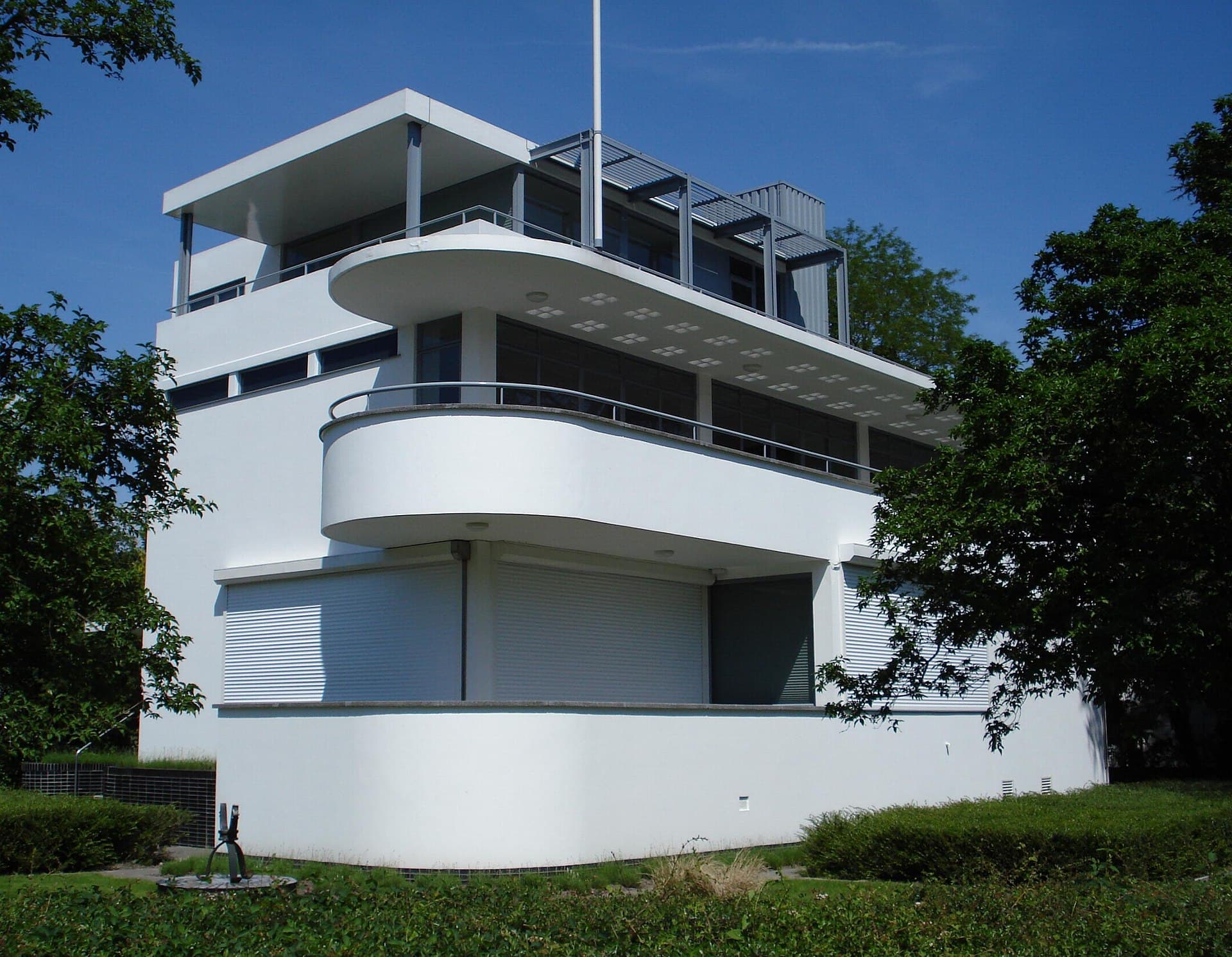 The Chabot MuseumThe Chabot Museum stands in Rotterdam's Museumpark and combines two things each 4 minutes walk4.0
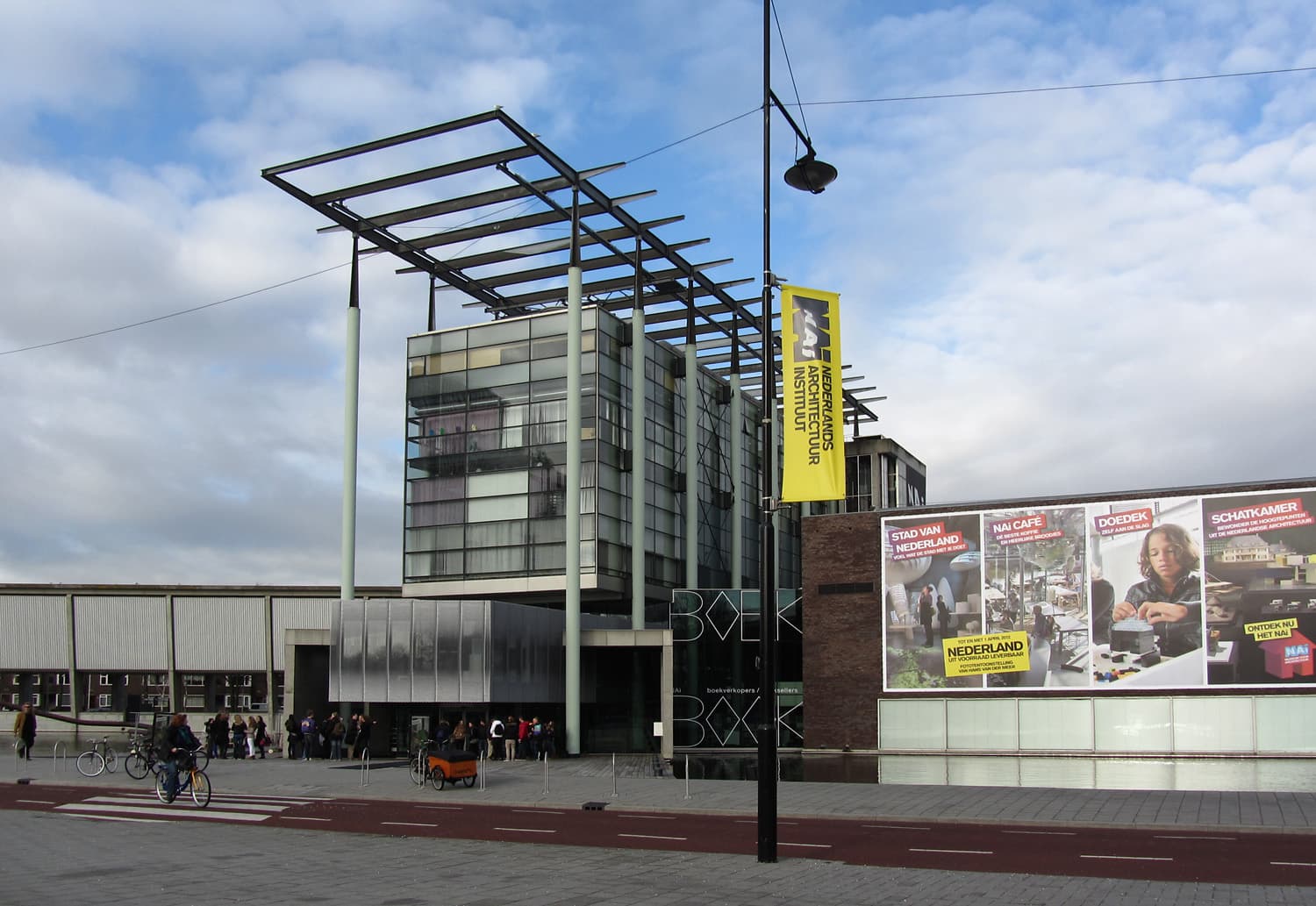 Het Nieuwe InstituutHet Nieuwe Instituut is the national institution for architecture, design and di5 minutes walk3.7
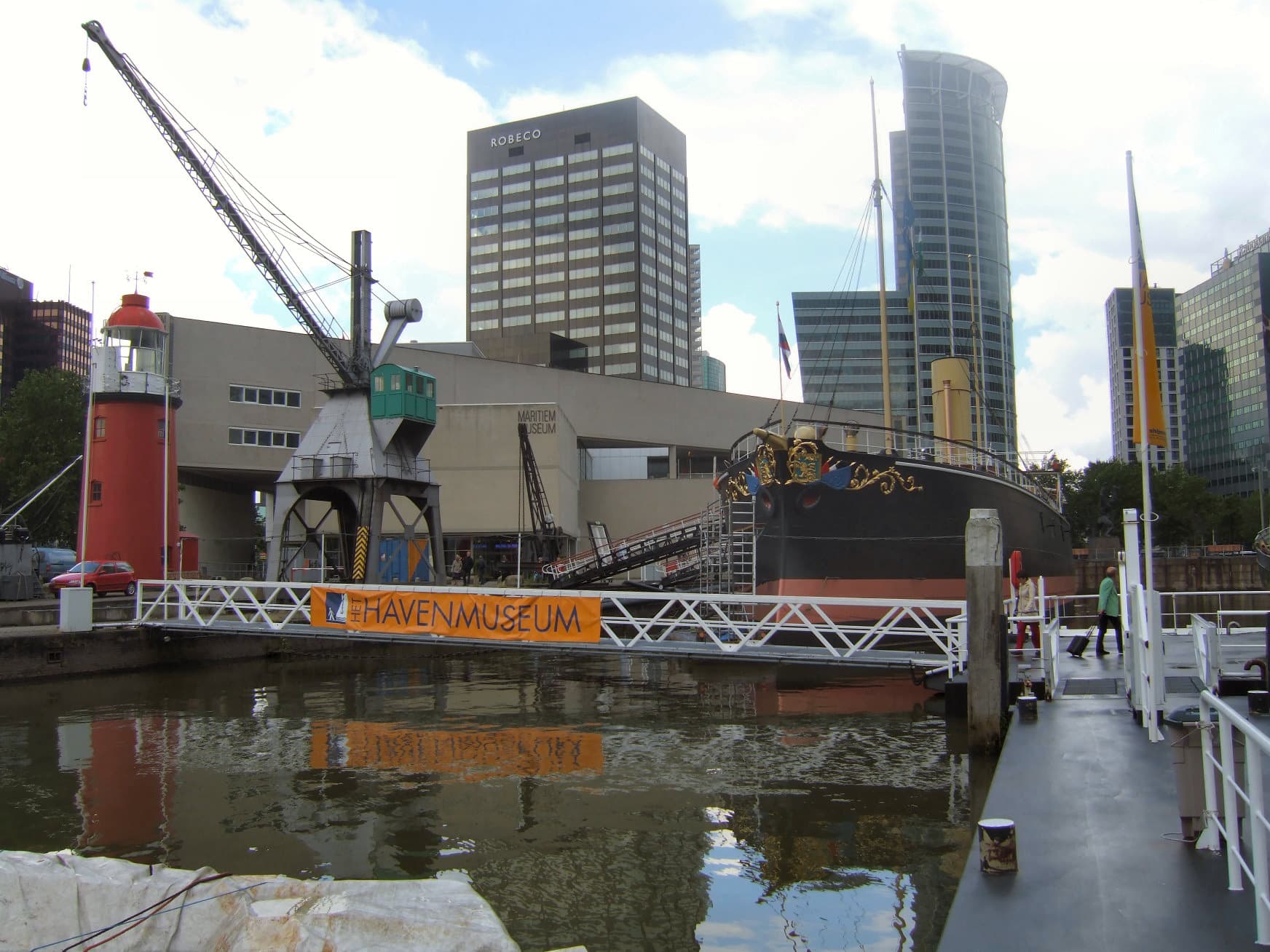 Maritime Museum RotterdamIn the city of Europe's mightiest port the sea deserves two museums in one: mode5 minutes walk4.2
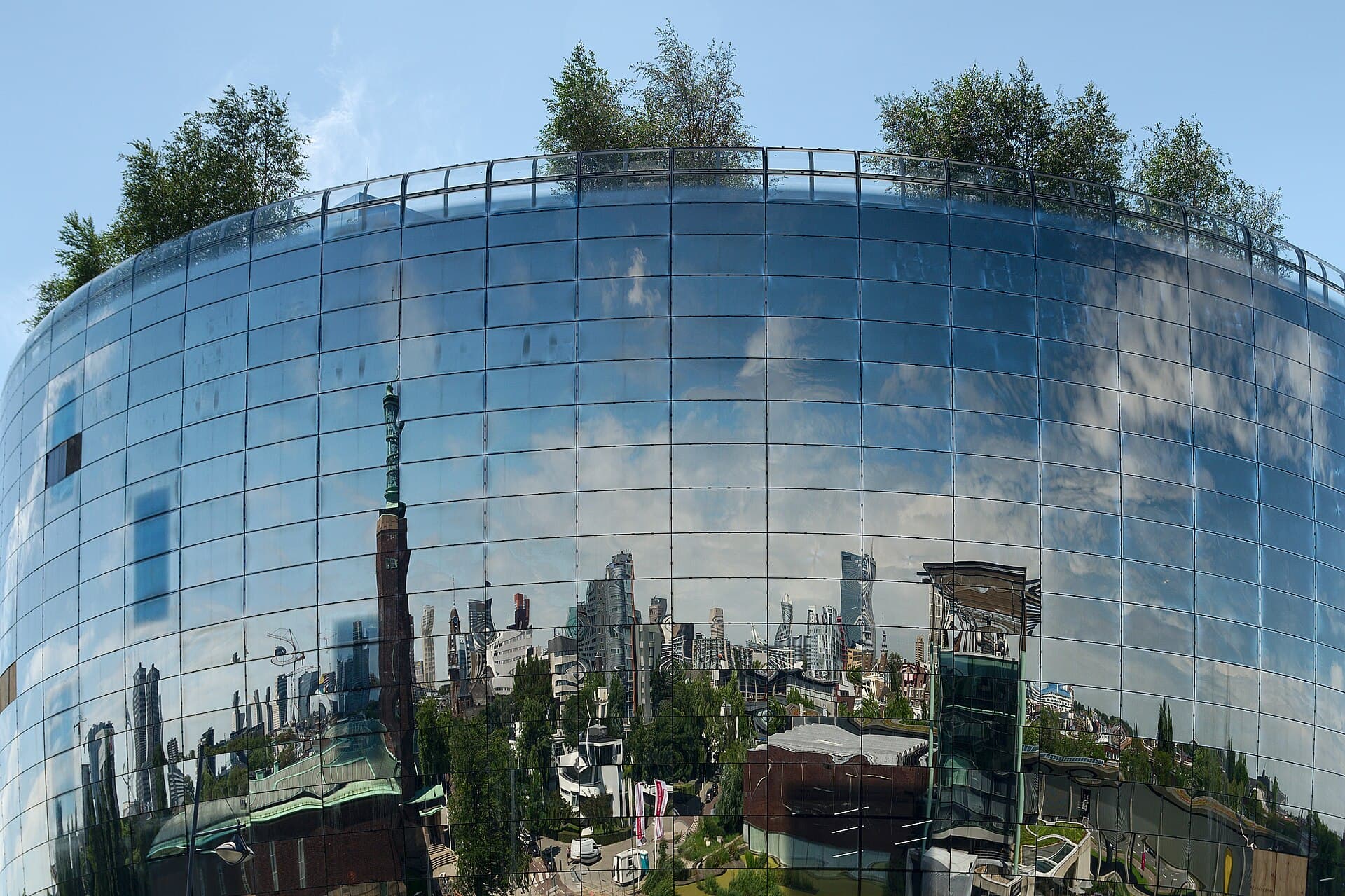 Depot Boijmans Van BeuningenA giant mirror bowl amid the Museumpark — the world's first fully open art depot5 minutes walk4.5
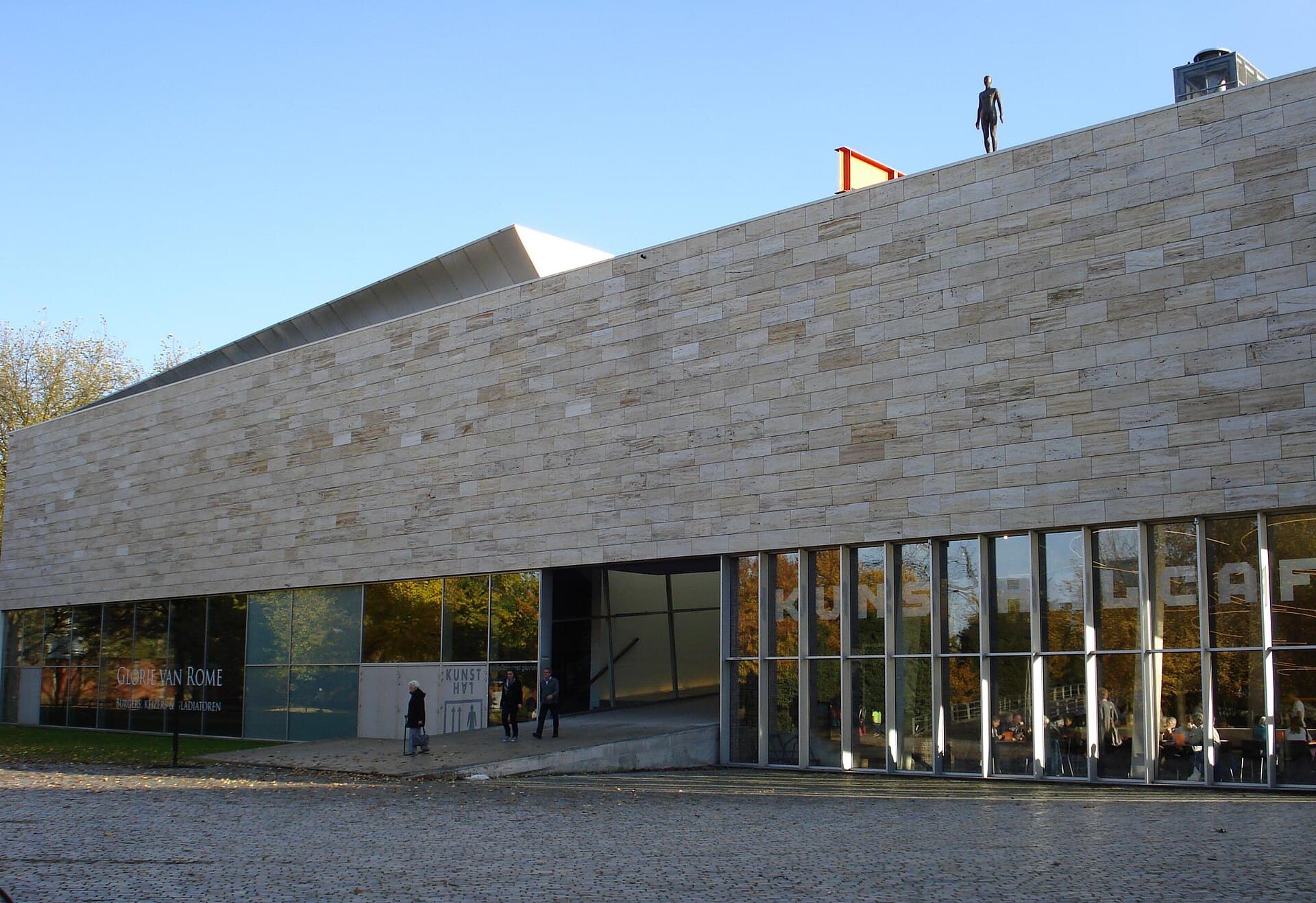 Kunsthal RotterdamA museum without a collection: the Kunsthal (1992) was designed by Rem Koolhaas,7 minutes walk4.5
Because Dutch wealth in the golden age rests partly on the East and West India Companies, and on slavery and colonisation in Indonesia, Suriname and the Caribbean — and the names of those companies' men are spread across streets, buildings and institutions in every city. Public argument about it intensified from 2015, producing name changes, new explanatory labels in museums, and a formal government apology for slavery in 2022.