
The white villa
Pure residential modernism that survived the 1940 bombing.
Wikifrits — Public domain · Fred Romero from Paris, France — CC BY 2.0 · Fred Romero from Paris, France — CC BY 2.0 · Choinowski — CC BY-SA 4.0
The Chabot Museum stands in Rotterdam's Museumpark and combines two things each worth a visit on its own: a white modernist villa of 1938, and the work of an important Dutch expressionist painter little known outside his country. The villa is by the architects Baas and Van der Vlugt — the same office that designed the Van Nelle factory — and is among the purest examples of residential modernism in the Netherlands: white, glass, flat roofs and level gardens, with no ornament whatever. It survived the 1940 bombardment by chance. Hendrik Chabot (1894-1949) was a painter and sculptor from Rotterdam whose work is expressionist in heavy colour and strong form, taking farmers, labourers and scenes of war as its subjects. He hid people wanted by the authorities in his house during the Nazi occupation, and painted works in those years about hunger and hiding. The collection is small and seen in an hour, and the white space around it is half the effect.
Pure residential modernism that survived the 1940 bombing.
Paintings of hunger and hiding made at the time.
Museumpark 11, 3015 Rotterdam
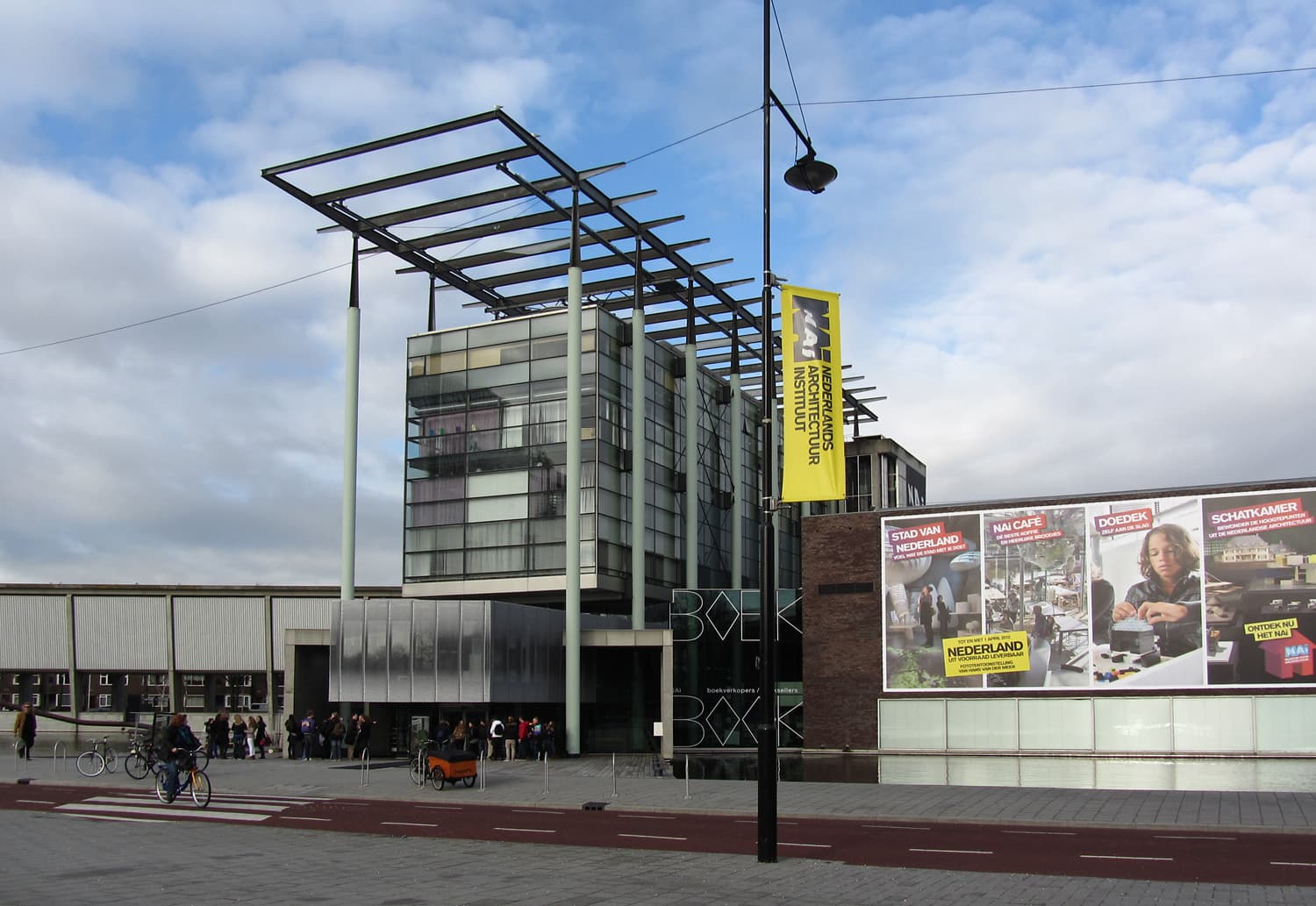 Het Nieuwe InstituutHet Nieuwe Instituut is the national institution for architecture, design and di1 minute walk3.7
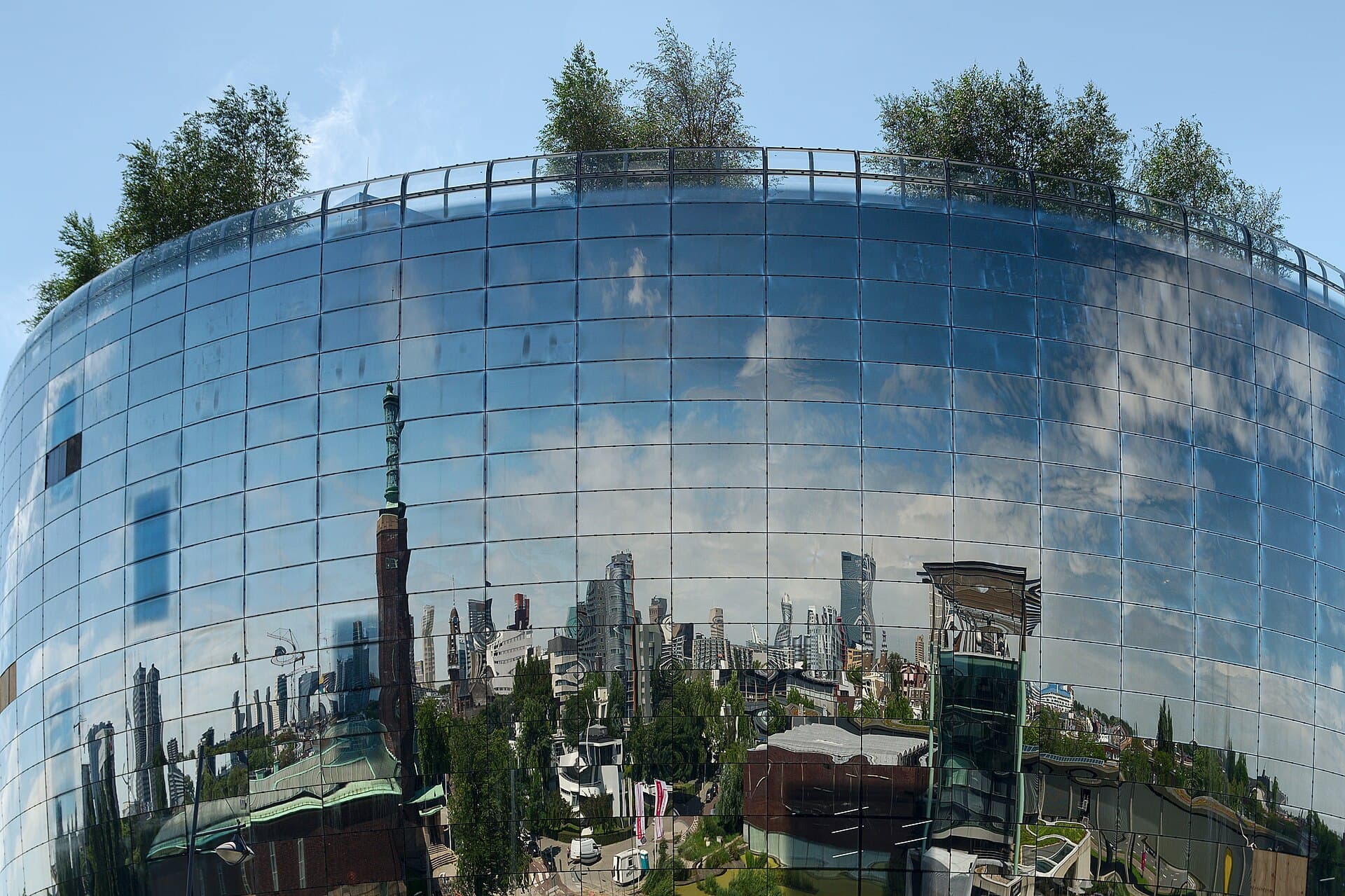 Depot Boijmans Van BeuningenA giant mirror bowl amid the Museumpark — the world's first fully open art depot1 minute walk4.5
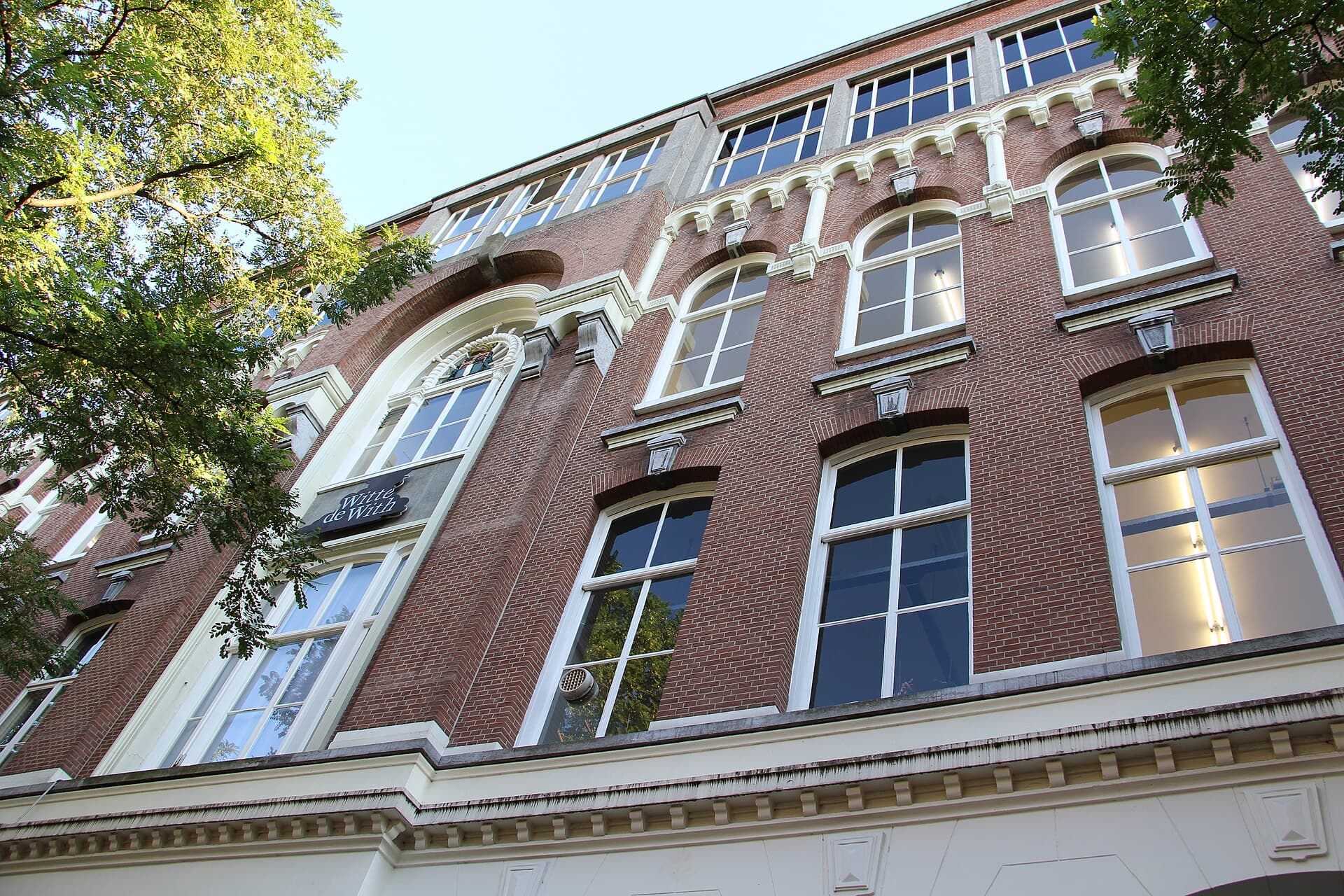 Kunstinstituut MellyKunstinstituut Melly is a contemporary art space on the Witte de Withstraat in R4 minutes walk4.2
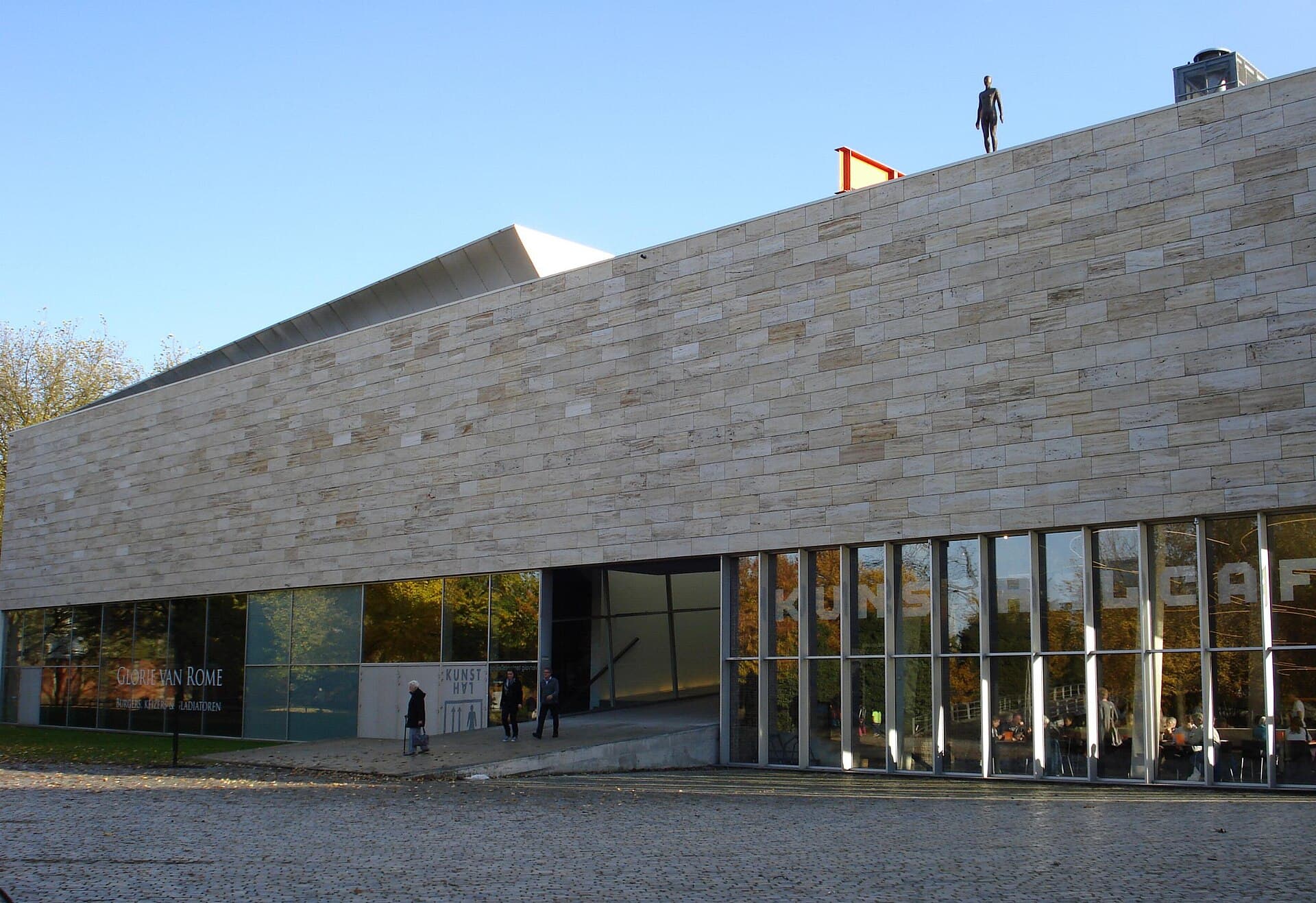 Kunsthal RotterdamA museum without a collection: the Kunsthal (1992) was designed by Rem Koolhaas,5 minutes walk4.5
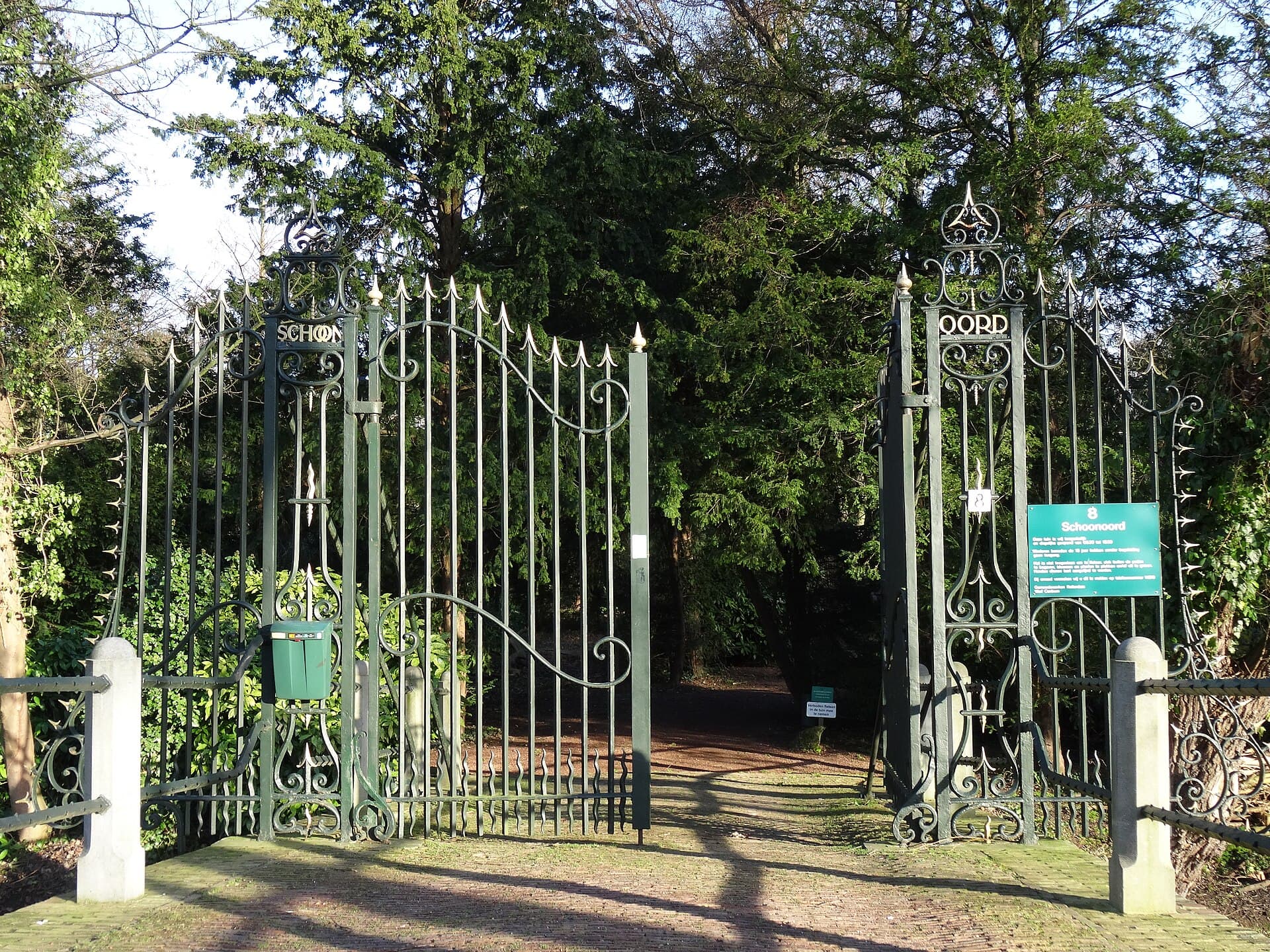 Park SchoonoordA small English landscape-style park beside Het Park in Rotterdam, laid out in t8 minutes walk4.8
Five main ones, minutes apart: the Kunsthal, the Depot Boijmans, Het Nieuwe Instituut, the Chabot and the natural history museum. A full day covers three comfortably with lunch. A suggested order: the Depot Boijmans first, as the most striking and needing a timed booking, then Het Nieuwe Instituut with the Sonneveld House, then the Chabot if time remains, being the smallest.