
Romantic Alpine views
The paintings that made Switzerland's image.
Sputniktilt — CC BY-SA 3.0 · Ymblanter — CC BY-SA 4.0 · WmcRahulSaini — CC BY-SA 3.0 · Photones — CC BY-SA 4.0
A museum inside the culture and convention centre: the Kunstmuseum Luzern occupies the fourth floor of the KKL, designed by the French architect Jean Nouvel in 2000 on the lakeshore — its immense cantilevered metal roof reaching over the square as if floating, central Switzerland's most famous contemporary building. The collection is Swiss art from the sixteenth century to today, strongest in the nineteenth: the Romantic Alpine landscapes of Caspar Wolf and Alexandre Calame that made Switzerland's image in the world, then Swiss modernism and contemporary work. The temporary exhibitions are usually stronger than the permanent display. The galleries themselves take natural light from above with lake and mountain views from their windows — and the place adjoins the central railway station directly, making it the city's easiest museum to reach and its best refuge on a wet day.
The paintings that made Switzerland's image.
Vast metal floating over square and lake.
Europaplatz 1, Lucerne
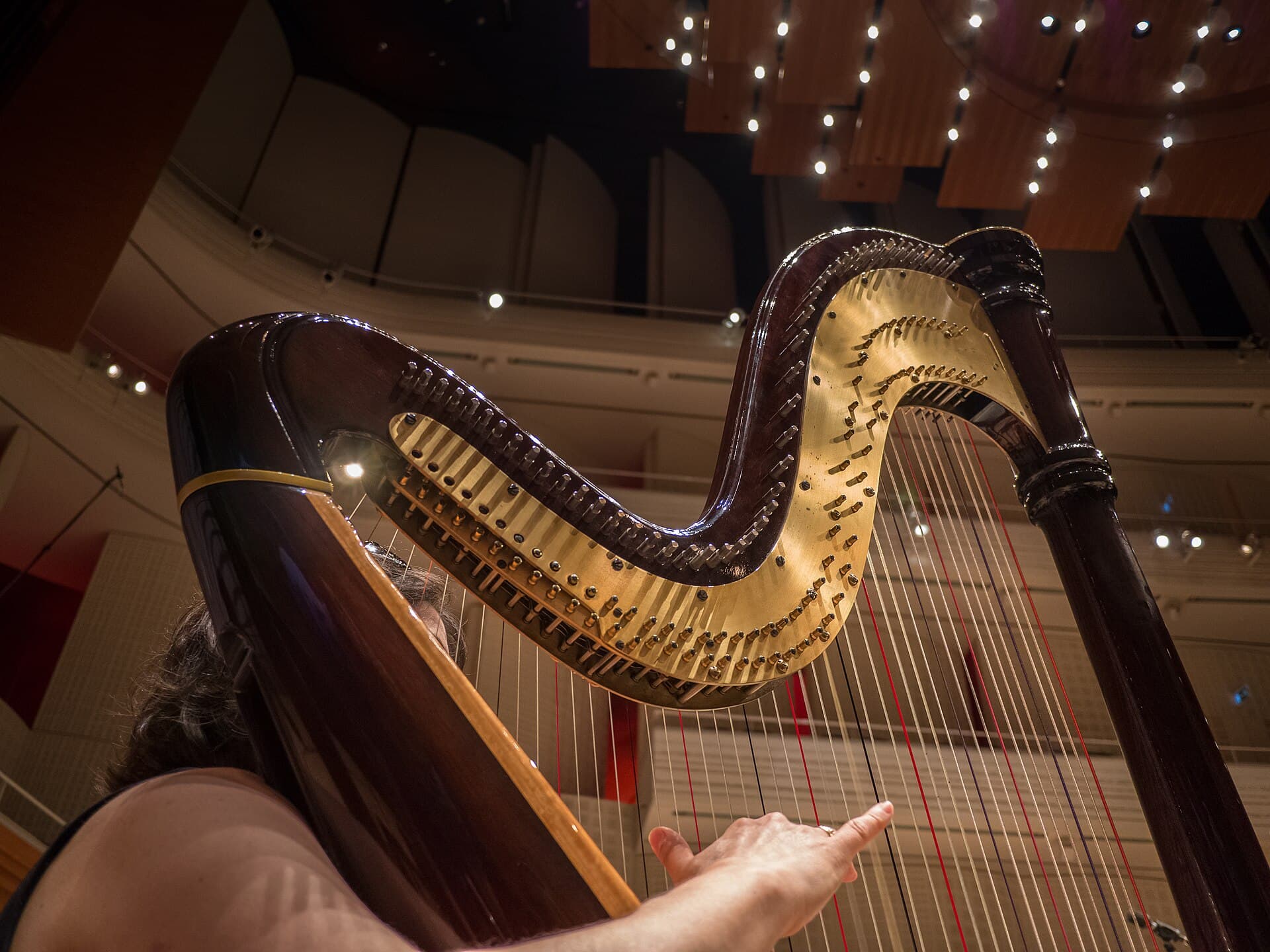 KKL Luzern (Culture and Congress Centre)The **KKL** is the one modern building in Lucerne worth standing in front of for1 minute walk4.5
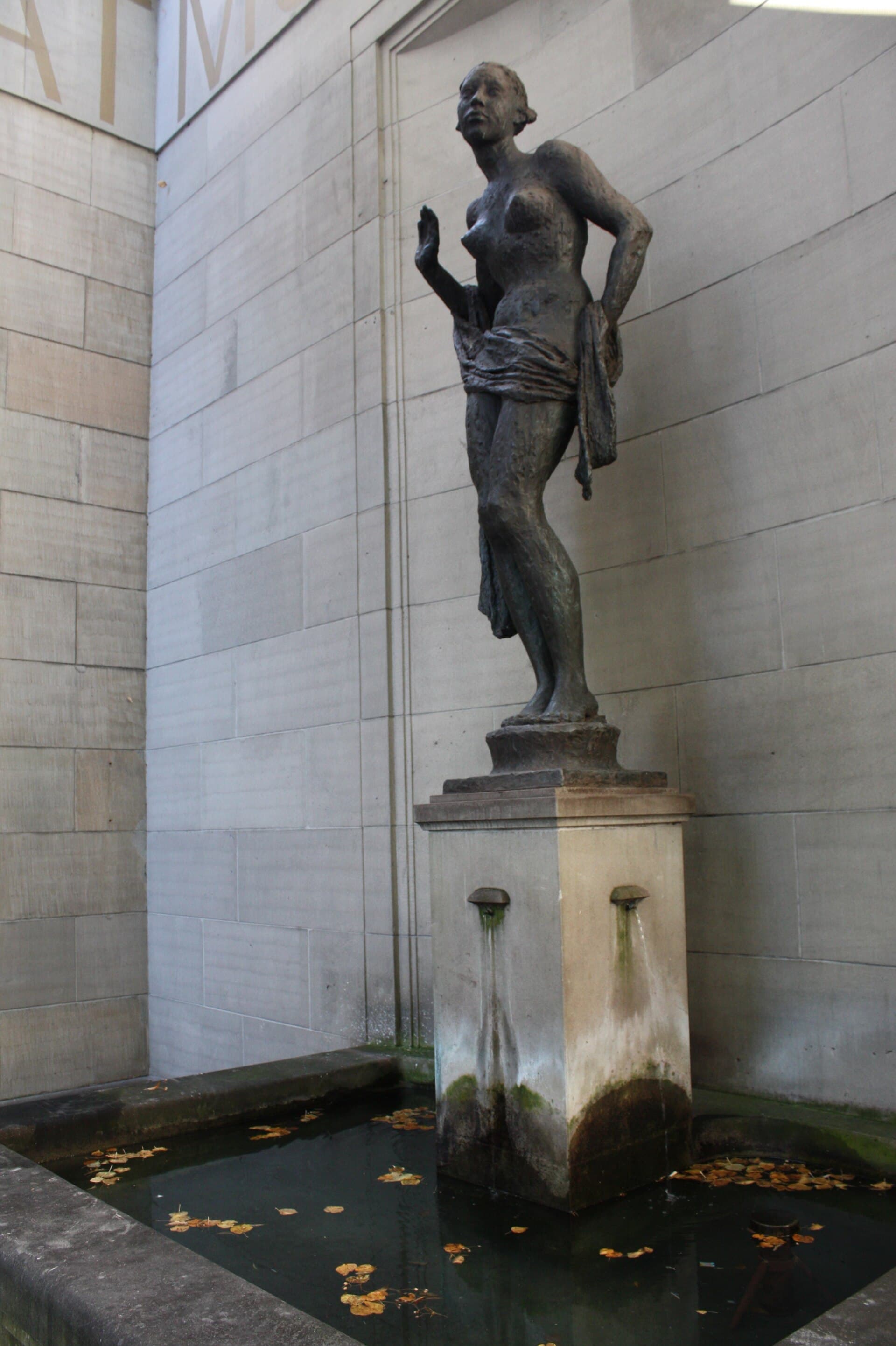 Rosengart CollectionThe story of a father-daughter art-dealing pair who loved what they sold and kep4 minutes walk4.8
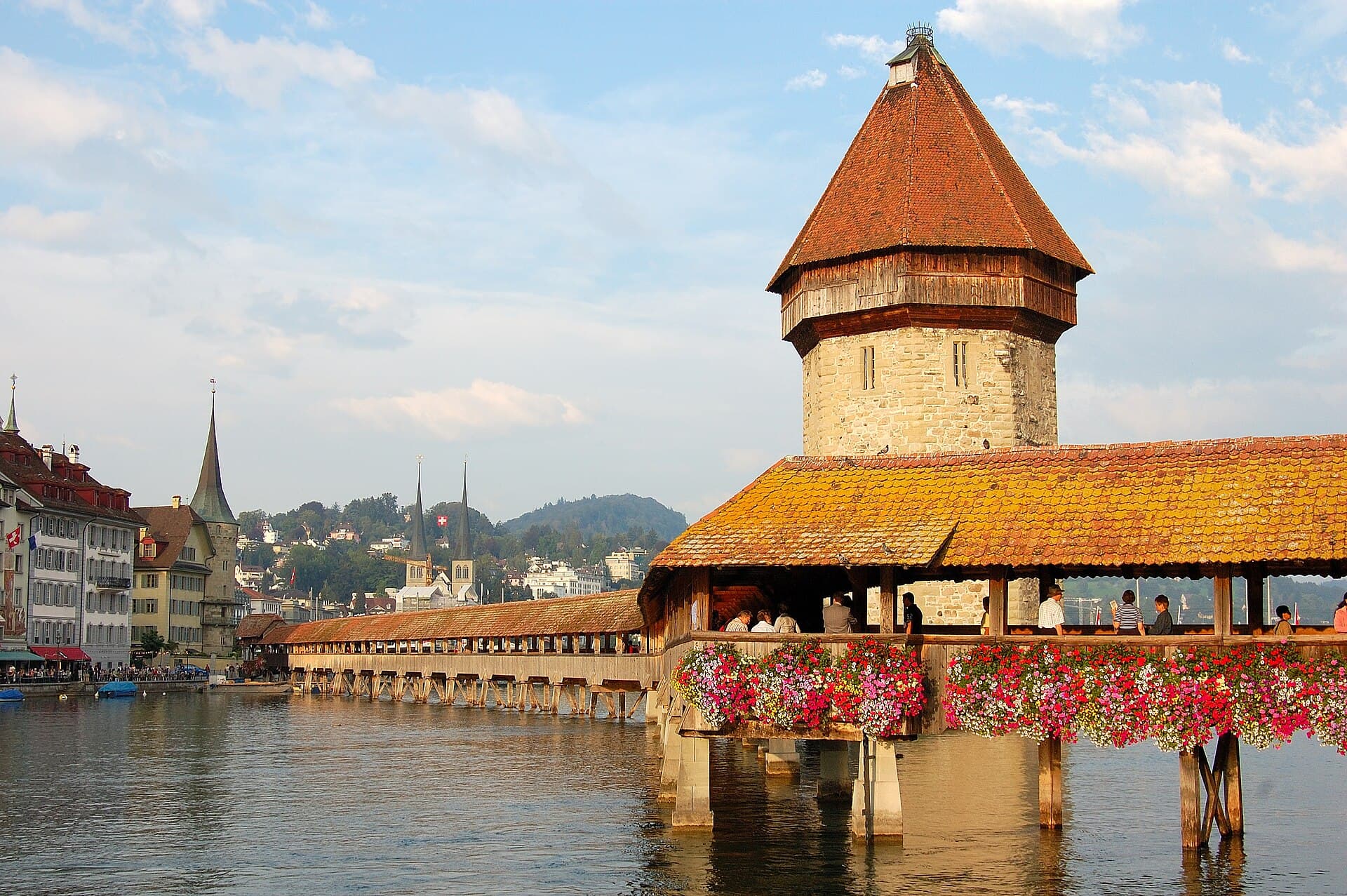 Chapel Bridge (Kapellbrücke)Europe's oldest covered wooden bridge and very nearly its most photographed stru5 minutes walk4.6
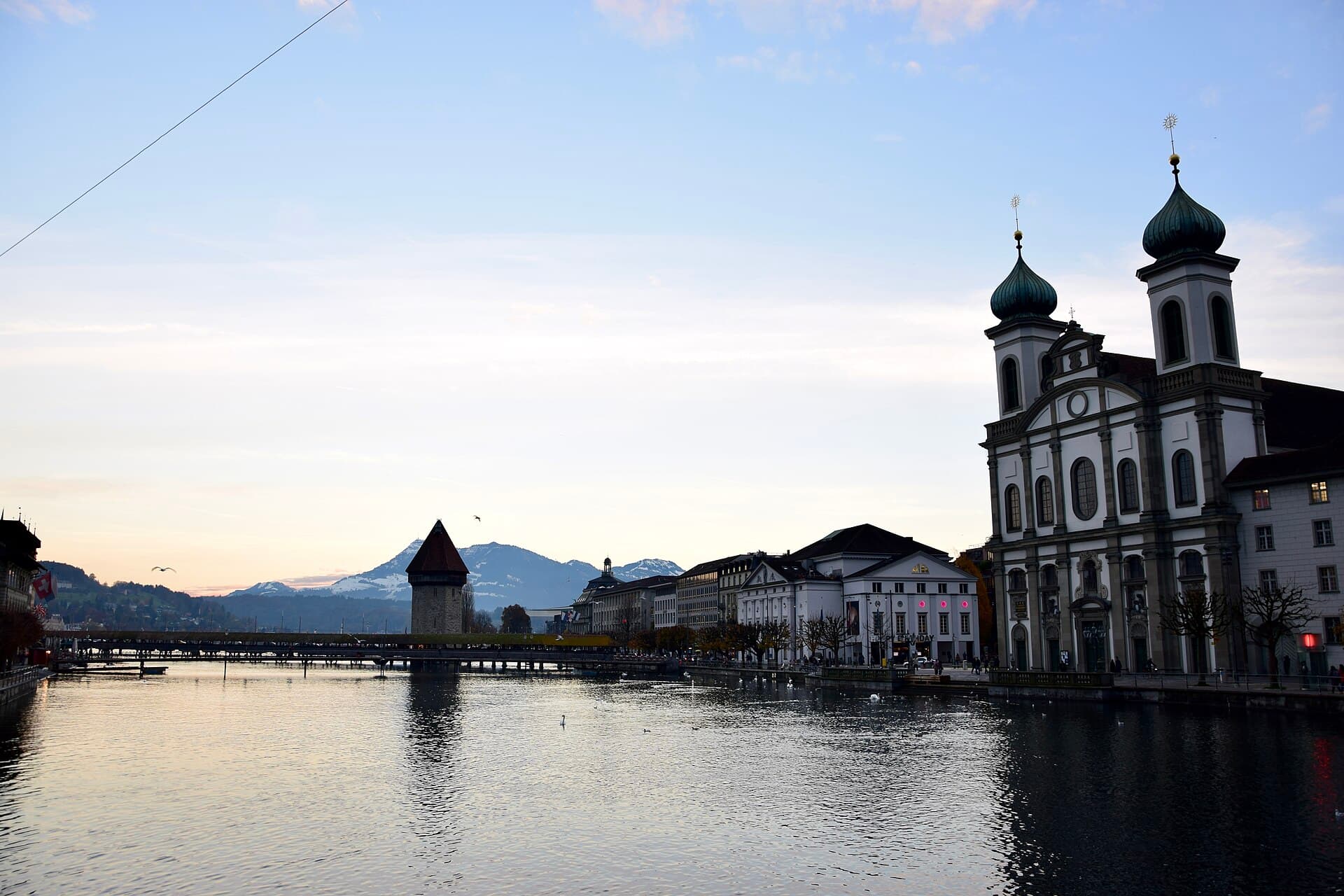 The Jesuit ChurchSwitzerland's first great Baroque church: the Jesuits built it between 1666 and 6 minutes walk4.7
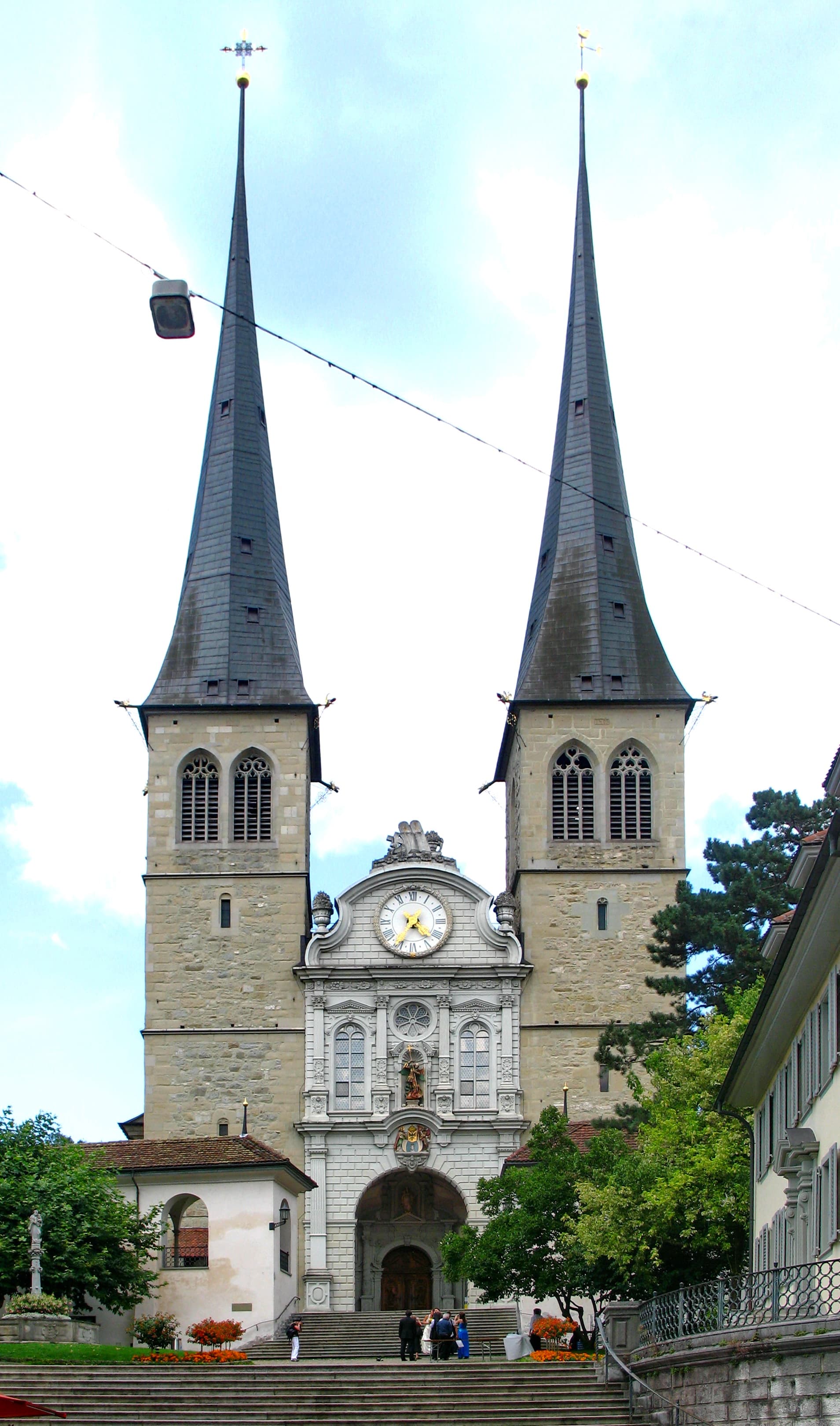 Hofkirche (Church of St. Leodegar)The two pointed towers in every photograph of Lucerne after the Chapel Bridge be7 minutes walk4.7
The lakeside Culture and Convention Centre (2000): a concert hall among the world's finest acoustically, the art museum and restaurants — its cantilevered roof now modern Lucerne's emblem.