
The great organ
7,374 pipes and 111 stops, its core from the 1640s.
Andrew Bossi — CC BY-SA 2.5 · Dennis G. Jarvis — CC BY-SA 2.0 · 최광모 — CC BY-SA 4.0 · 최광모 — CC BY-SA 4.0
The two pointed towers in every photograph of Lucerne after the Chapel Bridge belong to the **Hofkirche**, the Church of St. Leodegar, standing on a low rise above the lakeshore. The site has been religious since about 735, when a monastery was founded here, but the church you see is far younger: the older building burned to the ground on Easter Day **1633**, and was rebuilt between 1633 and 1639. The result is visually layered: **only the two towers survived the fire** — the south one built in 1506, the north in 1513 — so a new nave in **late Renaissance** style was planted between them. It is one of very few large churches built north of the Alps during the Thirty Years' War. Look up and the building reads as Gothic; look at the body and it reads as Renaissance. Its real treasure is the **great organ**: its core and wooden case are the work of Johann Geissler of Salzburg in the 1640s, and it has been enlarged repeatedly until it now has **7,374 pipes and 111 stops**. Hidden inside is an oddity — the **"rain machine"** built by Friedrich Haas in 1862, an organ stop in which a wooden, metal-lined drum full of lead balls is turned by the organ's own wind to produce the sound of rain and storm, and is thought to be the only surviving example of its kind.
7,374 pipes and 111 stops, its core from the 1640s.
A wind-driven drum of lead balls making the sound of rain — a global rarity.
Early sixteenth-century spires over a Renaissance nave.
St. Leodegarstrasse 6, 6006 Lucerne
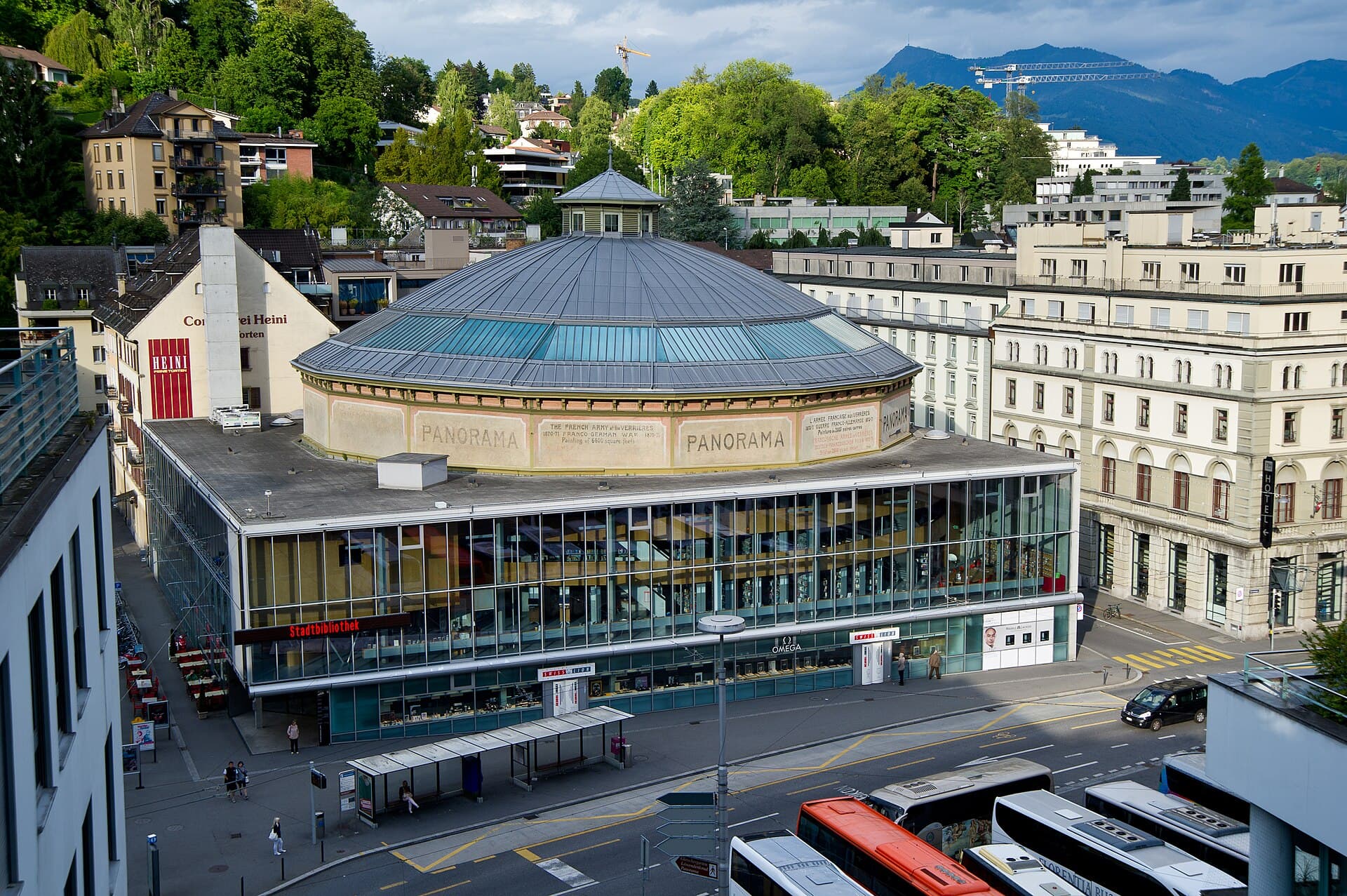 Bourbaki PanoramaBefore cinema, the panorama was the age's magic: giant circular paintings surrou3 minutes walk4.4
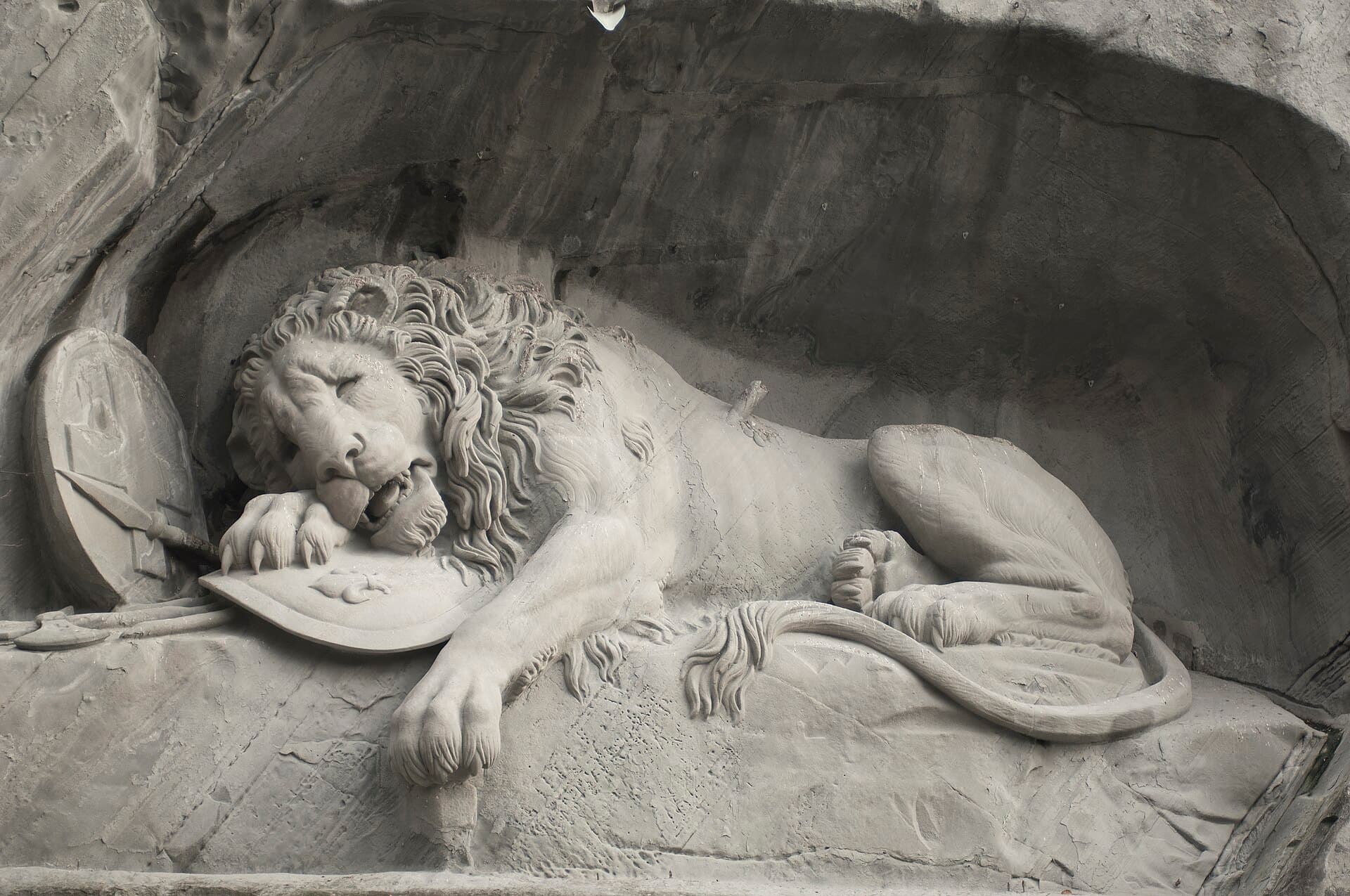 The Lion MonumentIn a sandstone cliff above a still pool a lion dies: Lucerne's monument, carved 5 minutes walk4.6
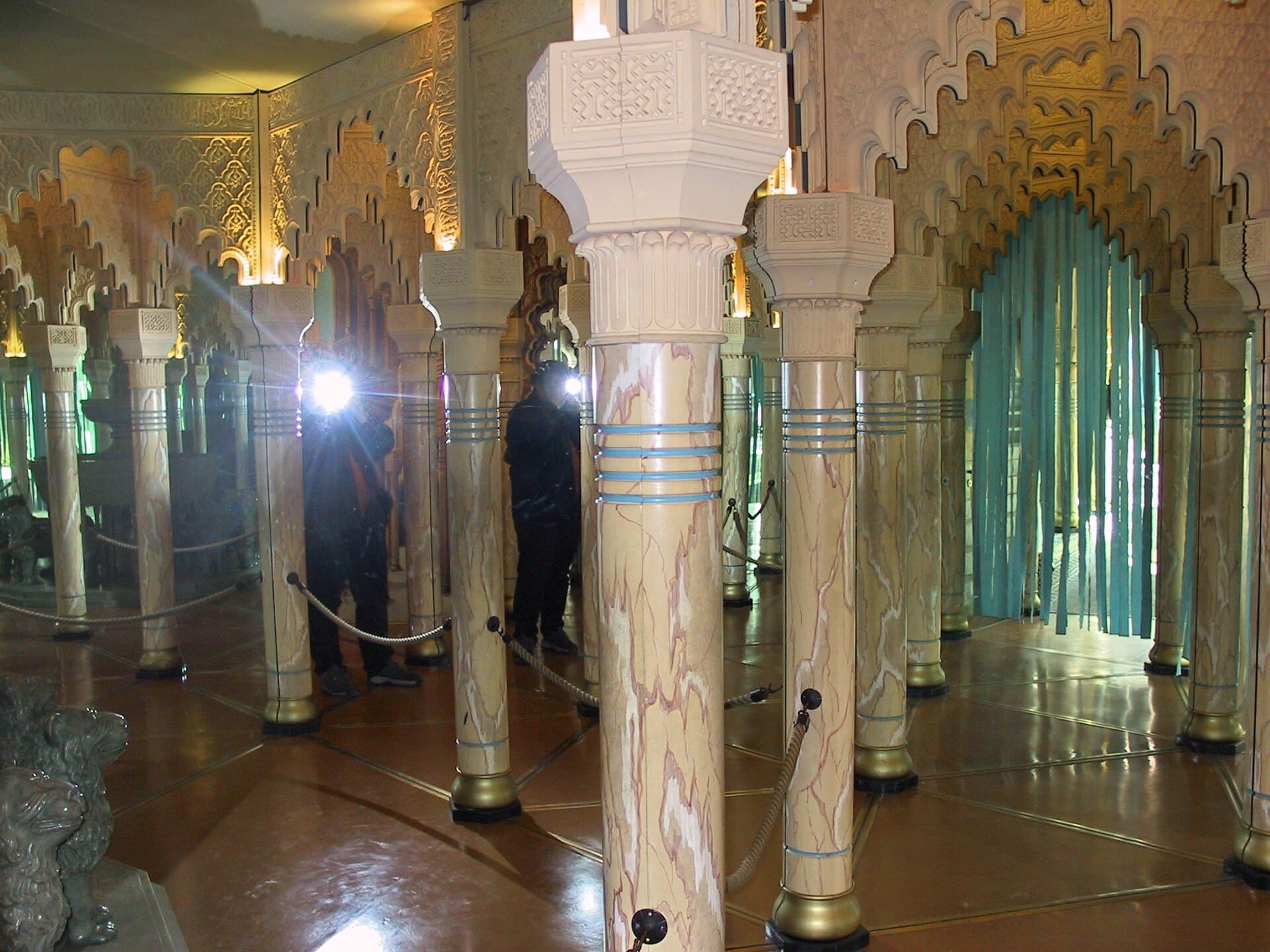 Glacier GardenIn November 1872 a man in Lucerne was digging on his land to build a wine cellar6 minutes walk4.3
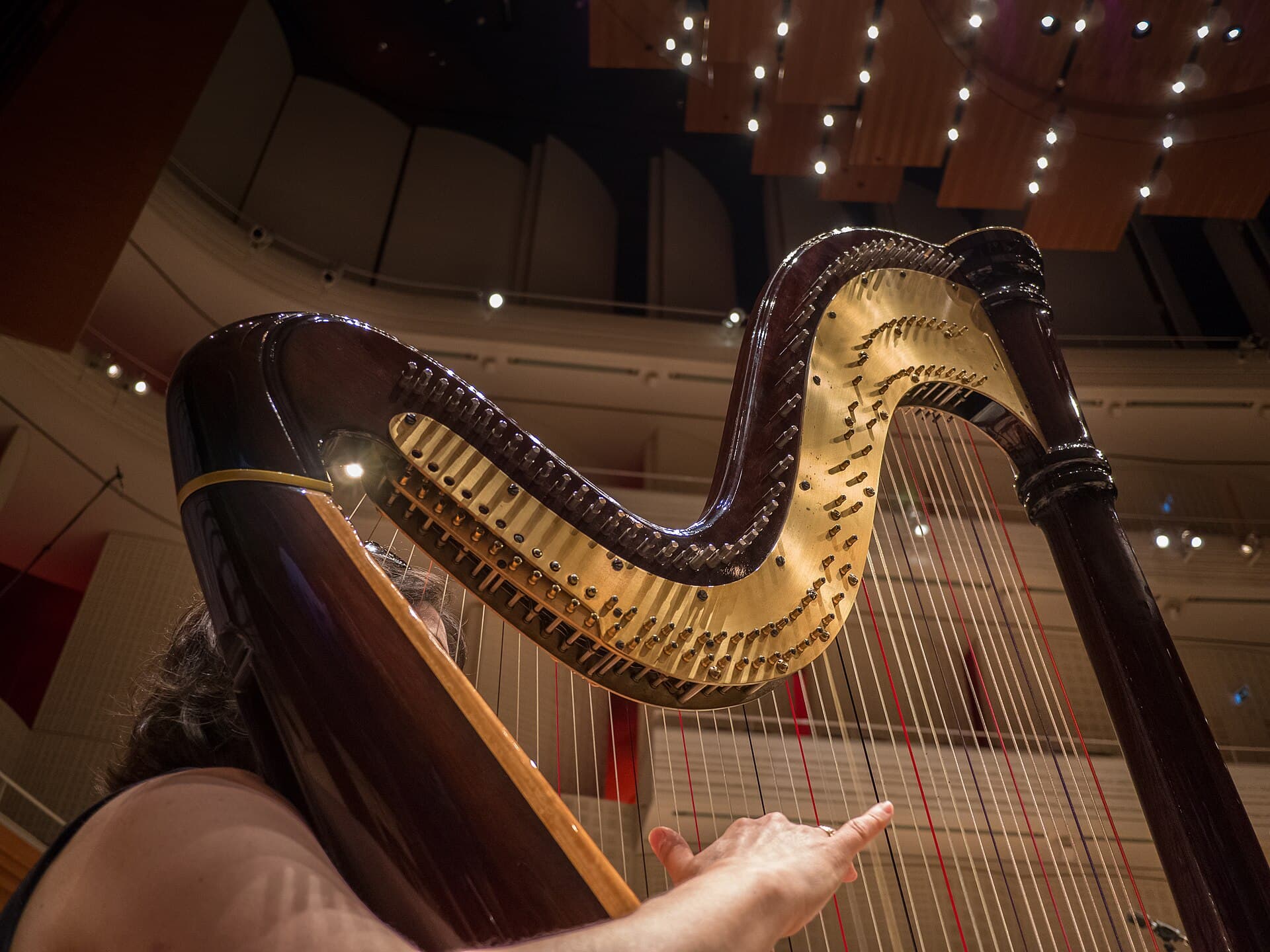 KKL Luzern (Culture and Congress Centre)The **KKL** is the one modern building in Lucerne worth standing in front of for7 minutes walk4.5
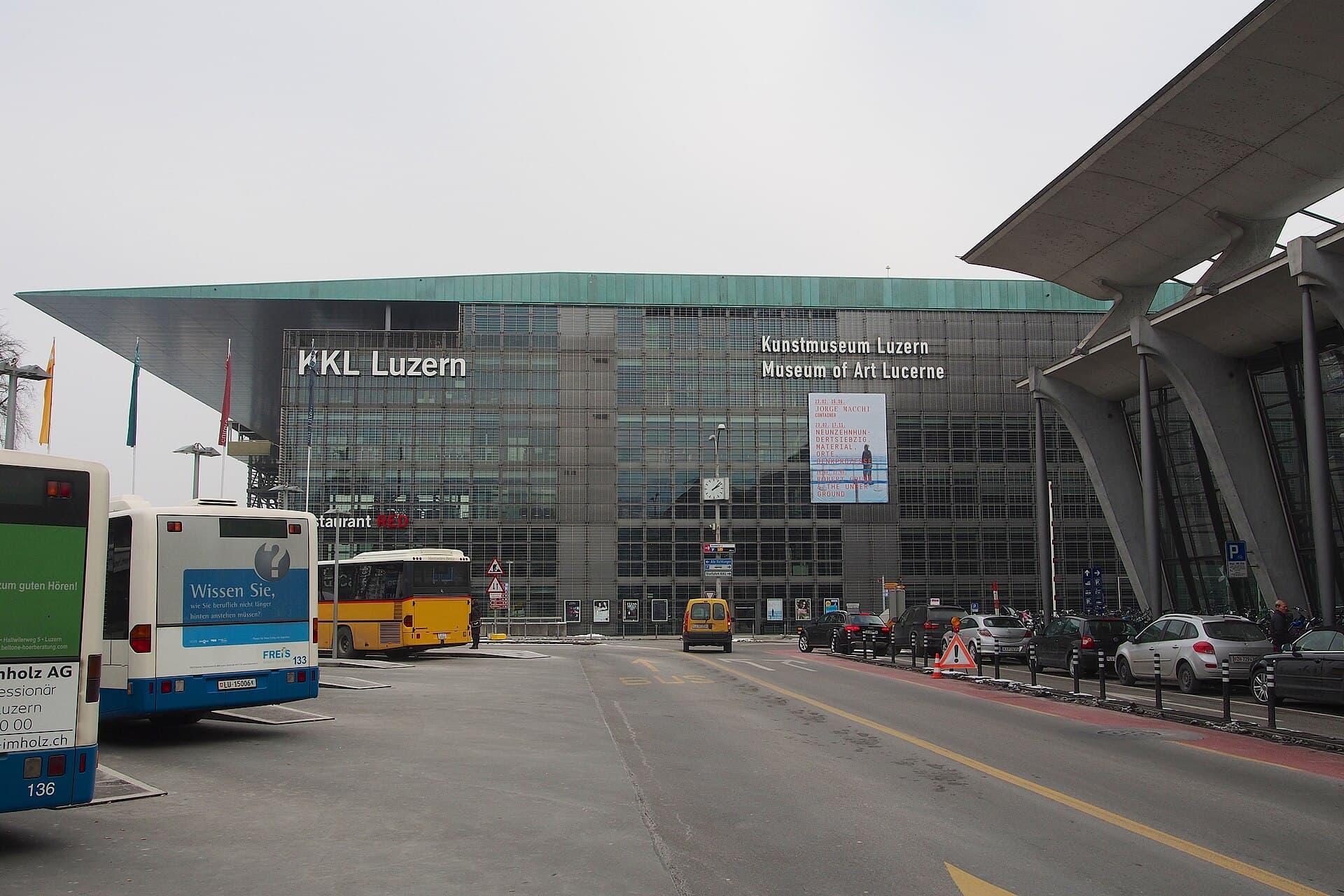 Kunstmuseum LuzernA museum inside the culture and convention centre: the Kunstmuseum Luzern occupi7 minutes walk4.8
The practical route is the **summer evening organ concerts** held in the church, with tickets that are modest by Swiss standards, in which the organist usually demonstrates the instrument's range, including the odd effects such as rain and storm. Ask for the schedule at the tourist office or on the church door. Outside concerts you may catch a rehearsal by chance, but do not count on it. Ordinary entry to walk around is free in any case.
Twenty to forty minutes is plenty. Make it one stop on a single walking route: **Chapel Bridge → old town → Lion Monument and Glacier Garden → Hofkirche → the boat quays**, all of them minutes apart and needing no transport. The church is free, so there is no loss in stepping in for five minutes — but do not skip the burial cloisters around it, which are quiet, shaded and, to many people, lovelier than the interior.