
A working workshop
The ground floor holds goldsmiths at work who can be watched.
Catlemur — CC BY-SA 4.0 · Catlemur — CC BY-SA 4.0 · Catlemur — CC BY-SA 4.0 · Catlemur — CC BY-SA 4.0
A jewellery museum on the southern slope of the Acropolis devoted to the work of the Greek goldsmith Ilias Lalaounis, in the building that was his workshop. Lalaounis (1920–2013) came from a family of goldsmiths four generations deep, and built his international reputation on a single idea: to reproduce ancient goldsmithing techniques — Minoan, Macedonian and Byzantine — rather than imitate prevailing European fashion. He studied the pieces in museums and revived methods such as granulation and fine filigree that had died out. This succeeded commercially and critically at once: he became the first jeweller elected to the French Academy of Fine Arts, and his shops spread to New York, Paris and Tokyo. The display holds more than four thousand pieces in collections drawn from ancient civilisations and also from biology and space. The ground floor has a working workshop where the goldsmiths can be watched. Small, comfortable and rarely crowded compared with its neighbours.
The ground floor holds goldsmiths at work who can be watched.
Elected to the French Academy of Fine Arts, a first for his trade.
Not from the ancient civilisations alone.
The southern slope of the Acropolis, Makrygianni
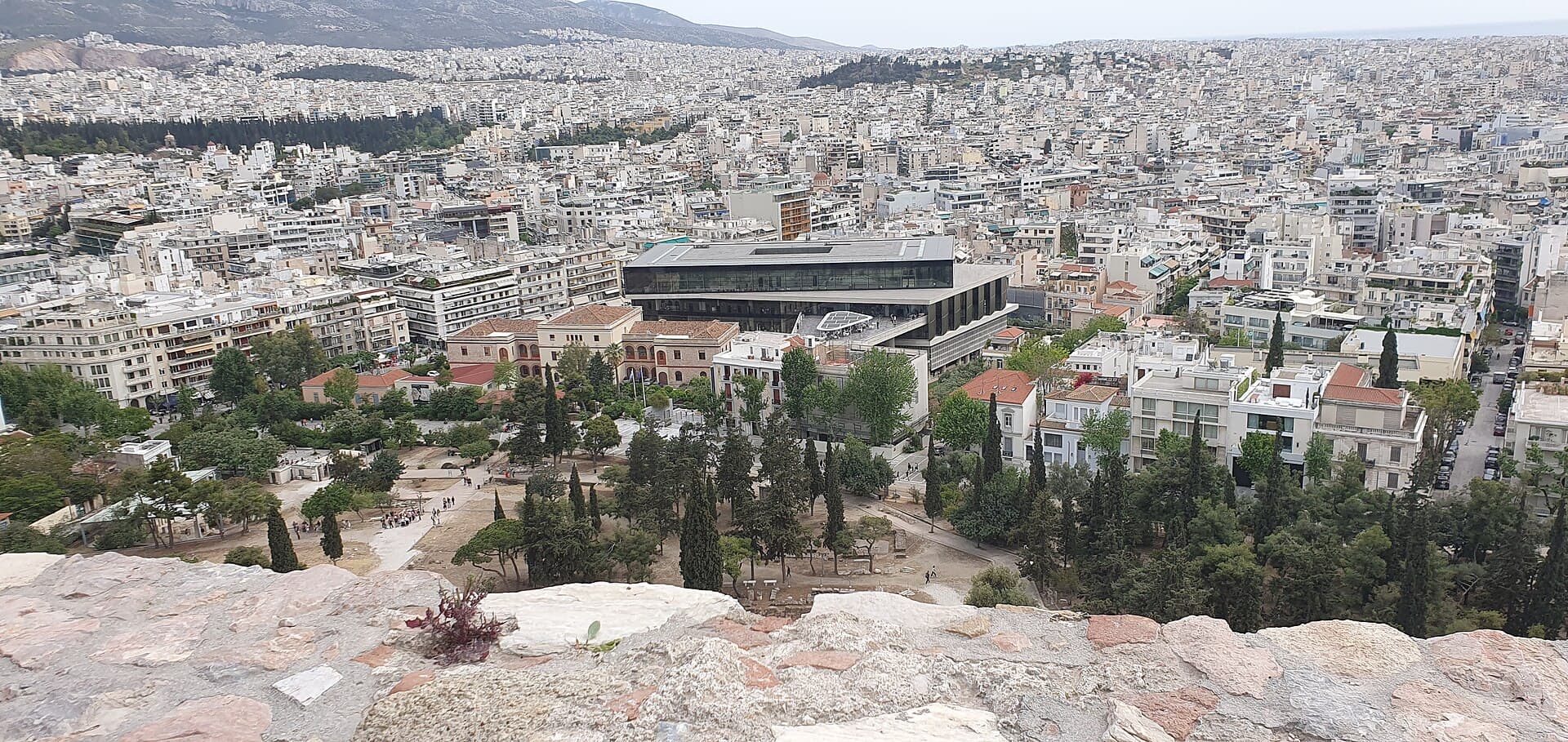 The Acropolis MuseumThe Acropolis Museum ranks with the new millennium's greatest: glass and light a2 minutes walk4.8
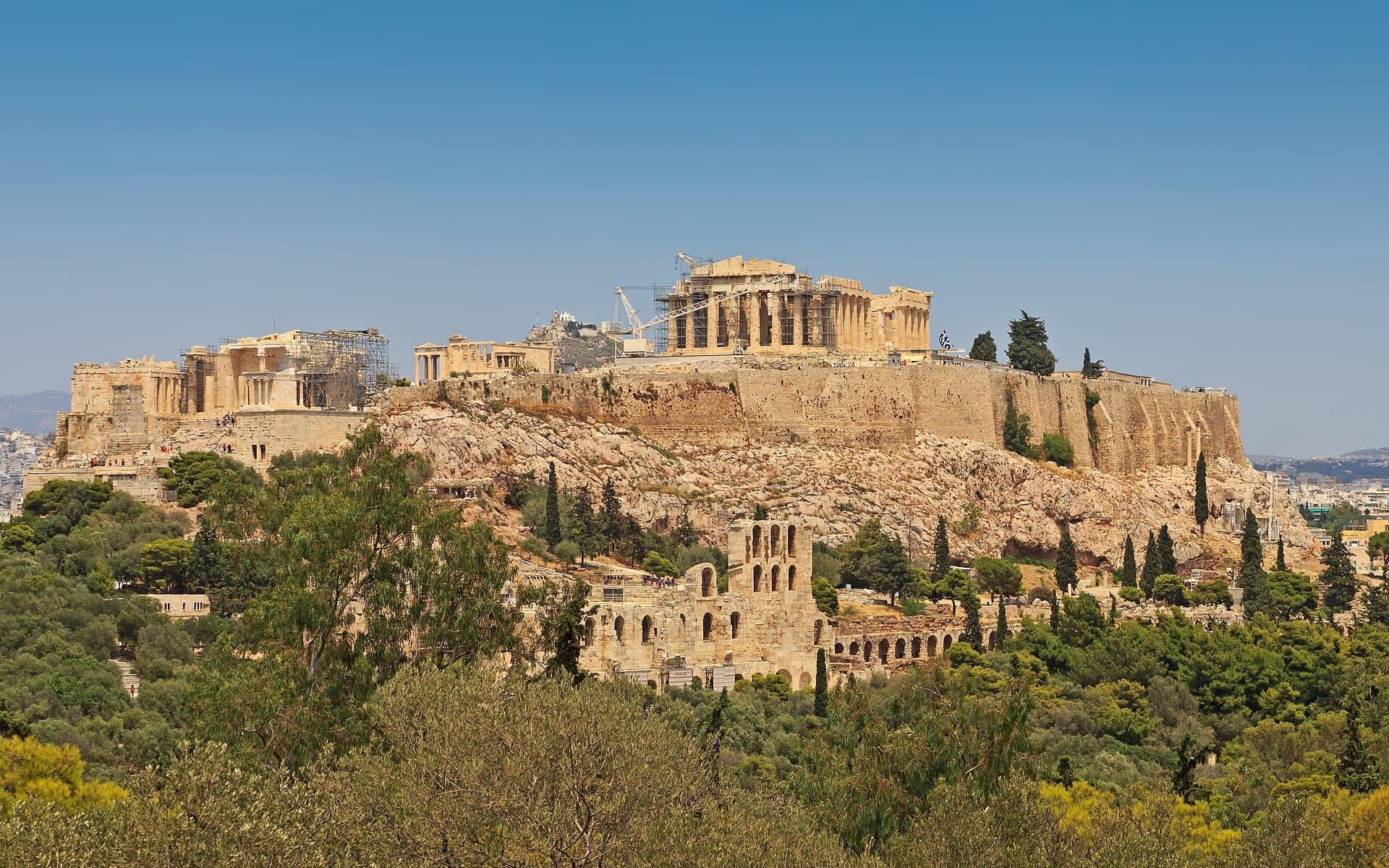 The Acropolis & ParthenonThe Acropolis is Western civilisation's literal cornerstone: the sacred rock cro3 minutes walk4.7
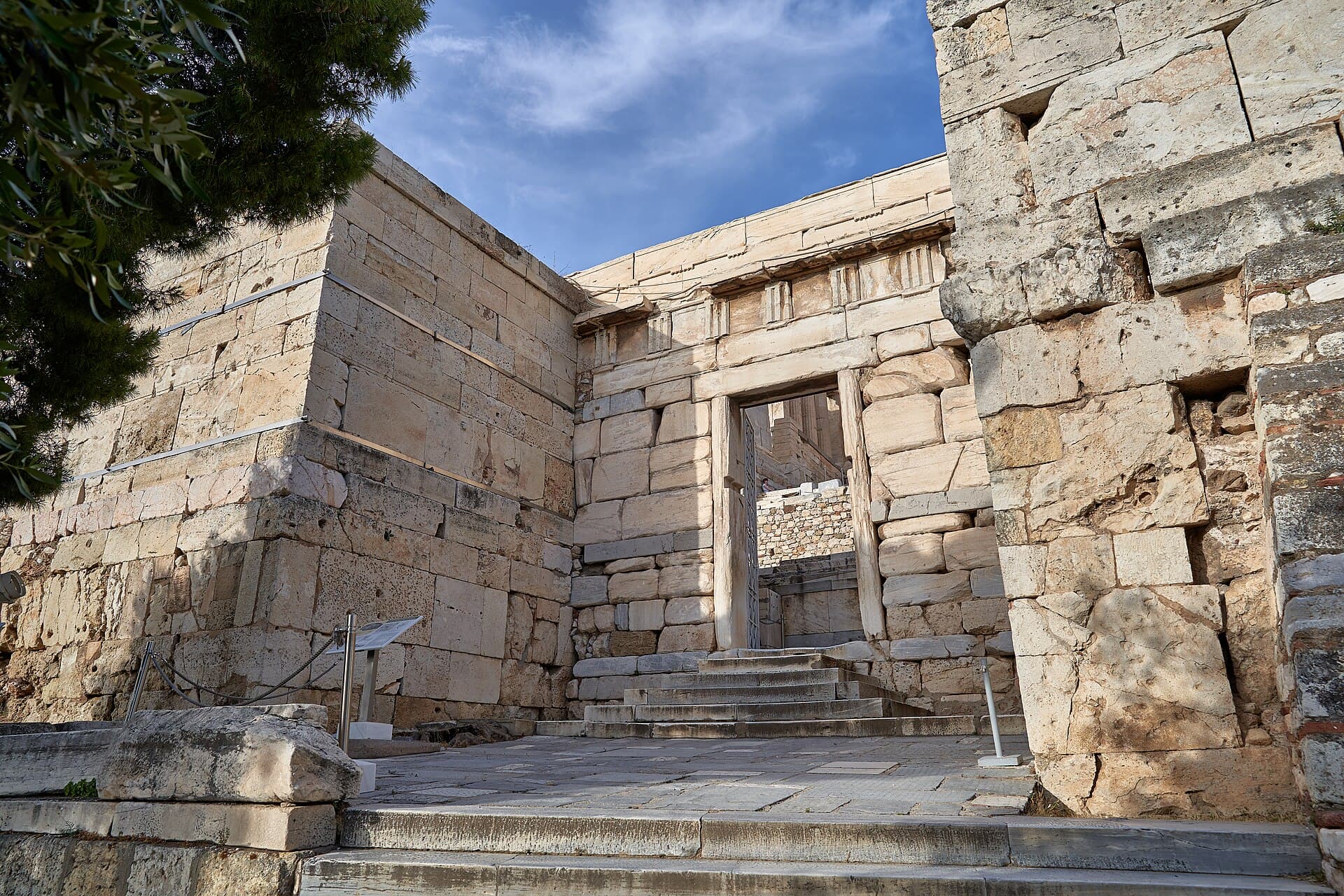 The Beulé GateA fortified gate at the western entrance to the Acropolis, which you pass throug4 minutes walk4.7
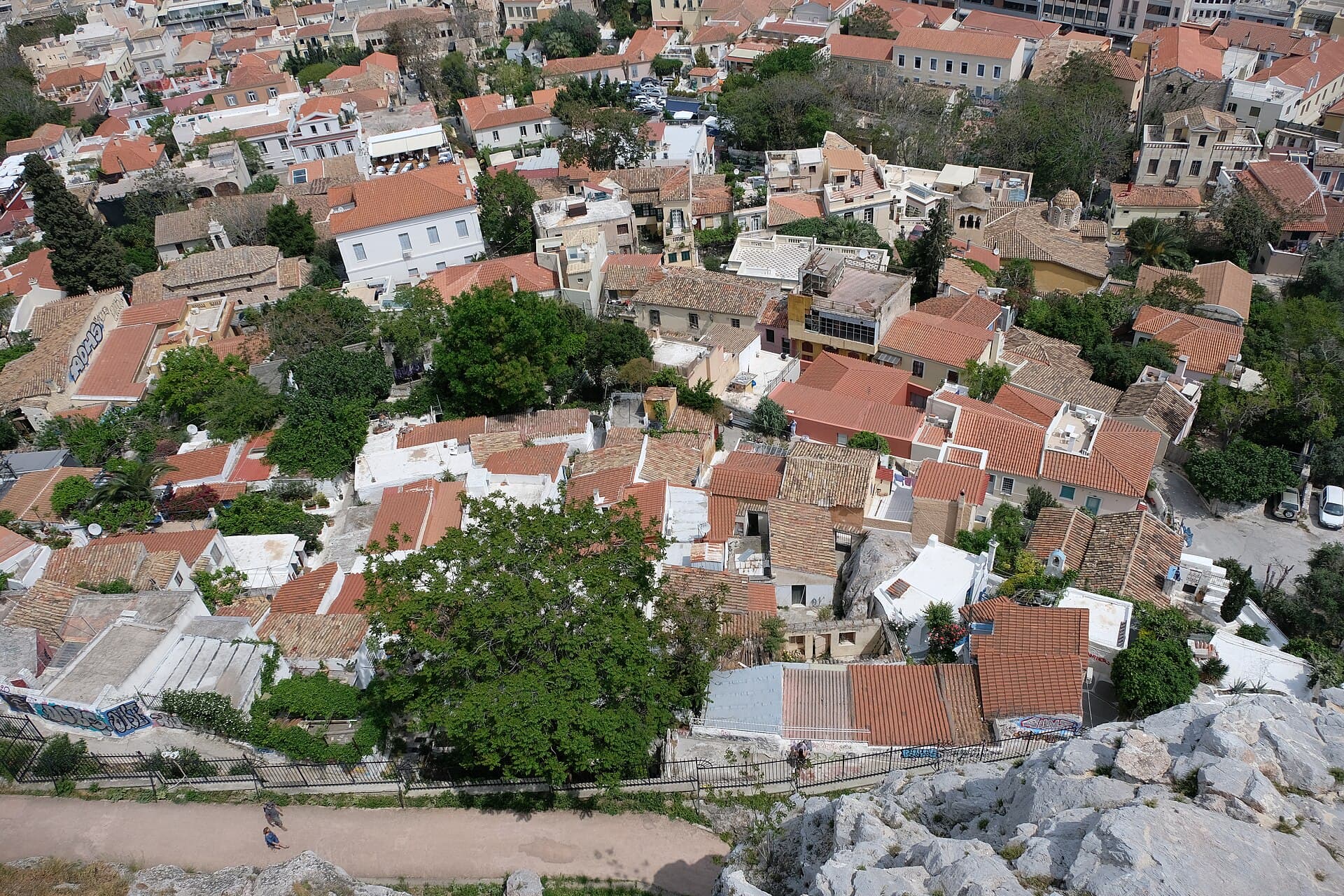 AnafiotikaA complete Greek island village hidden beneath the Acropolis rock, two minutes f5 minutes walk
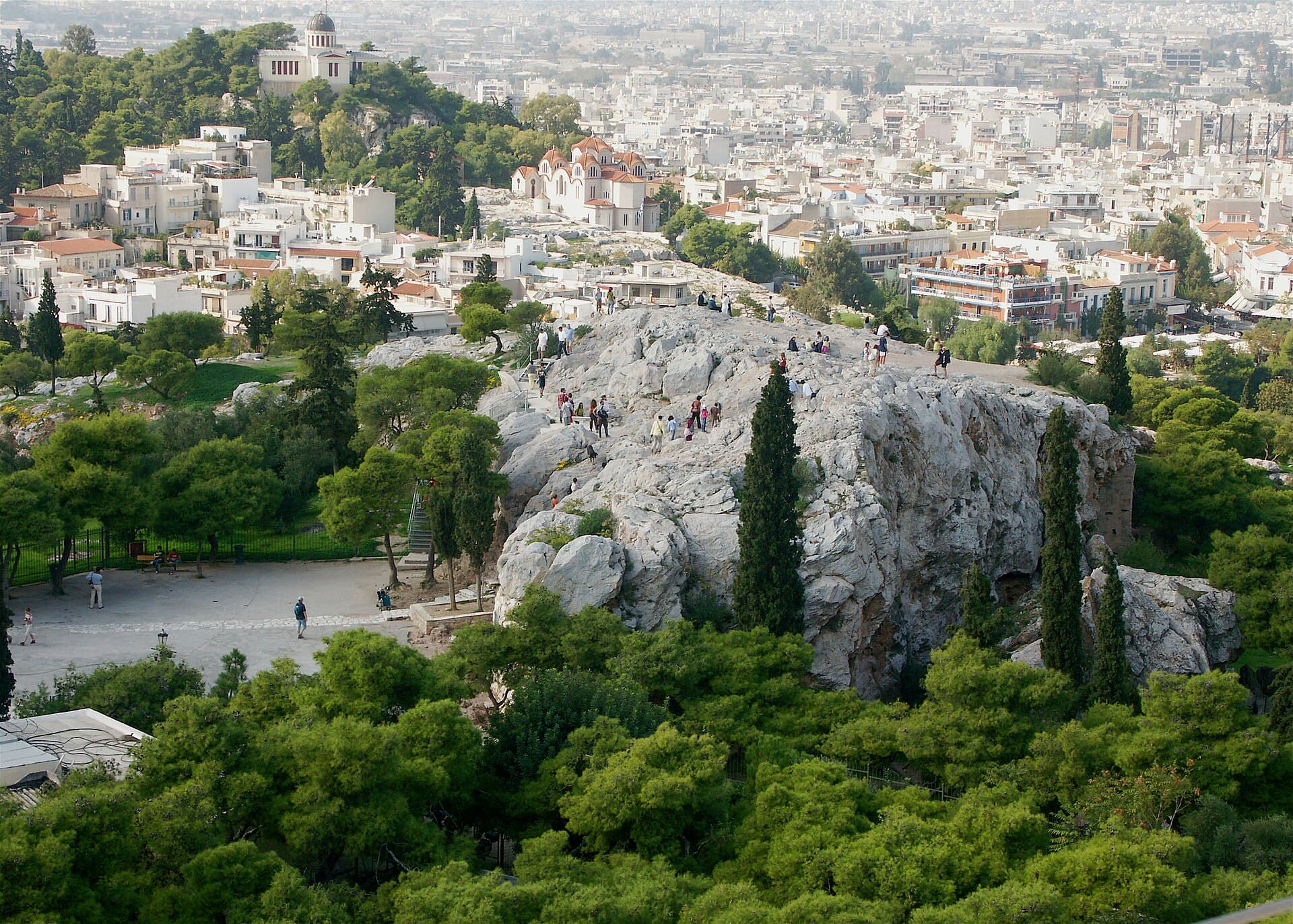 The Areopagus RockThe Areopagus is a bare rock beneath the Acropolis gate that carried the heavies5 minutes walk4.7
A technique in which very fine gold granules are fused onto the surface of a piece to form a pattern or texture. The Etruscans and ancient Greeks mastered it to an astonishing degree — grains fractions of a millimetre across, fixed with no visible solder — and then the method was lost for centuries. Twentieth-century goldsmiths rediscovered it through experiment and chemical analysis. Seeing ancient and modern pieces side by side is what makes this museum different from a jewellery showroom.
The Acropolis Museum first — among Europe's finest modern museums, its glass floor revealing the city's excavations beneath. Then the Theatre of Dionysus and the Odeon of Herodes Atticus on the same slope, covered by the Acropolis ticket. And the Plaka and Anafiotika districts to the north for walking and cafés. The whole area is walkable and needs no transport.