
Reused stone
Most of it from the monument of Nicias, demolished for it.
George E. Koronaios — CC BY-SA 4.0 · Jean Housen — CC BY-SA 4.0 · Jean Housen — CC BY-SA 4.0 · Catsimpoolas, Nicholas — Public domain
A fortified gate at the western entrance to the Acropolis, which you pass through on the way up to the Propylaea, and which most visitors cross without noticing that its age is entirely different from everything around it. The gate is not classical. It was built in the third century AD — seven hundred years after the Parthenon — when the Herul tribes overran Athens in 267 and destroyed the lower city. The Athenians fell back onto the Acropolis and fortified it anew, so the temple became a fortress. The material shows it: the gate was built of reused stone, most of it from the choragic monument of Nicias that stood below the slope and was demolished for the purpose. You can see the old inscriptions upside down or cut through in the wall. This says something about Athens in those centuries: a poor, besieged city dismantling its monuments to build its walls. It is named after the French archaeologist Charles Beulé, who uncovered it in 1852.
Most of it from the monument of Nicias, demolished for it.
You can see the old lettering inverted in the wall.
After the Herul invasion of 267 the Athenians fortified the Acropolis.
The western entrance to the Acropolis
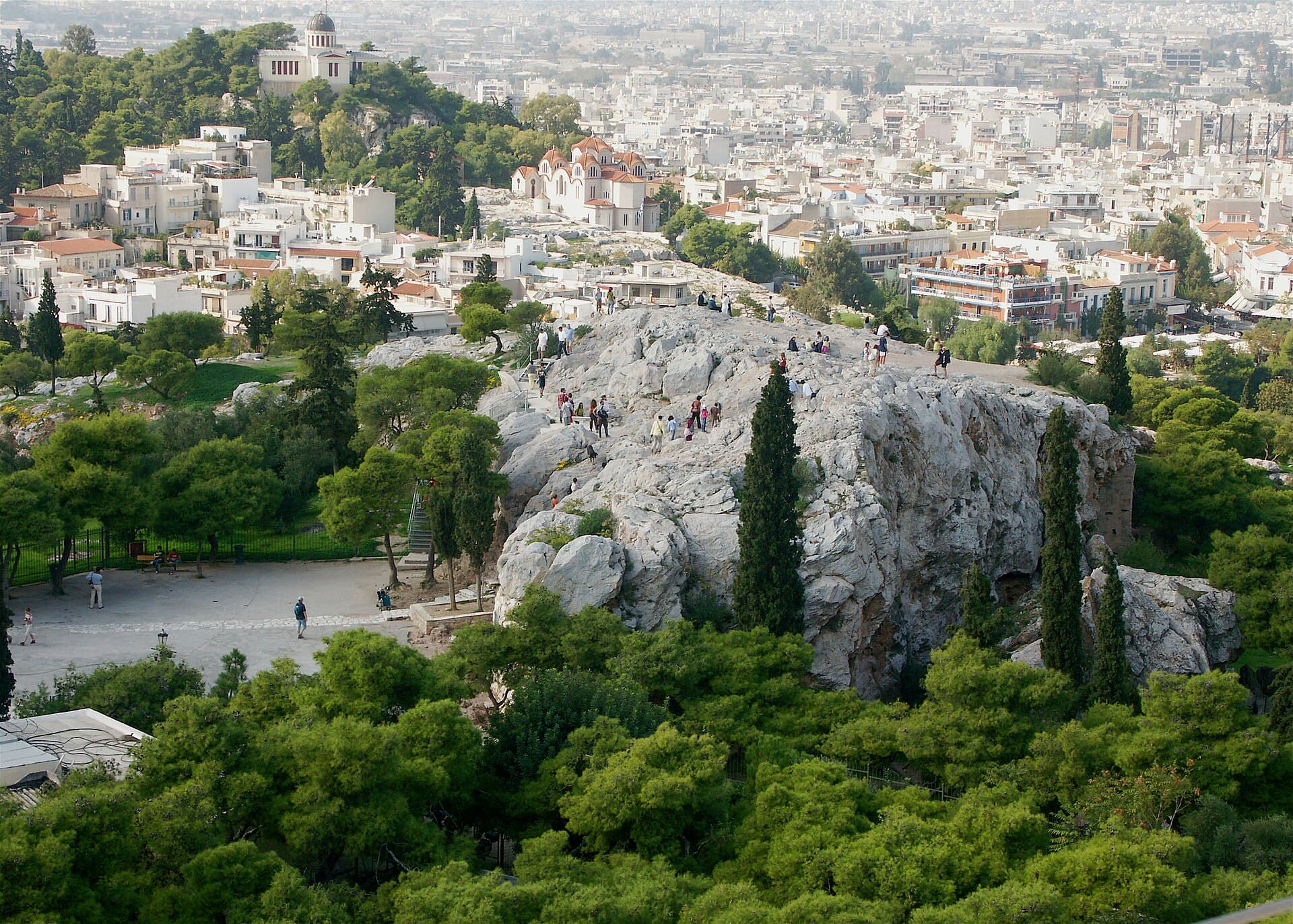 The Areopagus RockThe Areopagus is a bare rock beneath the Acropolis gate that carried the heavies1 minute walk4.7
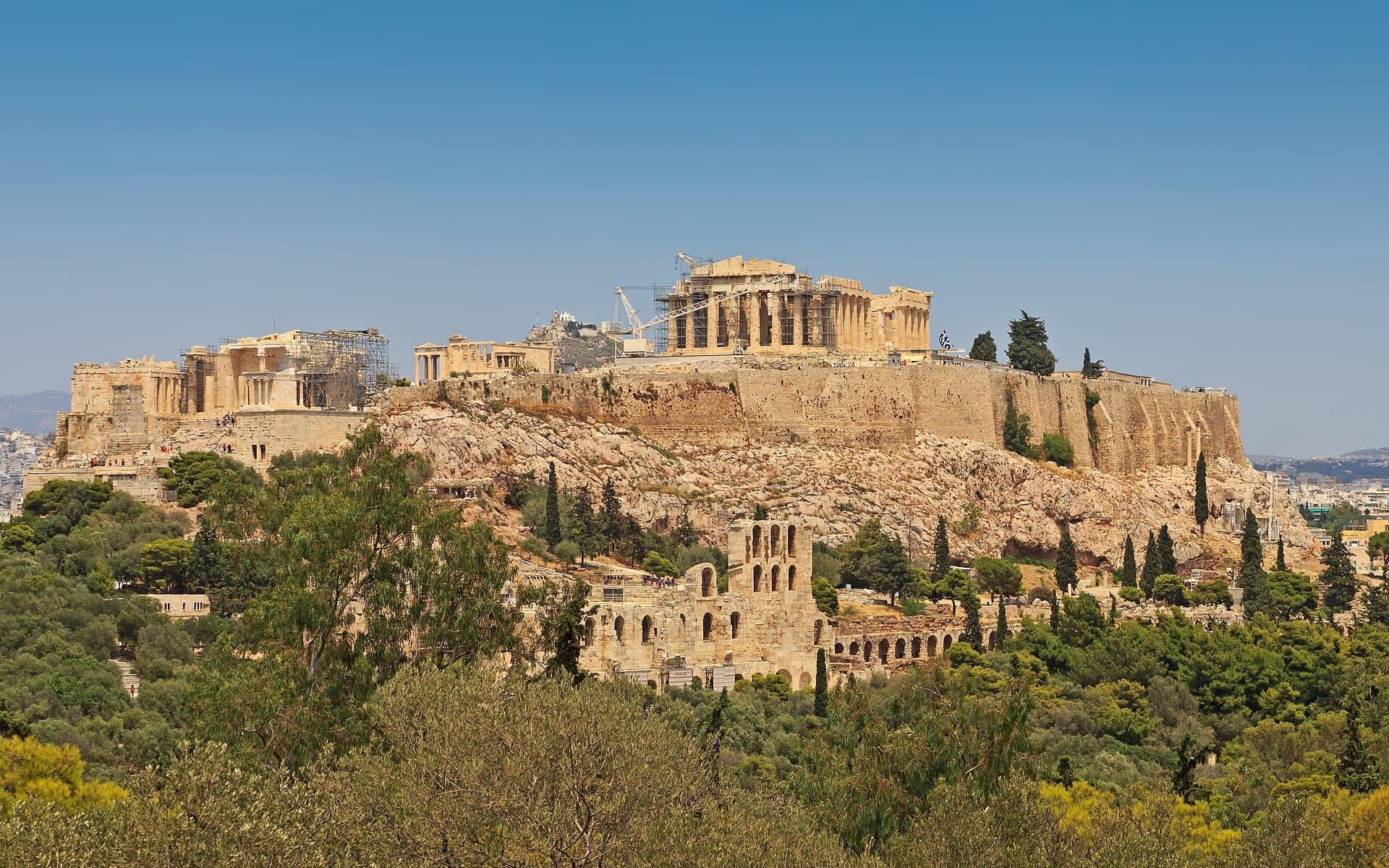 The Acropolis & ParthenonThe Acropolis is Western civilisation's literal cornerstone: the sacred rock cro2 minutes walk4.7
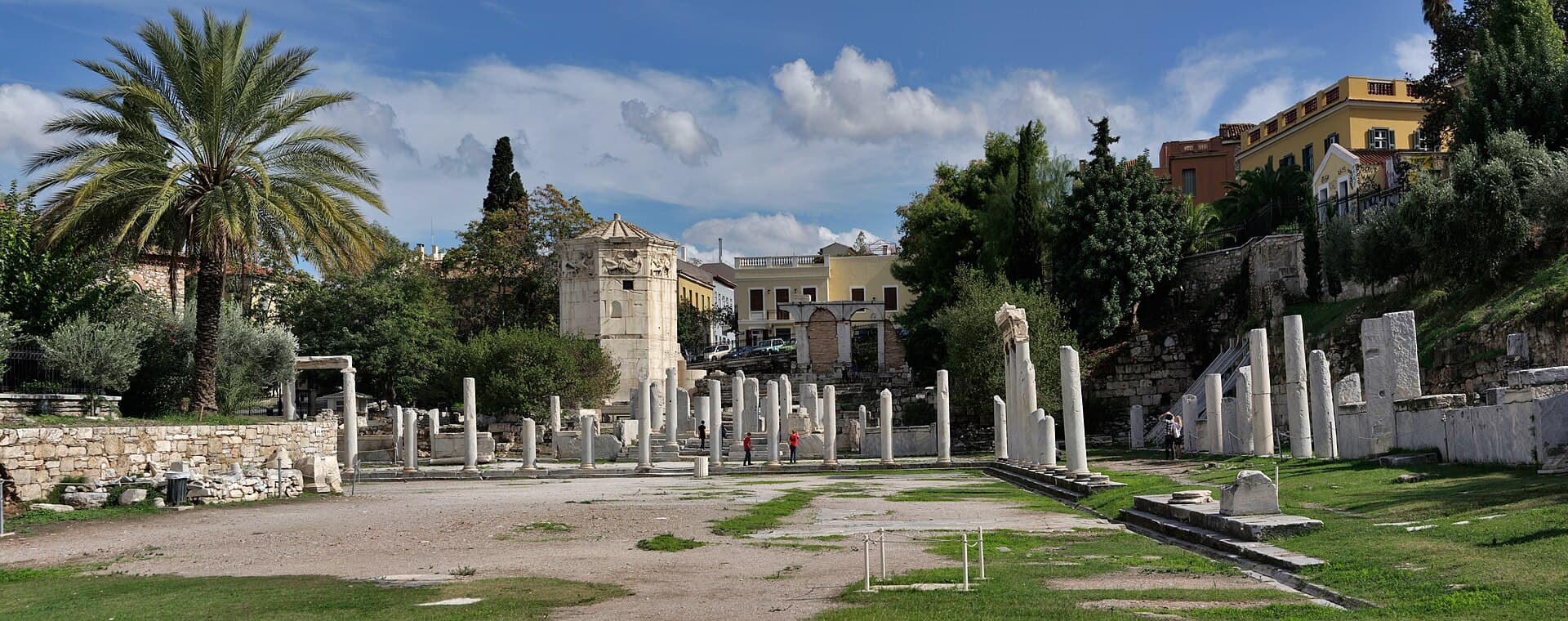 The Roman Agora & Tower of the WindsThe Roman Agora is the market the Caesars built Athens: Socrates' agora grown ol4 minutes walk4.6
 The Ilias Lalaounis Jewellery MuseumA jewellery museum on the southern slope of the Acropolis devoted to the work of4 minutes walk4.6
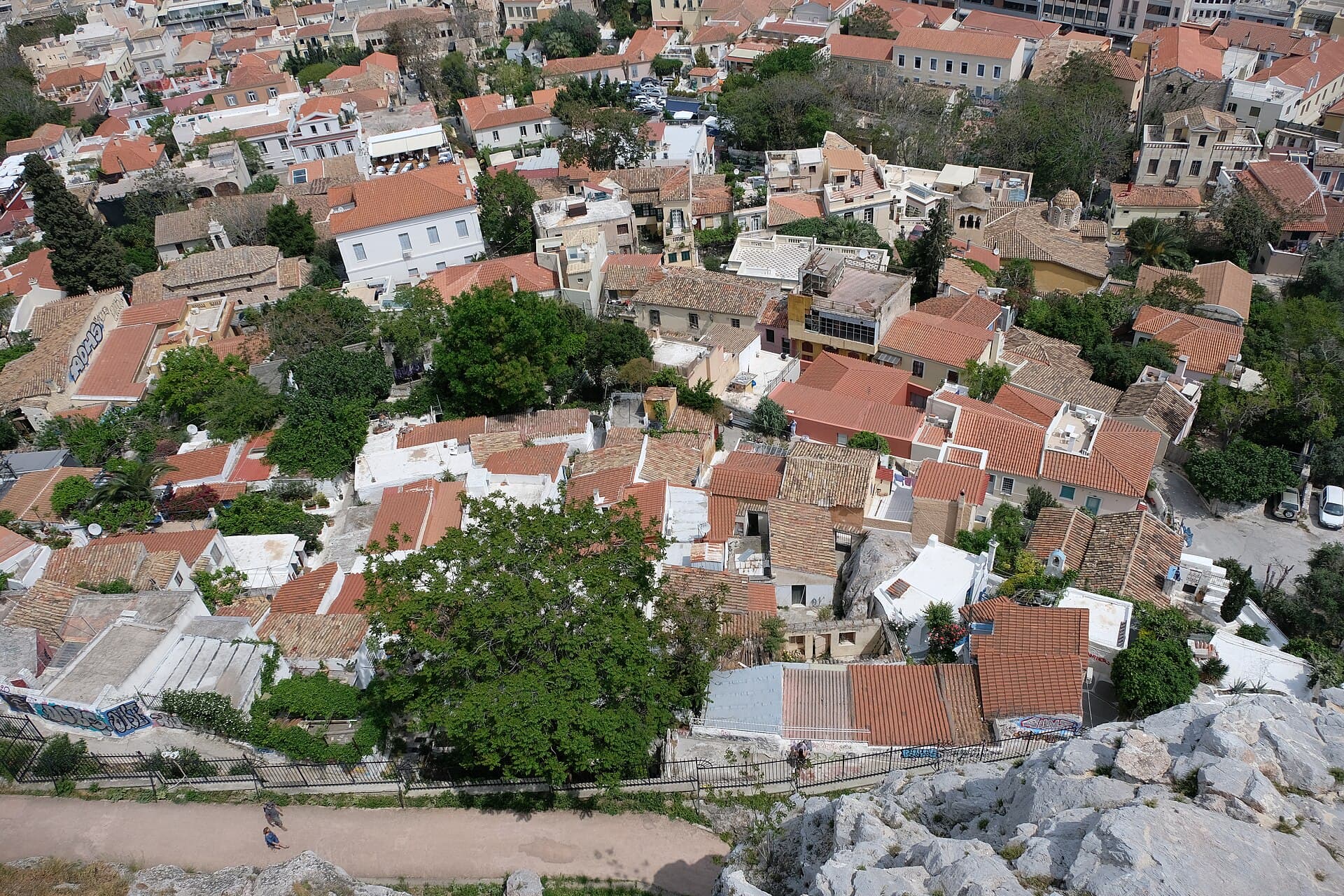 AnafiotikaA complete Greek island village hidden beneath the Acropolis rock, two minutes f4 minutes walk
A Germanic people who moved from northern Europe towards the Black Sea and then invaded Greece by sea in AD 267. They sacked Athens and burned parts of it. The event was a turning point: afterwards Athens contracted inside a narrow new wall, itself built from the rubble of demolished buildings, and the city lost its classical extent and never regained it.
The first hour after opening or the last two before closing. The site is completely exposed with no shade and the rock reflects the heat; midday in July and August is genuinely punishing, and the site has been closed at peak hours in past years during heatwaves. Carry water and a hat. The stones are polished smooth by millions of feet and slippery — proper footwear is not a luxury.