
Horace Jones's roof
Wrought iron and glass from 1881 in green, maroon and cream over cobbled lanes, by the same architect as Tower Bridge.
Diliff — CC BY 2.5 · Tom Page — CC BY-SA 2.0 · Tom Page — CC BY-SA 2.0 · Tom Page — CC BY-SA 2.0
Step out of the glass towers of the City and into a Victorian arcade of wrought iron and glass, painted green, maroon and cream over cobbled lanes. This is where the first Harry Potter film found its Diagon Alley, and every day a stream of fans lines up to photograph the blue door in Bull's Head Passage that stood in for the Leaky Cauldron. It is, in fact, the front of an opticians, dressed up for the film and long since back to being an ordinary shop door. The history runs far deeper than the cinema. A market has traded on this spot since the 14th century, and beneath the cobbles lie the remains of Roman Londinium's forum and basilica. The building you walk through today was designed in 1881 by Sir Horace Jones, the architect of Tower Bridge and Smithfield Market, and a few minutes under the roof explain why it is counted among London's finest pieces of Victorian ironwork. Manage expectations, though. This is not a market in the sense a visitor from the Gulf or the Levant would understand: it is a cluster of small shops, cafes and restaurants, a good share of them bars and eateries serving the surrounding banks, and several units have sat empty in recent years. The whole visit takes twenty to forty minutes. Weekday lunchtimes bring the place alive; at weekends the arcades feel almost deserted except when the pop-up craft and vintage markets are on (April to December, 12:00-17:00). For photographs without people, come before 08:00. The arcades are public and open around the clock, there is no admission charge, and the cobbles are level enough for a pushchair. Monument station (District and Circle lines) is a four-minute walk, Bank six minutes. Treat it as one stop on a wider walk: the Lloyd's building with its famous exterior pipework is across the lane, and the Gherkin and Sky Garden (free, but advance booking is compulsory) are a few minutes away.
Wrought iron and glass from 1881 in green, maroon and cream over cobbled lanes, by the same architect as Tower Bridge.
The narrow lane that became Diagon Alley, with the blue Leaky Cauldron door — an opticians in real life.
The Lloyd's building with its exterior pipework is across the lane; the Gherkin and the free Sky Garden (booked ahead) are minutes away.
Gracechurch Street, London EC3V 1LT
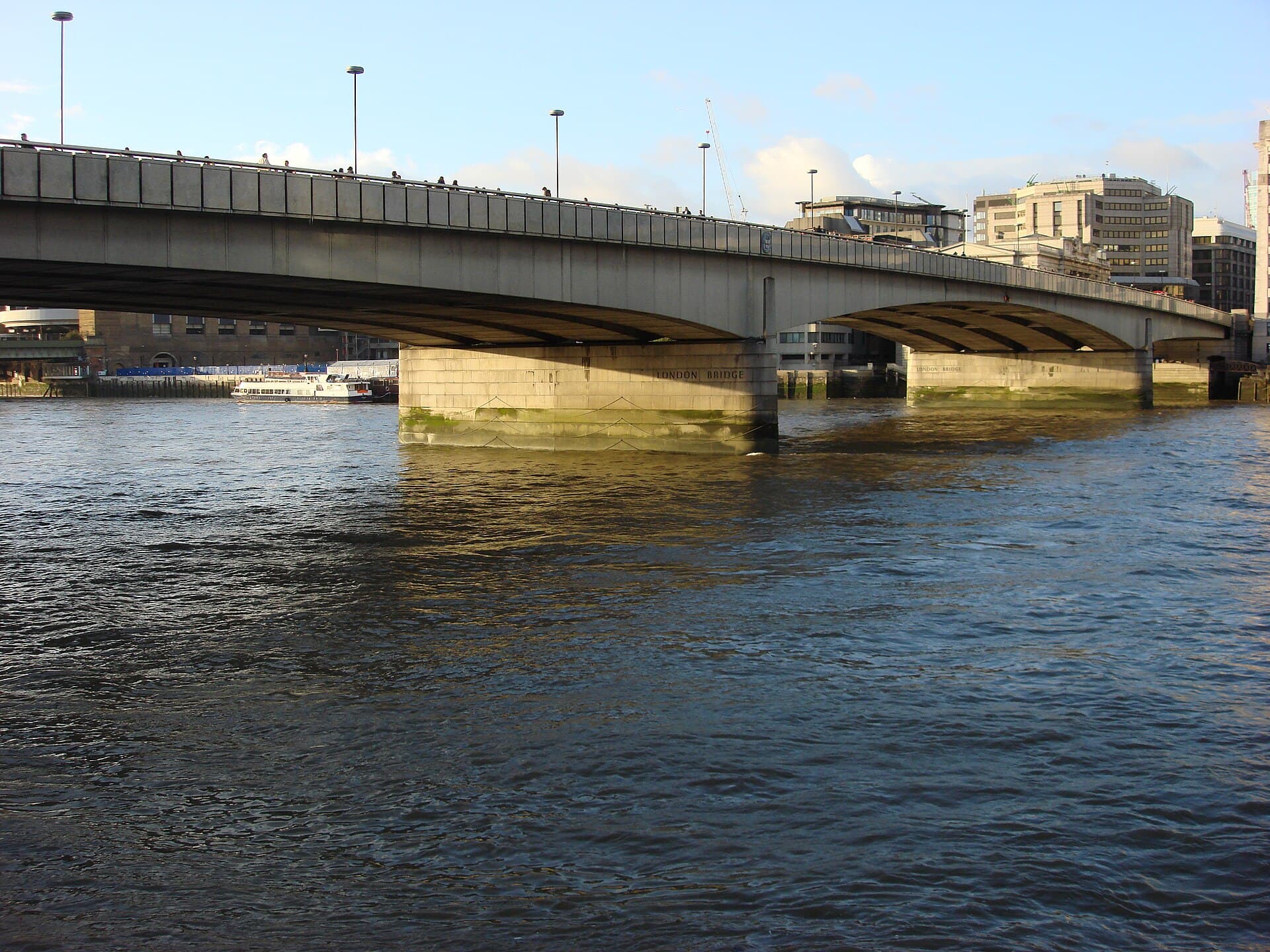 London BridgeNot one stone of the bridge in the nursery rhyme is still in London. Its direct 7 minutes walk4.5
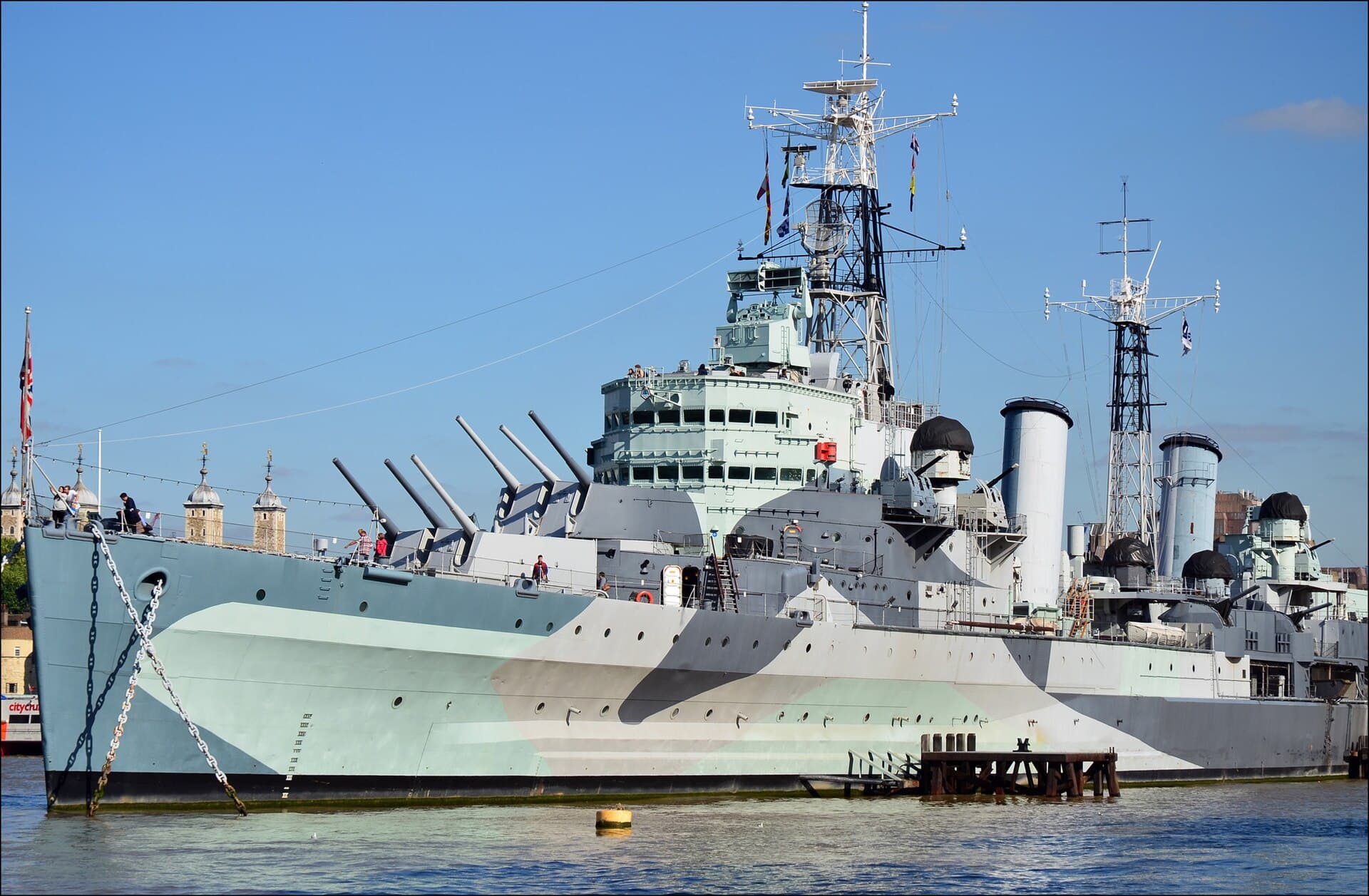 HMS BelfastThe forward guns of this cruiser moored on the Thames are trained, deliberately,9 minutes walk4.6
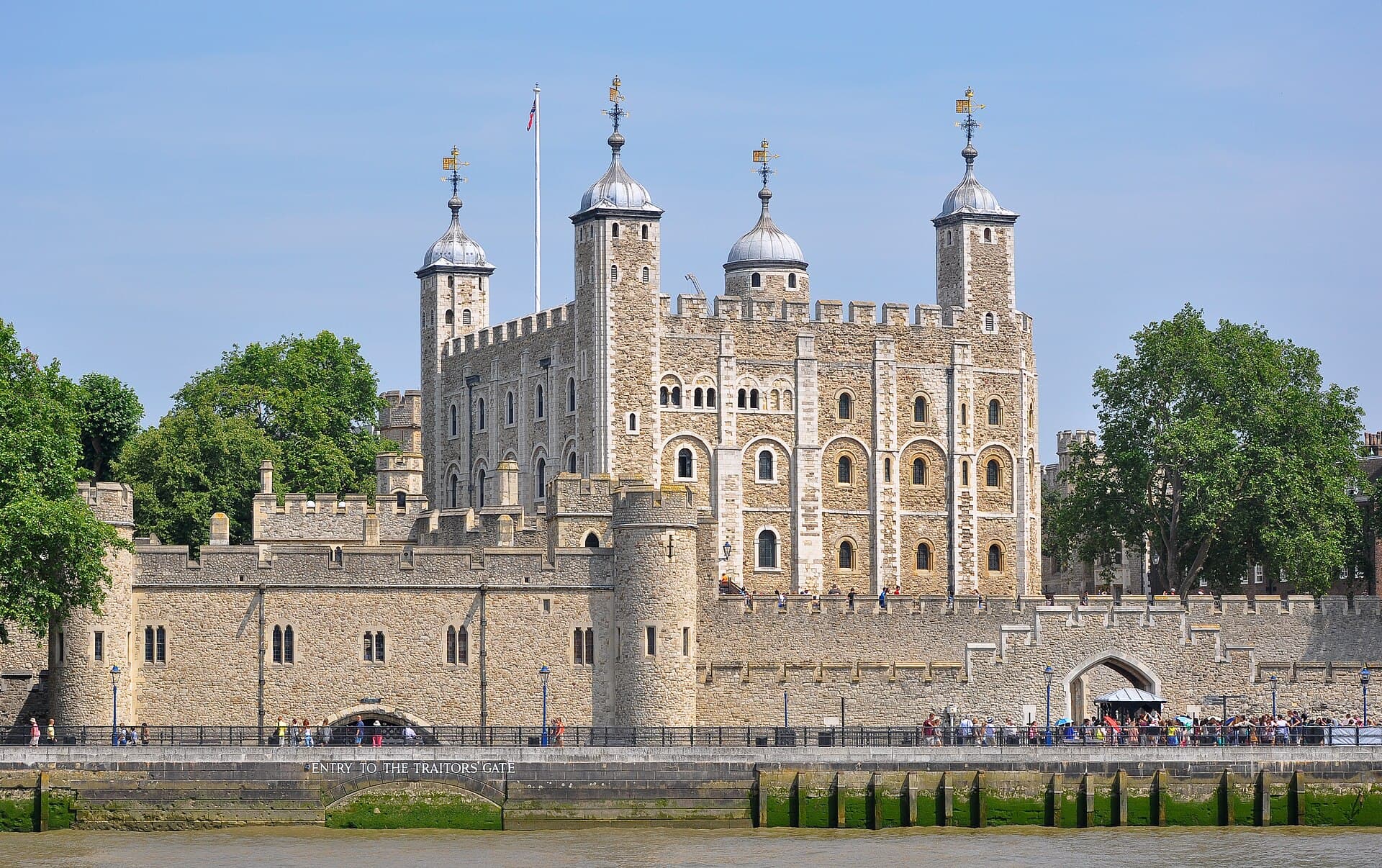 Tower of LondonWilliam the Conqueror raised it after 1078 not to protect London but to intimida9 minutes walk4.6
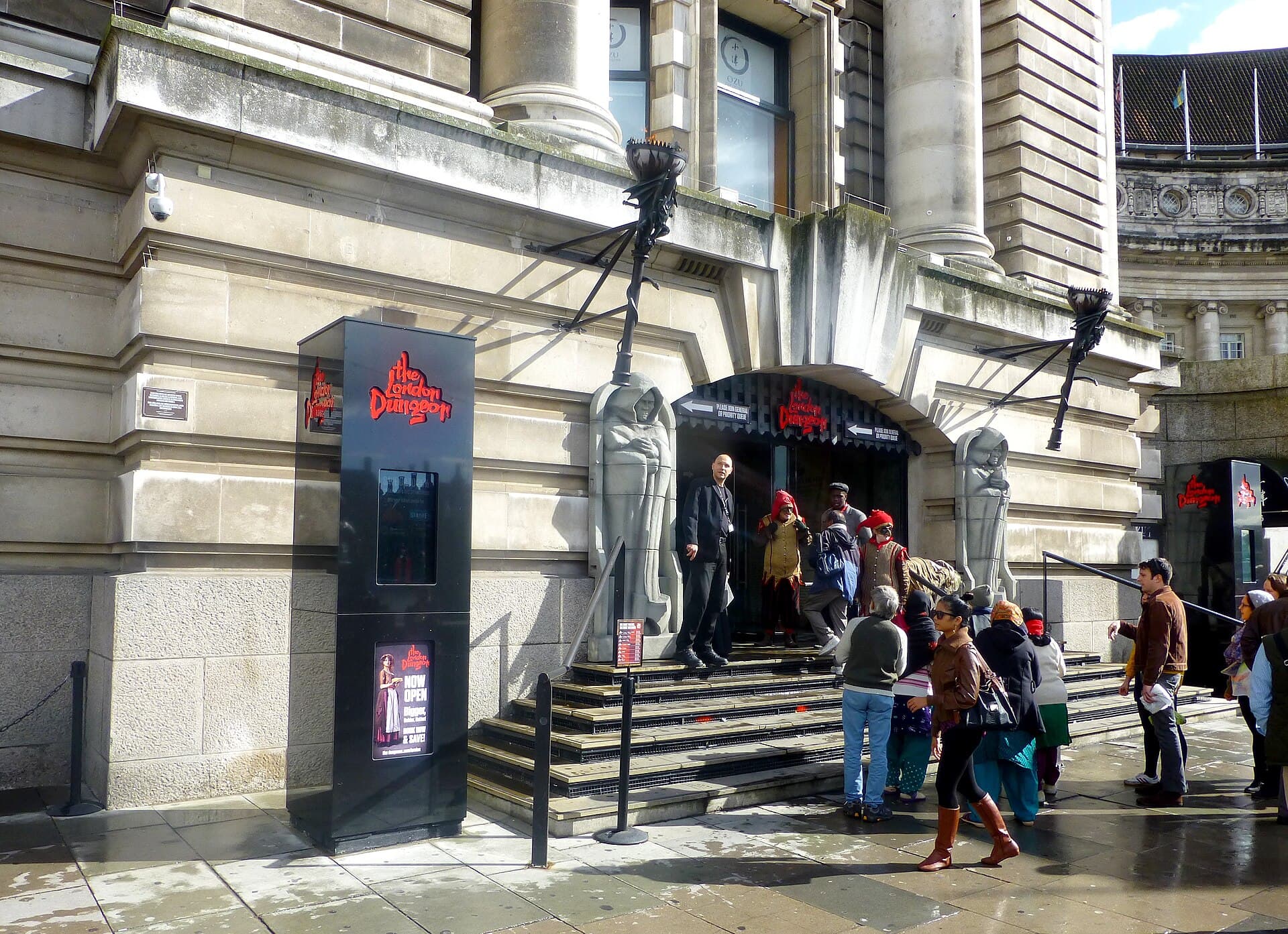 The London DungeonIn the basement of County Hall, a few steps from the London Eye queue, an actor 10 minutes walk4.4
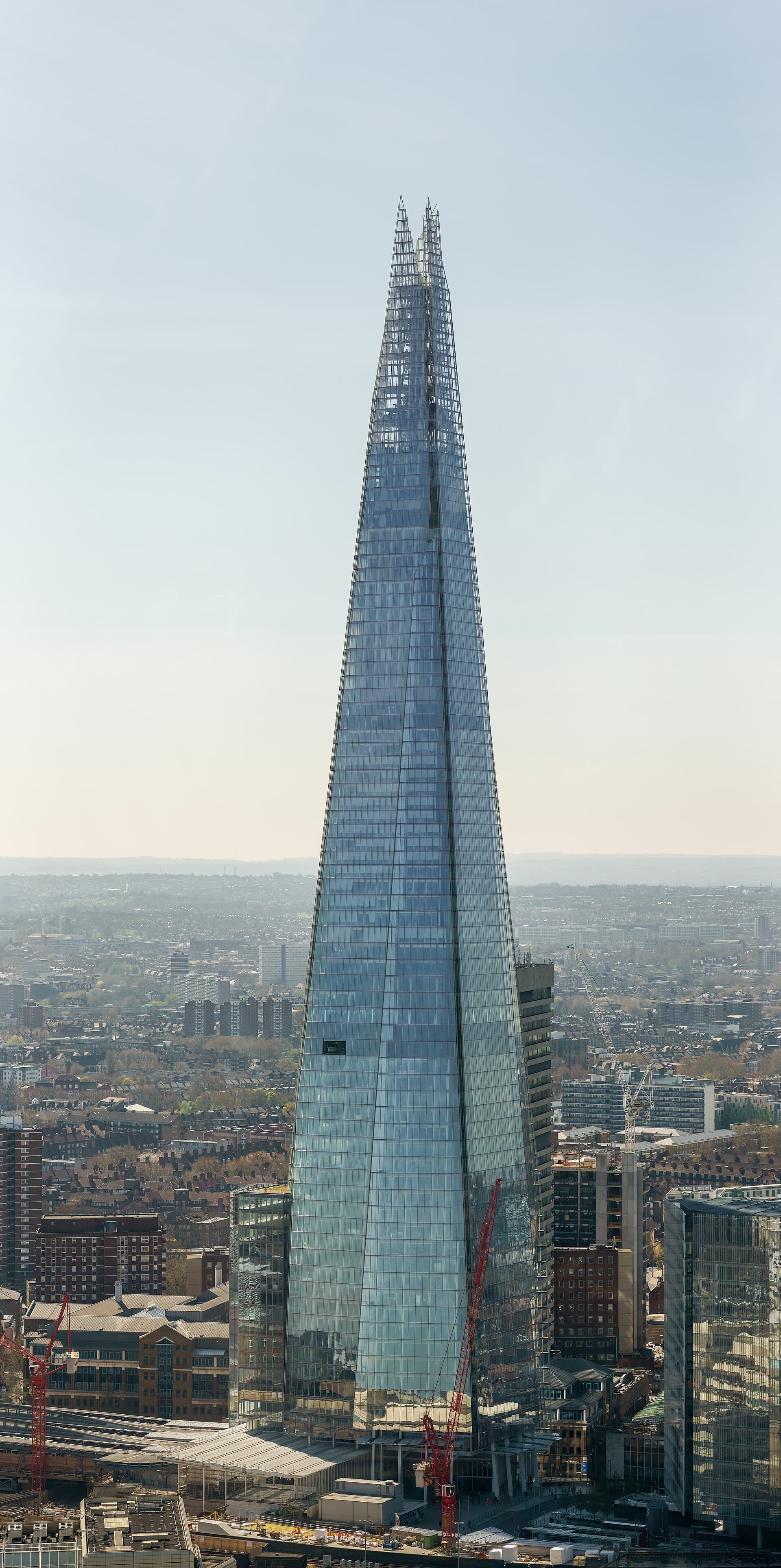 The ShardFrom level 72, roughly 244 metres up with no roof between you and the sky, Tower12 minutes walk4.7
Not a special trip — a stop on a City walk. Bull's Head Passage is a short, narrow lane and the door looks nothing like the pub front in the film, so children expecting Diagon Alley may feel let down after a couple of photos. Twenty minutes is enough; pair it with Sky Garden or the Tower of London, about ten minutes on foot. For the real Harry Potter experience, book the Warner Bros. Studio Tour at Leavesden.
Weekday, without hesitation: at lunchtime the place fills with City workers and every shop is open. On Saturday and Sunday the arcades feel almost empty and most units are shut, except on pop-up market days (a craft fair on the second Saturday of the month, April to December, and a vintage furniture and flea market on the last Sunday, April to October, 12:00-17:00). For people-free photos, come early on a working-day morning.