
The Tower Bridge view
From mid-span, Tower Bridge and HMS Belfast line up in a single frame, the best free angle for photographing both.
oyxman — CC BY 2.5 · burge5000 — CC BY 2.0 · United Kingdom Hydrographic Office — Public domain · Anthony O'Neil — CC BY-SA 2.0
Not one stone of the bridge in the nursery rhyme is still in London. Its direct predecessor, John Rennie's granite bridge of 1831, was sold in 1968 to an American businessman for $2.46 million, dismantled block by block and rebuilt in the Arizona desert, where it now spans a channel of Lake Havasu. What you walk across today is a plain concrete bridge opened in 1973 with no towers and no ornament, and that is exactly what deflates so many visitors: the bridge they have in mind, the one with twin stone towers and a road that lifts for ships, is Tower Bridge, roughly 800 metres downstream. The site still deserves a pause, because this is London's oldest bridging point, and until 1729 it was the city's only road crossing of the Thames. The Romans put the first timber bridge here; the medieval stone bridge rose in 1209 and stood for about six centuries carrying houses, shops and a chapel, with the heads of traitors displayed on spikes above its southern gatehouse, most famously William Wallace's in 1305. It was less a bridge than a street suspended over water, and nothing of it survives beyond the name. The real payoff is the view, not the structure. Stand mid-span on the eastern pavement and Tower Bridge lines up ahead with the warship HMS Belfast moored in front of it; turn round and the City's towers stack up above the north bank, with the dome of St Paul's off upstream. At the southern end The Shard rises straight out of London Bridge station, with Borough Market's food stalls (some of them halal) and Southwark Cathedral a few minutes' walk away; at the northern end stands the Monument to the Great Fire of 1666. The bridge is flat, wide and pushchair-friendly, and needs no more than fifteen minutes, so fold it into a South Bank walk rather than treating it as a destination. In summer the pavements fill with commuters at rush hour; in London's wet winter there is no shelter from rain or wind up here, so aim for the early dusk, around four in the afternoon in December, when Tower Bridge and The Shard light up together. London Bridge station (Jubilee and Northern lines) is at the southern end, Monument (Circle and District) at the northern one.
From mid-span, Tower Bridge and HMS Belfast line up in a single frame, the best free angle for photographing both.
The previous granite bridge was sold in 1968 and rebuilt at Lake Havasu; the current one is concrete, from 1973.
Right at the south end: Borough Market's stalls, Southwark Cathedral and The Shard rising over the station.
London Bridge, London SE1
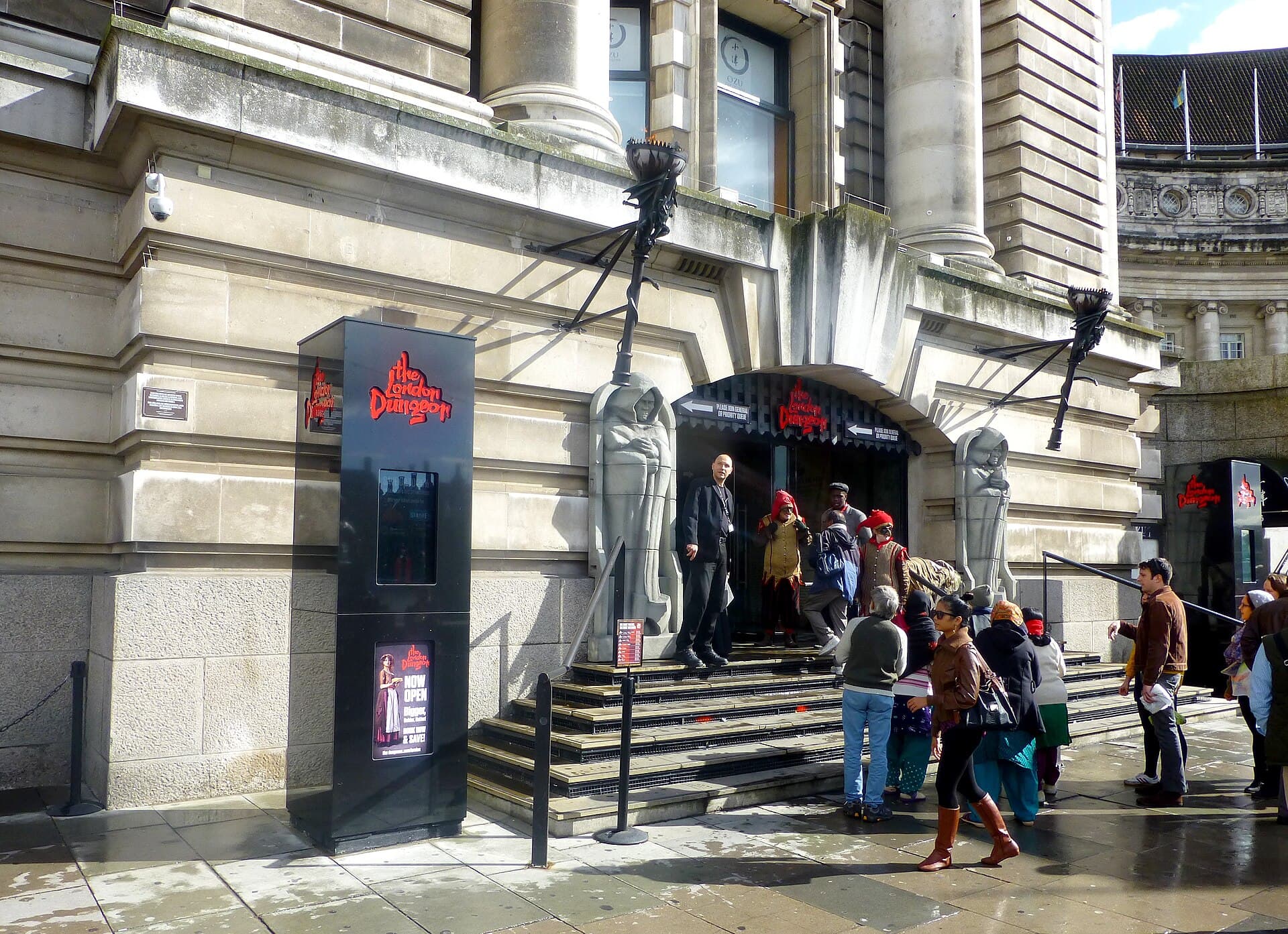 The London DungeonIn the basement of County Hall, a few steps from the London Eye queue, an actor 4 minutes walk4.4
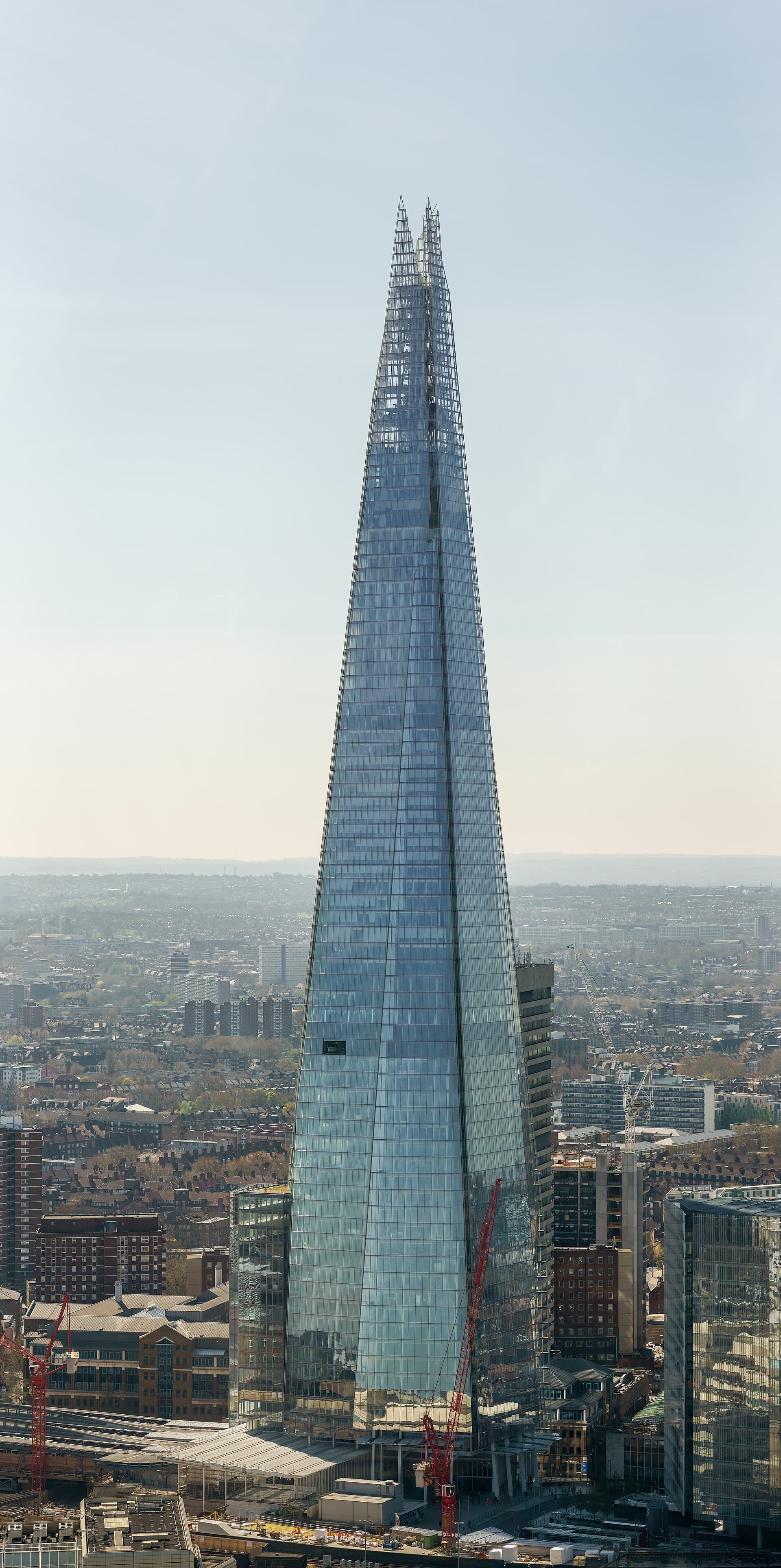 The ShardFrom level 72, roughly 244 metres up with no roof between you and the sky, Tower5 minutes walk4.7
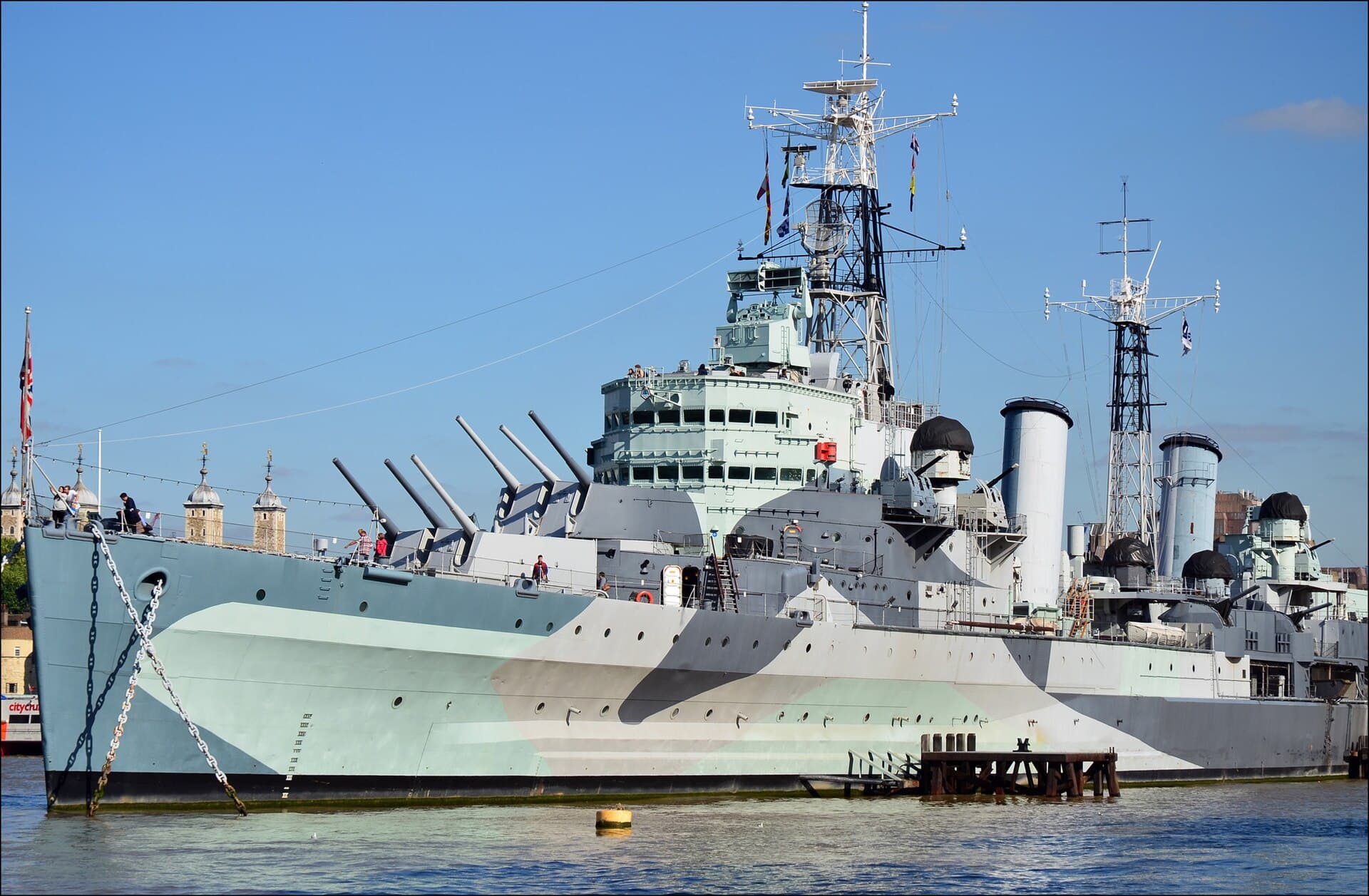 HMS BelfastThe forward guns of this cruiser moored on the Thames are trained, deliberately,6 minutes walk4.6
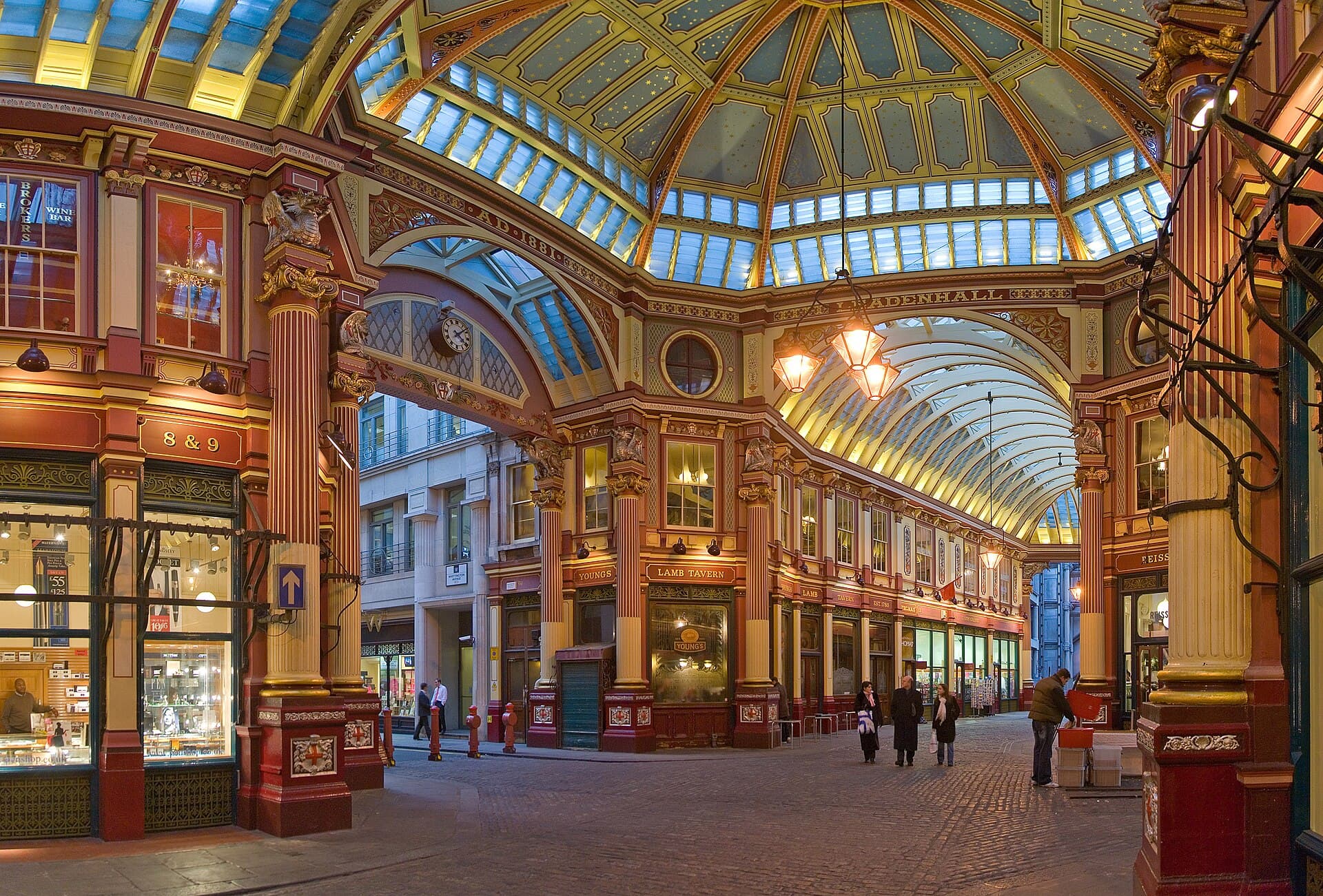 Leadenhall MarketStep out of the glass towers of the City and into a Victorian arcade of wrought 7 minutes walk4.5
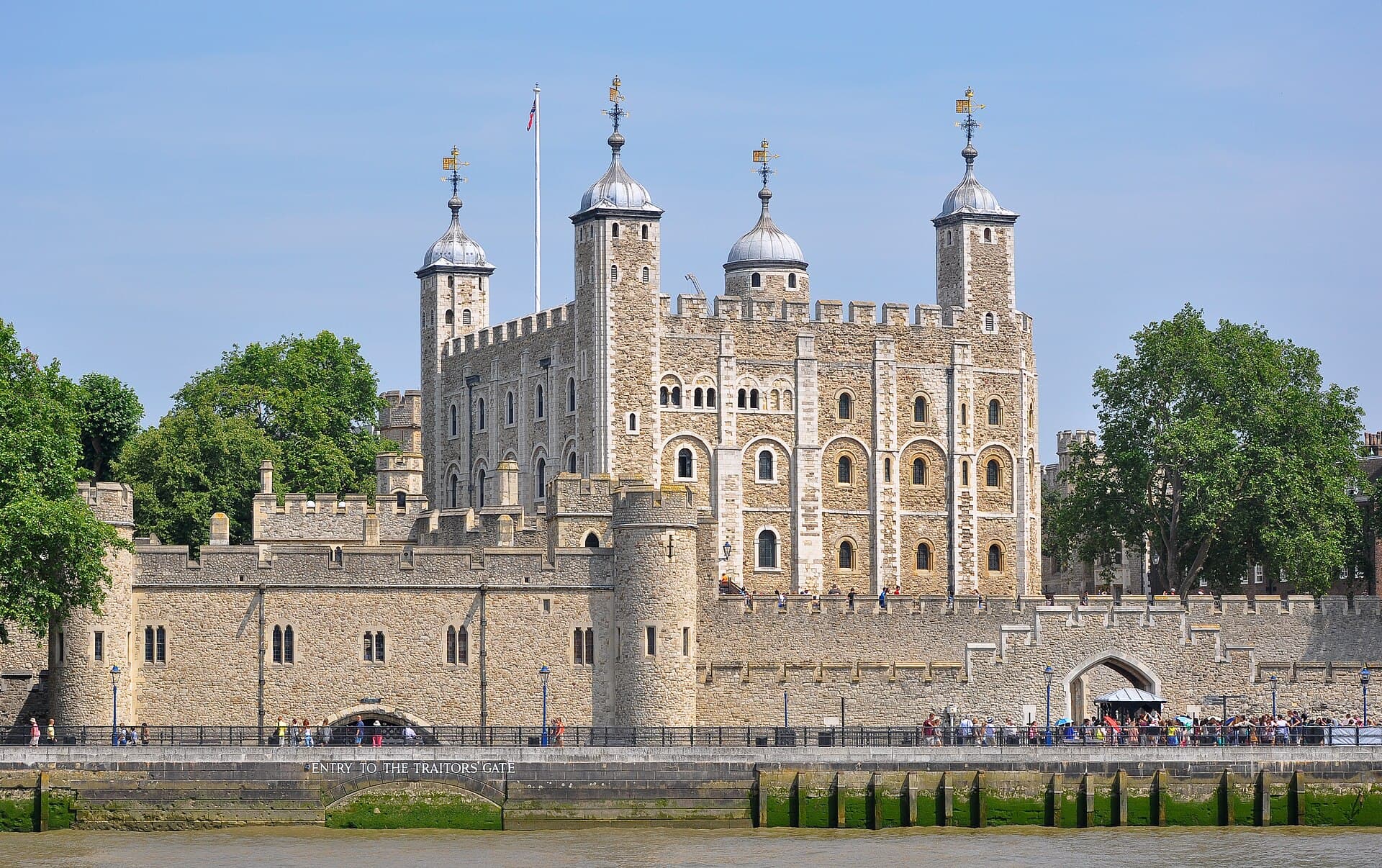 Tower of LondonWilliam the Conqueror raised it after 1078 not to protect London but to intimida10 minutes walk4.6
No. The bridge with the twin stone towers and the lifting road is Tower Bridge, about 800 metres downstream. London Bridge is a plain concrete bridge from 1973; its value is the view from it, not its looks.
Not as a separate stop. Walk across it on your way between the Tower of London and Borough Market or the South Bank; the pavement is wide, flat and pushchair-friendly, and a pause mid-span for photos of Tower Bridge is all it needs.