
The exotic trees
Ginkgo, sequoia, magnolia and species from around the world, planted over two centuries.
Gerd Eichmann — CC BY 4.0 · Gerd Eichmann — CC BY-SA 4.0 · Gerd Eichmann — CC BY-SA 4.0 · Gerd Eichmann — CC BY-SA 4.0
Lichtentaler Allee is a long tree-lined walk running about three kilometres beside a small river through the middle of Baden-Baden. It is not a fenced park but an open green avenue, and it has become the symbol of the town. It began in the eighteenth century as an oak path, and over two centuries trees from around the world were planted along it: ginkgo, sequoia, magnolia and many more. The result is an unusual mix of European and foreign trees the whole way along. In the nineteenth century Baden-Baden drew the kings and the rich of Europe, and this walk was where they took their daily promenade. The buildings along it date from that time: hotels, a theatre and museums, among them the Museum Frieder Burda. Walking it is free and always open. Spring is the finest time, when the magnolias flower, and autumn is lovely too for the colour.
Ginkgo, sequoia, magnolia and species from around the world, planted over two centuries.
A narrow watercourse running alongside the walk, crossed by small bridges.
Nineteenth-century hotels, a theatre and museums, from the era of European royalty.
Lichtentaler Allee, 76530 Baden-Baden
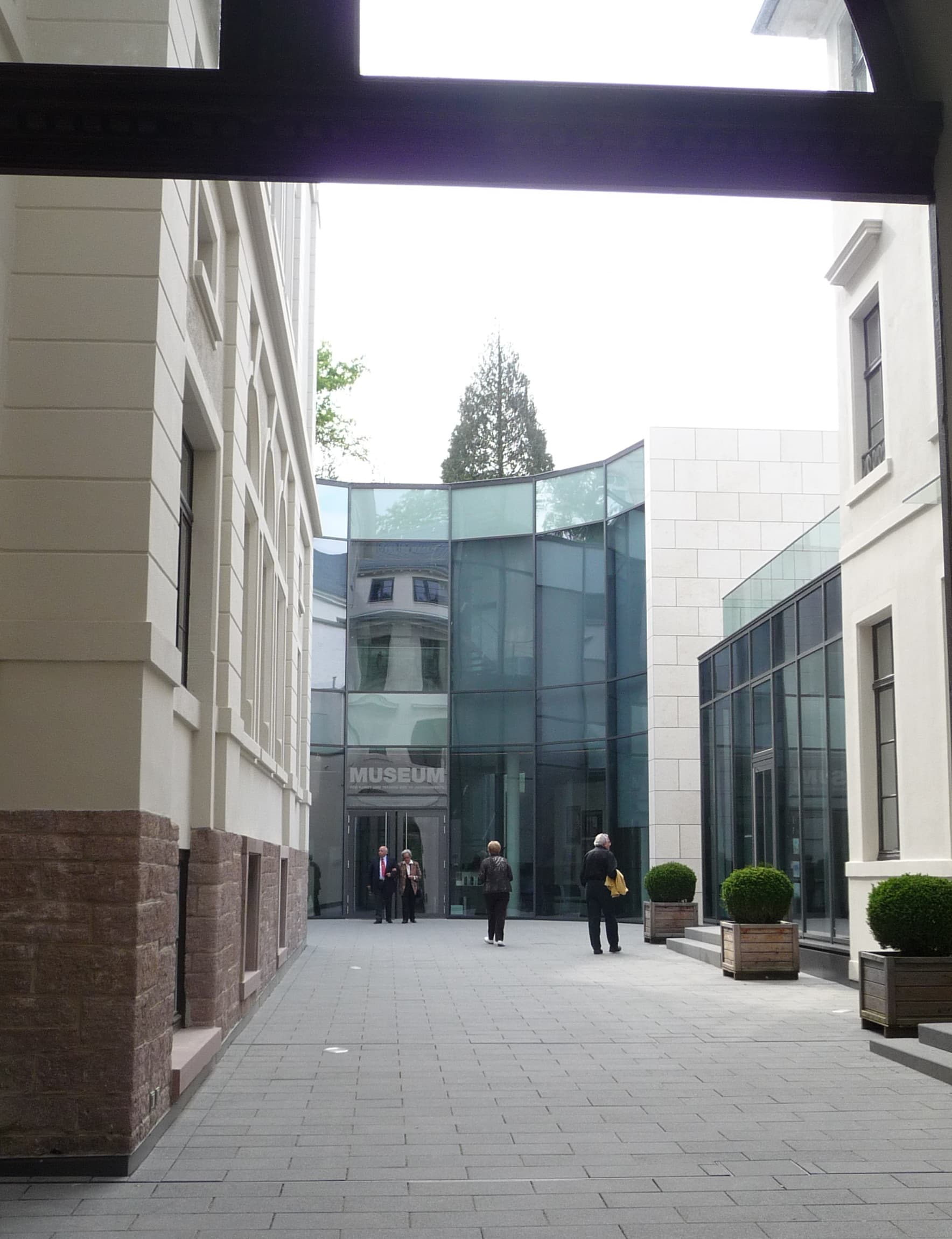 Museum LA8Museum LA8 is devoted to one precisely defined subject: the nineteenth century —1 minute walk4.6
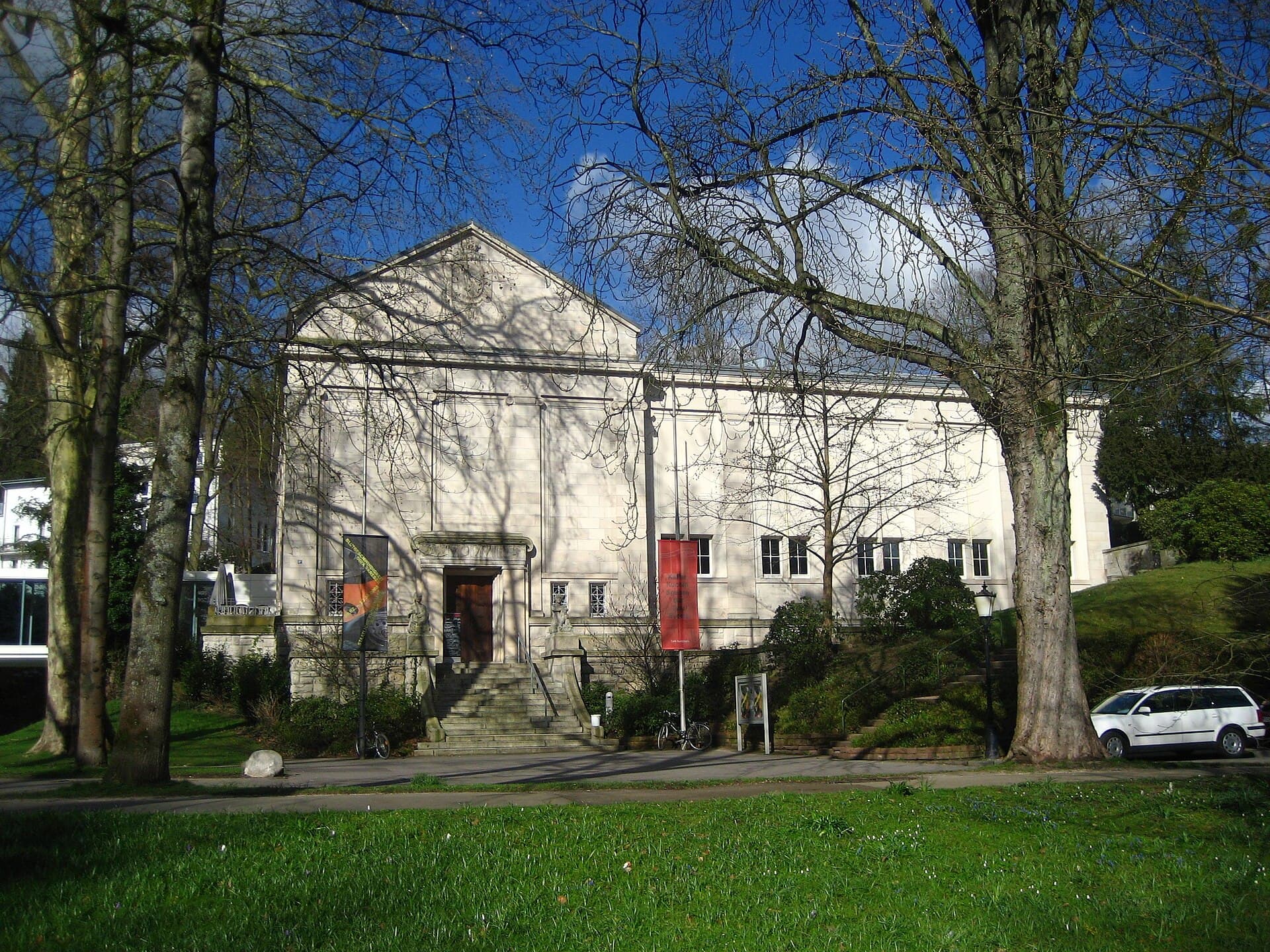 Staatliche Kunsthalle Baden-BadenThe Staatliche Kunsthalle in Baden-Baden is a contemporary art institution with 2 minutes walk3.4
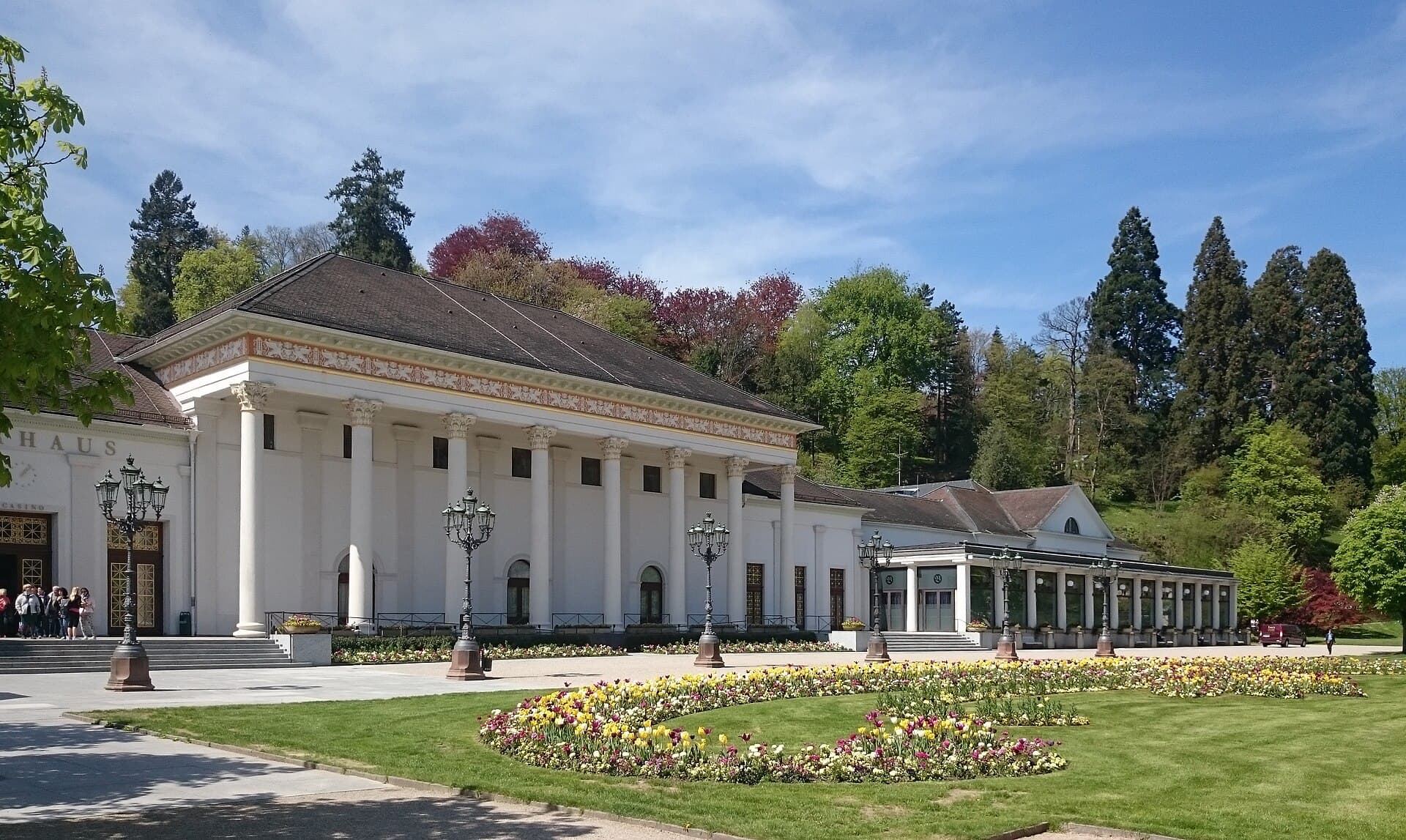 Kurhaus Baden-BadenThe Kurhaus in Baden-Baden is a white-columned nineteenth-century classical buil2 minutes walk4.6
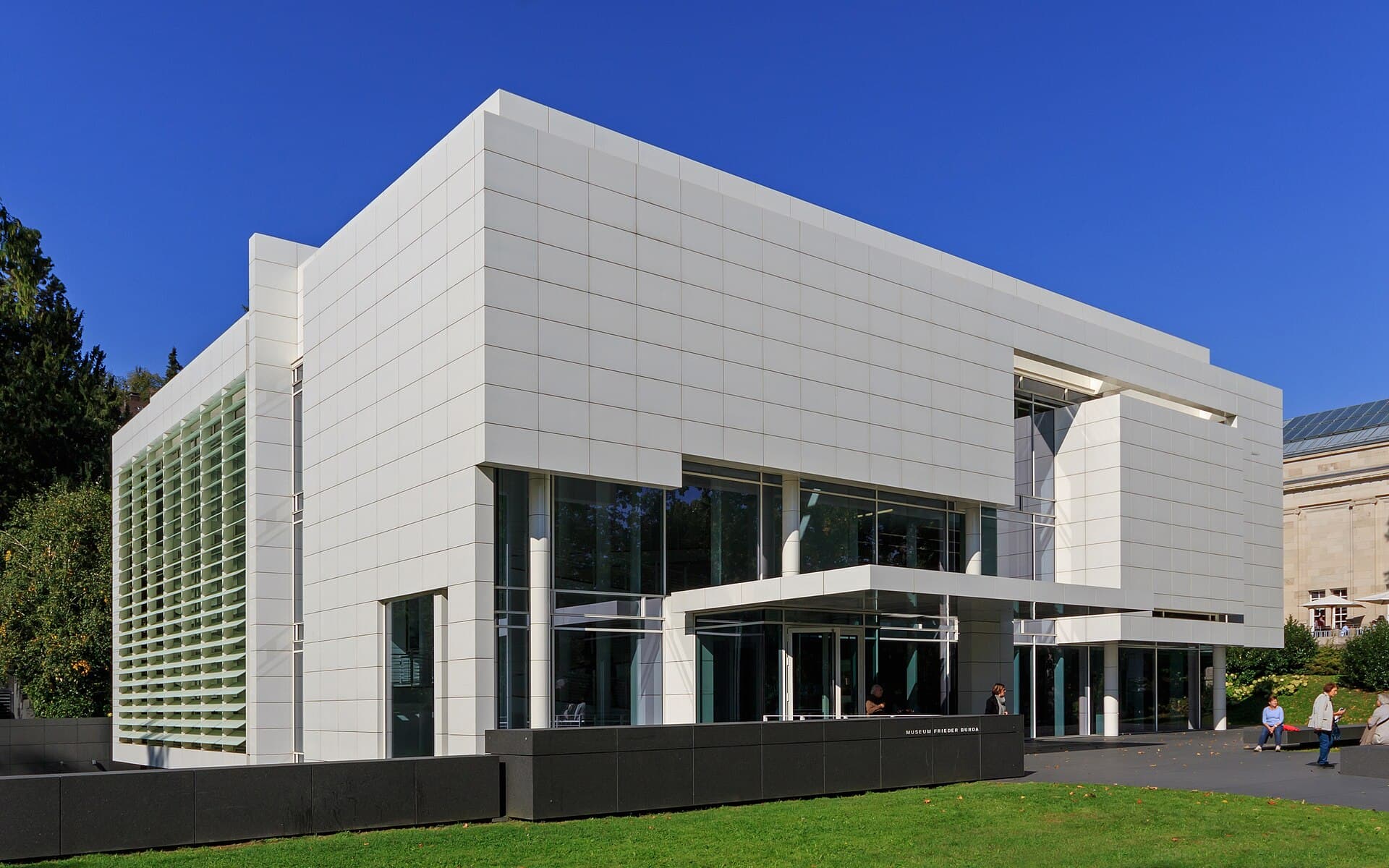 Museum Frieder BurdaThe Museum Frieder Burda is a small, elegant white building on Lichtentaler Alle3 minutes walk4.6
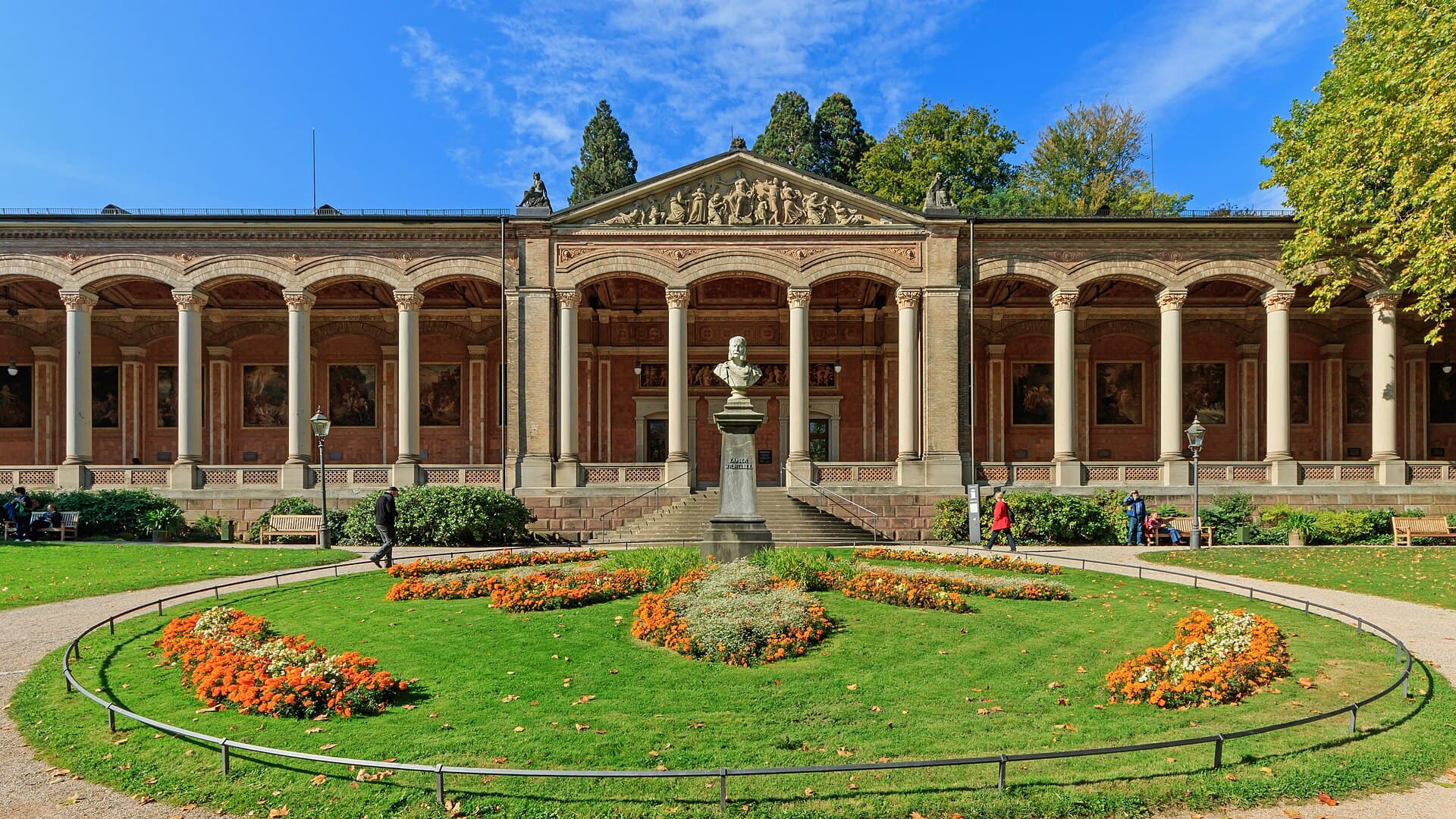 TrinkhalleThe Trinkhalle is a long colonnaded building in central Baden-Baden, put up in t3 minutes walk4.5
The avenue runs about three kilometres one way. An hour at an easy pace, two there and back with stops. You can walk part of it and turn around — it has no fixed start or finish.
Spring for the magnolia blossom, autumn for the leaf colour. Summer is comfortable because the trees shade the whole path. Winter is bare but quiet.
The Frieder Burda museum and the Trinkhalle are on the avenue itself, and the casino and Kurhaus are close. The town is small, so everything is minutes apart on foot.