
The stained-glass lantern
John Piper and Patrick Reyntiens's coloured tower paints the entire circular interior in light that changes with the weather.
Superchilum — CC BY-SA 4.0 · Mark Stevenson — CC BY 2.0 · Talsarnau Times — CC BY 4.0 · Tony Hisgett from Birmingham, UK — CC BY 2.0
Liverpudlians rarely use the official name. To them this is Paddy's Wigwam, or the Mersey Funnel: a circular concrete cathedral thrown up in under five years, 1962 to 1967, to Frederick Gibberd's design after a worldwide competition that drew nearly 300 entries. From the street it can look like a power station or a control tower parachuted onto the top of Mount Pleasant, and people have been arguing about the outside for sixty years. The verdict changes at the door. Step in and you are under a crown of stained glass in blues, yellows and reds by John Piper and Patrick Reyntiens, flooding the whole round space with light that shifts every time a cloud crosses the city. The altar sits dead centre with the seating wrapped around it, so there is no long nave and no forest of pillars, just one room that feels like standing inside a vast lantern. The story underground is stranger still. Thirty years before Gibberd, Edwin Lutyens began what would have been the second-largest church on earth after St Peter's in Rome. He got the brick crypt built, then the war and spiralling costs killed it. The present cathedral sits on top of that abandoned dream, and the Lutyens Crypt is open Monday to Saturday, 10:00 to 16:00 (last entry 15:30), for £5 per person or £12 for a family ticket bought at the welcome desk. Expect soaring arches of dark purple brick, a chapel sealed by a heavy rolling stone gate, and a treasury of silver chalices and embroidered vestments (no photography in the treasury). It is the one place where the scale of what never happened really lands. The cathedral itself is free, no booking, open daily 07:30 to 18:00 (last entry 17:45), with one caveat: daily Masses restrict wandering, and during university graduation seasons (typically summer and midwinter) parts of the building close for ceremonies, so check the website before you set off. Getting there is easy: a ten-minute uphill walk from Lime Street station, or the cathedral's own car park at £2 to £8 depending on how long you stay (note the 7ft 6in height limit if you are driving a tall family hire car). The grand brick staircase at the front is the photograph everyone takes, but there is a step-free entrance from the car park and lifts down to the crypt, so pushchairs are no trouble. The practical advice is not to visit it on its own. Hope Street links it in a ten-minute walk to the enormous stone Anglican Liverpool Cathedral at the far end, and the contrast between the two, one dark Gothic pile that took a century to build and one modern one finished in half a decade, is honestly the best part of the outing. Allow half an hour to an hour here; a sunny afternoon when the glass catches fire is the time to come, and it is a fine refuge from Liverpool rain in any season.
John Piper and Patrick Reyntiens's coloured tower paints the entire circular interior in light that changes with the weather.
Purple-brick vaults of a church that was never built, meant to be the world's second largest, with a rolling stone gate and a treasury.
Ten minutes on foot to the Anglican cathedral at the other end, and the contrast between the two is the real prize.
Mount Pleasant, Liverpool L3 5TQ
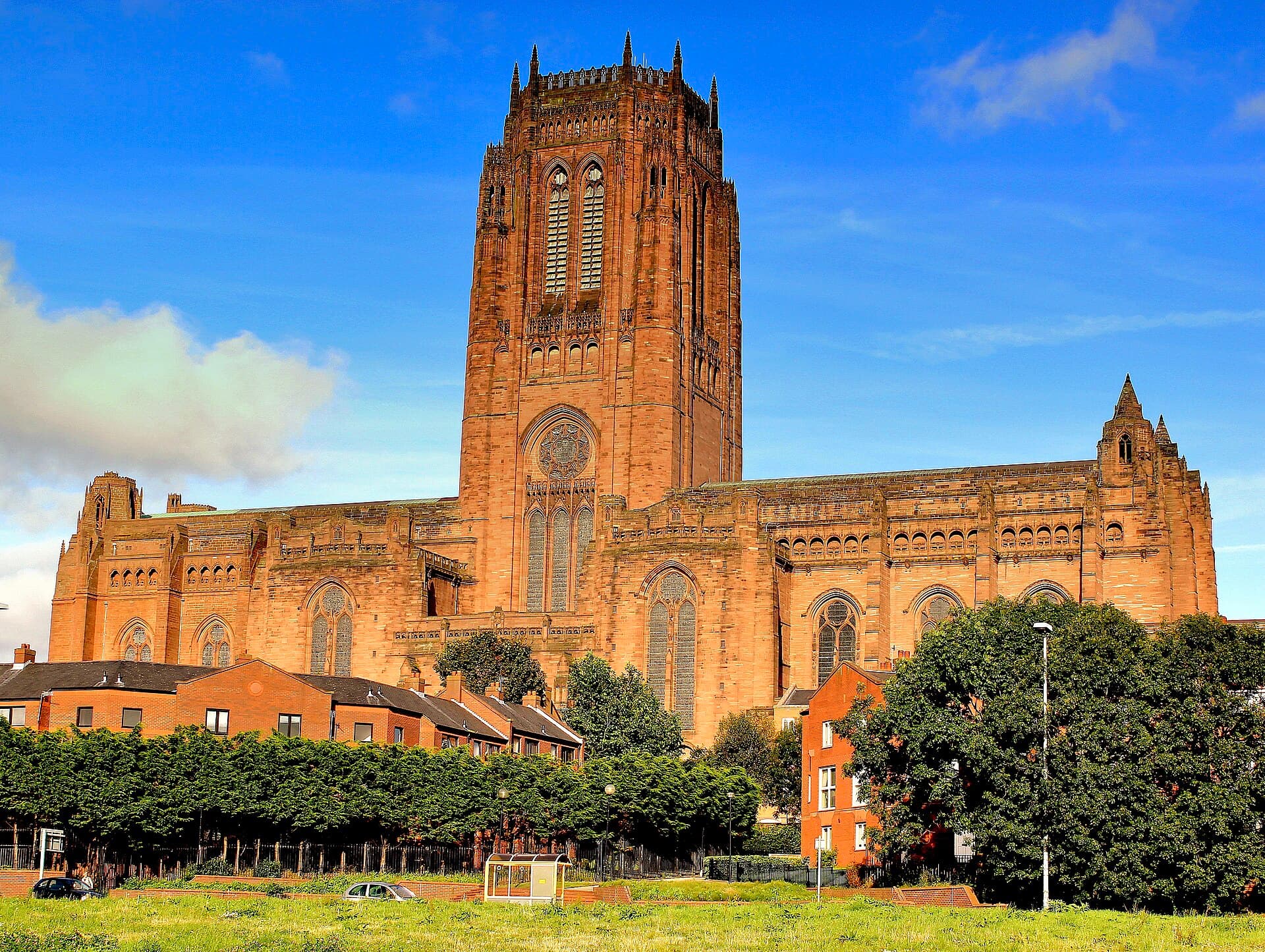 Liverpool CathedralA 22-year-old drew it, and he never saw it finished. Giles Gilbert Scott won the11 minutes walk4.7
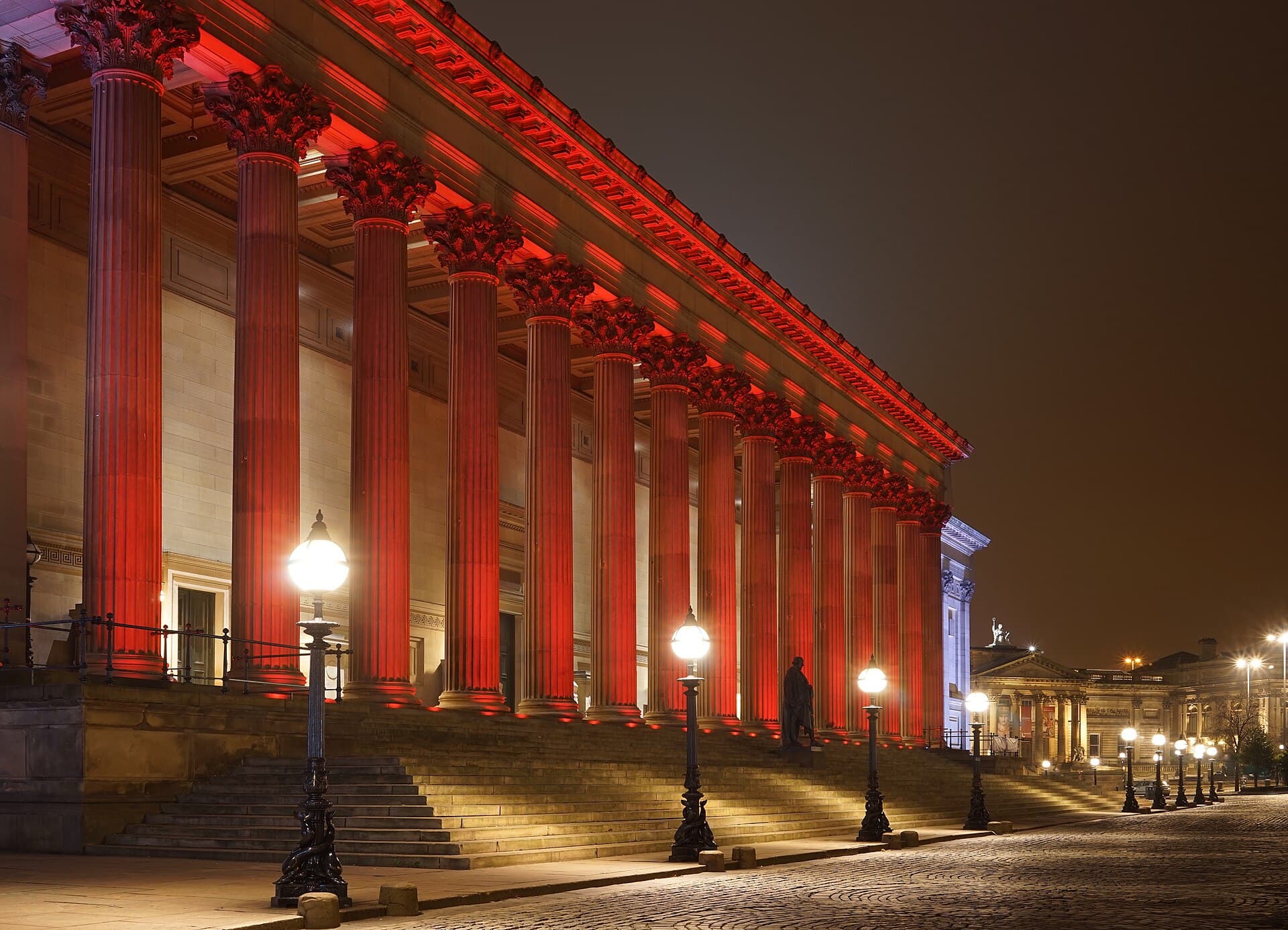 St George's HallStep out of Lime Street station and the first thing in front of you is not a hot11 minutes walk4.8
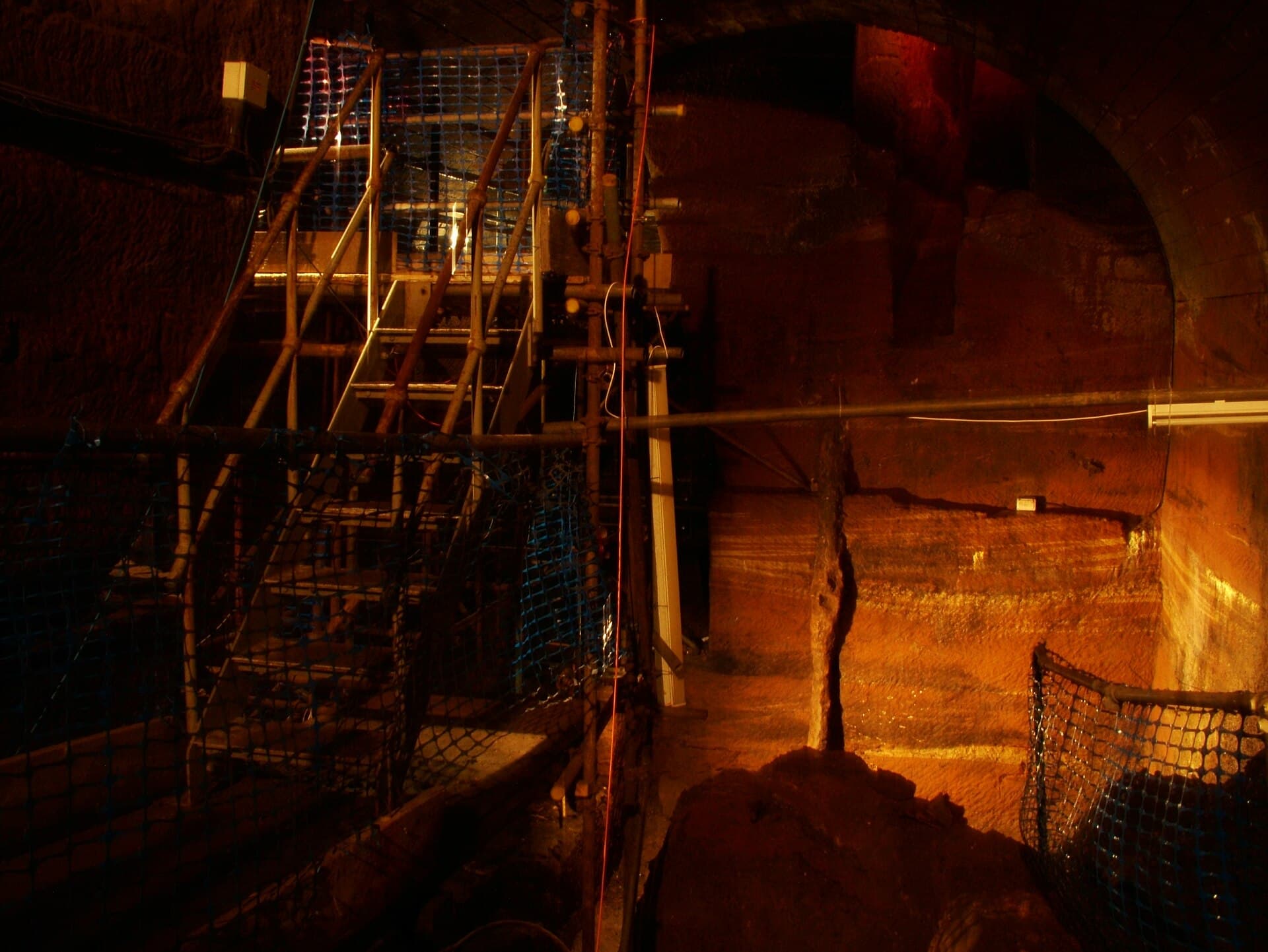 Williamson Tunnels Heritage CentreBeneath the quiet streets of Edge Hill runs a warren of brick-vaulted chambers a11 minutes walk4.4
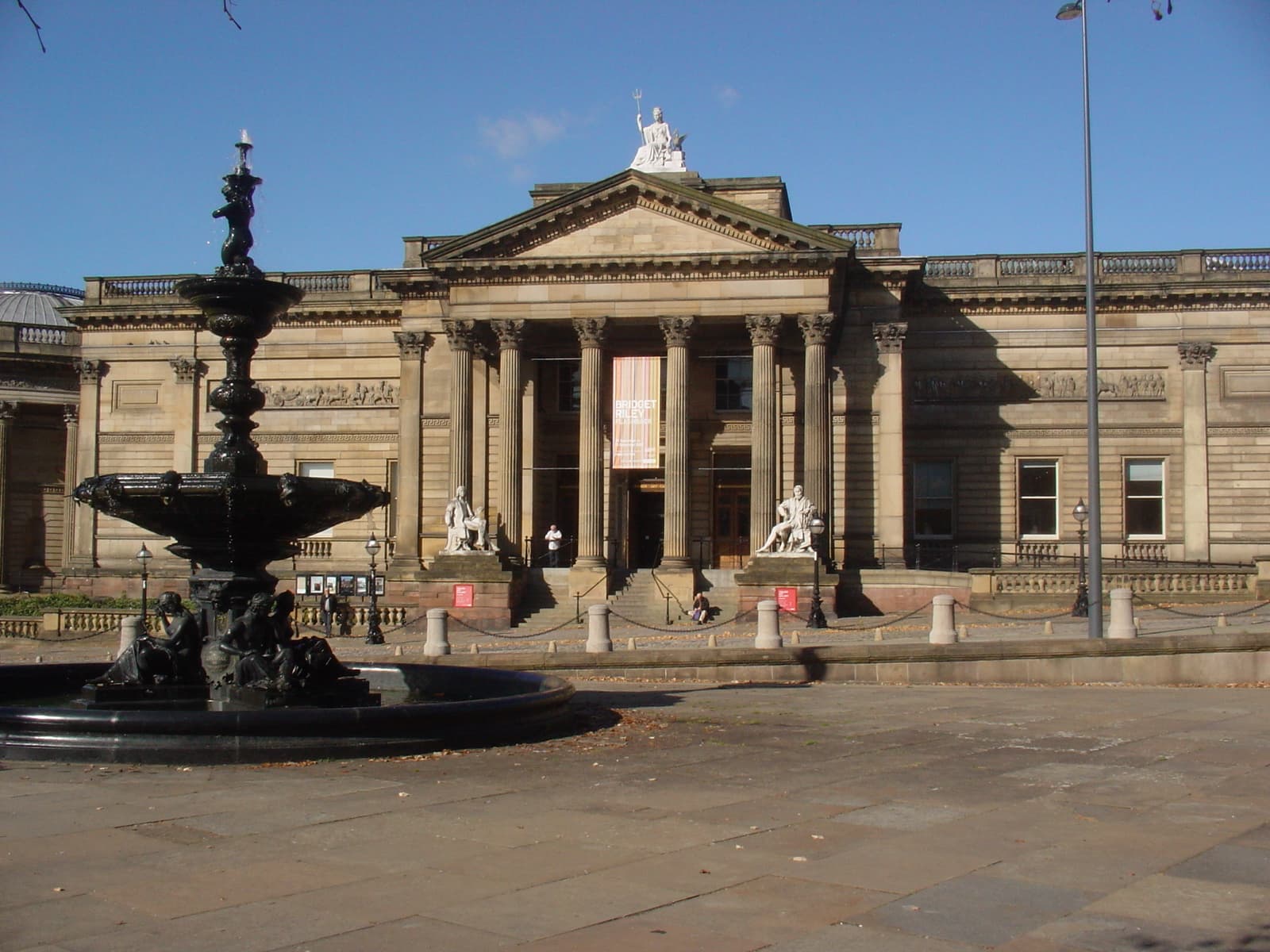 Walker Art GalleryA Rembrandt, a Rubens and a Poussin in a northern port city built by ship-owners12 minutes walk4.8
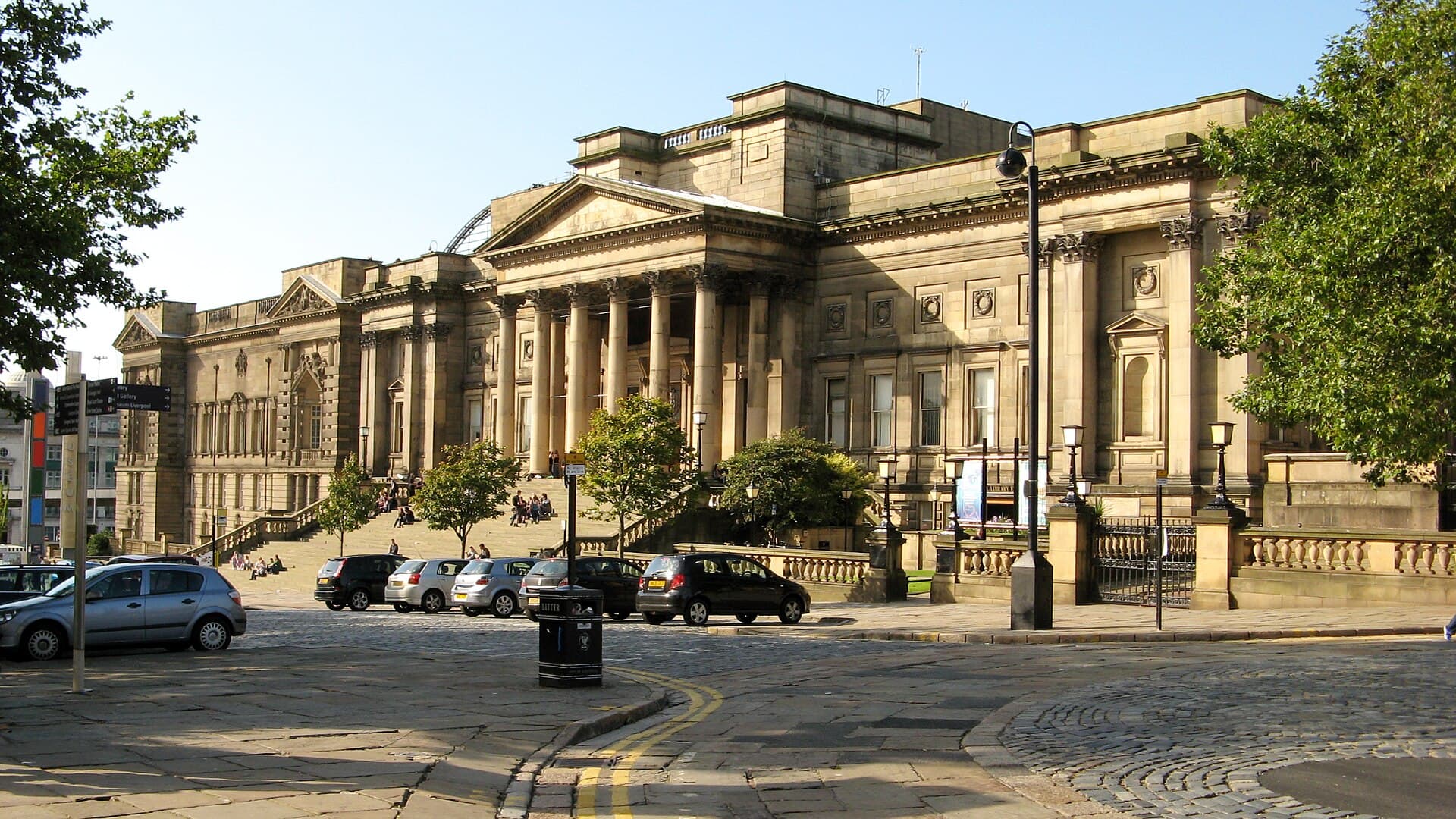 World Museum LiverpoolEgyptian mummies, a live aquarium, a bug house, dinosaur skeletons and a planeta13 minutes walk4.7
The Anglican one if you want sheer scale and a tower you can climb for the city view; this one if you want an interior unlike anything else and can spare half an hour. But they are ten minutes apart along Hope Street and both free to enter, so splitting them wastes the best architectural comparison in England.
Worth it if architecture or the story of the unbuilt giant interests you; it is the only place the scale of Lutyens's dream becomes real. With small children or a tight schedule, the cathedral upstairs is plenty on its own, and remember the crypt is closed on Sundays.