
The unsolved riddle
Three decades of digging and vaults more than ten metres deep, with not one document explaining why Williamson built them.
No machine-readable author provided. Chowells~commonswiki assumed (based on copyright claims). — CC BY-SA 3.0 · CaptainBiscuitbeard — CC BY-SA 4.0 · Lachlan — CC BY-SA 2.0 · Rodhullandemu — CC BY-SA 4.0
Beneath the quiet streets of Edge Hill runs a warren of brick-vaulted chambers and passages dug between roughly 1810 and 1840 on the orders of a wealthy tobacco merchant, Joseph Williamson, who never told anyone why. Hundreds of labourers, three decades of digging, arches dropping more than ten metres in places, and not one document explaining the point of it. The usual theories are job creation for men thrown out of work after the Napoleonic wars, an eccentric religious conviction that a great flood was coming, or simply an obsessive who did not know how to stop. That riddle, more than the brickwork, is what makes the visit fun. The Heritage Centre, run by the Joseph Williamson Society from the Old Stable Yard on Smithdown Lane, opens one section of the network by guided tour of about 45 minutes, with a small exhibition on the man and on the things dug out of the fill: 19th-century bottles, crockery and household junk, because for generations the tunnels served as the neighbourhood's rubbish tip before volunteers began shovelling them clear. Everyone gets a hard hat, and you will want a jacket even in July, since the air underground is cold and damp. The tour moves slowly over steps and uneven floors; it is not for pushchairs or wheelchairs, but anyone who can climb an ordinary household staircase can manage it. The practical part matters here. The centre opens Fridays, Saturdays and Sundays only, tours leave hourly at half past from 10:30 to 15:30, and every place must be booked in advance by telephone on 0151 709 6868 (the line is answered 10:00-15:00 on open days). There is no online booking and no walk-in. Tickets are £5 for adults, £3 for children and £15 for a family, paid when you arrive. Groups are small, so in the summer holidays call several days ahead. Do not confuse this with the Friends of Williamson's Tunnels on Mason Street a few minutes away: a separate group that opens different, deeper sections on Wednesdays and Sundays, free with a donation and booked by email; their tours are longer, harder going and involve steep ladders. The site sits about 2 km east of Lime Street, a 25-minute walk through the university district or a short taxi ride; Edge Hill station, one stop from Lime Street, is roughly ten minutes on foot. Worth it? For anyone spending two or more days in Liverpool, and for families with children over about six who like caves and mysteries, yes, and it is an ideal wet-weather refuge. For a single day split between the waterfront and the Beatles, it is a luxury you can skip without regret.
Three decades of digging and vaults more than ten metres deep, with not one document explaining why Williamson built them.
The exhibition shows bottles, crockery and pottery volunteers dug out of the fill that choked the tunnels for generations.
Forty-five minutes with a volunteer guide through cold brick arches, a treat for children over six on a rainy day.
The Old Stable Yard, Smithdown Lane, Edge Hill, Liverpool L7 3EE
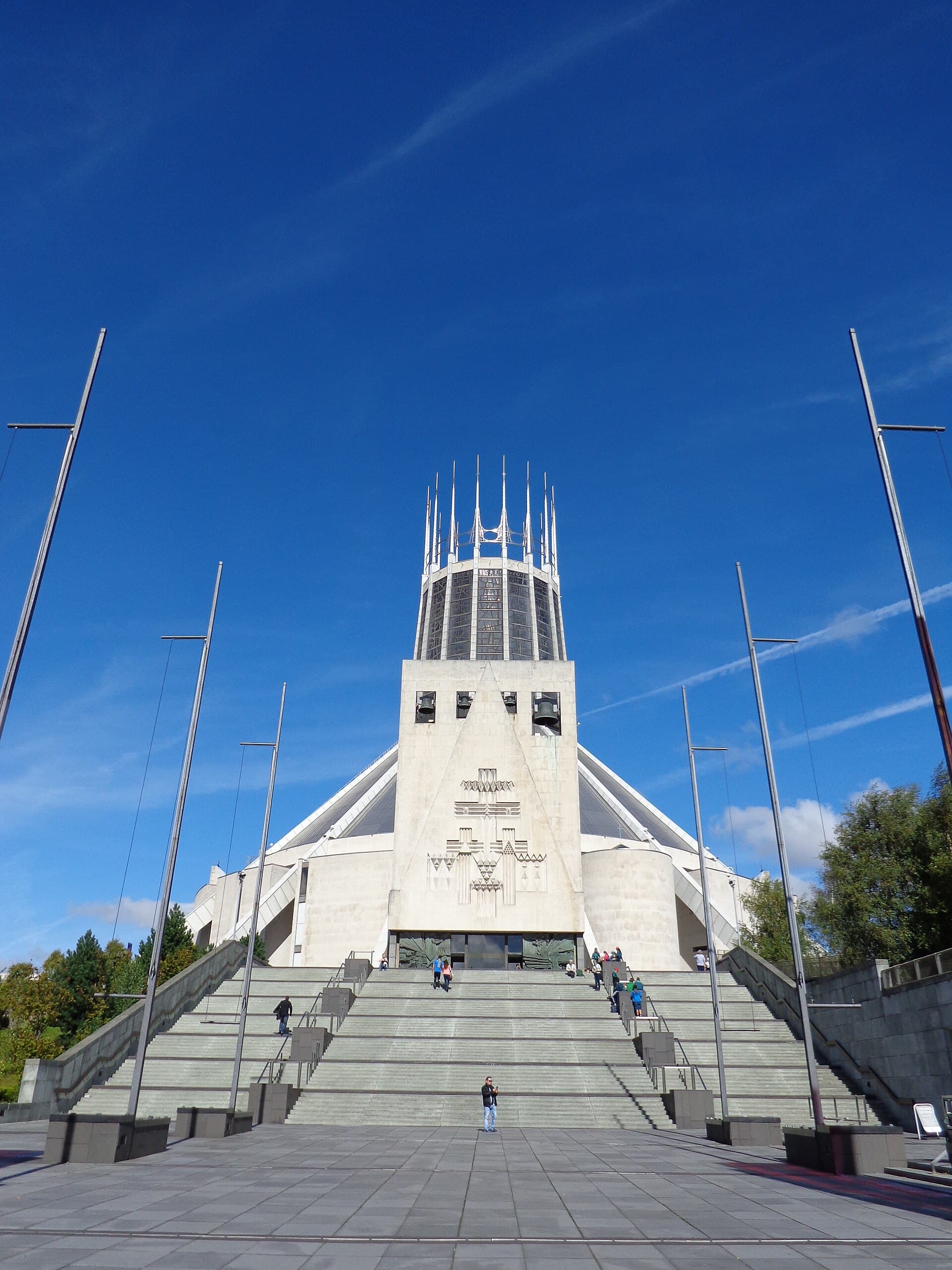 Liverpool Metropolitan CathedralLiverpudlians rarely use the official name. To them this is Paddy's Wigwam, or t11 minutes walk4.7
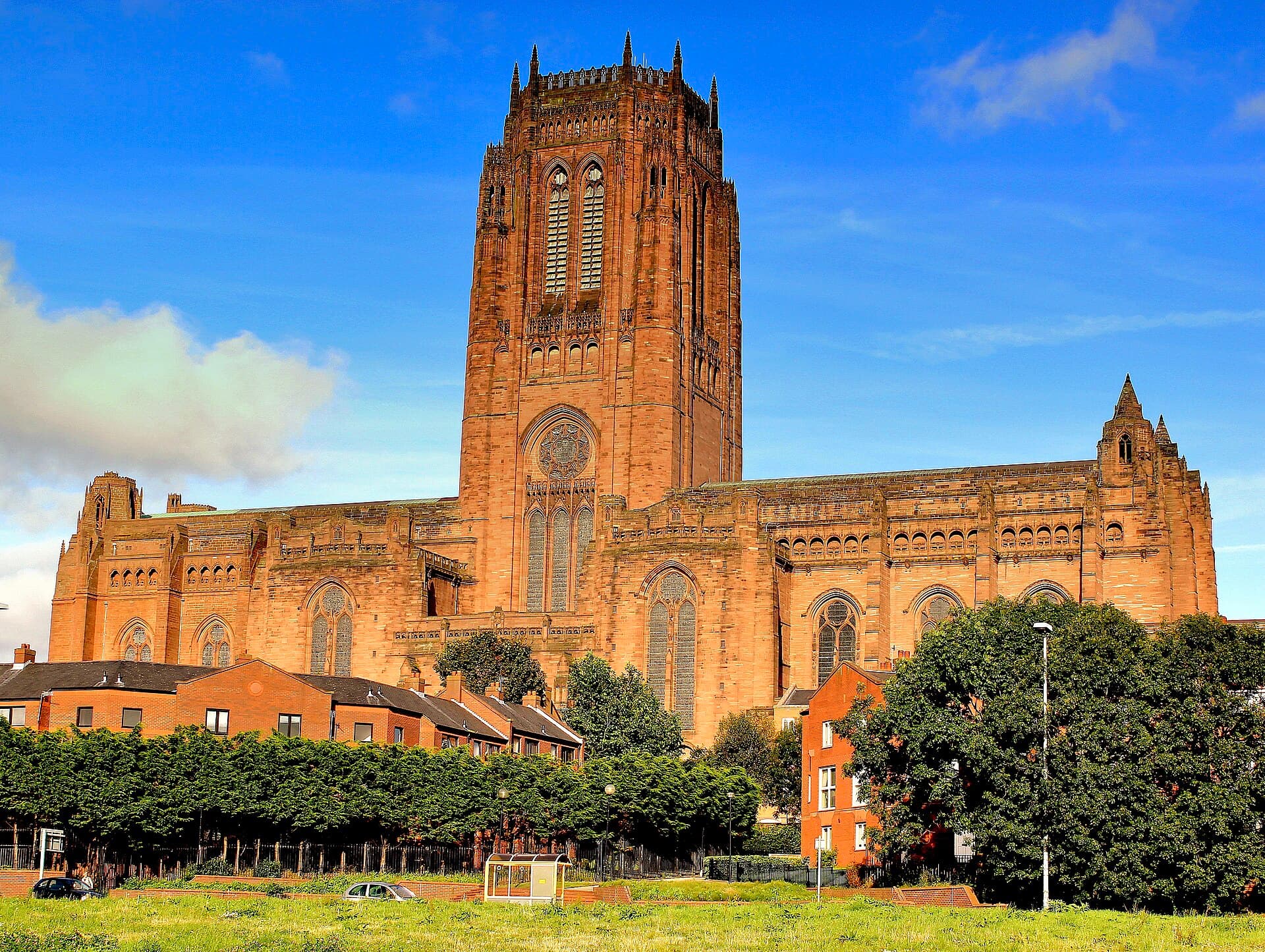 Liverpool CathedralA 22-year-old drew it, and he never saw it finished. Giles Gilbert Scott won the17 minutes walk4.7
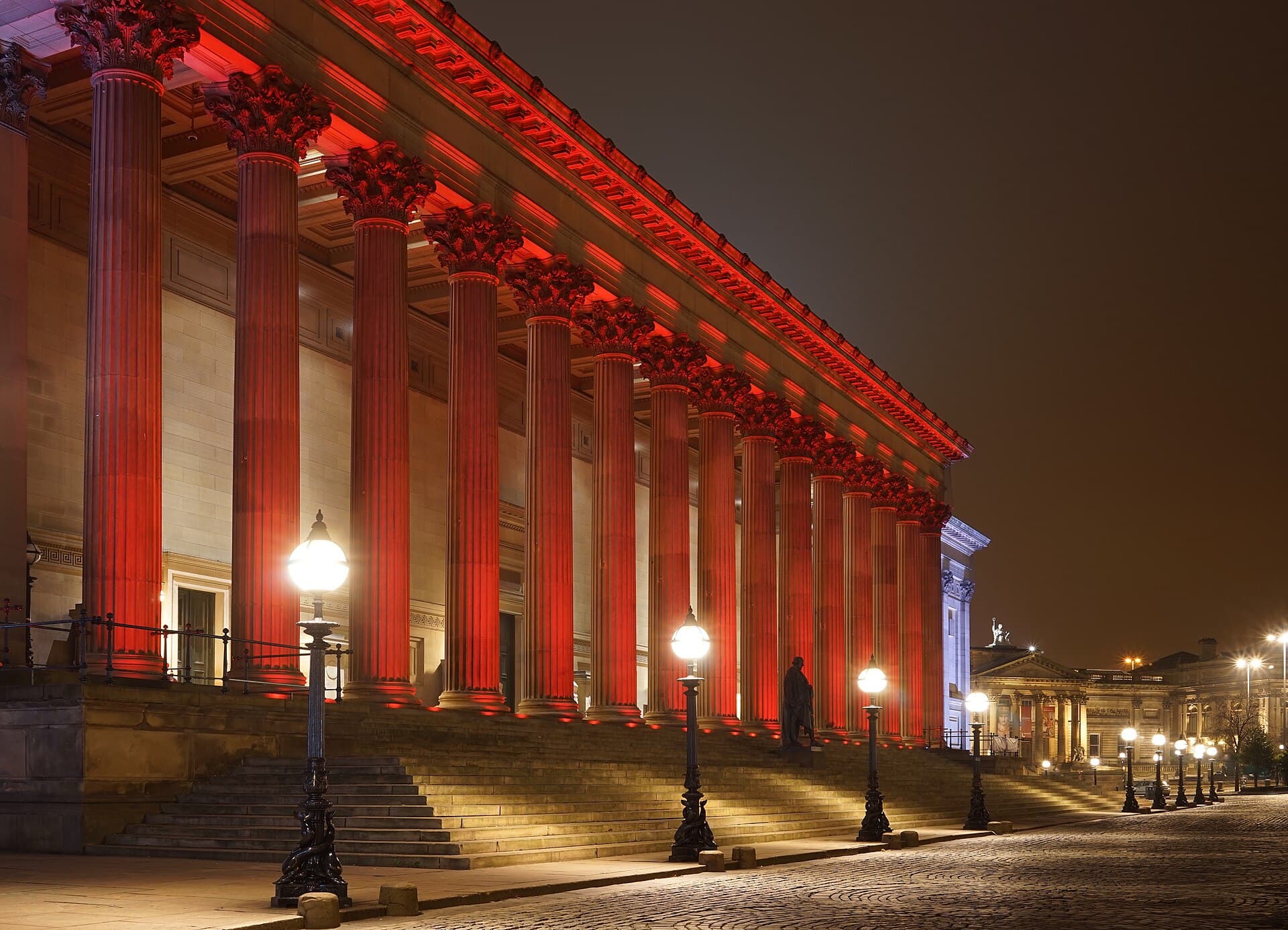 St George's HallStep out of Lime Street station and the first thing in front of you is not a hot22 minutes walk4.8
 Walker Art GalleryA Rembrandt, a Rubens and a Poussin in a northern port city built by ship-owners22 minutes walk4.8
 World Museum LiverpoolEgyptian mummies, a live aquarium, a bug house, dinosaur skeletons and a planeta24 minutes walk4.7
Two separate groups open different parts of the same network. The Heritage Centre (this page) runs a short, relatively easy 45-minute tour for £5, Friday to Sunday, and suits families. The Friends' tours on Mason Street are much longer (around two hours), deeper and harder going, with steep ladders; they are free with a donation and booked by email on Wednesdays and Sundays only. With young children or older relatives choose the Heritage Centre; if you are a history obsessive with good knees, the Friends' tour is the richer one.
It works for children from about six upwards, and they are usually the ones who enjoy the hard hats and dark arches most. Pushchairs cannot go into the tunnels because of the steps and uneven ground, so leave them at reception. Dress the little ones in a jacket and closed shoes; it is cold and damp underground in every season.