
The Pre-Raphaelite rooms
Saturated Victorian colour and stagey storytelling, headed by «And When Did You Last See Your Father?».
Rept0n1x — CC BY-SA 3.0 · Carroll Pierce — CC BY-SA 2.0 · Miguel Mendez from Malahide, Ireland — CC BY 2.0 · LiverpoolJane — CC BY 4.0
A Rembrandt, a Rubens and a Poussin in a northern port city built by ship-owners rather than kings, and not a penny to see any of them. That is the quiet surprise of the Walker Art Gallery, one of the largest art collections in England outside London. The columned Victorian building on William Brown Street opened in 1877 on a brewer's money and spent the next century and a half filling up with whatever Liverpool could buy while its docks were among the richest on earth. The route through the building runs roughly by date. Upstairs you begin with gilded Italian and Flemish panels from the 13th and 14th centuries, pass the Dutch masters, then reach what most people come for: the Pre-Raphaelite and Victorian rooms, all saturated colour and stagey storytelling, including «And When Did You Last See Your Father?», which British visitors stand in front of with schoolroom nostalgia. The modern British rooms hold a famous David Hockney swimming-pool canvas, while the ground floor has the sculpture gallery and the temporary exhibition spaces where the John Moores Painting Prize, the UK's best-known painting competition, running since 1957, hangs its shortlist every other year. For families: Big Art for Little Artists, on the ground floor, is a hands-on room for under-eights with dressing-up, touching and drawing, and it buys parents a good half hour with the paintings. There are lifts and a ground-floor café, and pushchairs move around easily. But be clear about what this is: a traditional picture gallery with no screens or interactive gadgets. Anyone who does not enjoy painting will be done in thirty minutes and should walk next door to the World Museum, which has mummies, an aquarium and a planetarium. The location is ideal for a one-day route: five minutes on foot from Lime Street station, opposite St George's Hall, beside the World Museum and Central Library. One catch that trips up many visitors: the Walker is closed on Mondays, opening Tuesday to Sunday from 10:00 to 17:00 with last entry shortly before. There are no queues even in the summer holidays, and in the grey winter it makes a warm two hours before the light goes soon after four.
Saturated Victorian colour and stagey storytelling, headed by «And When Did You Last See Your Father?».
Rembrandt, Rubens, Poussin and gilded Italian panels from the 13th century, all upstairs.
A hands-on room for under-eights on the ground floor that buys parents a quiet half hour.
William Brown Street, Liverpool L3 8EL
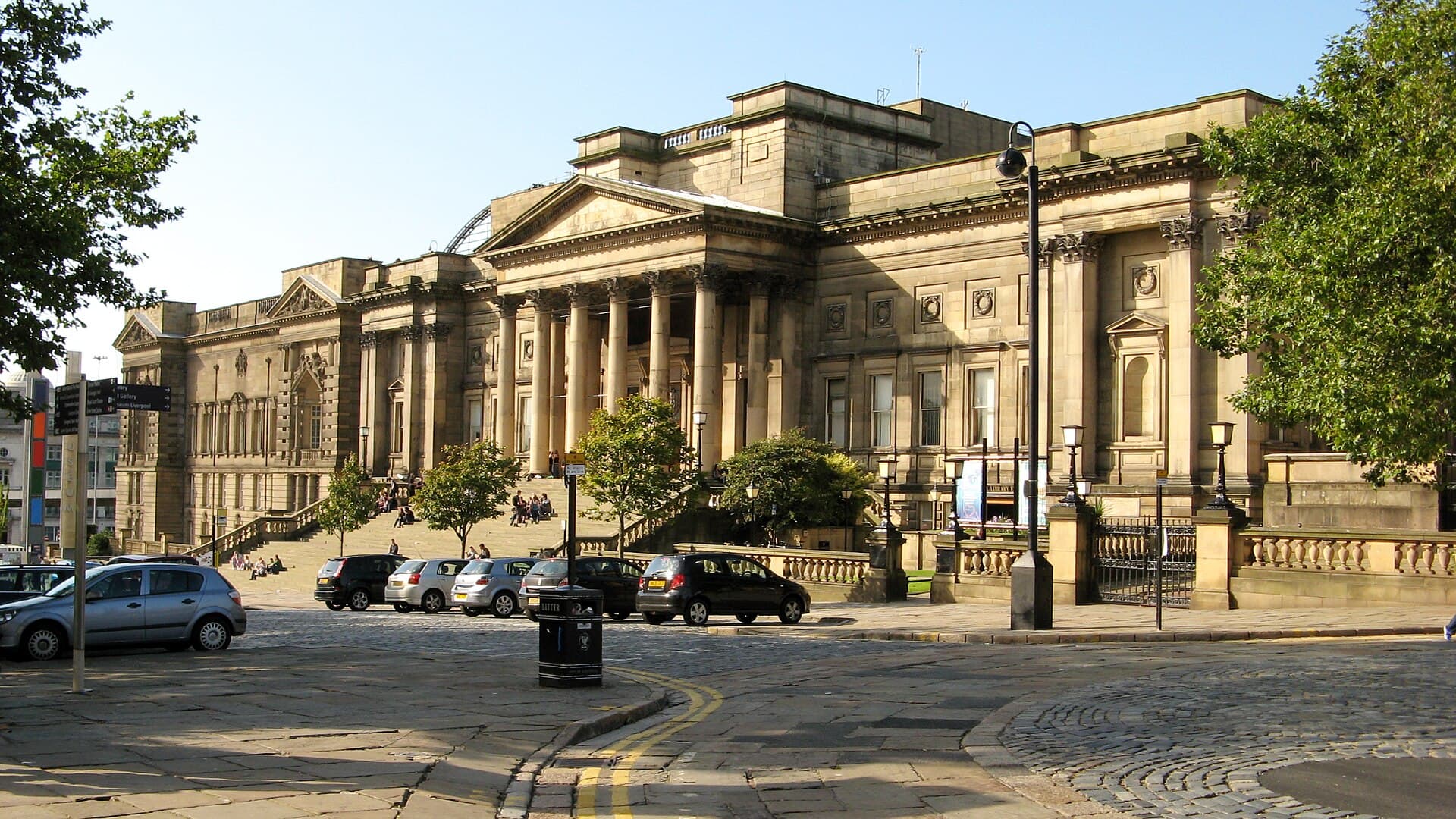 World Museum LiverpoolEgyptian mummies, a live aquarium, a bug house, dinosaur skeletons and a planeta2 minutes walk4.7
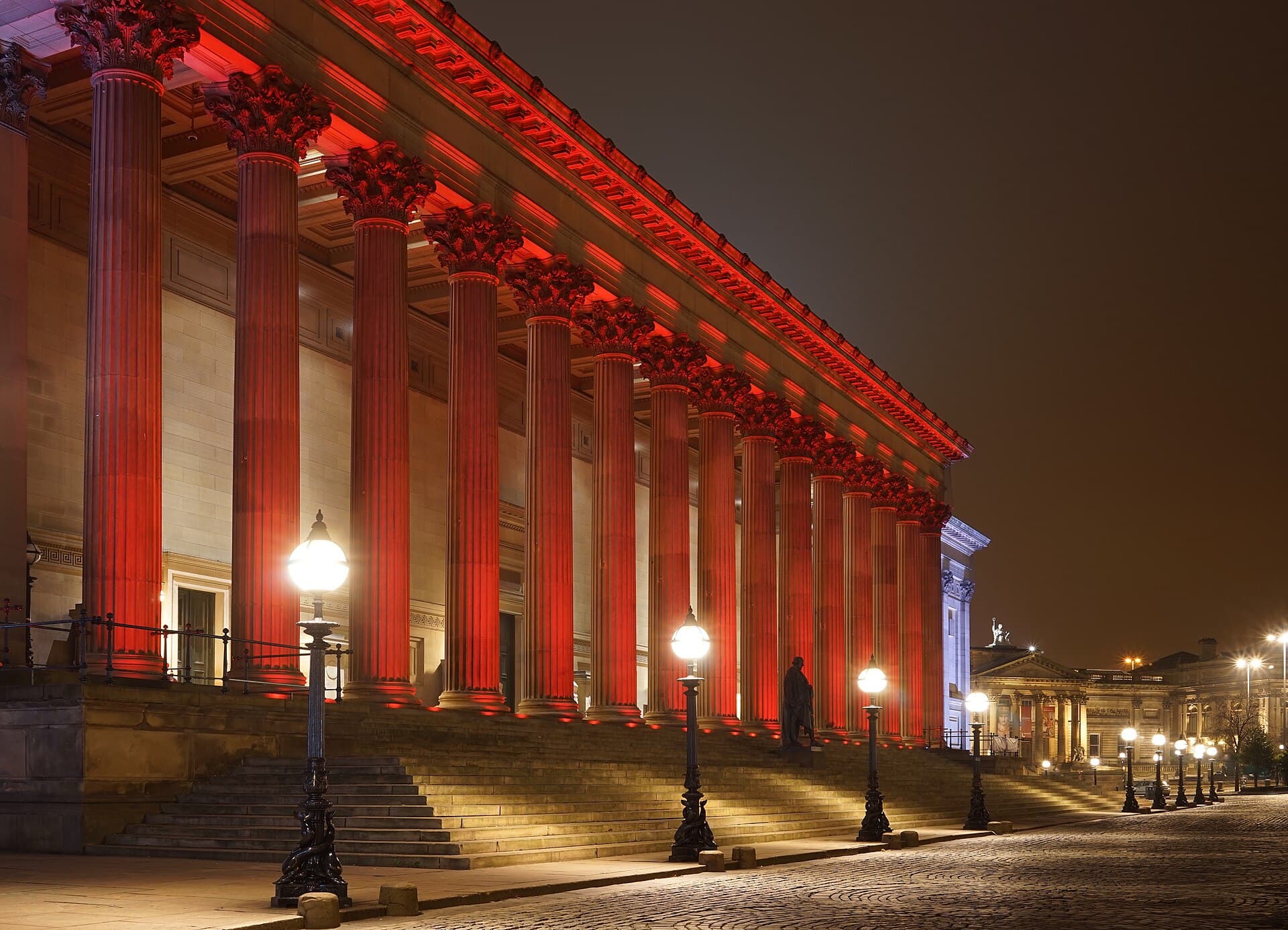 St George's HallStep out of Lime Street station and the first thing in front of you is not a hot2 minutes walk4.8
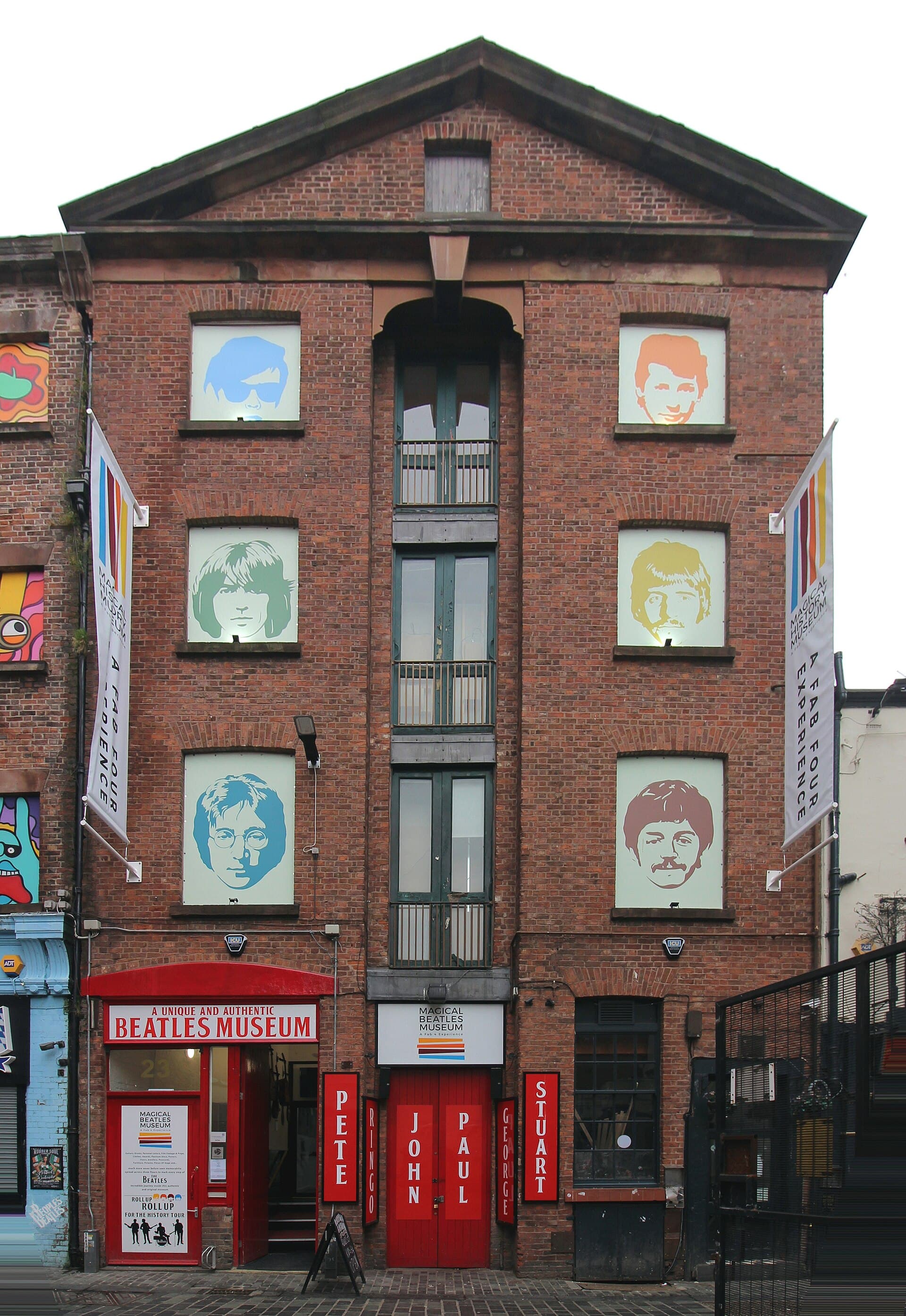 Liverpool Beatles MuseumThe man behind this museum is Roag Best, half-brother of Pete Best, the original8 minutes walk4.6
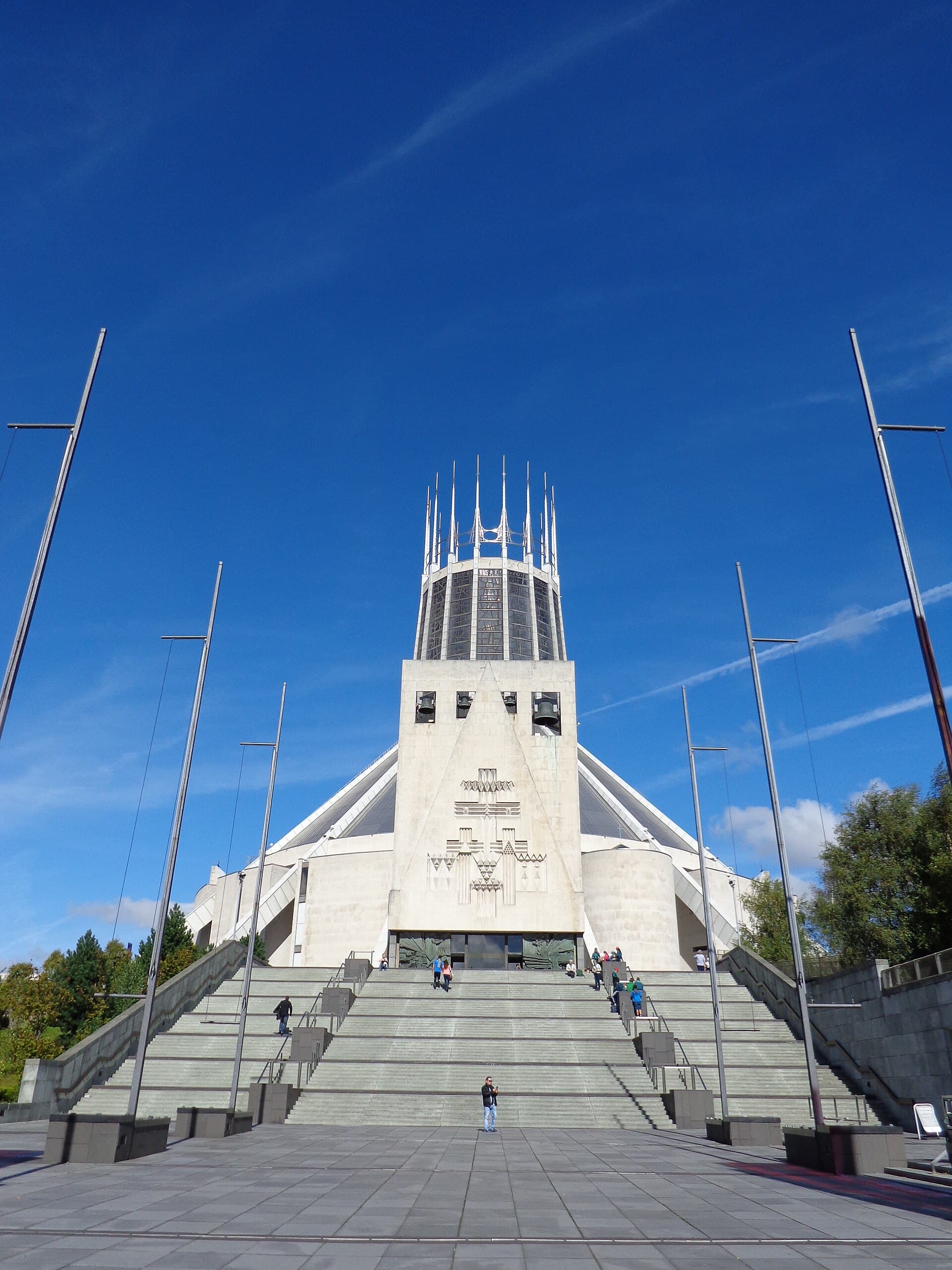 Liverpool Metropolitan CathedralLiverpudlians rarely use the official name. To them this is Paddy's Wigwam, or t12 minutes walk4.7
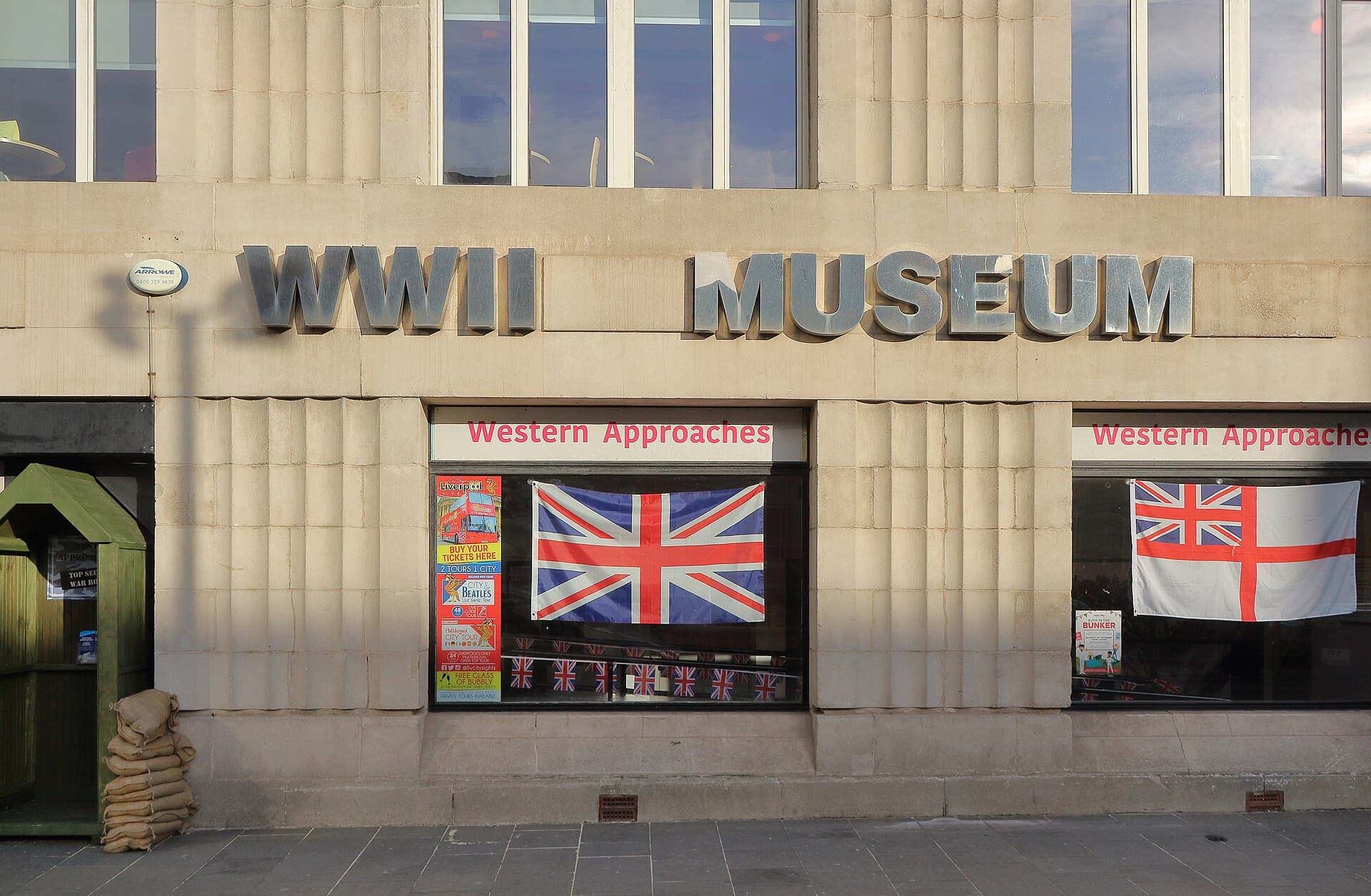 Western Approaches MuseumOn 15 August 1945 Western Approaches Command was wound up and the Operations Roo12 minutes walk4.6
The World Museum, without hesitation, if the children are under ten: mummies, an aquarium, a planetarium and dinosaurs, also free. The Walker is a traditional picture gallery whose children's room is pleasant but will not fill a morning. With two days in Liverpool, do both; they are five minutes apart on foot.
No. The permanent galleries are free and unbooked even in July and August, and queues are rare. Booking only matters for the occasional large paid temporary exhibition. The thing to remember is that it is closed on Mondays.