
The Holy Chalice
Roman agate in its chapel — the Last Supper cup's leading candidate.
Diego Delso — CC BY-SA 3.0 · Bene Riobó — CC BY-SA 4.0 · Bene Riobó — CC BY-SA 4.0 · Rafa Esteve — CC BY-SA 4.0
Valencia's cathedral rose over the great mosque after 1238 and gathered all the centuries: three doors in three manners — Romanesque, Gothic, Baroque — a slender Gothic interior, and the most argued treasure of all: the Holy Chalice, a Roman agate cup the Vatican treats as the likeliest candidate for the Last Supper's vessel, in its own chapel. At its Romanesque door each Thursday noon meets Europe's oldest working court: the Water Tribunal, orally settling the huerta's irrigation disputes for a thousand years, its origin traced by tradition to the caliphal age — living UNESCO heritage watched for free. Its tower the Micalet — from "little minaret" in Valencian, as the tale goes — climbs two hundred octagonal steps to the full blue-domed panorama. The trio — interior, chalice, tower — makes a concentrated Valencian ninety minutes.
Roman agate in its chapel — the Last Supper cup's leading candidate.
Europe's oldest court ruling orally each Thursday for a millennium.
The octagonal 'little minaret' over the city.
Romanesque, Gothic, Baroque — the city's centuries in its entrances.
Plaça de l'Almoina, 46003 Valencia
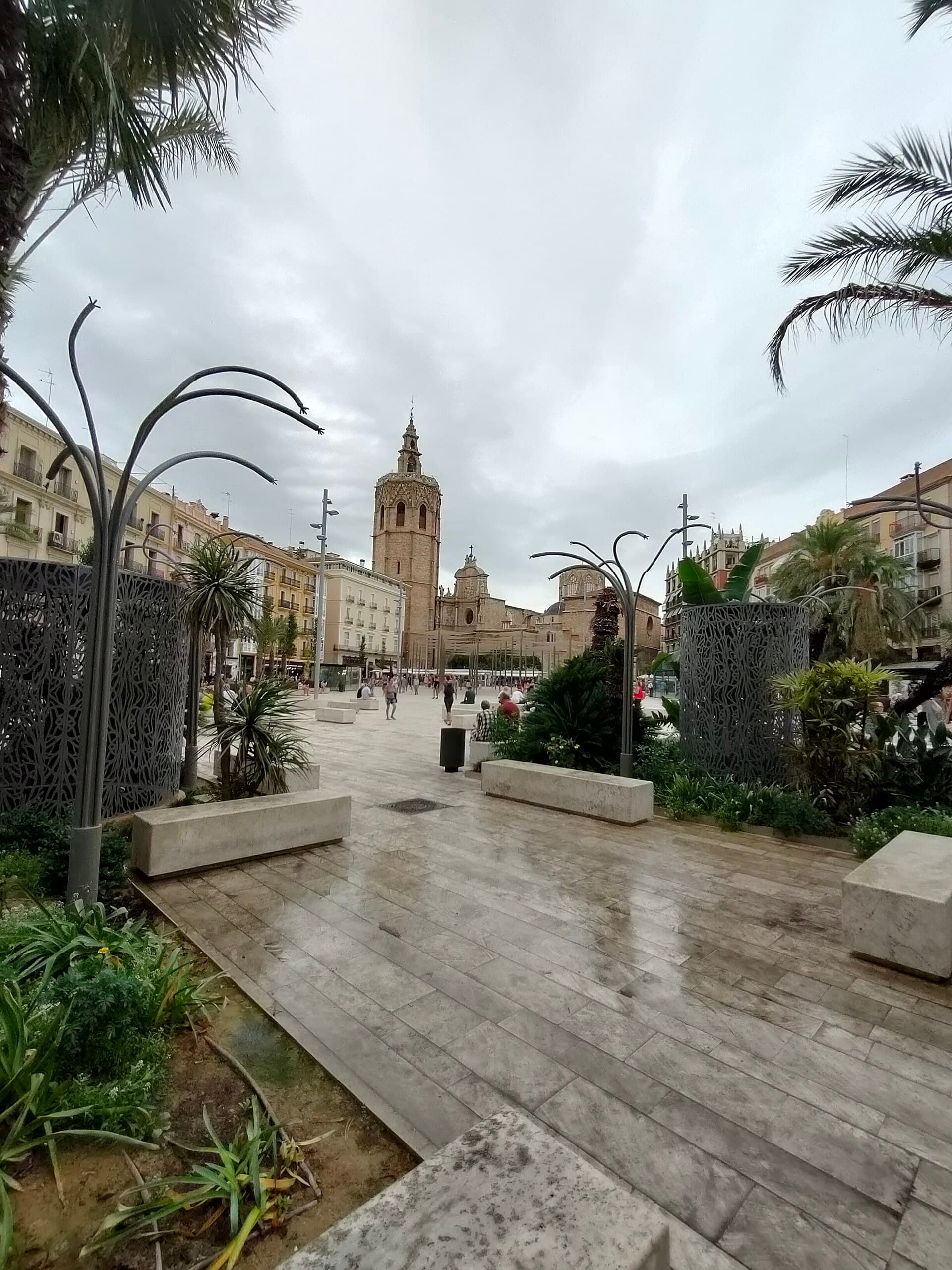 Plaza de la ReinaThe main square in front of Valencia cathedral in the heart of the old city, and2 minutes walk4.8
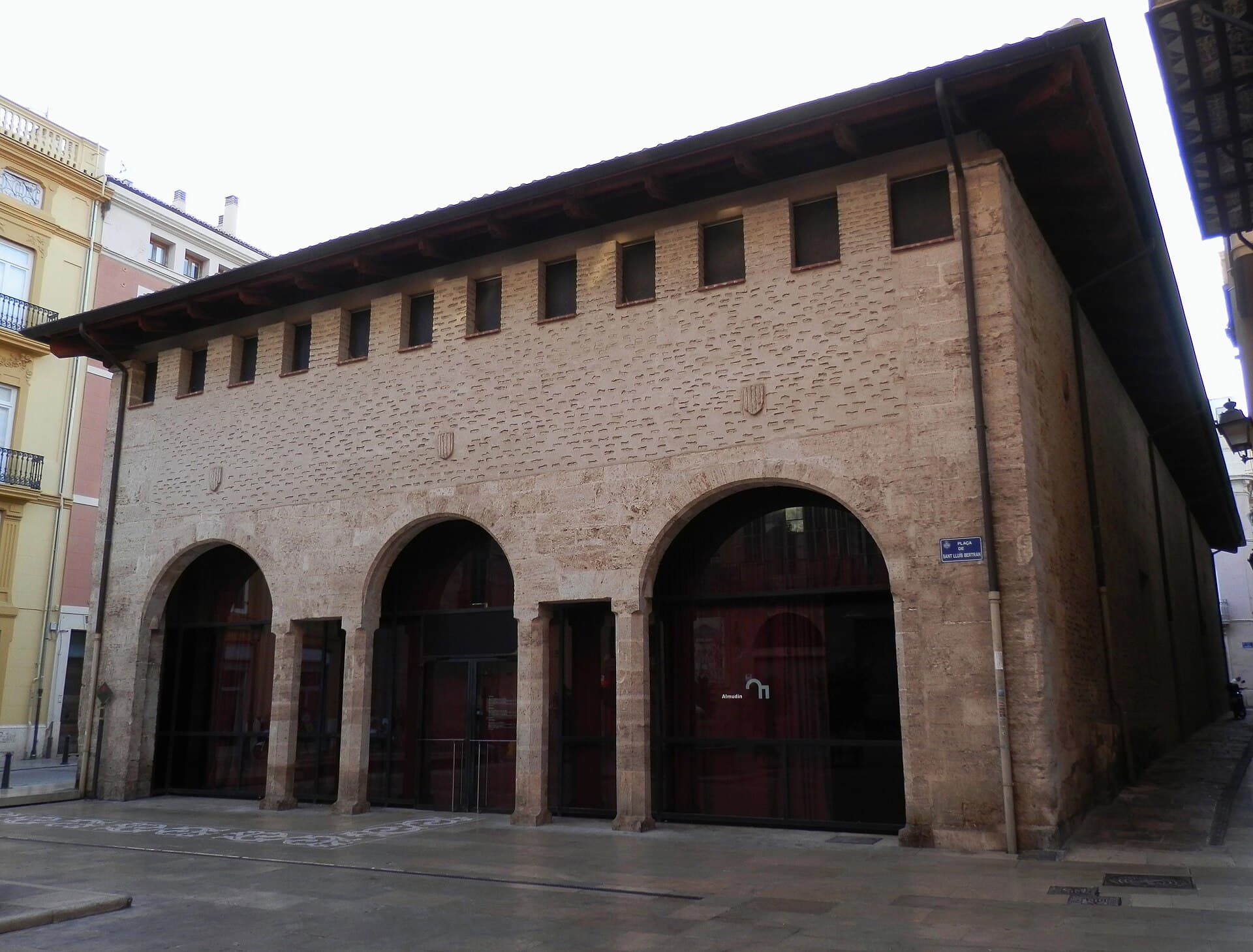 El AlmudínA medieval grain store in the heart of old Valencia, used today as an exhibition2 minutes walk4.4
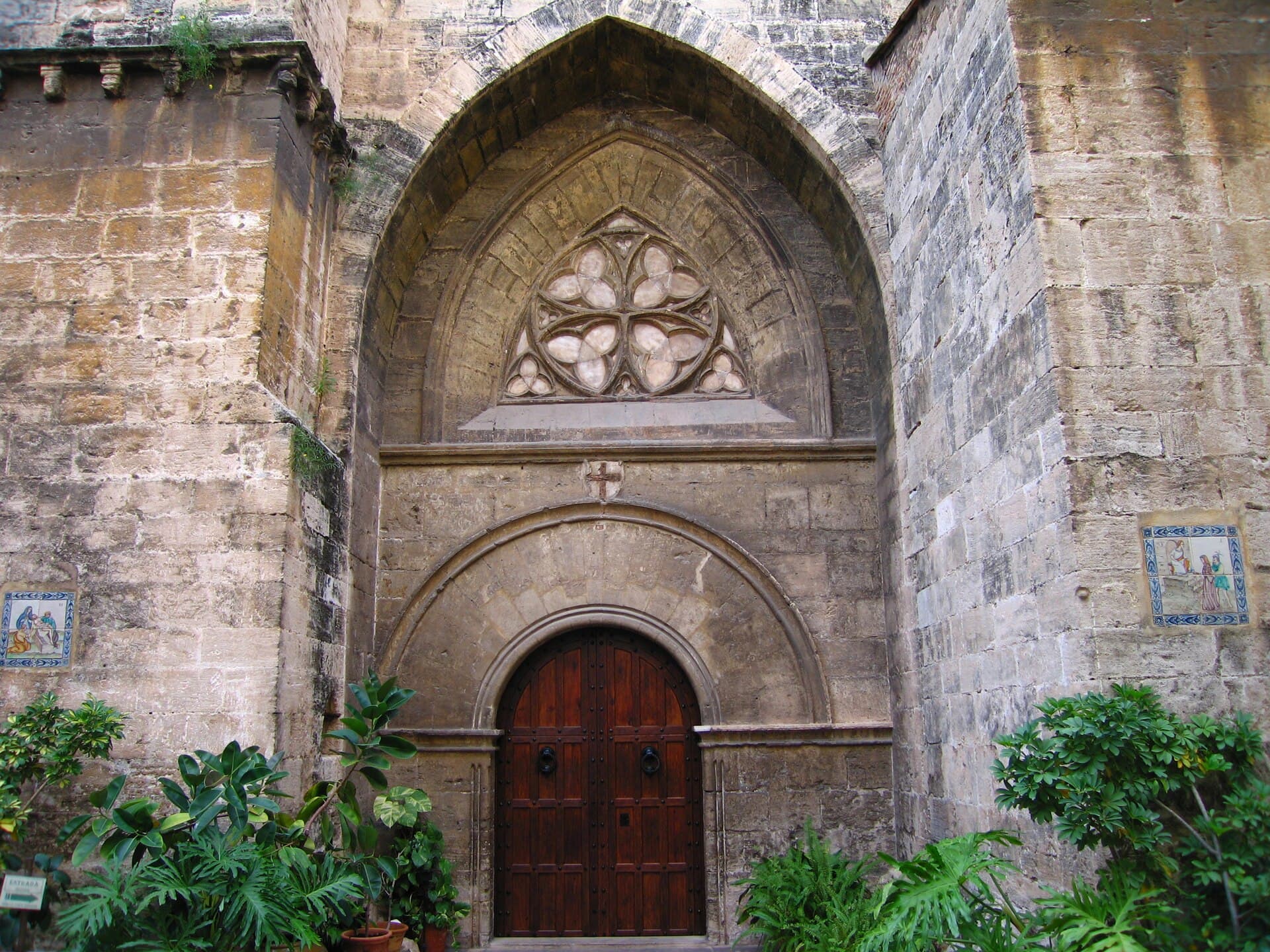 Church of San Juan del HospitalThe oldest standing church in Valencia. Its ground was granted to the Knights Ho3 minutes walk4.8
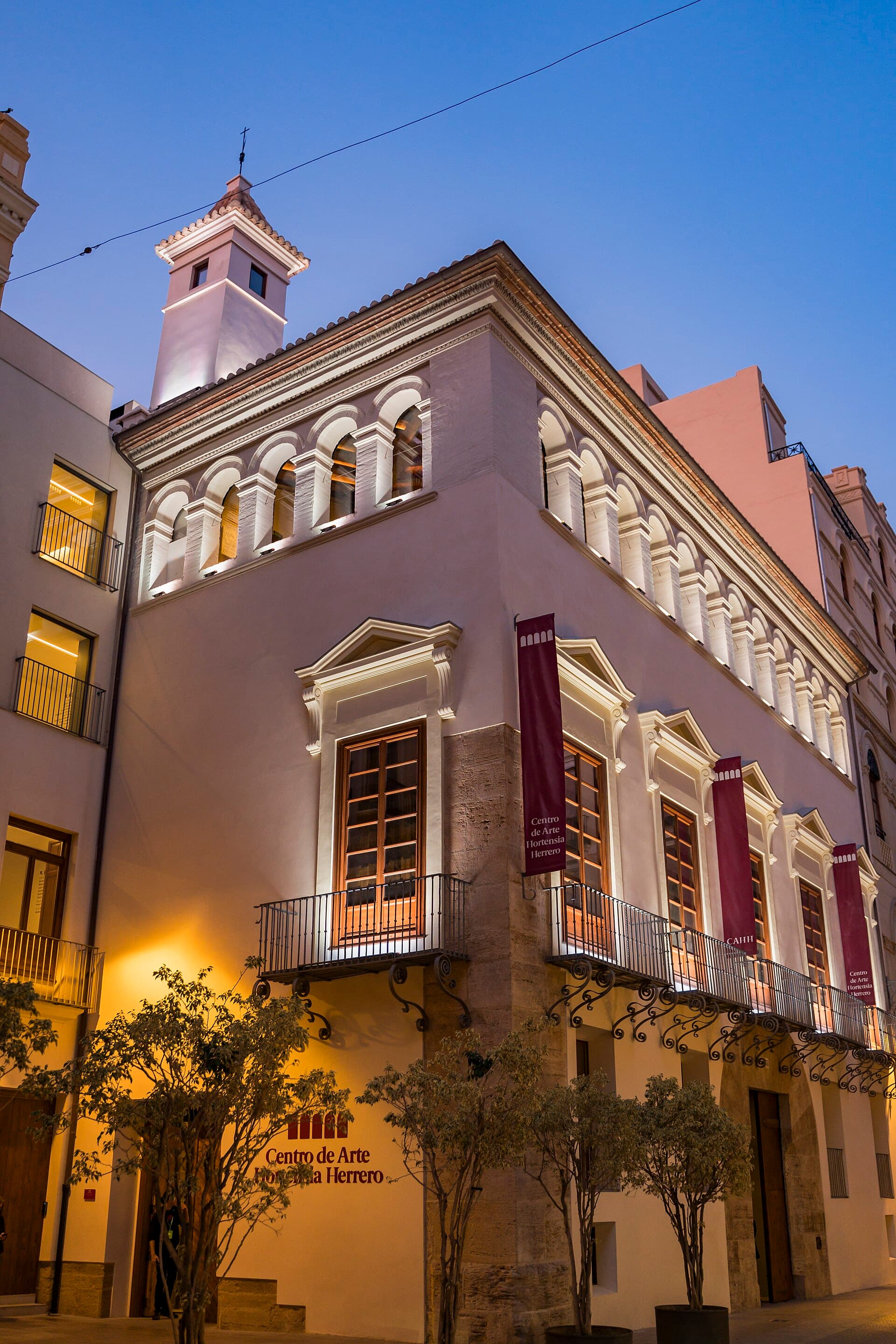 Hortensia Herrero Art CentreA contemporary art centre opened in 2023 in the Palacio Valeriola in old central3 minutes walk4.9
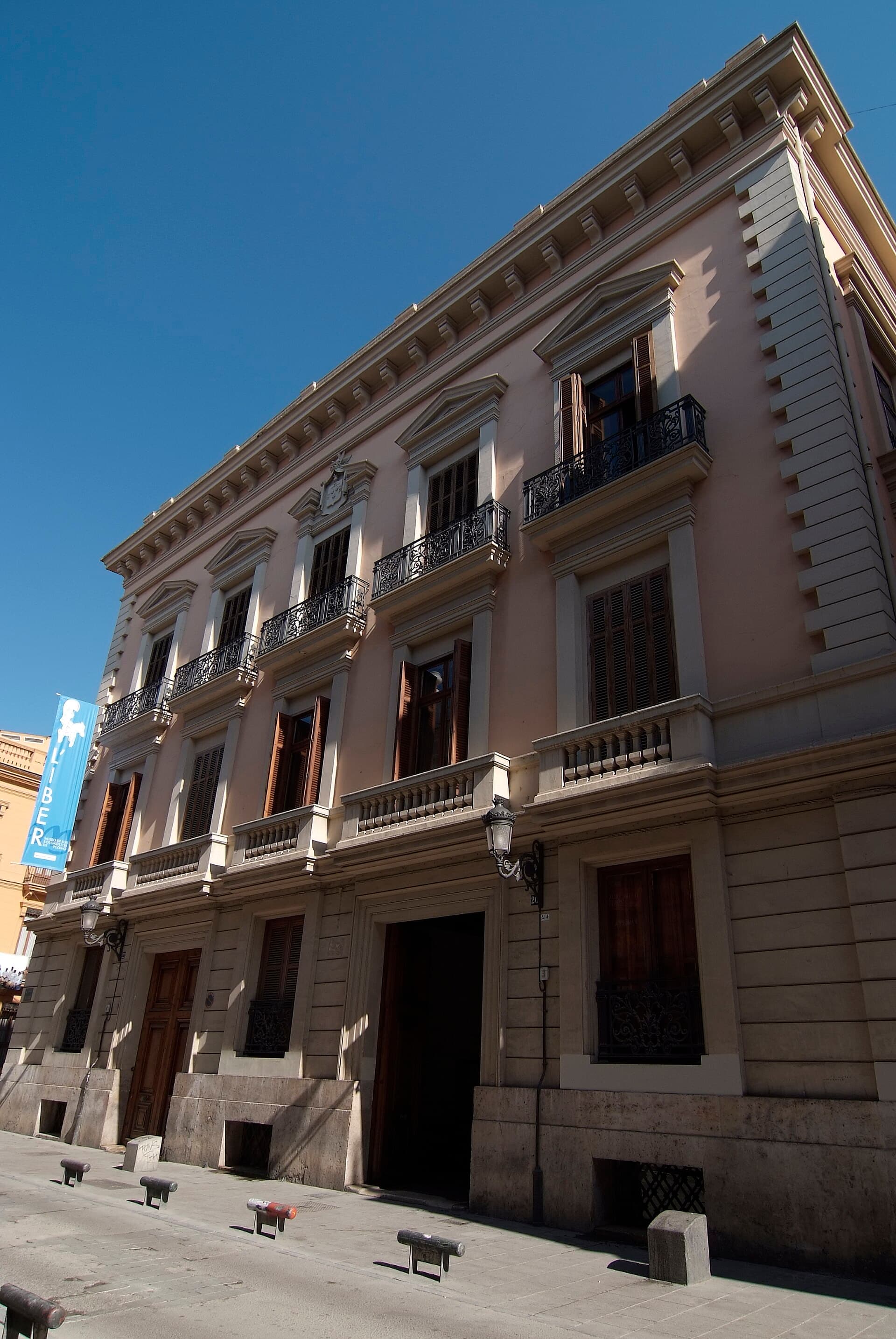 L'Iber Toy Soldier MuseumA museum of toy soldiers and military miniatures in the Palacio de Malferit in t4 minutes walk4.6
The huerta's eight-canal irrigation is near-unanimously the Islamic era's inheritance — the tribunal its living continuation: eight farmer-judges ruling orally, instantly, paperless, unappealable. Standing in Thursday's crowd meets a thousand years of Andalusi water civilisation.