
St George's church
A small white church on the summit, visible from all Athens.
A.Savin — CC BY-SA 3.0 · Charles Haynes — CC BY-SA 2.0 · AleWi — CC BY-SA 4.0 · Erik Drost — CC BY 2.0
A funicular railway climbing inside a tunnel bored through Lycabettus hill to its summit, the highest point in Athens and its widest viewpoint. Lycabettus rises about two hundred and seventy-seven metres above sea level and looks over the whole city: the Acropolis below it, the port of Piraeus and the sea to the west, and the mountains ringing Athens on every side. At sunset the city's lights are seen running out to the horizon. The railway opened in 1965 and covers the distance in about three minutes entirely inside the tunnel — there is no view during the ascent, which surprises some passengers. Walking up is also possible on a switchback path taking about forty minutes. On the summit stand the small white church of St George, a café and restaurant, and an open-air theatre hosting summer concerts. Legend says the goddess Athena was carrying the rock to place it on the Acropolis and dropped it here.
A small white church on the summit, visible from all Athens.
Summer concerts on the summit.
Legend says she was carrying it to the Acropolis.
Lower station on Aristippou street, Kolonaki
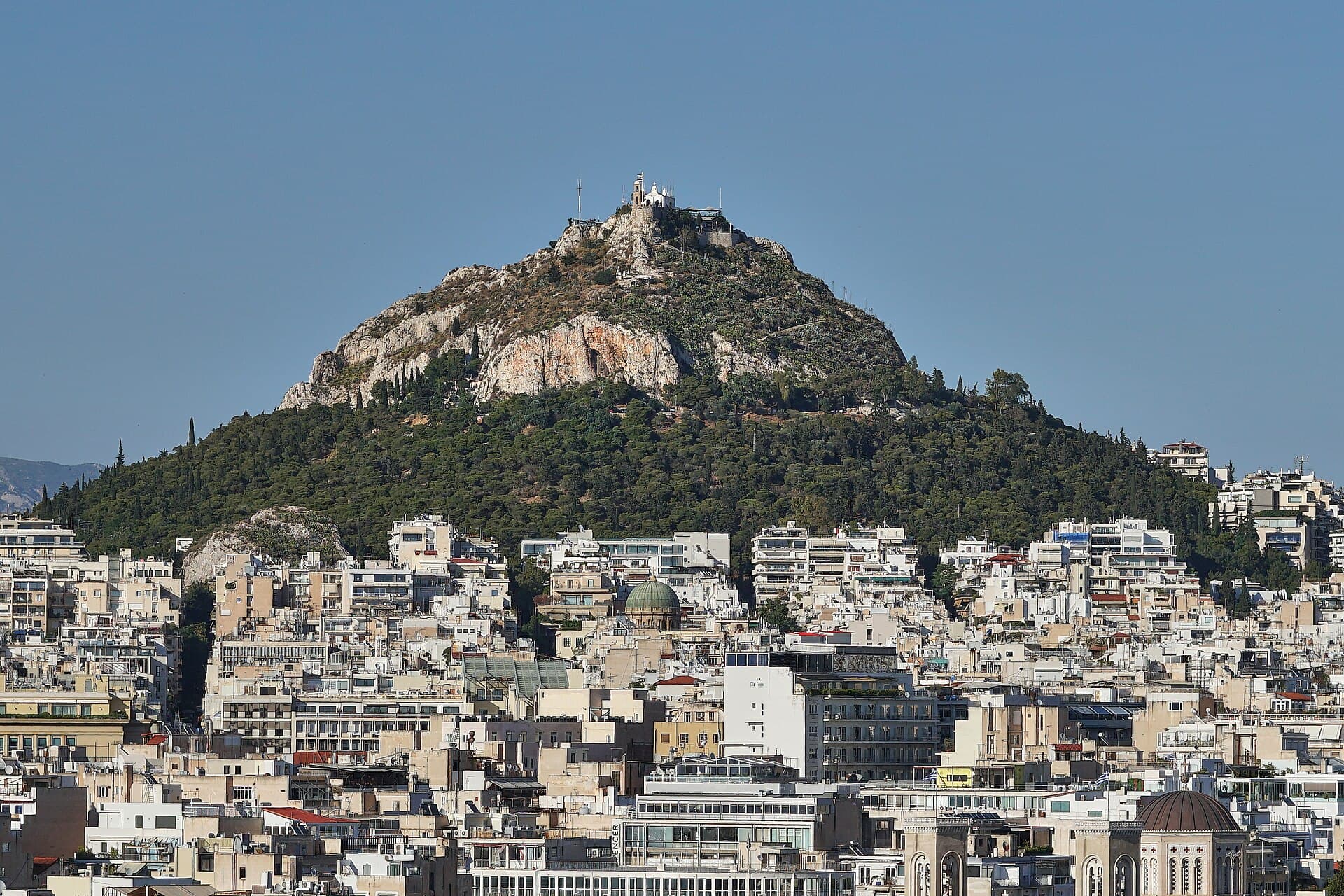 Mount LycabettusThe highest point in Athens: a conical rocky hill rising about **277 metres** ab5 minutes walk4.7
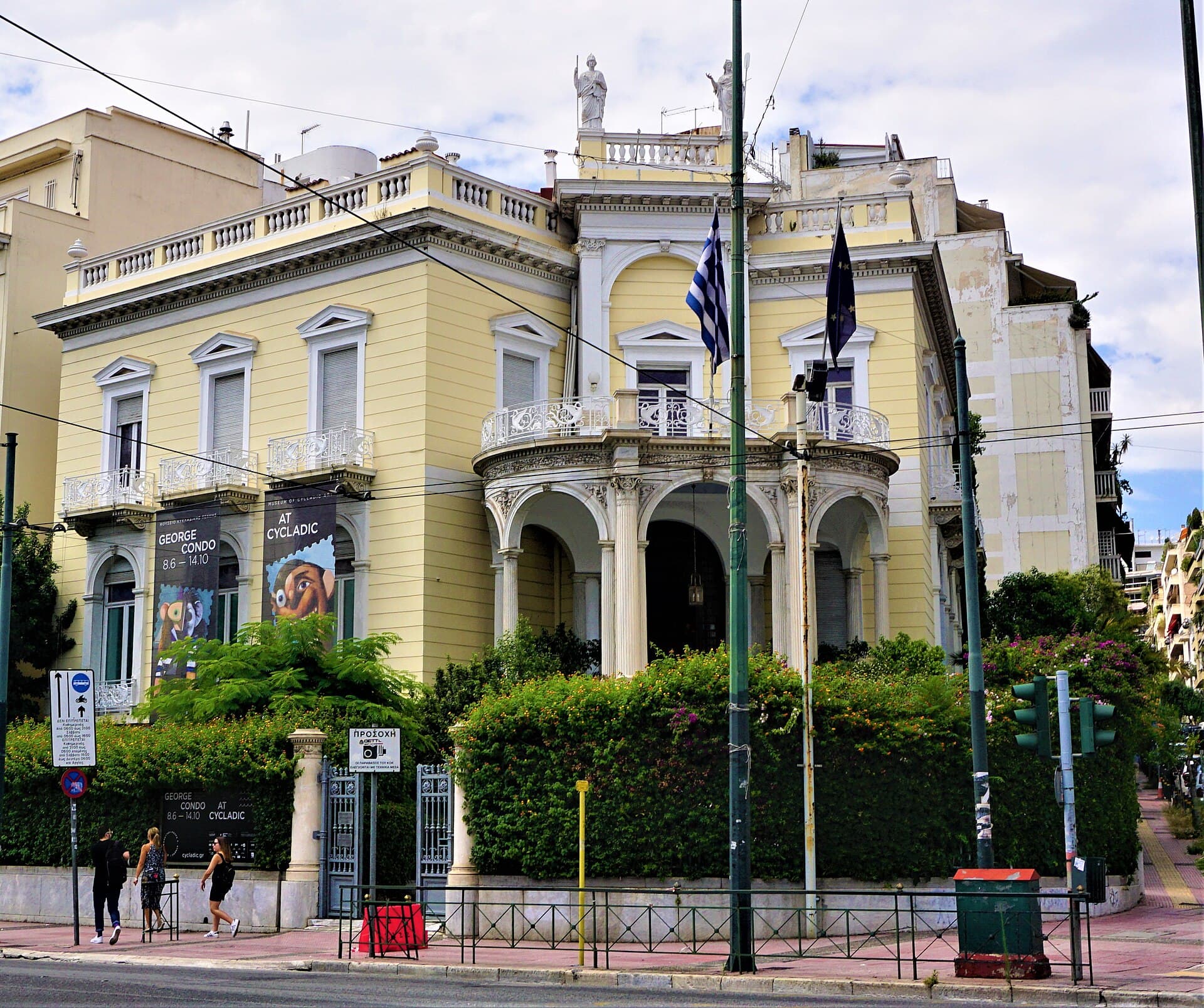 Museum of Cycladic ArtAn elegant private museum in the **Kolonaki** district, holding one of the most 7 minutes walk4.6
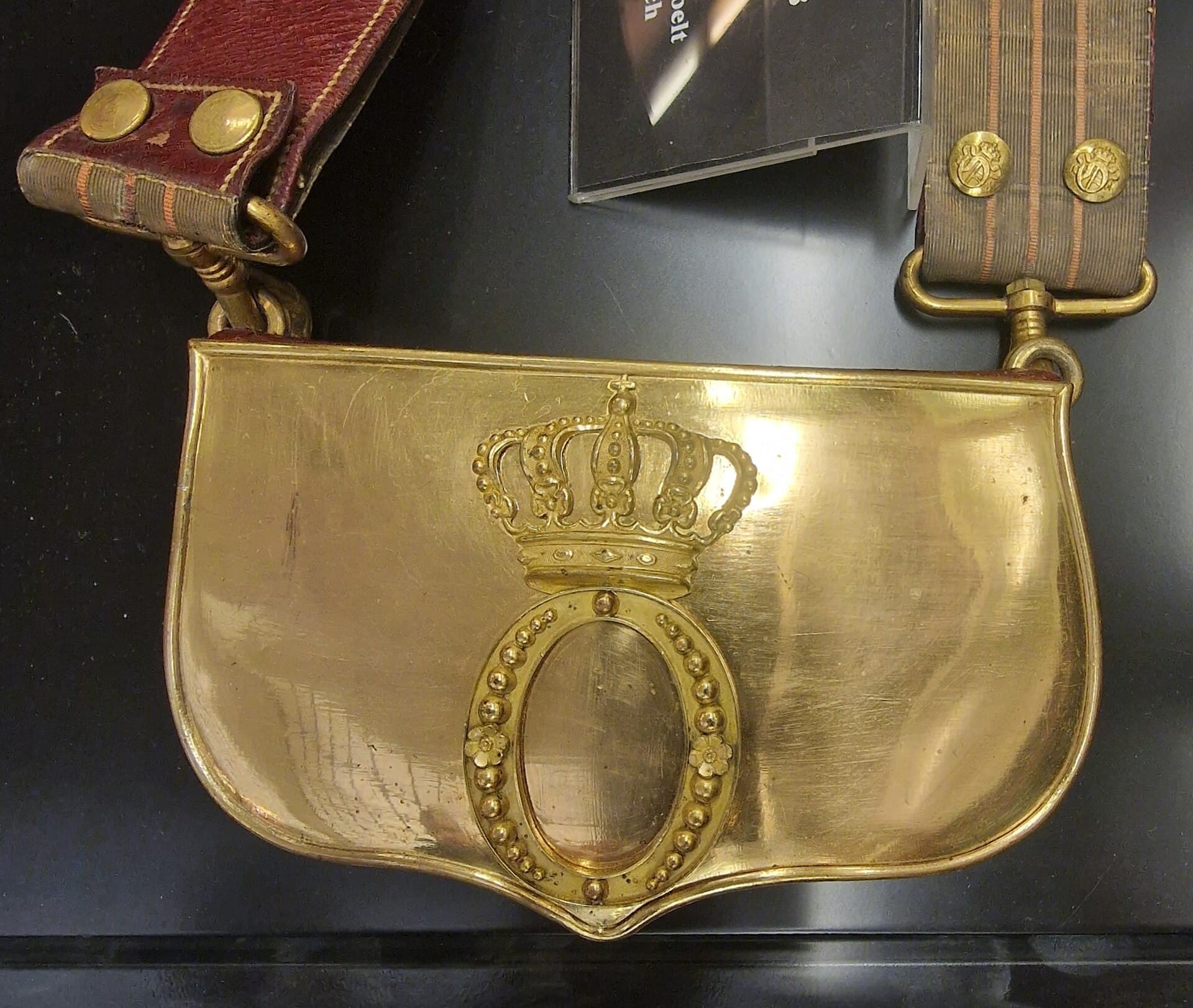 War MuseumGreece's national army museum, in a Brutalist concrete building of the 1970s on 7 minutes walk4.6
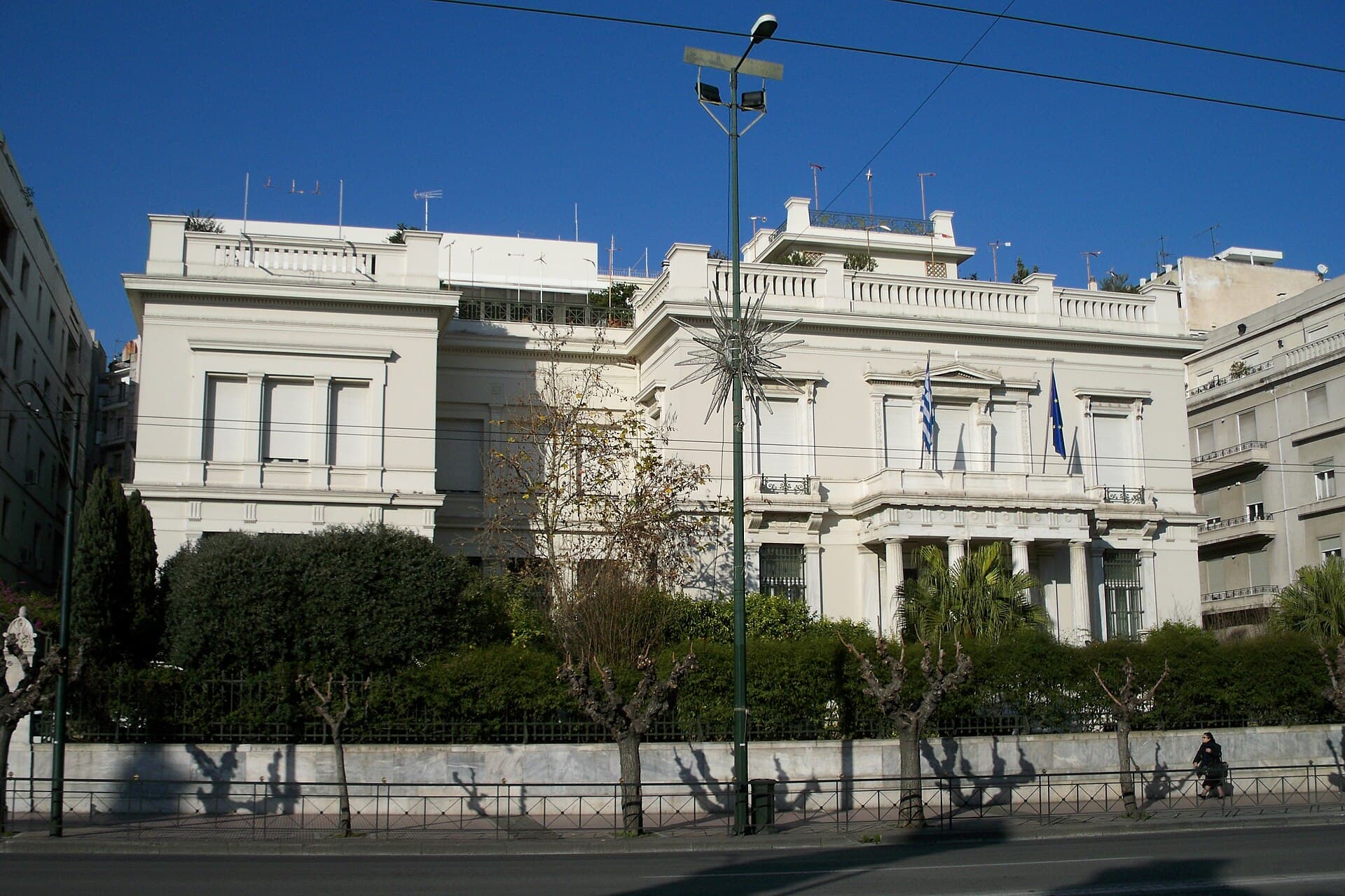 The Benaki Museum of Greek CultureThe Benaki is Greece's only unbroken story: Stone Age pottery to the 1821 indepe7 minutes walk4.6
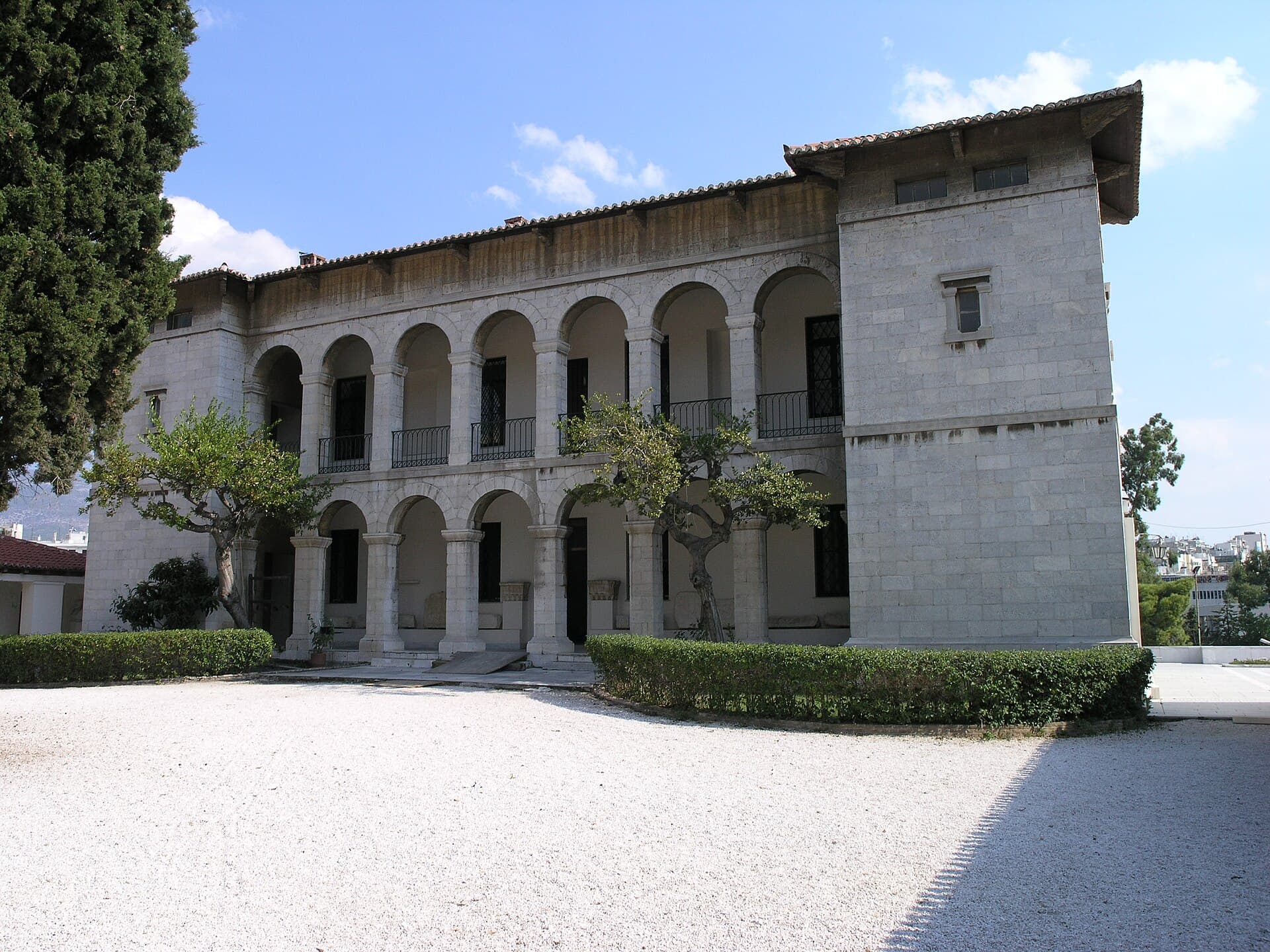 The Byzantine & Christian MuseumThe Byzantine Museum carries the thousand years the antiquities route drops: pag7 minutes walk4.5
The walking path is pleasant and gradual through pine trees, taking about forty minutes from Kolonaki. Do not do it at midday in summer — the climb is exposed and the heat severe. The common solution is to ride up and walk down, since the descent is easier and the view is in front of you the whole way. A one-way ticket is cheaper and suits this plan.
About an hour before sunset is best: you see the city in daylight, then watch the sunset, then the Acropolis lit at night — three sights in one visit. But this is the busiest time, so go up early to secure a place at the edge. Early morning is clearer for photography as Athens's haze is thinner, but the sun is then behind the Acropolis.