
The Calendar of Light
Four glass storeys facing the park.
Maria Eklind — CC BY-SA 2.0 · LeJC — CC BY-SA 3.0 · Teresa Grau Ros from Barcelona — CC BY-SA 2.0 · Jorge Franganillo — CC BY 2.0
Malmö's library is three buildings in one, and that is the reason to visit: the **Castle** of 1905 in the National Romantic manner, the glass **Calendar of Light** of 1997 by the Danish architect **Henning Larsen**, and the Cylinder that joins them. The Calendar of Light is the important piece: a glass cube four storeys high facing the castle park, its walls entirely transparent so the northern light enters unobstructed, with the shelving rising along its sides. Larsen himself called it a castle of light, against the old stone castle beside it. The library is working rather than a sight — the people of Malmö use it daily to read and study — **and entry is entirely free** and needs no card. It has a café and sections in many languages **including Arabic**, one of the largest Arabic book collections in Sweden. It stands at the edge of the castle park, so it folds into a walk there.
Four glass storeys facing the park.
The 1905 building in the National Romantic manner.
Kung Oscars väg 11, Malmö
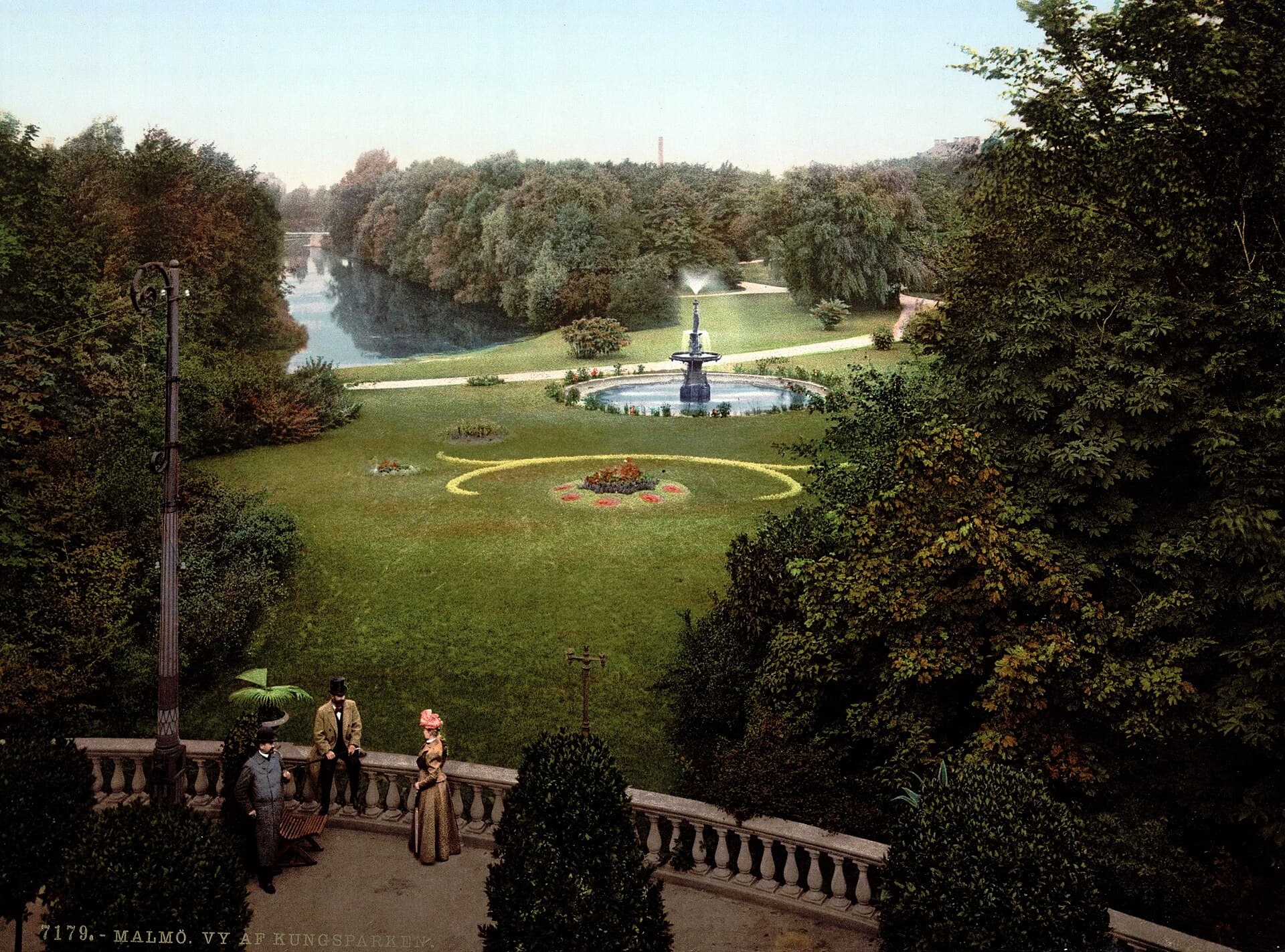 KungsparkenKungsparken is Malmo's oldest public park, opened in 1872 on ground that had bee4 minutes walk4.7
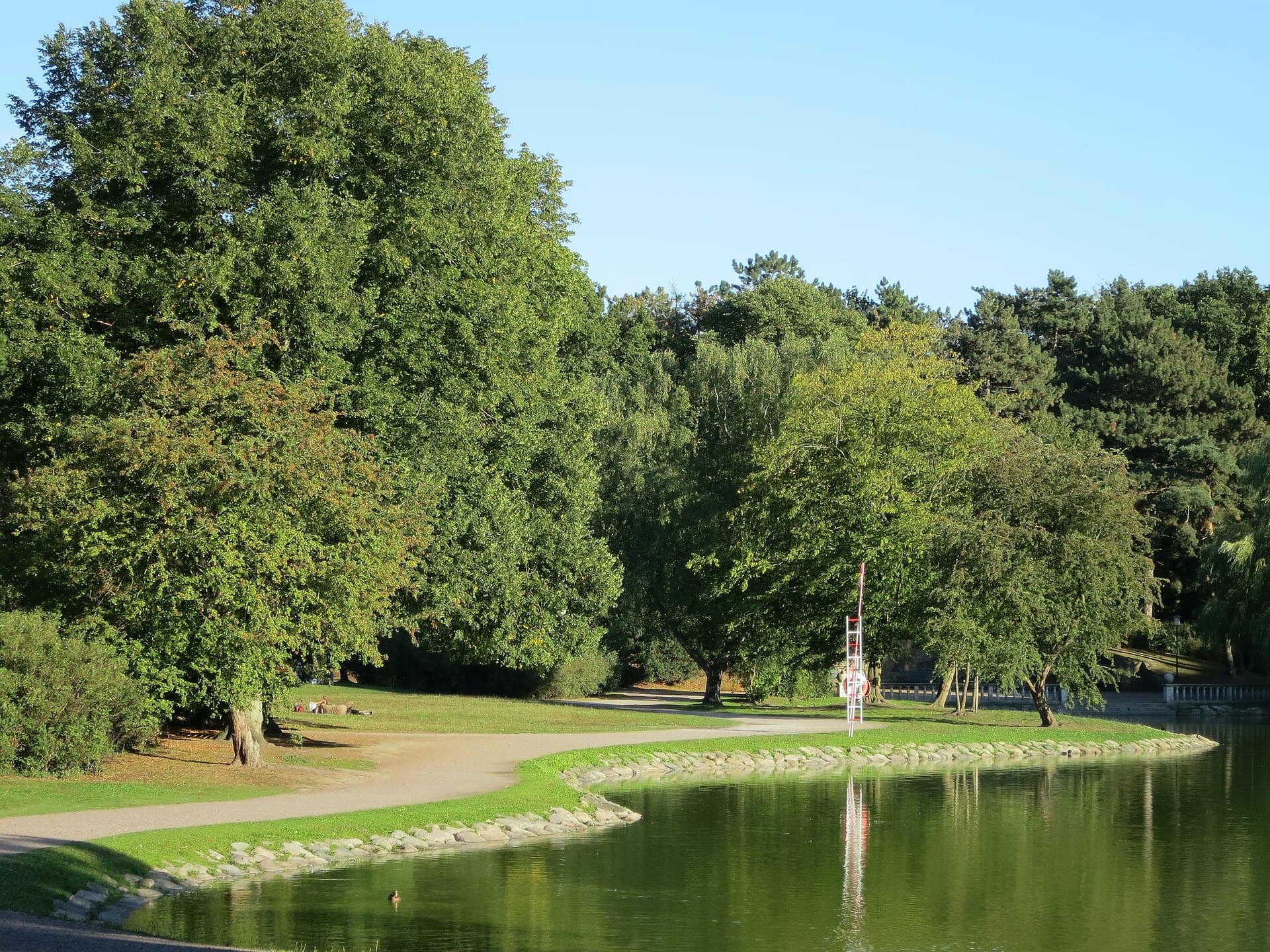 SlottsparkenSlottsparken runs around **Malmöhus** Castle and its moat, and is the oldest in 5 minutes walk4.8
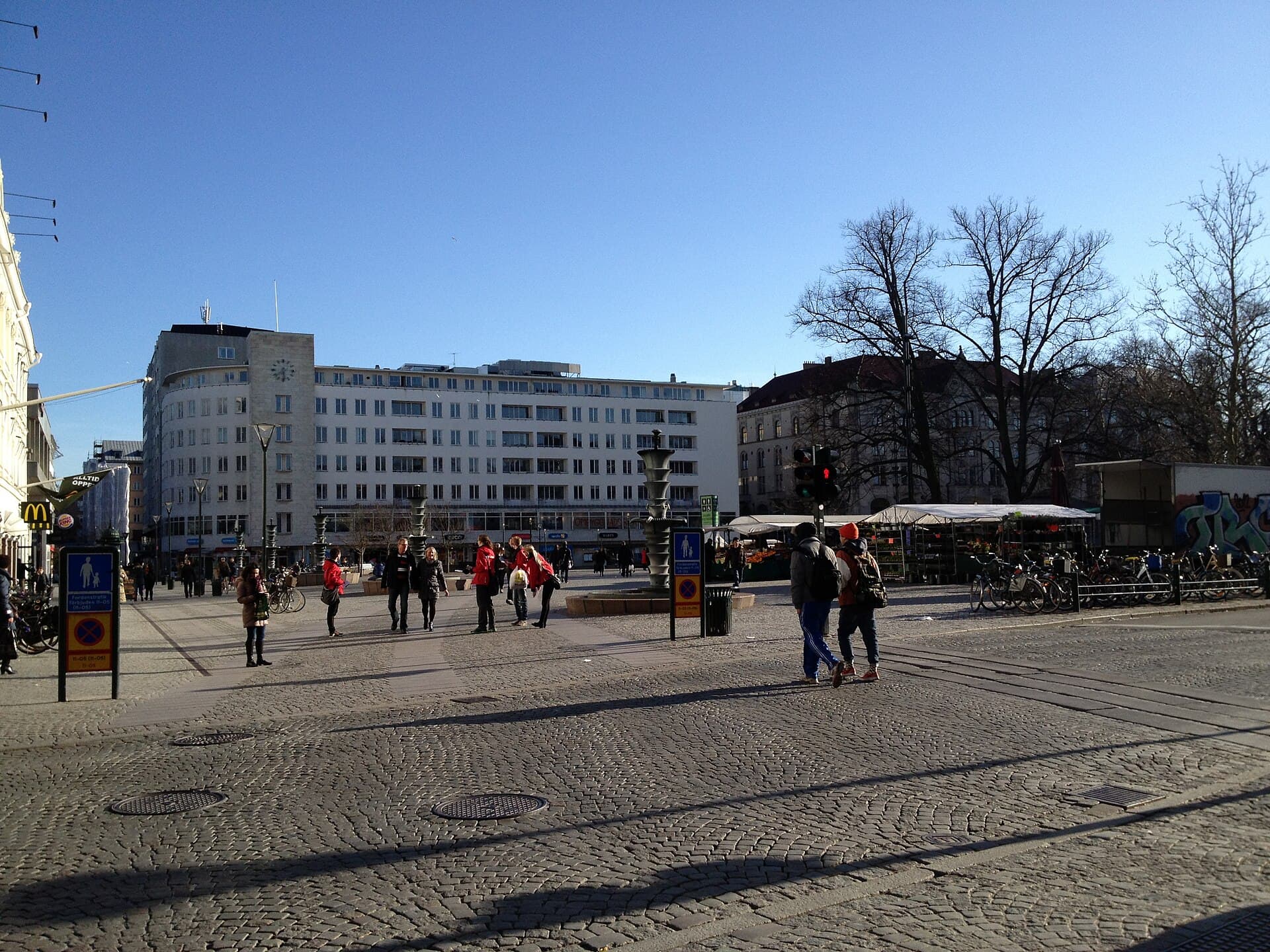 Gustav Adolfs TorgGustav Adolfs Torg is Malmo's great southern square, laid out in the 1840s as pa6 minutes walk4.4
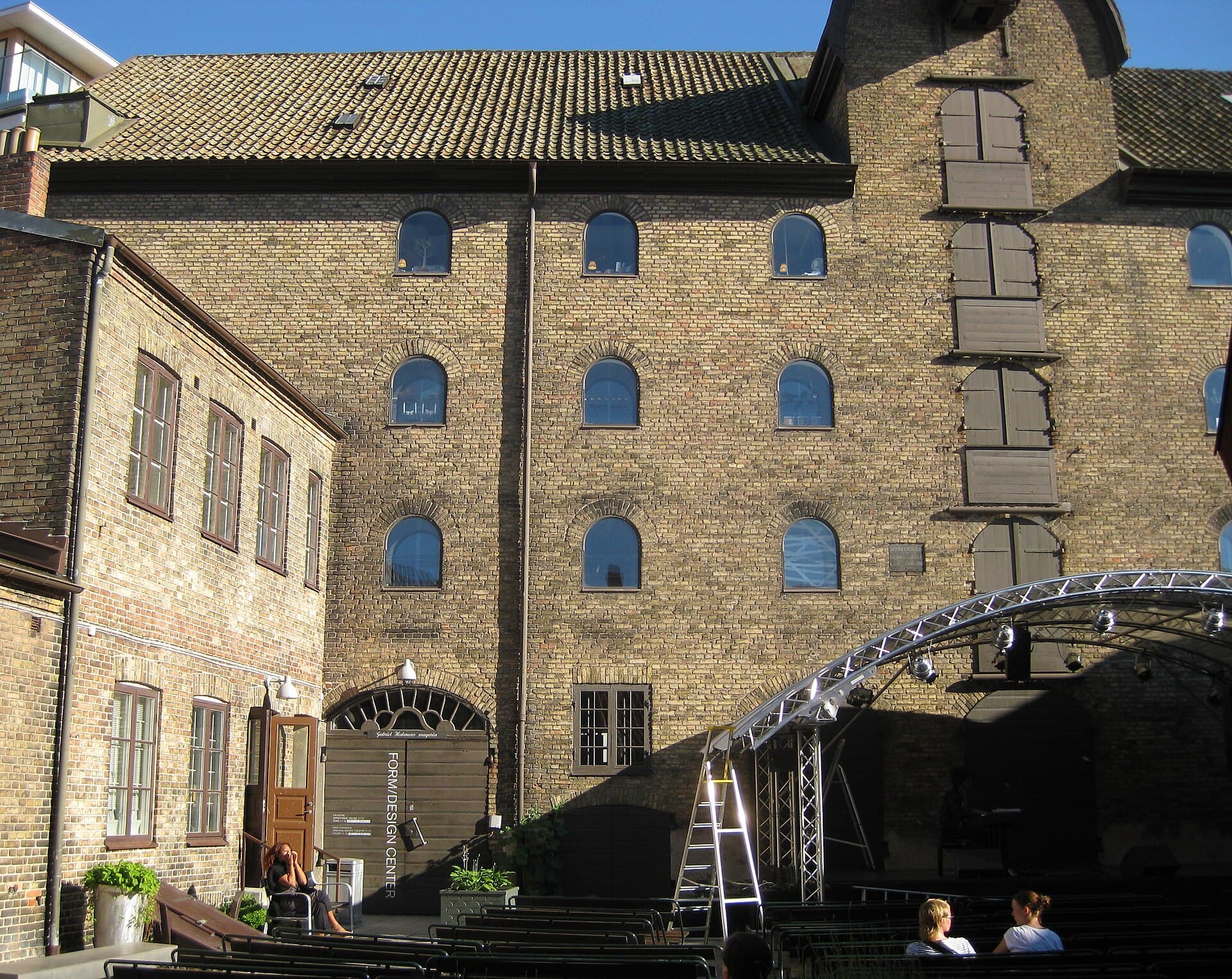 The Form/Design CenterThe Form/Design Center sits in an inner courtyard behind **Lilla Torg**, occupyi7 minutes walk4.1
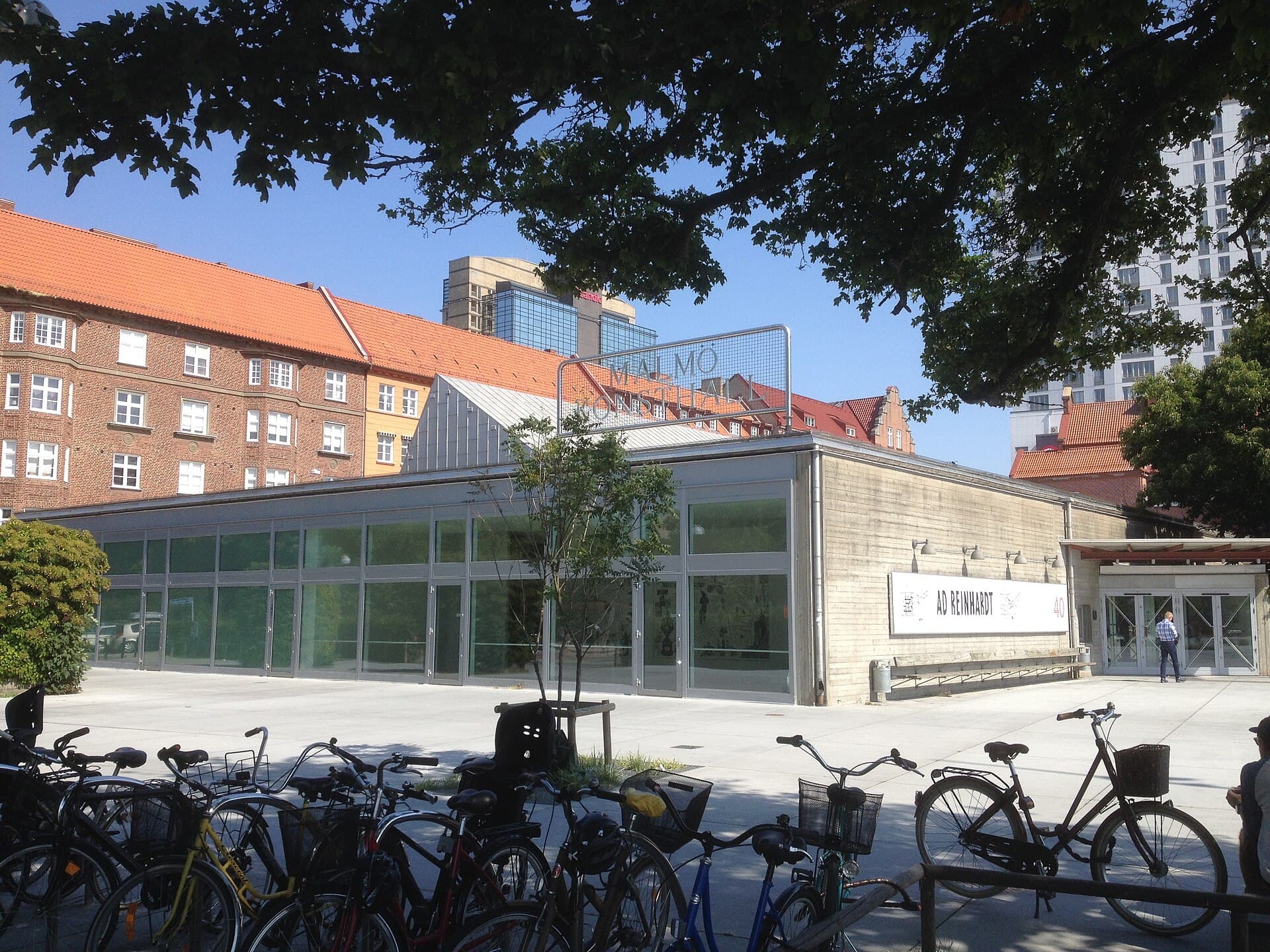 Malmo KonsthallMalmo Konsthall is one of northern Europe's largest contemporary art halls, open8 minutes walk4.3
Malmö is among the most diverse cities in Europe: about a third of its residents were born outside Sweden, with large Iraqi, Syrian, Lebanese and Palestinian communities alongside Bosnian, Somali and Afghan ones. Arabic is among the most spoken languages in the city after Swedish. In practice that makes Malmö the easiest Swedish city for an Arab visitor: many halal restaurants, bakeries and shops, particularly around **Möllevångstorget** and Rosengård, services in Arabic, and mosques. The city is sometimes presented negatively in the media; the reality is an ordinary city, safe by European standards.