
An escape from the crowds
A hundred metres between an unbearable square and one you can sit in.
Jeremiah Z. Cockroach — CC BY-SA 4.0 · Maksym Kozlenko — CC BY-SA 4.0 · Maksym Kozlenko — CC BY-SA 4.0 · Maksym Kozlenko — CC BY-SA 4.0
A square in the old town directly behind St Mary's Church, less than a hundred metres from the Main Square, and yet far quieter. In the medieval town it was the meat market — that is its original sense, as it was called the butchers' market — while the Main Square held the monopoly on cloth, salt and spices. Each square had its function, and this is the city's original 1257 layout. What makes it worth mentioning is not what is on it but what is not: no horse carriages, no bands playing for tourists, no queues. Cafés with outside tables, historic facades, and the back of St Mary's from the side nobody photographs. This is practical advice about Kraków more than a description of a sight: when the Main Square becomes unbearable at the height of the season, walk a hundred metres here and sit down. The same distance, and an entirely different experience. Always open and free.
A hundred metres between an unbearable square and one you can sit in.
The side nobody photographs, and finer than expected.
Both squares are part of the city's original plan, each with its function.
Behind St Mary's Church, the old town
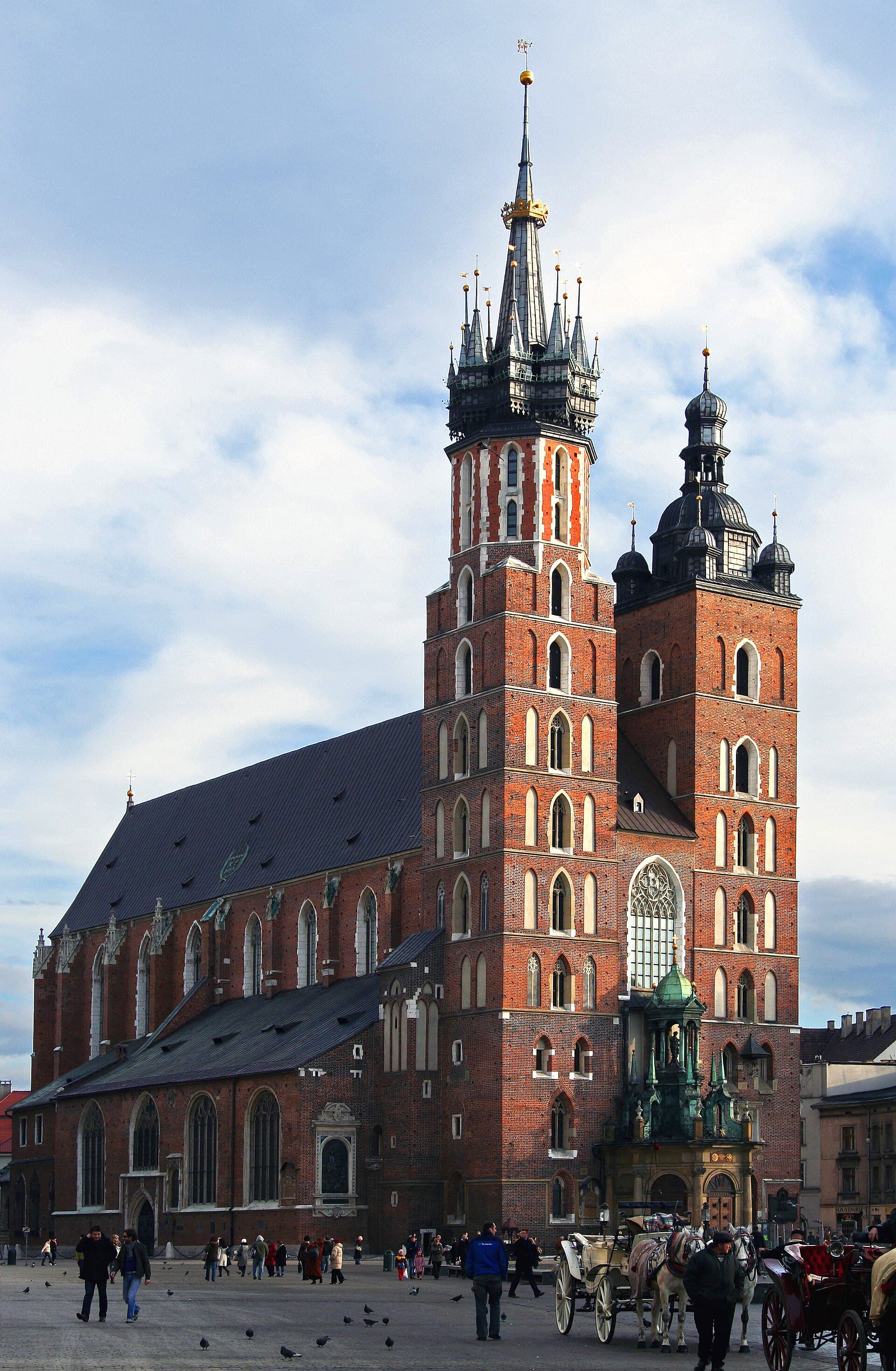 St. Mary's BasilicaSt. Mary's is Krakow's Gothic jewel: her unequal towers (the legend: two builder1 minute walk4.7
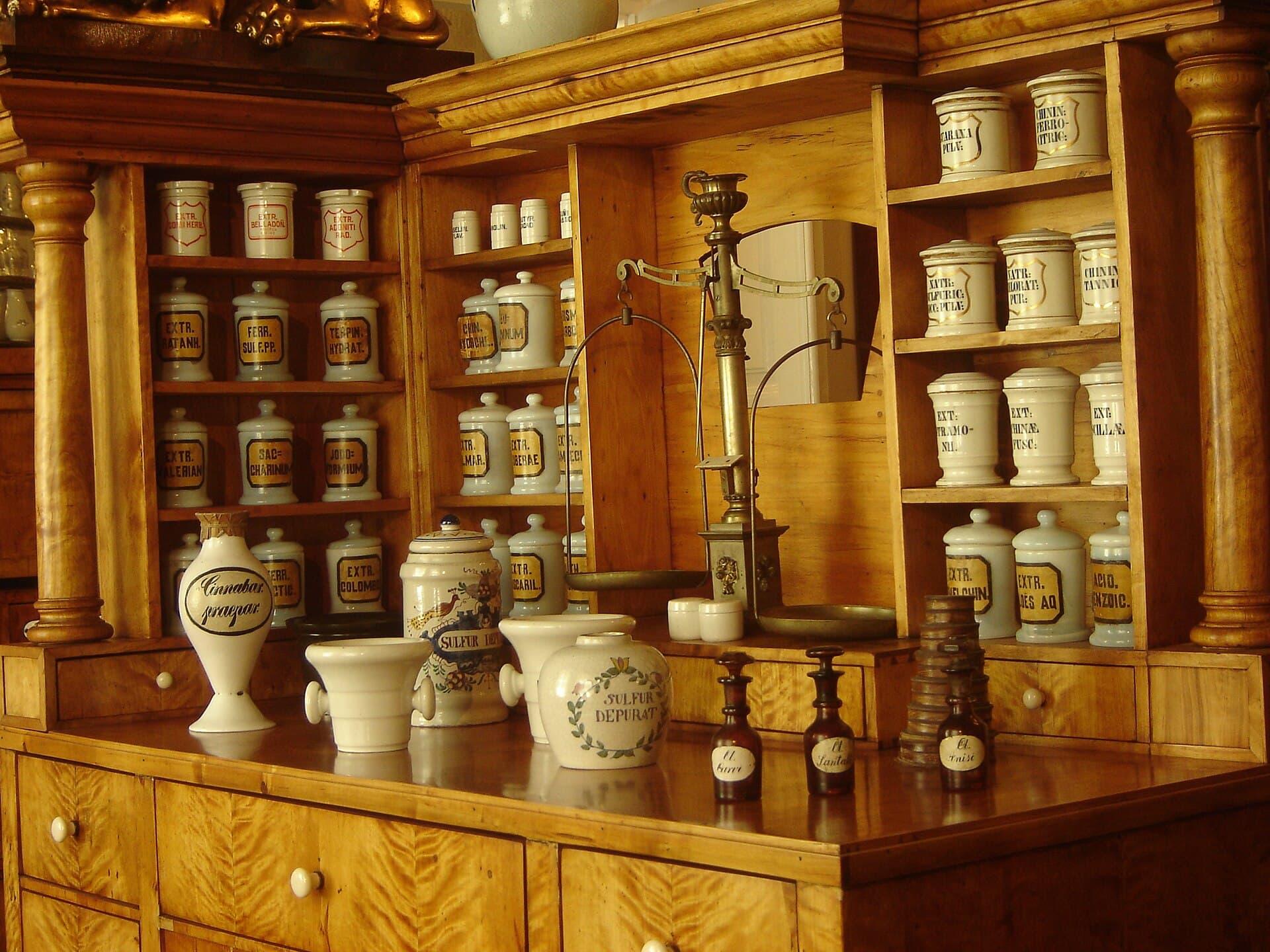 Museum of Pharmacy, KrakówA museum of the Jagiellonian University in a fifteenth-century house on Floriańs3 minutes walk4.8
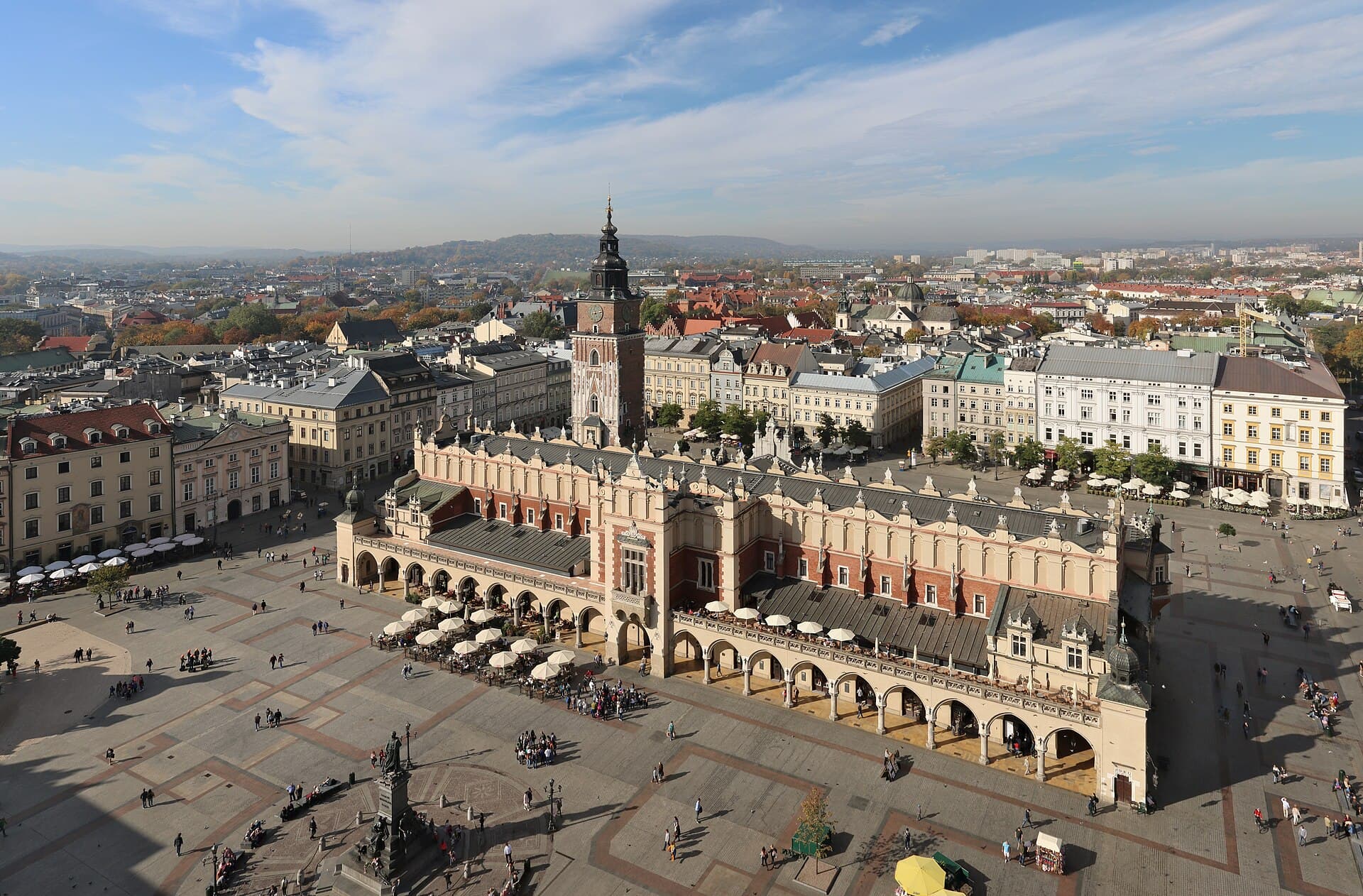 The Main Square (Rynek Główny)The Rynek is medieval Europe's greatest square: two hundred metres by the same, 3 minutes walk4.7
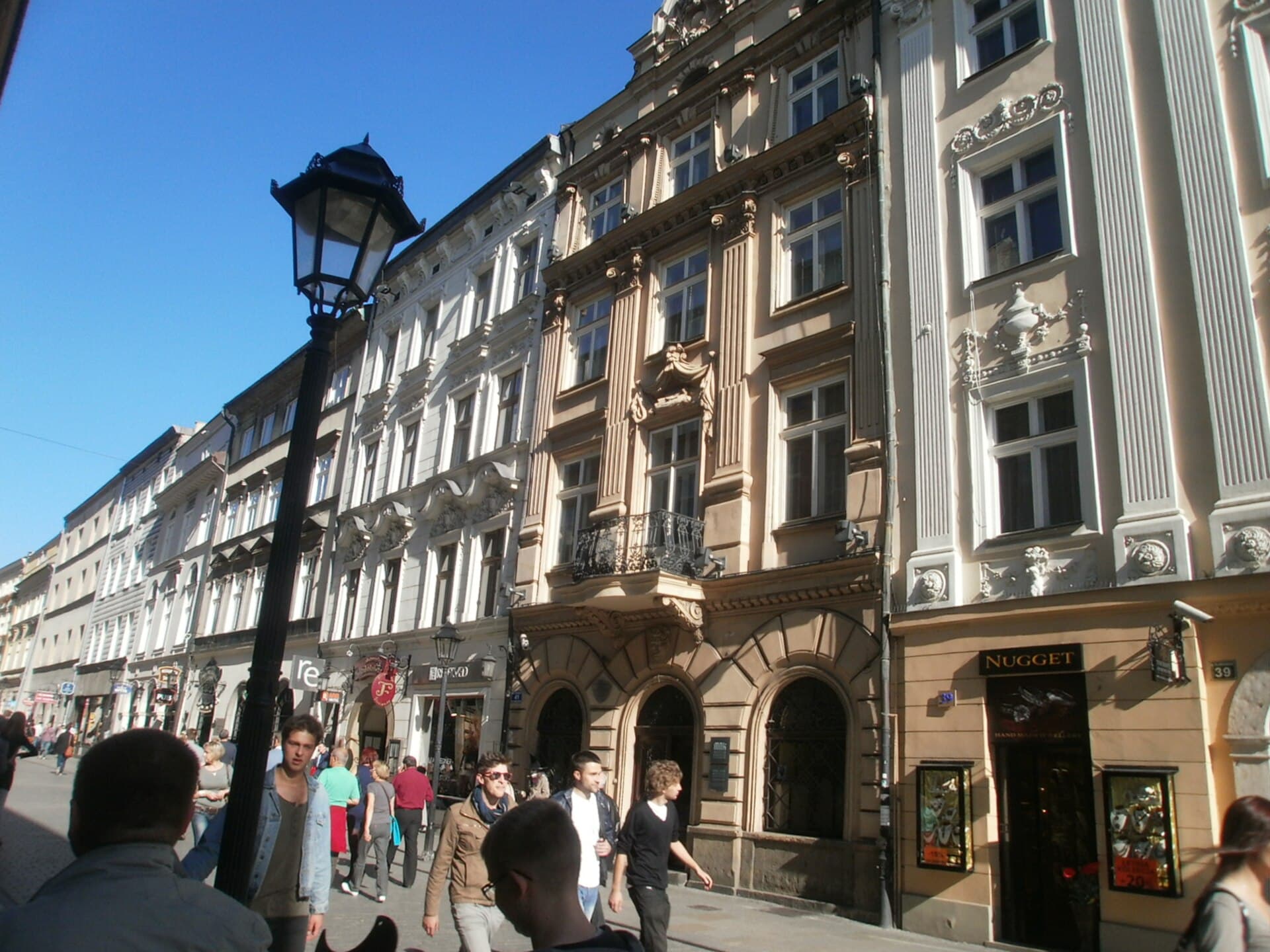 Jan Matejko HouseThe house of the painter Jan Matejko on Floriańska street in the old town, where4 minutes walk4.7
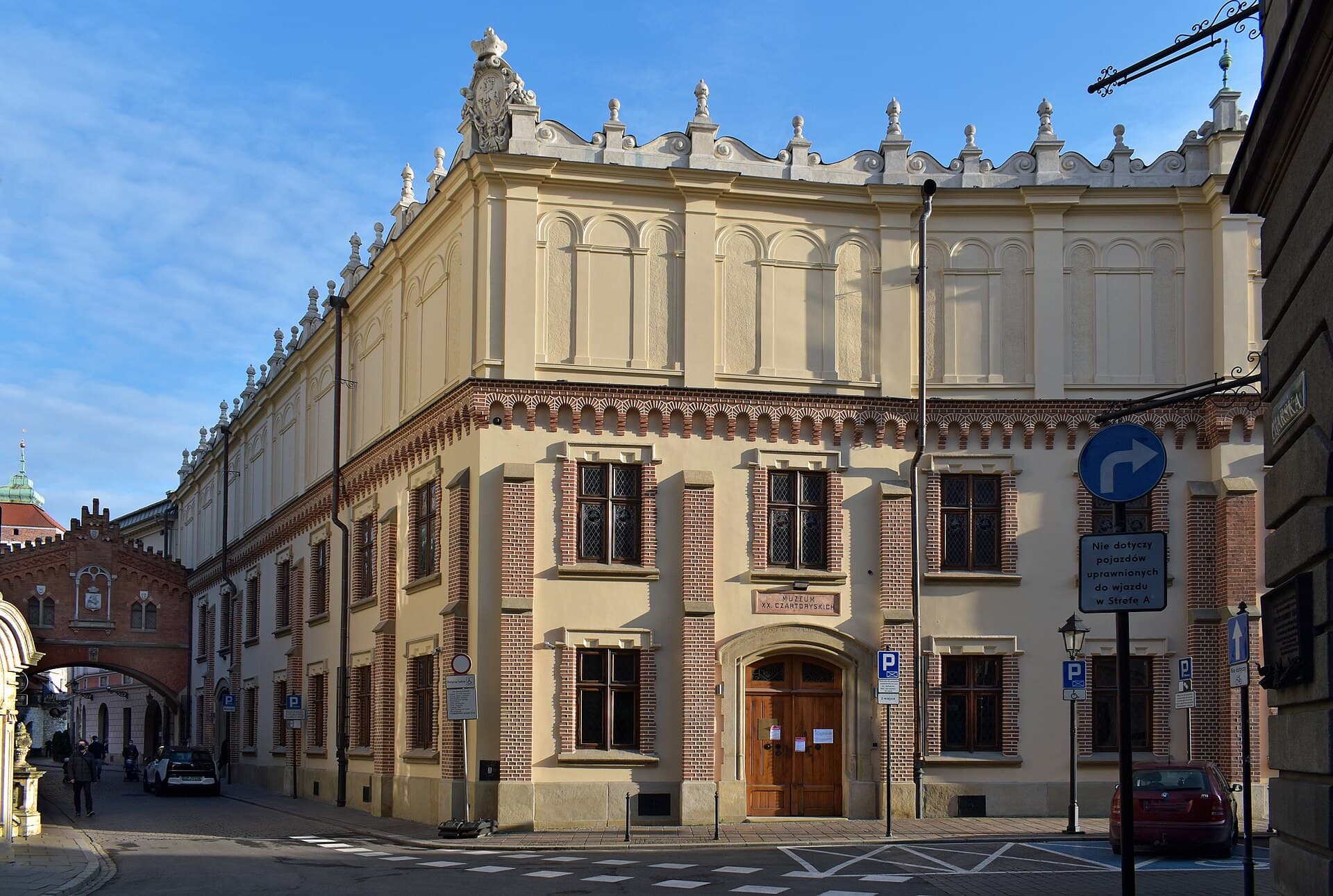 The Czartoryski Museum & the LeonardoThe Czartoryski is home of Poland's most famous painting: the Lady with an Ermin5 minutes walk4.9
In that year Kraków was granted town rights under Magdeburg law and was replanned on a regular grid around a central square of forty thousand square metres — among the largest in medieval Europe. That plan has not changed since, so walking the old town today is walking streets laid out more than seven and a half centuries ago.
Very early — before eight in the morning it is nearly empty and the light is better. Or late, after ten at night. Between eleven and six in July and August it is severely crowded. The Little Market Square is the alternative in those hours, as is the Kazimierz quarter.