
A nation without a state
Poland was partitioned between three empires from 1795 to 1918.
Lollencja — CC BY-SA 3.0 pl · Julo, using — Public domain · Kritzolina — CC BY-SA 4.0 · Kritzolina — CC BY-SA 4.0
The house of the painter Jan Matejko on Floriańska street in the old town, where he was born, lived and died, today a branch of the National Museum. Matejko (1838-1893) is the painter who shaped how Poles picture their own history. He painted vast historical canvases of battles, treaties and decisive moments, at a time when Poland did not exist on the map: the country had been partitioned between Russia, Prussia and Austria since 1795 and did not return until 1918. That explains his importance: in the absence of a state, his paintings were a means of holding a nation's memory and reminding generations that it had existed. Every Polish schoolchild today knows his pictures, and the portraits of kings he painted are the images used in textbooks. The house is preserved with his furniture, his tools and his collection of costumes and armour, which he used as models for the paintings. The visit is short, and the site is in the heart of the old town, minutes from the main square.
Poland was partitioned between three empires from 1795 to 1918.
The collection he used as models for his paintings is still in the house.
The kings he painted are the ones every Polish schoolchild sees today.
Floriańska street, the old town
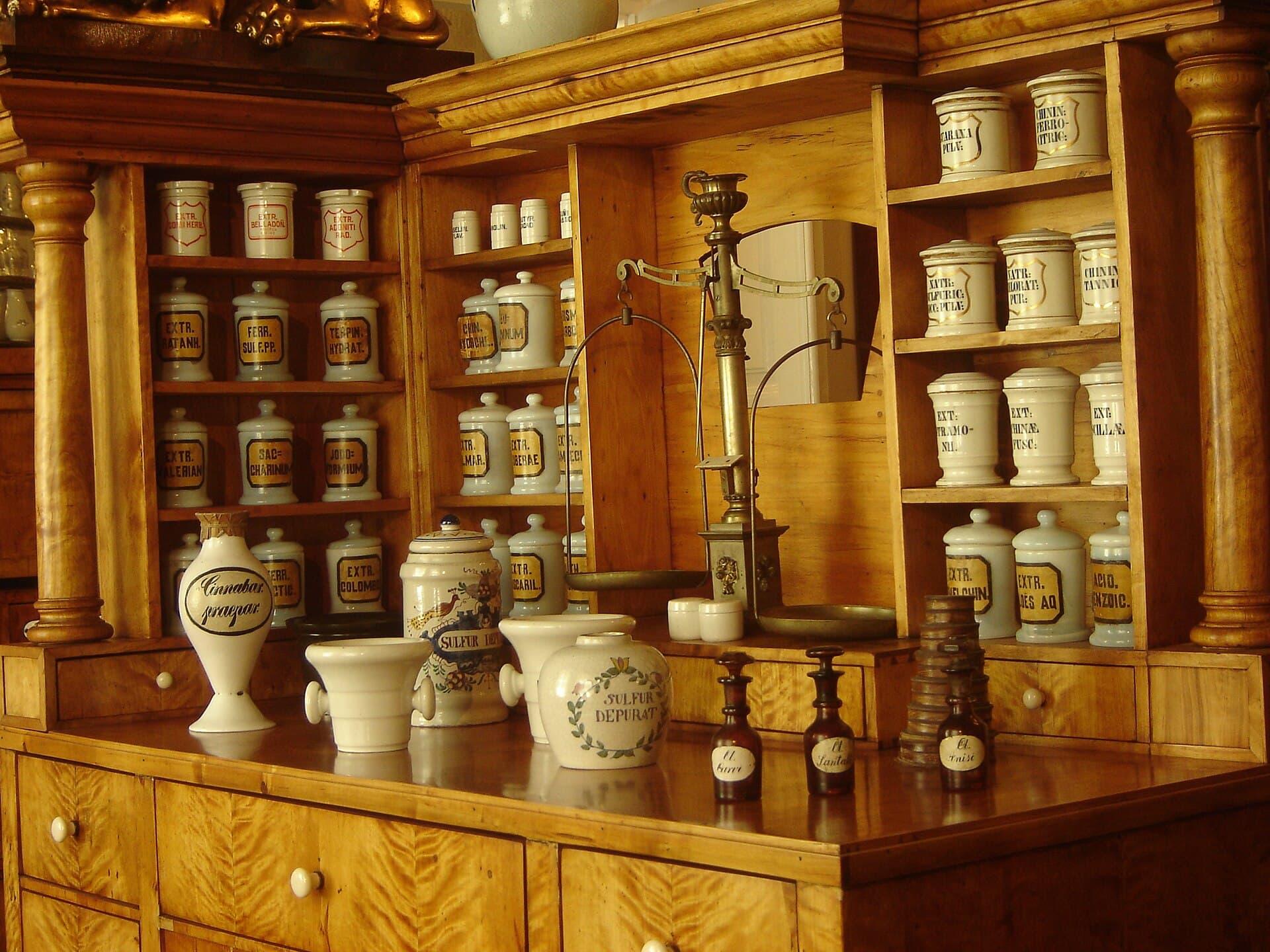 Museum of Pharmacy, KrakówA museum of the Jagiellonian University in a fifteenth-century house on Floriańs1 minute walk4.8
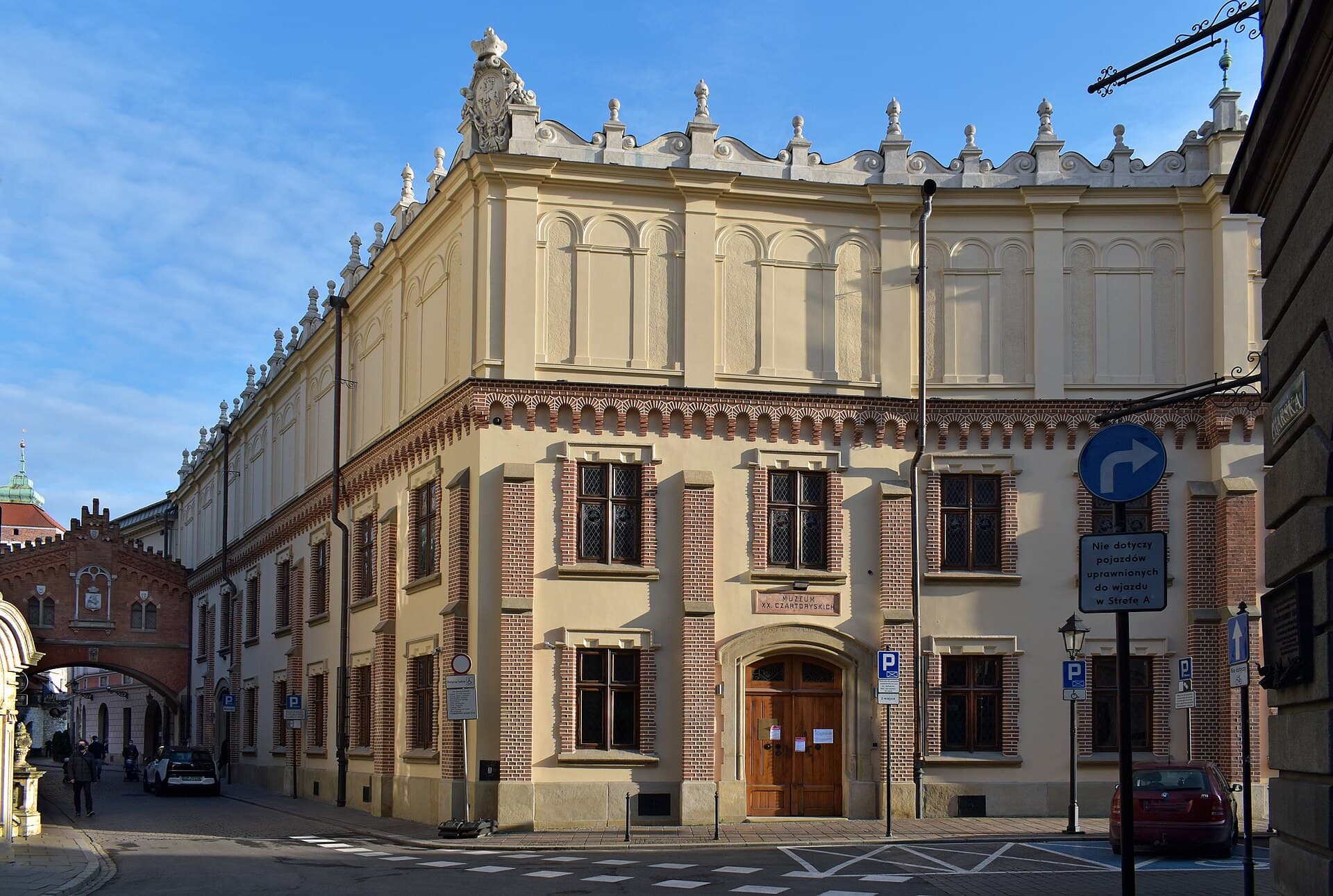 The Czartoryski Museum & the LeonardoThe Czartoryski is home of Poland's most famous painting: the Lady with an Ermin1 minute walk4.9
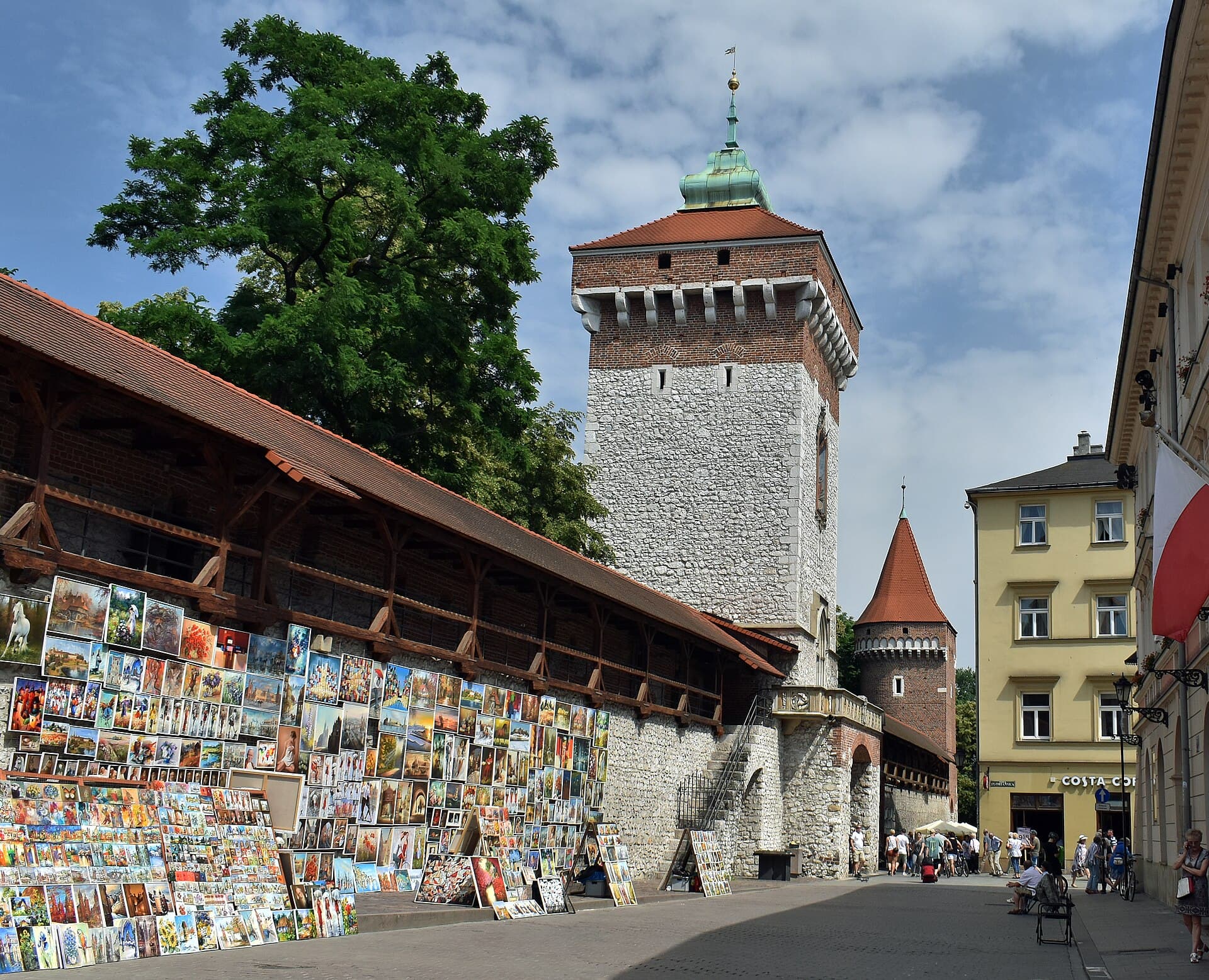 The Defensive WallsWhat remains of Kraków's medieval wall: a short stretch holding the Florian Gate2 minutes walk4.7
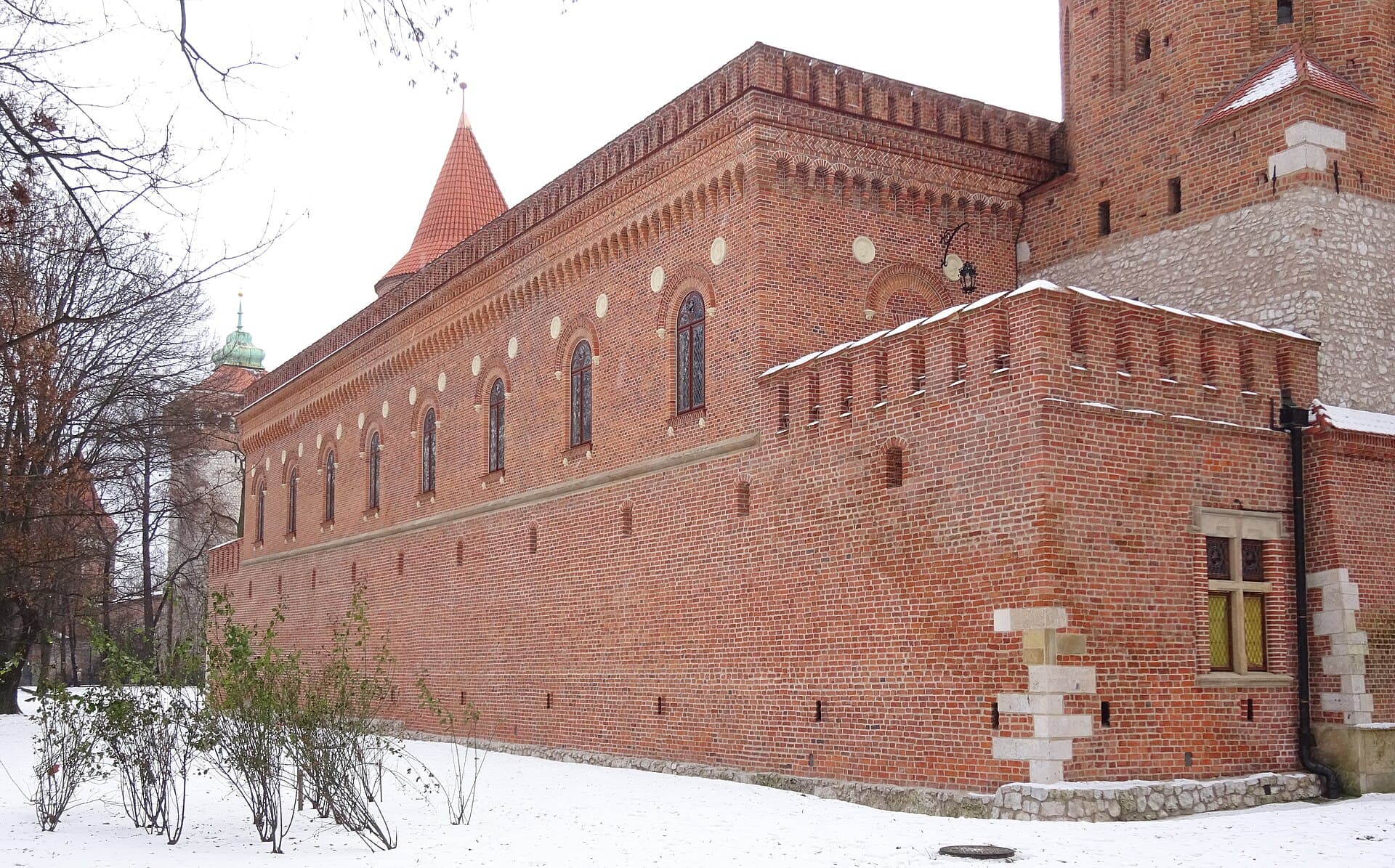 The City ArsenalA sixteenth-century arsenal building attached to Kraków's walls, today a branch 2 minutes walk4.8
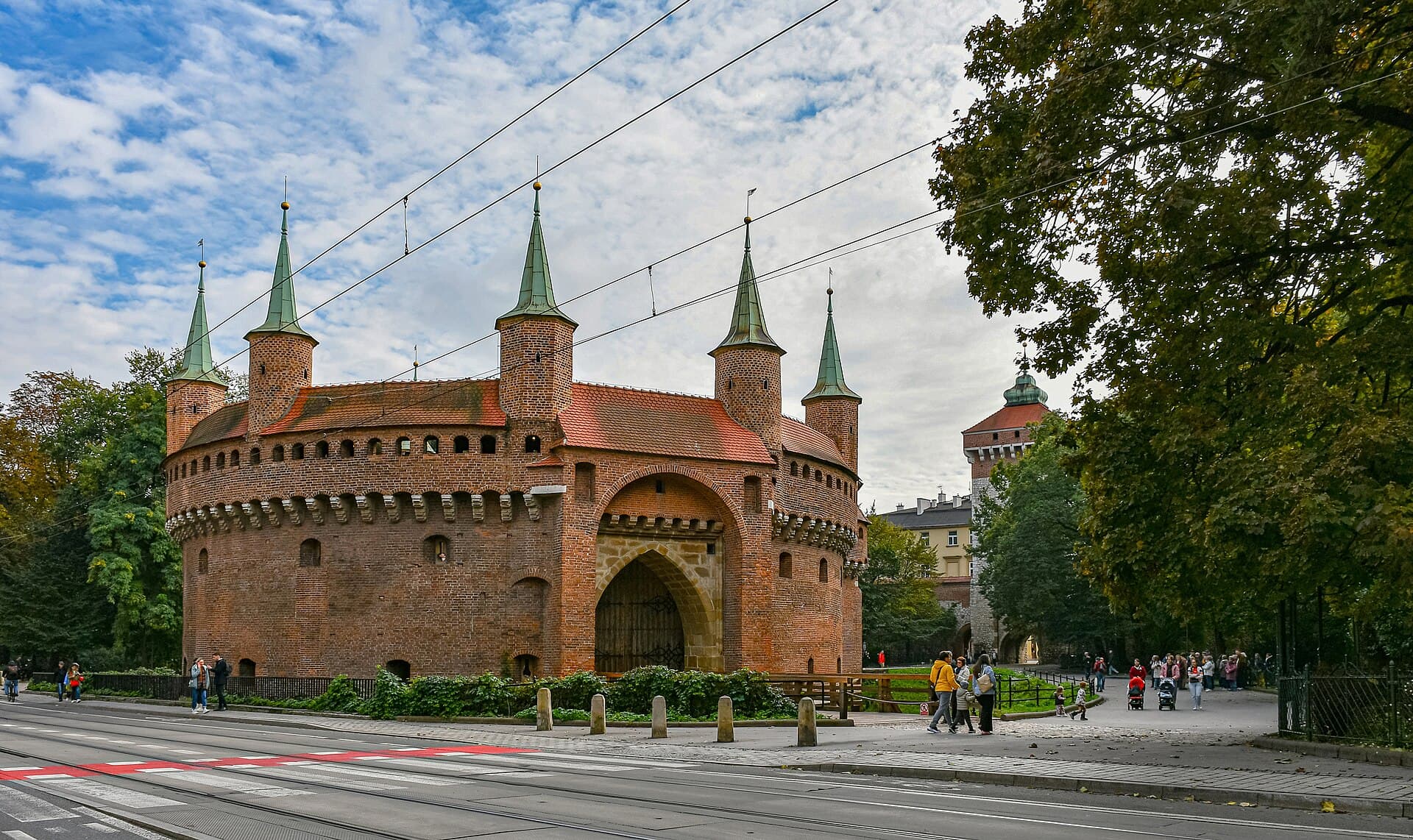 The Barbican, Florian Gate & PlantyThe Barbican is Krakow's war helmet: a round gate-fort (1498) of three-metre wal2 minutes walk4.7
Three operations between 1772 and 1795 in which Russia, Prussia and Austria divided the territory of the Polish-Lithuanian Commonwealth until it was erased from the map entirely. Poland did not exist as a state for a hundred and twenty-three years, regaining independence in 1918 after the First World War. That century and a quarter explains a great deal of Polish culture, art and literature.
Not here. The vast historical canvases hang in the National Museum in Warsaw — the Battle of Grunwald, Rejtan — and in the Sukiennice gallery on Kraków's main square. This house shows his life, tools and studies rather than the major works themselves.