
The Maria Theresa monument
A vast statue of the one woman to rule a dynasty of men — the figures around her recount her entire court.
C.Stadler/Bwag — CC BY-SA 4.0 · Manfred Werner - Tsui — CC BY-SA 3.0 · Hubertl — CC BY-SA 4.0 · Andrés Nieto Porras from Palma de Mallorca, España — CC BY-SA 2.0
The square between the twin museums, with a vast seated statue of Empress Maria Theresa at its centre, ringed by her generals and advisers and four bronze horsemen. She was the only woman to rule in Habsburg history, and the mother of sixteen children, Marie Antoinette among them. The square is less a sight than a stage: standing between two identical buildings, you grasp how the empire thought about symmetry, balance and authority. It is also the best spot to photograph both museums in one frame. In December it becomes one of Vienna's calmer Christmas markets, far less crowded than the city hall market nearby — wooden huts and hot wine under winter lights.
A vast statue of the one woman to rule a dynasty of men — the figures around her recount her entire court.
Two identical buildings facing each other — Vienna's clearest architectural statement of imperial balance.
Maria-Theresien-Platz, Vienna
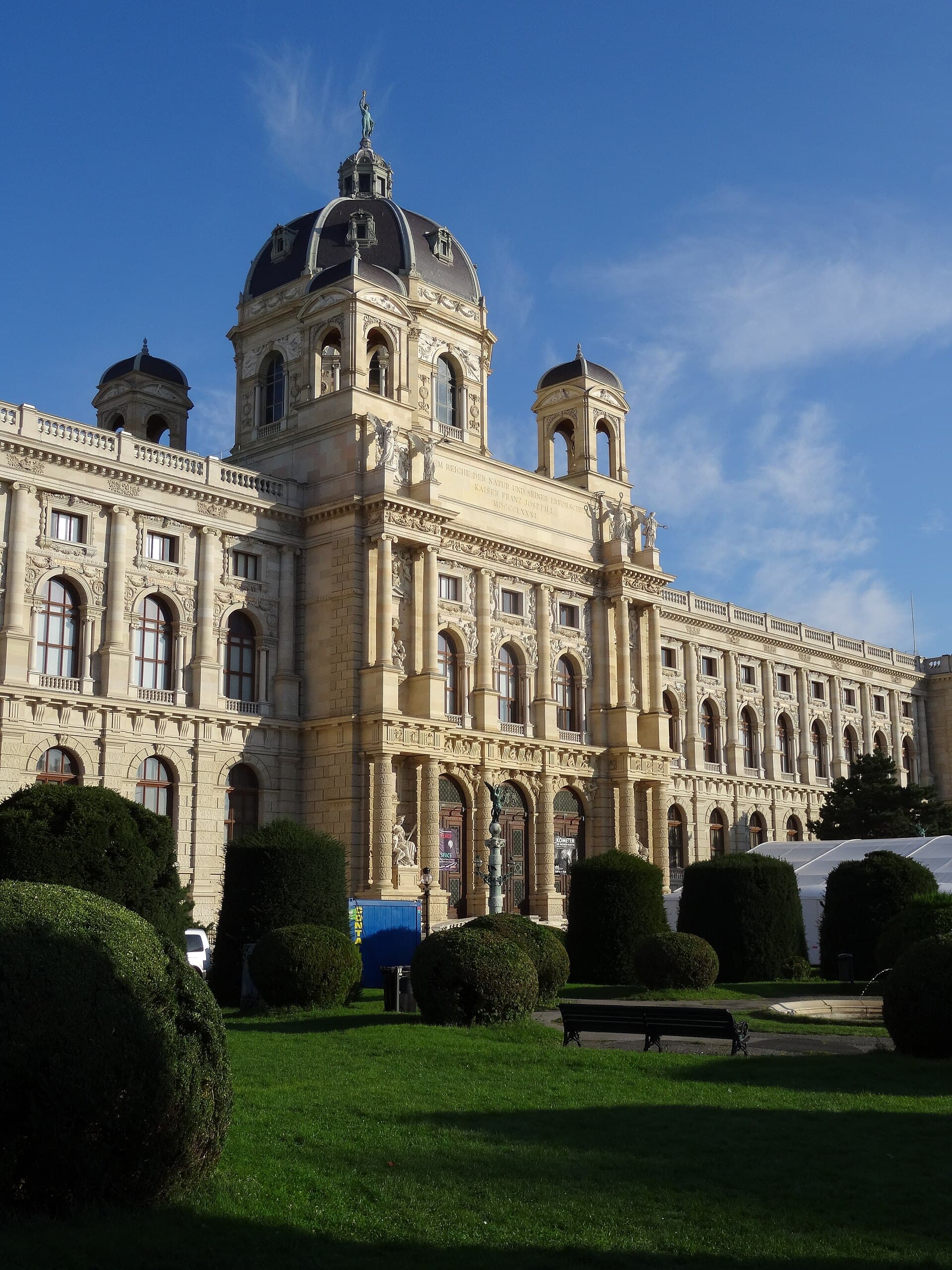 Natural History Museum, ViennaThe twin of the Kunsthistorisches: an identical building facing it across the sq1 minute walk4.9
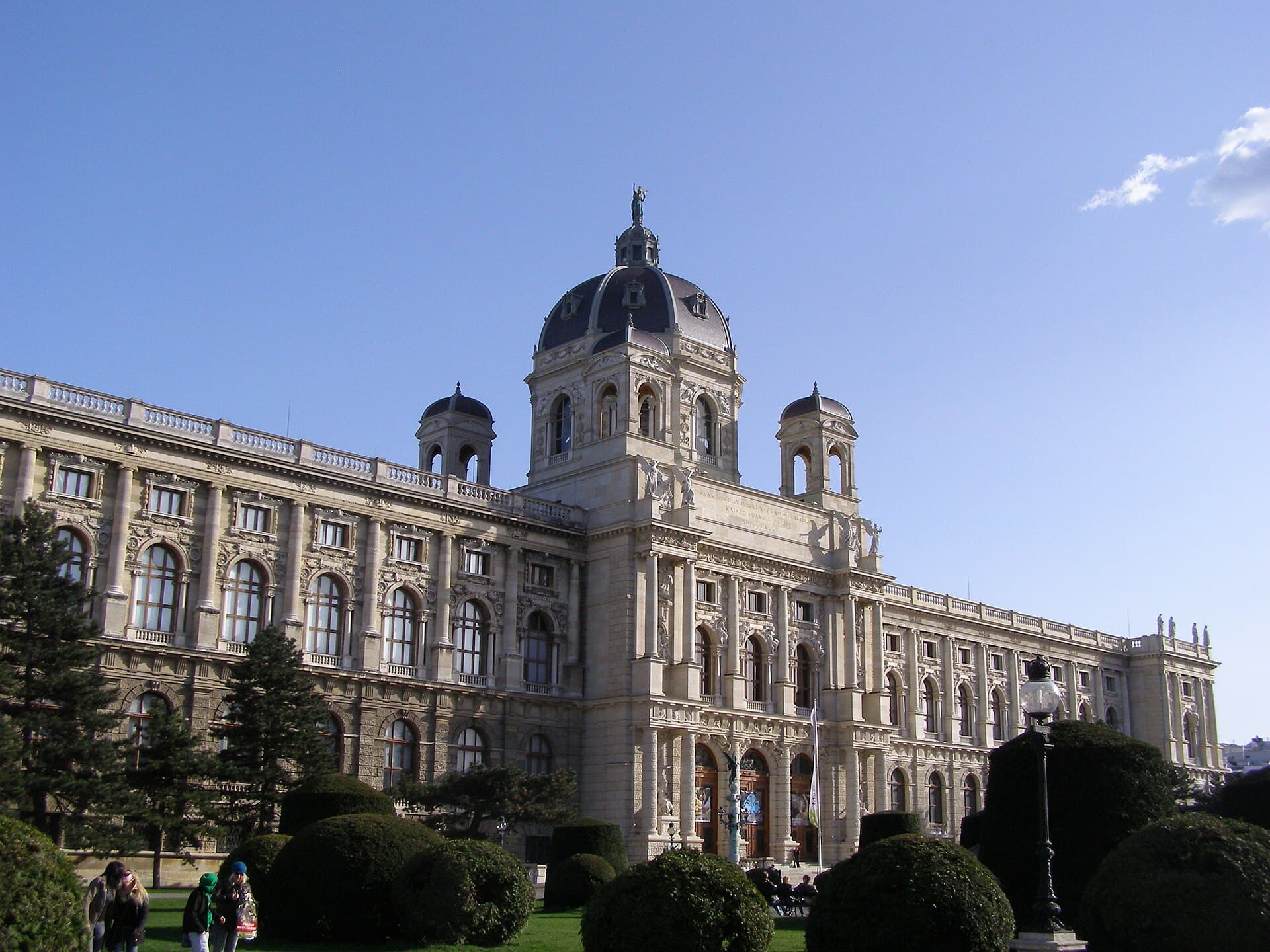 Kunsthistorisches MuseumThe Museum of Art History: the Habsburgs' art hoard, assembled over centuries fr1 minute walk4.7
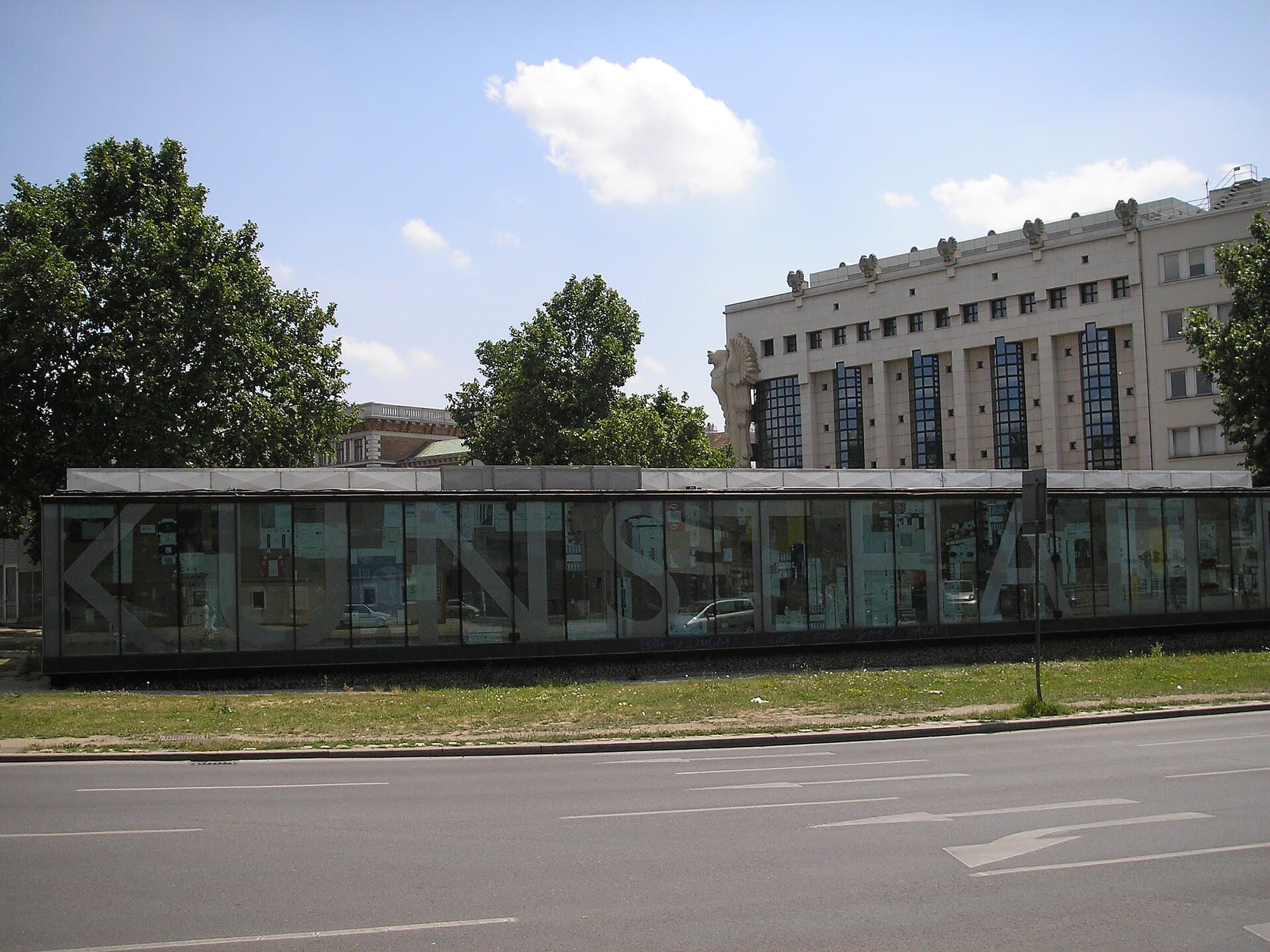 Kunsthalle WienA contemporary art institution inside Vienna's MuseumsQuartier complex, and a Ku2 minutes walk4.3
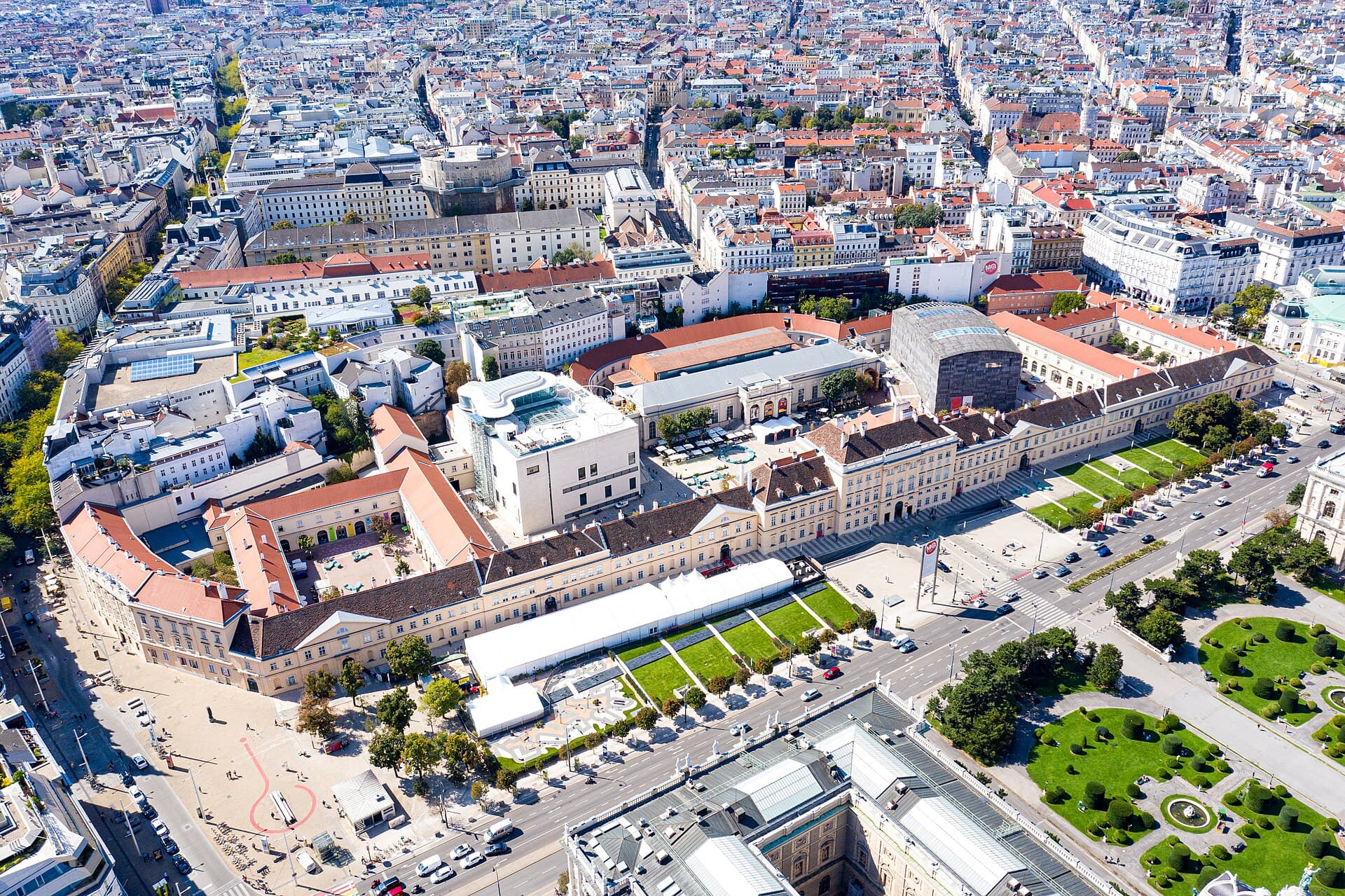 MuseumsQuartierThese were baroque imperial stables with room for thousands of horses, converted2 minutes walk4.5
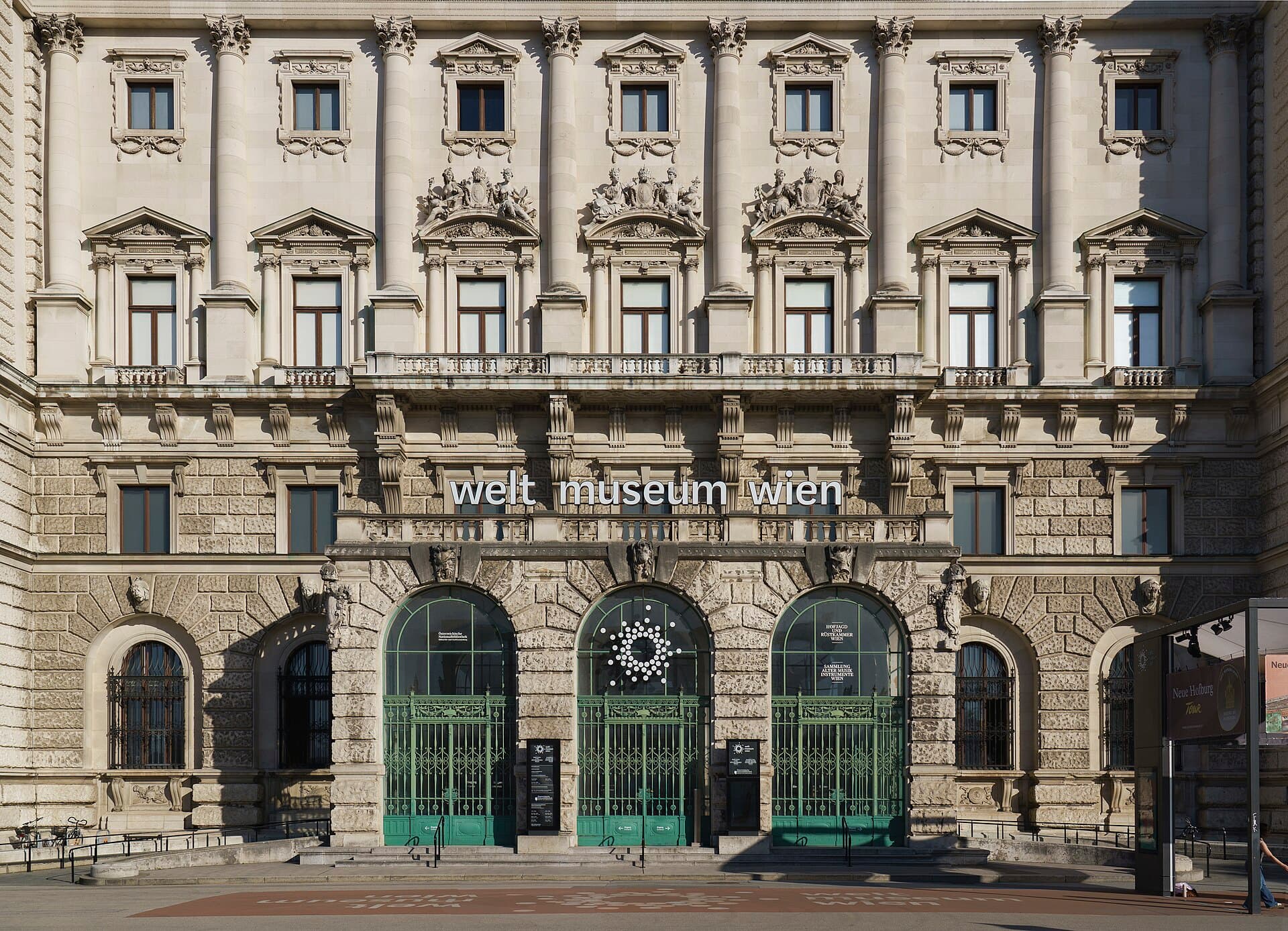 Weltmuseum WienAn ethnographic museum inside the Hofburg's Neue Burg wing, showing what the Hab2 minutes walk4.7
No — but you will inevitably cross it between the museums and the Hofburg. Give it ten minutes on your route rather than a separate journey.