
The Mexican feather headdress
Sixteenth-century green quetzal plumes — globally unique, and at the centre of an international restitution debate.
Thomas Ledl — CC BY 4.0 · Jules Verne Times Two — CC BY-SA 4.0 · Richard Mortel — CC BY 2.0 · Richard Mortel — CC BY 2.0
An ethnographic museum inside the Hofburg's Neue Burg wing, showing what the Habsburgs and their travellers gathered from every continent over centuries: masks, textiles, instruments, boats and ritual objects from Africa, Asia, Oceania and the Americas. Its most famous object is the Mexican feather headdress, made from the green plumes of the quetzal, traditionally attributed to Moctezuma, with no equivalent anywhere in the world. An ongoing international debate surrounds its ownership and possible return to Mexico — and the museum displays that debate rather than hiding it. That is what genuinely sets it apart: it was redesigned to ask how these objects reached Vienna, not to display them as trophies. The labelling is explicit about colonialism and how things were acquired, a rare stance among comparable European museums, and it makes for a thought-provoking visit rather than a cabinet of curiosities.
Sixteenth-century green quetzal plumes — globally unique, and at the centre of an international restitution debate.
The museum explains how objects arrived and raises colonial questions openly — a rare and creditable stance.
Textiles, masks and objects from Japan, Indonesia and India — a strong collection with few visitors in it.
Heldenplatz, Hofburg, Vienna
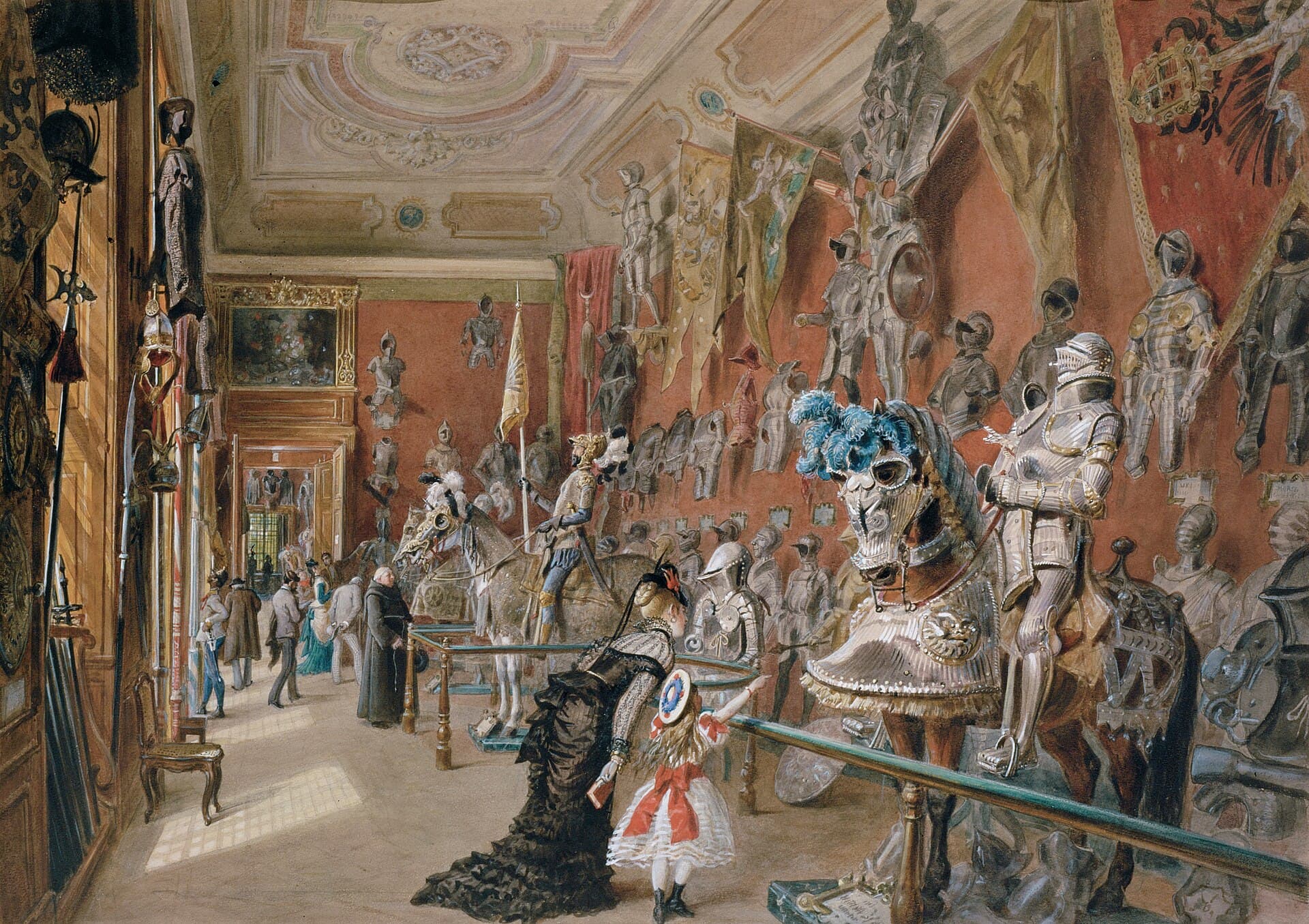 The Imperial ArmouryOne of the world's most important collections of arms and armour, shown in the N1 minute walk4.9
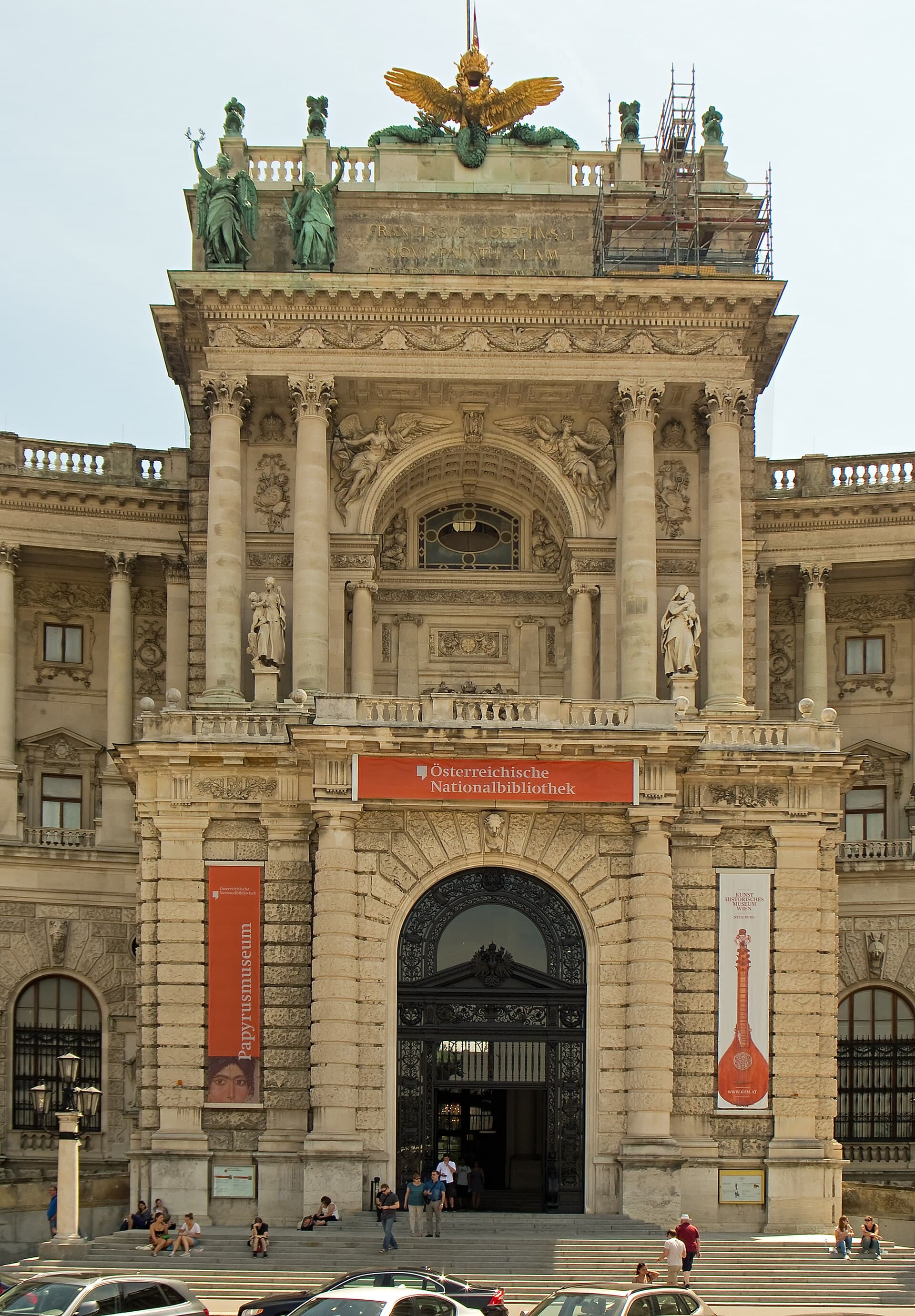 House of Austrian HistoryA museum opened in 2018 inside the Neue Burg wing of the Hofburg palace, coverin1 minute walk4.4
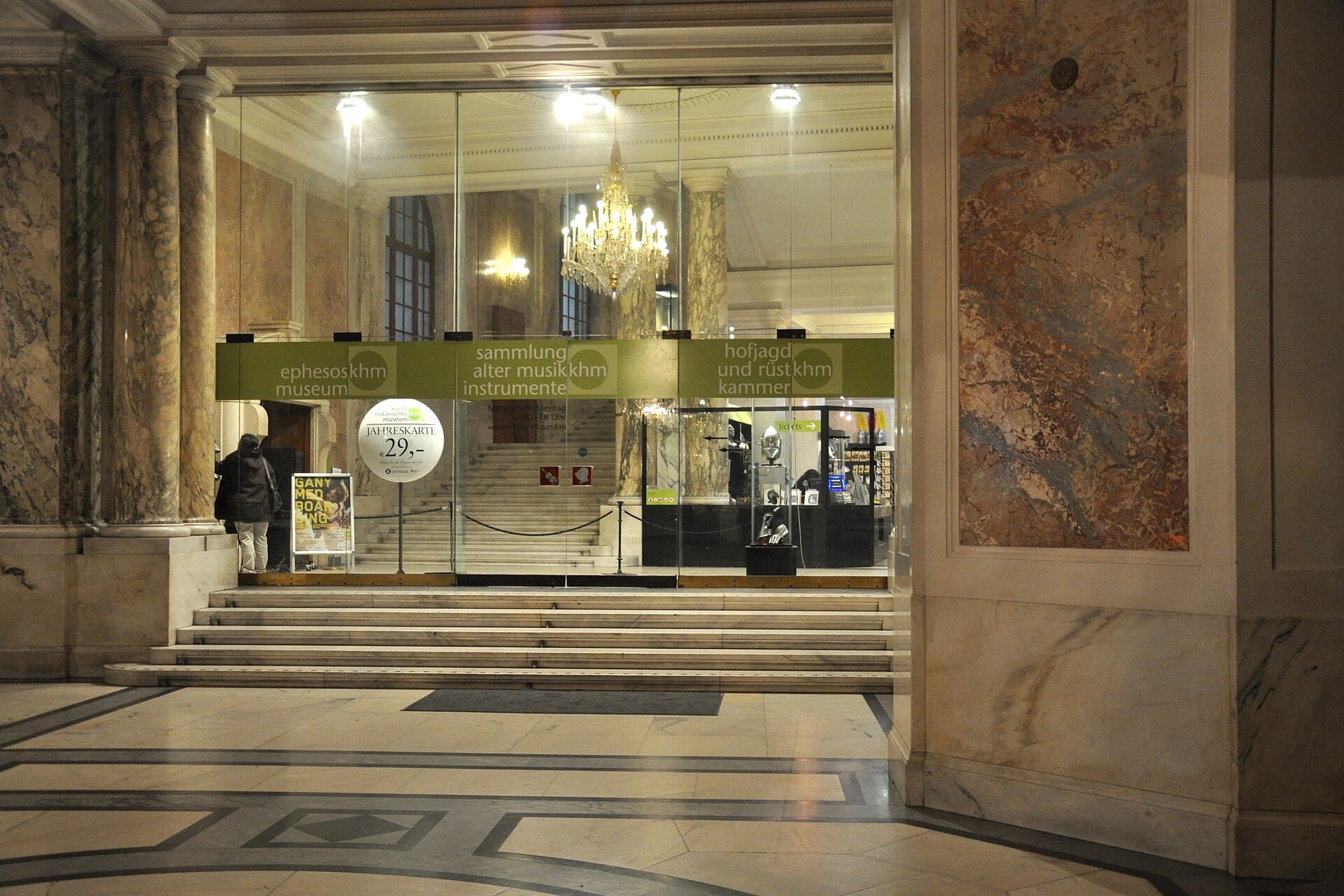 Collection of Historic Musical InstrumentsOne of the world's most important collections of historic musical instruments, i2 minutes walk4.5
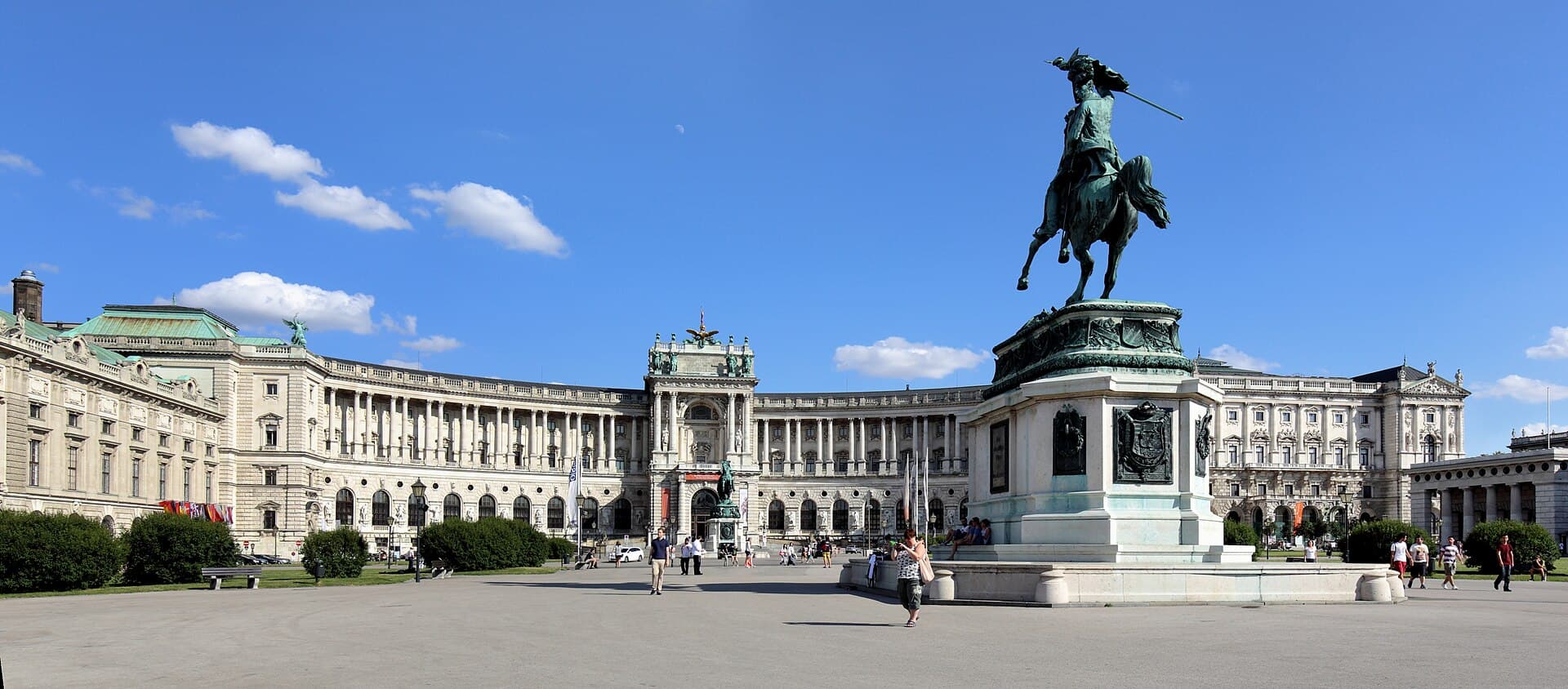 HeldenplatzThe vast open square before the Hofburg, and historically the heaviest public sp2 minutes walk4.8
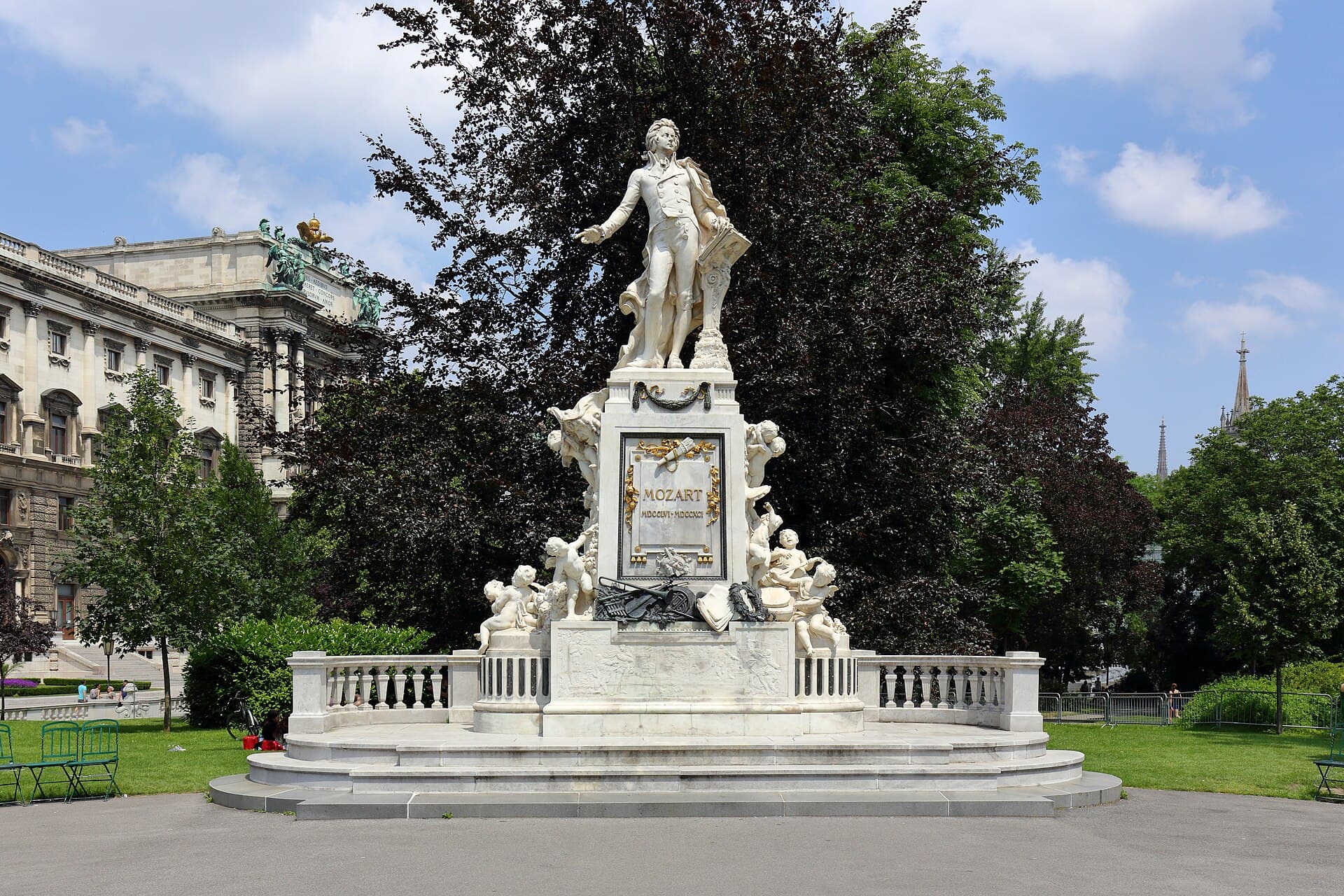 Mozart Monument, ViennaMozart's marble monument in the Burggarten: the composer standing on a tall plin2 minutes walk4.8
Not before the Hofburg, Schönbrunn and the Belvedere. But it is an excellent fourth or fifth day, and ideal for anyone who prefers museums that ask questions over museums that only display beauty.