
An arch with no curved timber
Straight planks set as tangents to the curve build a bend that exists in no single piece.
Steff — CC BY-SA 3.0 · FrDr — CC BY-SA 4.0 · FrDr — CC BY-SA 4.0 · FrDr — CC BY-SA 4.0
The most famous thing about this small timber footbridge is flatly untrue: that Isaac Newton built it without a single nail, and that curious students later took it apart and could only put it back together with bolts. Newton died in 1727; the bridge went up in 1749, designed by William Etheridge and built by James Essex, and it had iron fastenings at the joints from day one. The legend is still the best part of the visit, and you will hear it from every punt guide who drifts underneath. The trick is that the arch is made entirely of straight timbers, set as tangents to the curve and braced by radial members, so it reads as a curve from a distance and as pure geometry up close, hence the name. What stands today is the 1905 rebuild, done to the same design but in teak rather than oak, after an 1866 repair that touched only the cross-beams and decking. It links the two halves of Queens' College across the River Cam. The practical question is whether to pay to cross it. The best view is completely free, from the stone Silver Street bridge a few metres upstream, which is where most of the famous photographs are taken from. Walking over it means entering Queens' College: GBP 5 for adults, free for children under twelve, through the visitors' gate on Queens' Lane between 10:00 and 16:00. The college shuts to tourists for the whole exam period, fixed in 2026 as 19 April to 4 July, plus scattered event days, and there is step-free access for wheelchairs and pushchairs via the Porters' Lodge on Silver Street. Budget five minutes, not an afternoon. The most enjoyable way to see it is from below, on a punt from the Silver Street landing next door, as part of a trip along the college backs. In summer the little pavement fills with photographers; in winter the college locks up at four and the light goes soon after, but the bridge itself is visible from outside at any hour.
Straight planks set as tangents to the curve build a bend that exists in no single piece.
The tale of Newton's bolt-free bridge is pure invention, and you will hear it from every guide regardless.
From the Silver Street landing next door, punts glide straight under the bridge before heading up the Backs.
Queens' College, Silver Street, Cambridge CB3 9ET
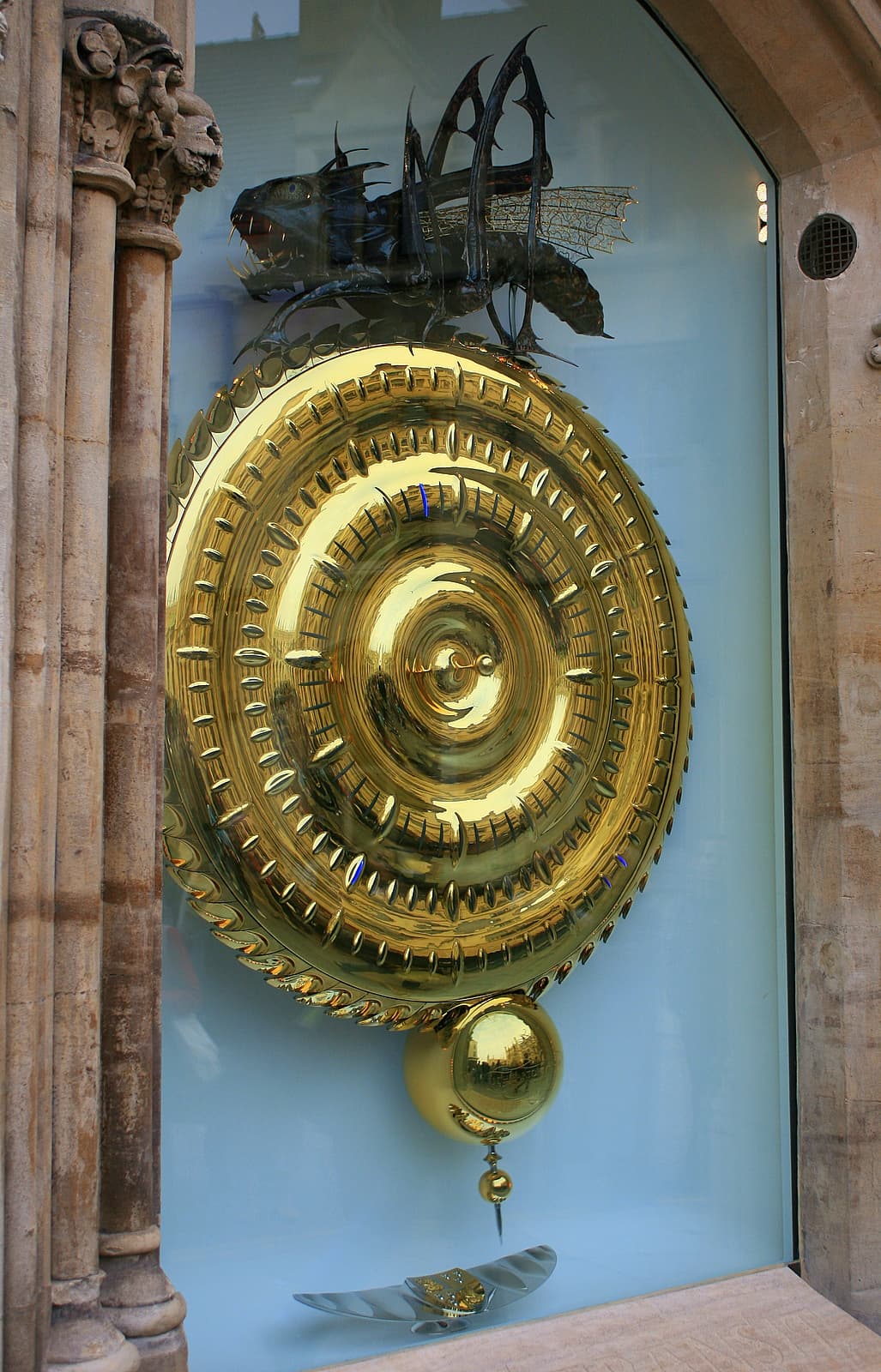 Corpus ClockA clock that cost a million pounds, has no hands, and is deliberately correct on3 minutes walk4.7
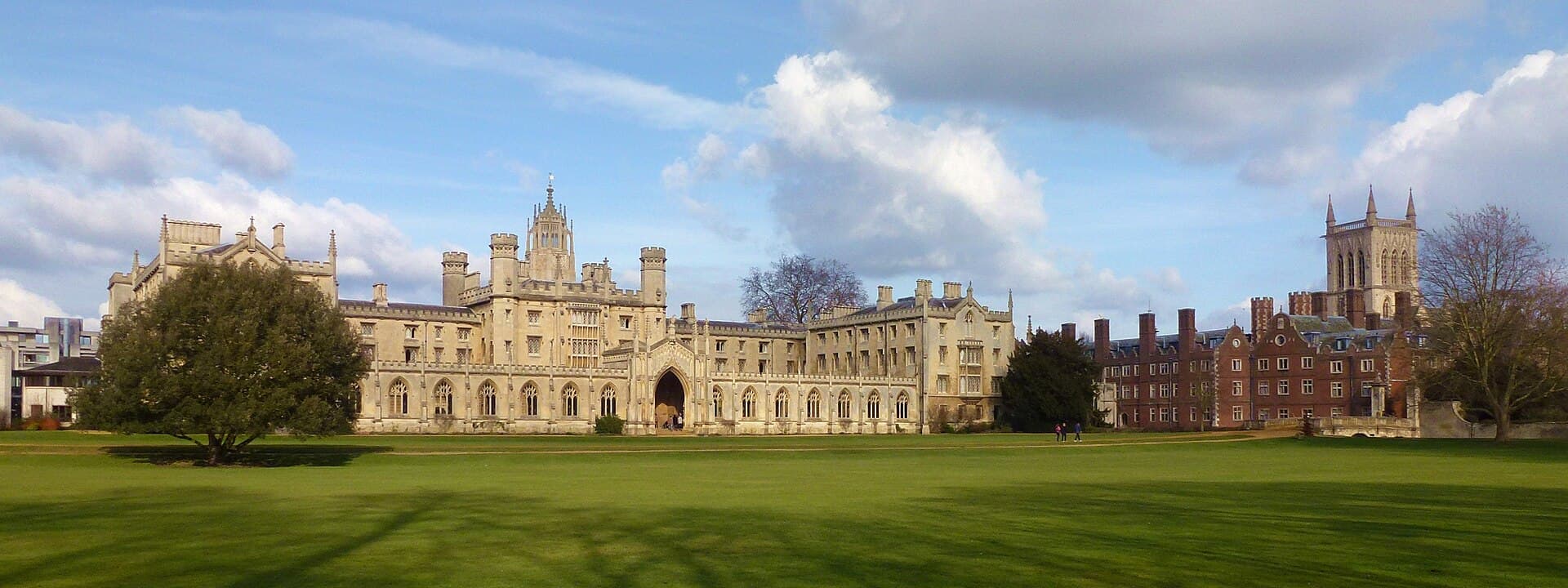 The BacksCambridge's most famous view is not seen from the street every visitor knows, bu3 minutes walk4.5
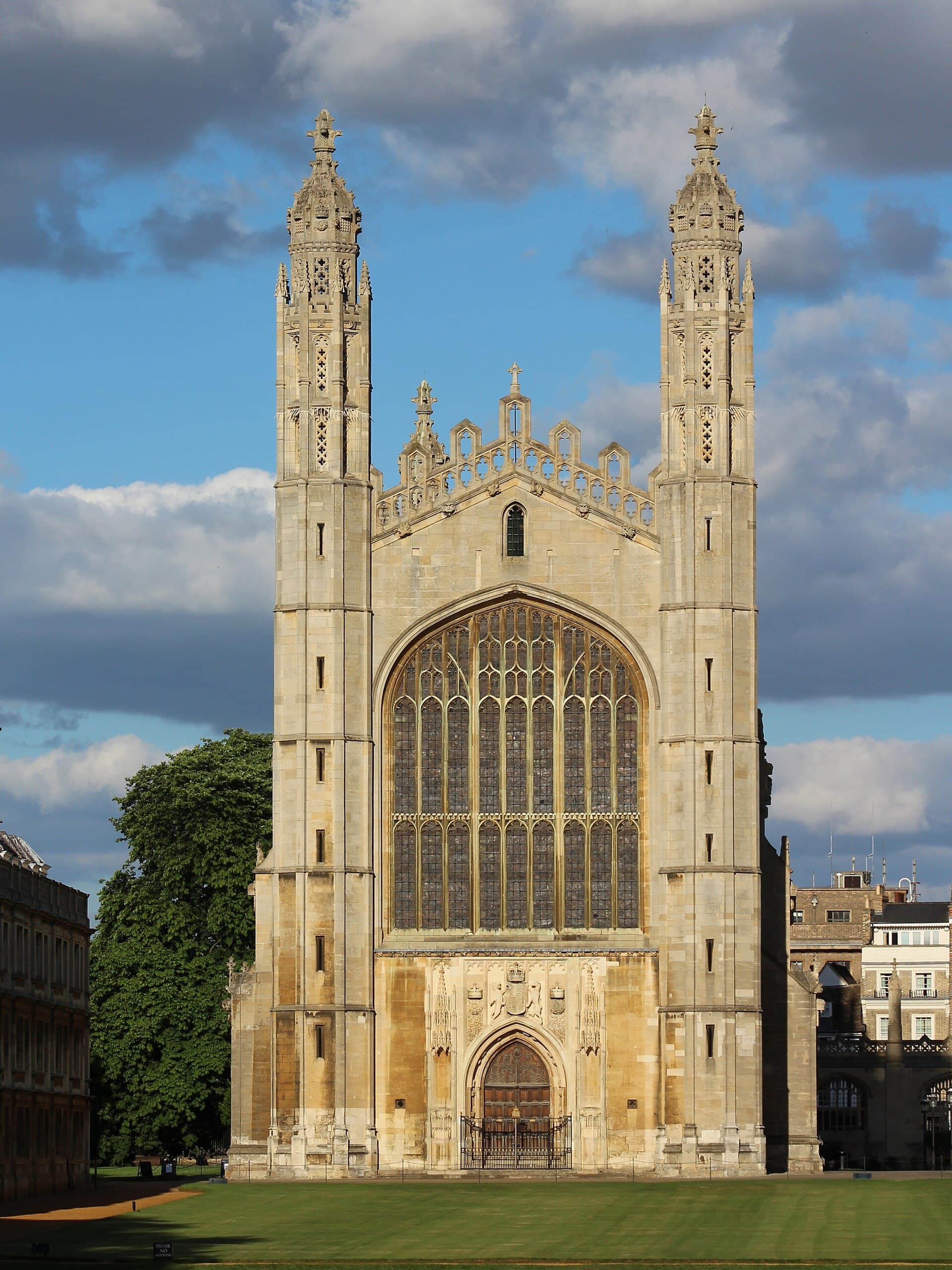 King's College ChapelLook up before anything else. The ceiling of King's College Chapel is the larges4 minutes walk4.6
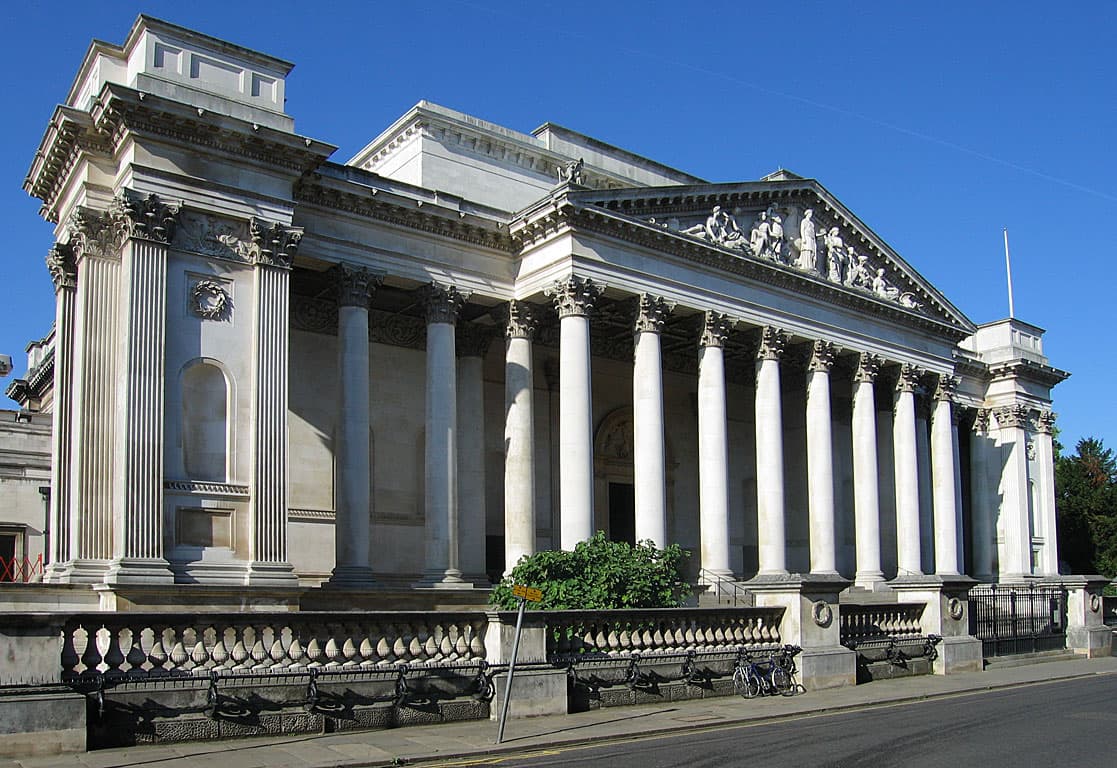 Fitzwilliam MuseumWalk in through the main door and you are under a gilded ceiling held up by marb5 minutes walk4.8
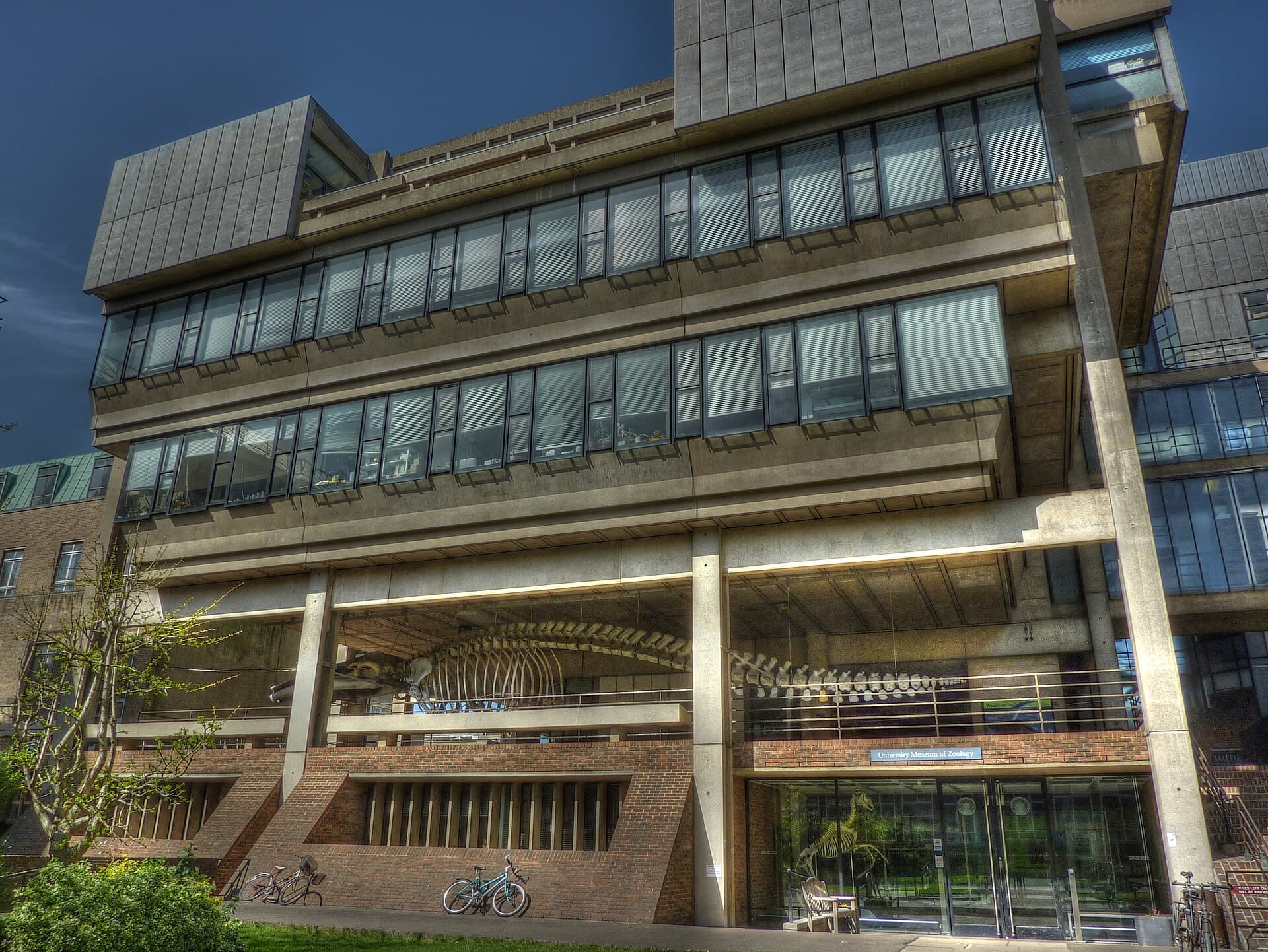 Museum of ZoologyA fin whale skeleton more than 21 metres long hangs over your head before you ha5 minutes walk4.8
Not for the bridge alone; the free view from Silver Street bridge is better than the view from on top of it. Pay if you want to see Queens' College courts and its old hall from inside, and the crossing becomes a small bonus at the end of the visit.
Probably not; in 2026 Queens' College is closed to visitors from 19 April to 4 July for exams. You can still see the bridge for free from Silver Street or from a punt, which is what most visitors do anyway.