
The gilded entrance hall
A gold ceiling, marble columns and twin staircases make the doorway alone worth the detour.
CC BY-SA 2.0 · FrDr — CC BY-SA 4.0 · Georgy Papantoniou — CC BY 3.0 · Rept0n1x — CC BY-SA 3.0
Walk in through the main door and you are under a gilded ceiling held up by marble columns, with staircases sweeping off to either side; it feels like a European palace, not a university museum. That entrance hall alone explains why the Fitzwilliam is counted among the finest buildings in Cambridge alongside King's College Chapel, and the best part is that it costs nothing: no ticket, no advance booking for individuals, which is rare for a collection of this calibre outside London. This is the University of Cambridge's museum of art and antiquities, founded in 1816 on the bequest of Viscount Fitzwilliam and housed since 1848 in the neoclassical pile on Trumpington Street. The collection runs to around half a million objects, but what people actually come for are the Egyptian galleries on the ground floor, with their painted coffins and mummies, and the European paintings upstairs, where Titian, Rubens, Monet and Picasso hang within a few rooms of each other. Between the two sits a quietly excellent run of Islamic ceramics and Persian and Arabic manuscripts that rewards a pause. From 8 September 2026 to 7 March 2027 the museum also shows, free and unbooked, «A Mughal Songbook», built around a rare illustrated manuscript of Persian, Urdu, Hindi and Punjabi songs compiled in Mughal India in 1787-88. For families: it works well with school-age children, who tend to be transfixed by the Egyptian coffins. Buggies are allowed throughout, and the courtyard entrance is step-free with a lift to the upper floor. Small backpacks can be worn; larger bags must go into lockers (a refundable one-pound coin, or a free token from the desk) and suitcases are not admitted at all. The Courtyard Kitchen café does light lunches and children's meals until 16:30. No dedicated prayer room is advertised. The museum is closed every Monday, open Tuesday to Saturday 10:00-17:00 and Sundays and bank holidays 12:00-17:00, with last entry at 16:40. From the railway station it is about a twenty-minute walk, or the U bus stops right outside. There is no visitor parking; use the Grand Arcade or Queen Anne car parks. An hour and a half suits most people, two and a half if paintings are your thing.
A gold ceiling, marble columns and twin staircases make the doorway alone worth the detour.
Painted coffins and mummies on the ground floor, the section that holds children spellbound.
Titian, Monet and Picasso upstairs, with Islamic ceramics and Persian manuscripts in between.
Trumpington Street, Cambridge CB2 1RB
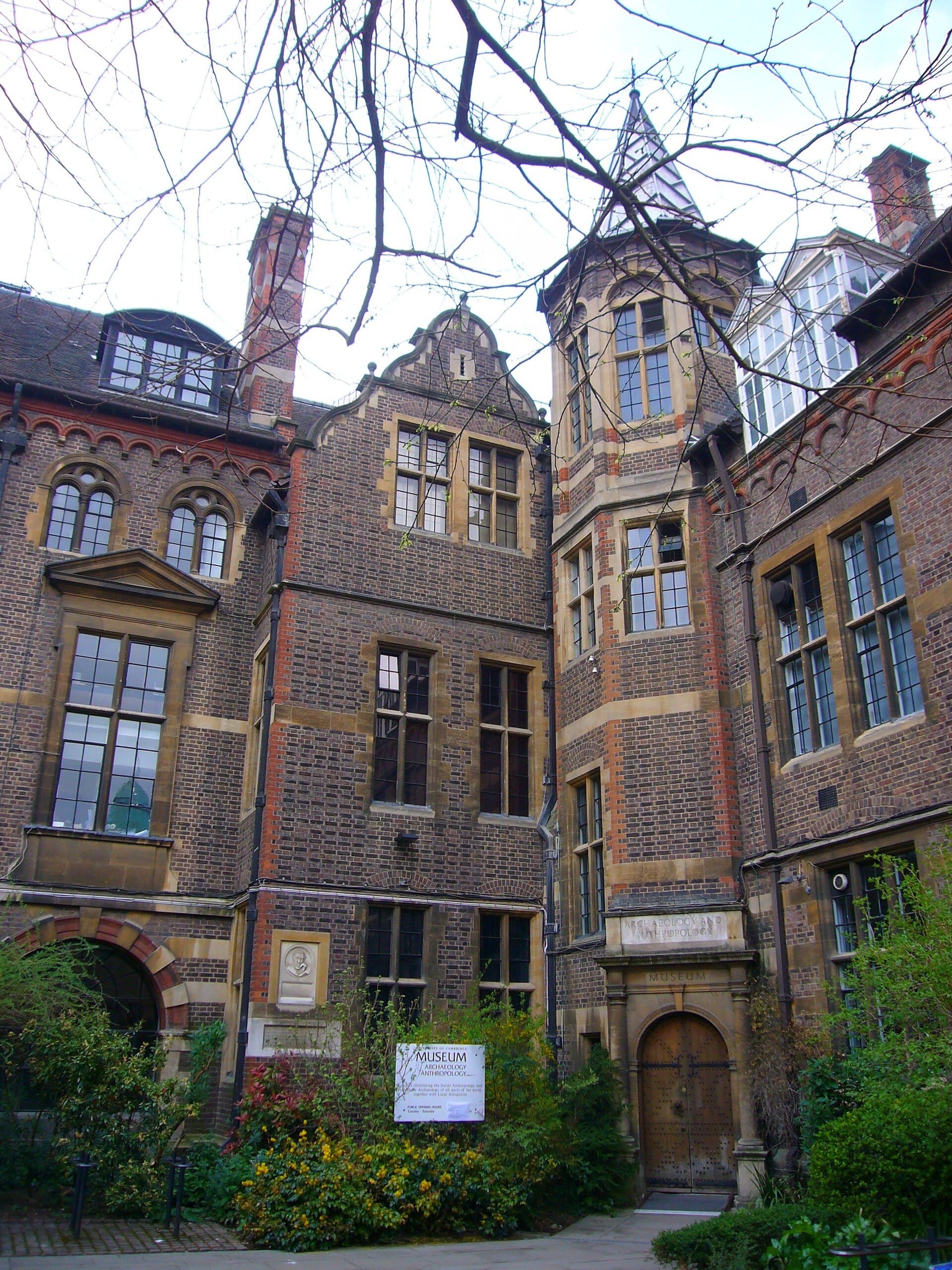 Museum of Archaeology and AnthropologyA fourteen-metre cedar totem pole, carved by the Haida people of Haida Gwaii off4 minutes walk4.6
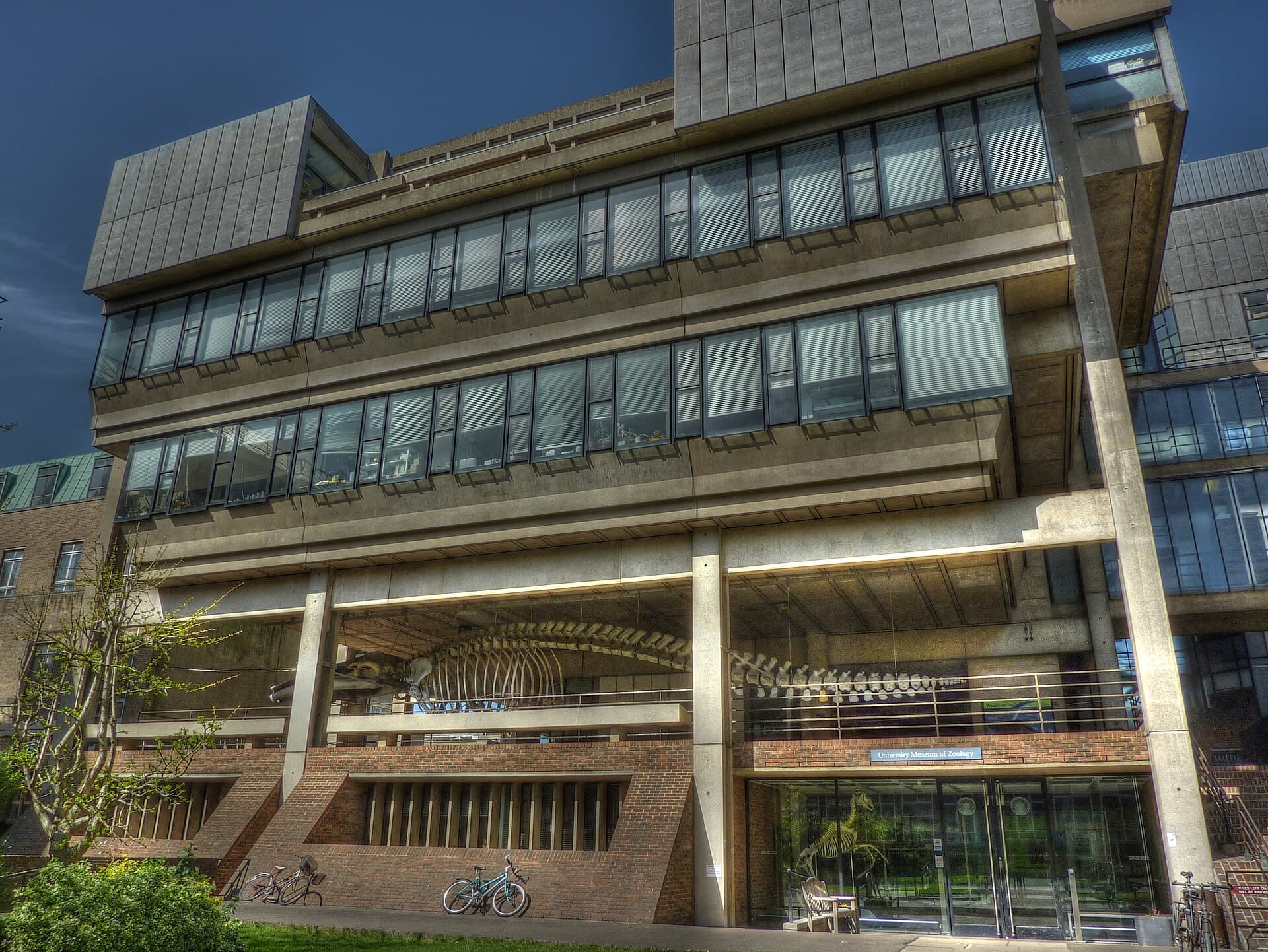 Museum of ZoologyA fin whale skeleton more than 21 metres long hangs over your head before you ha4 minutes walk4.8
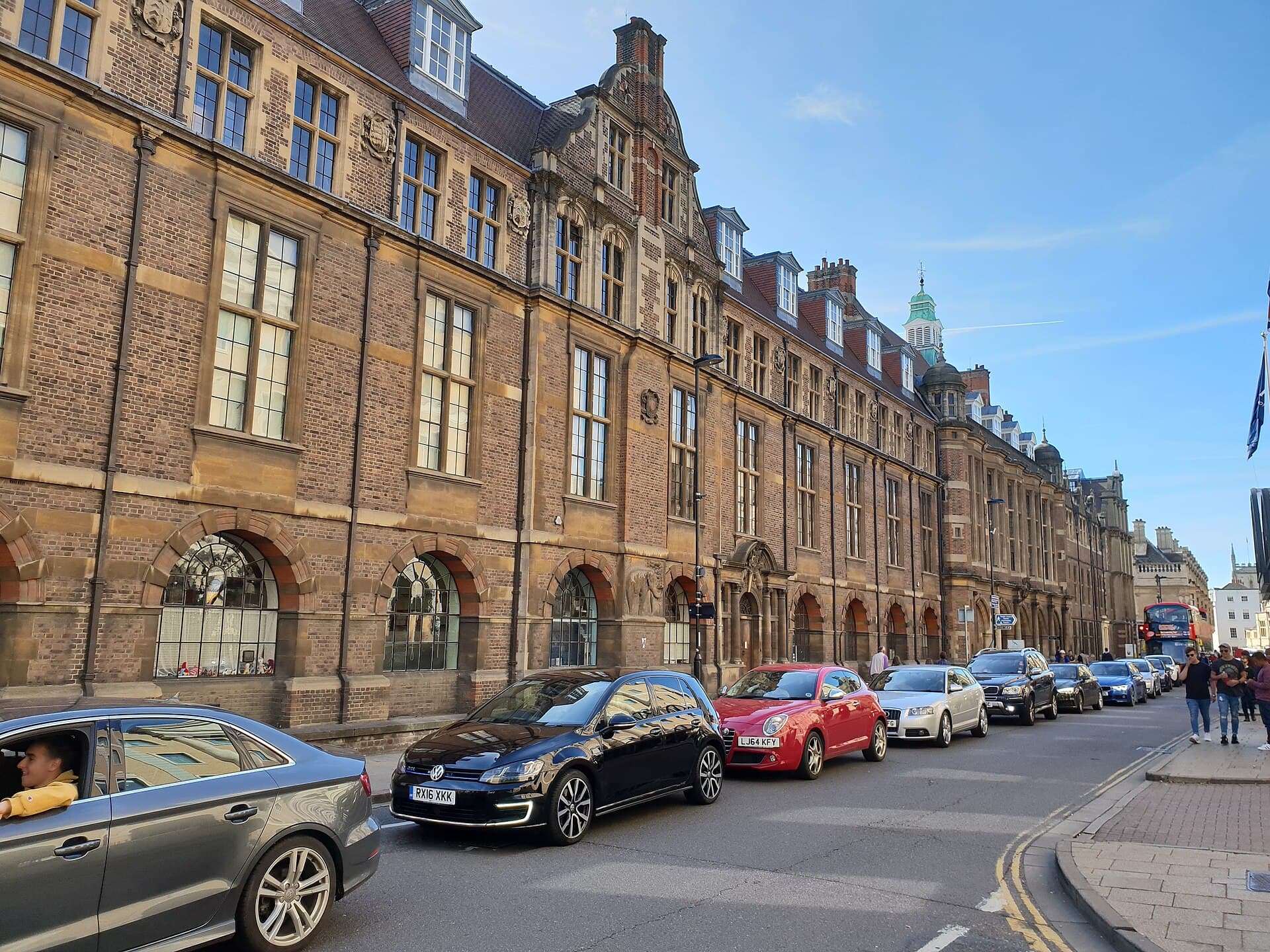 Sedgwick Museum of Earth SciencesAt the top of a grand double stone staircase, guarded by carved bears on one sid4 minutes walk4.8
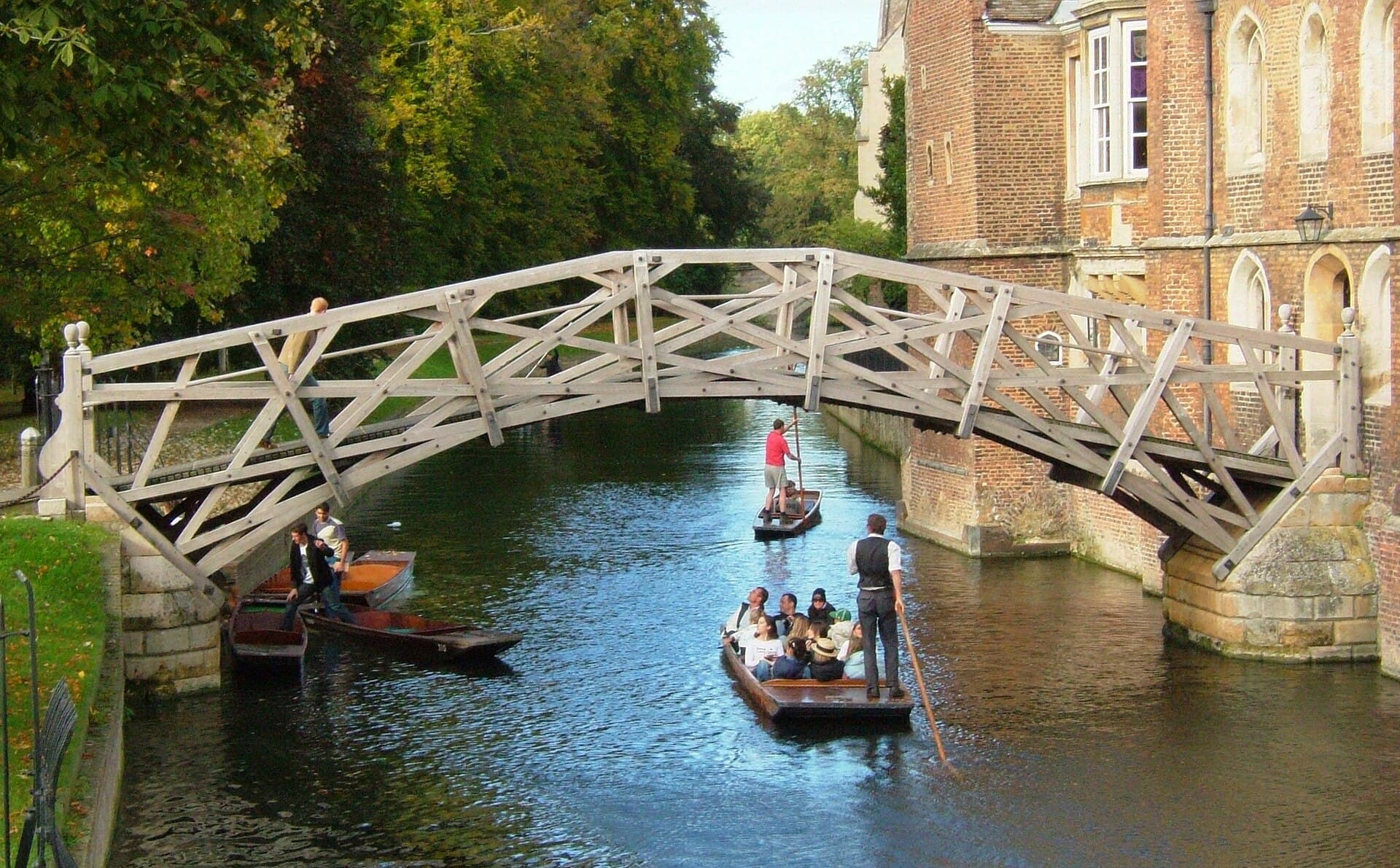 Mathematical BridgeThe most famous thing about this small timber footbridge is flatly untrue: that 5 minutes walk4.4
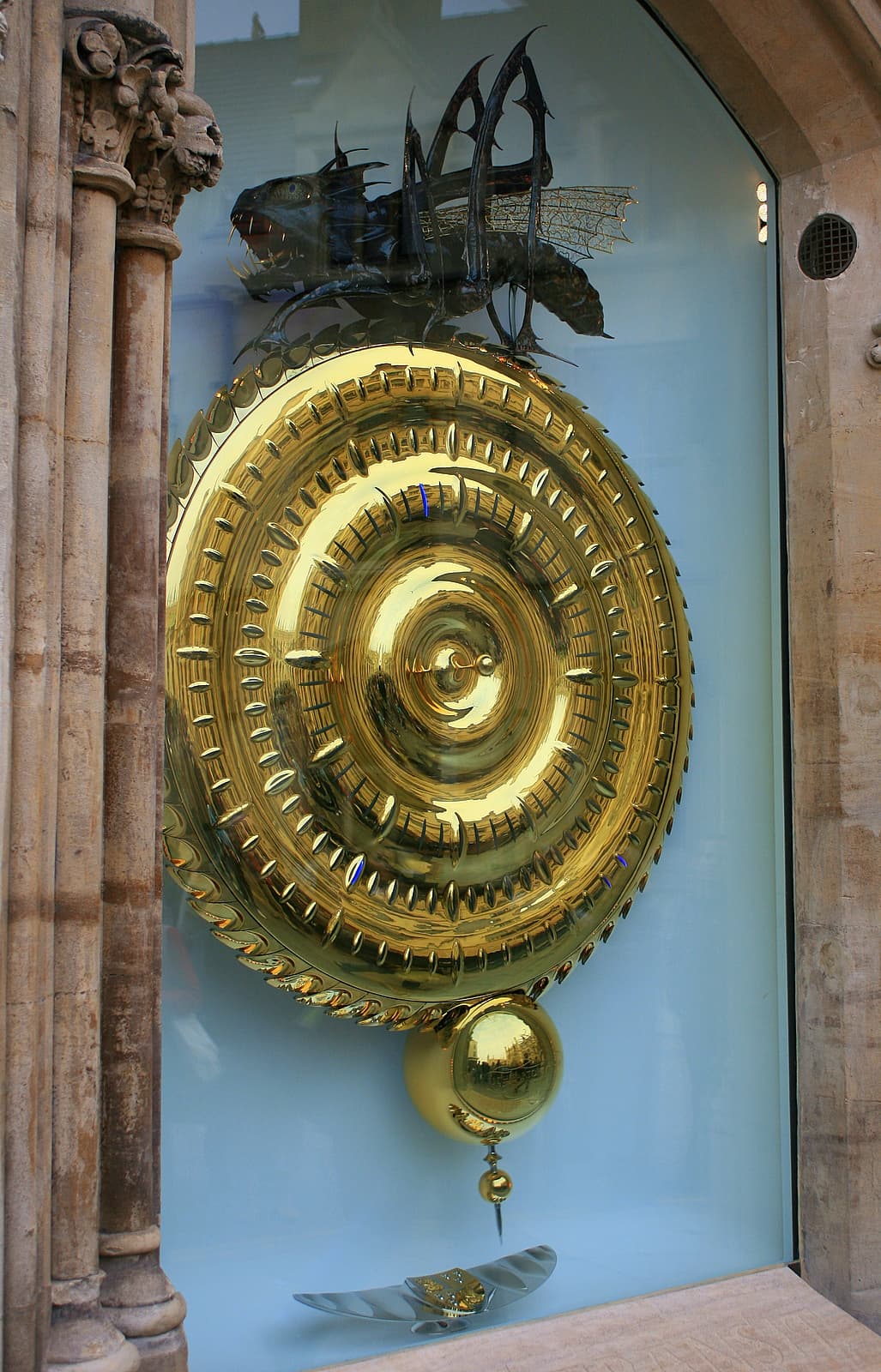 Corpus ClockA clock that cost a million pounds, has no hands, and is deliberately correct on5 minutes walk4.7
If time is tight, do the colleges and the river first. But the museum is free and a five-minute walk from King's College, so an hour for the entrance hall and the Egyptian rooms costs you nothing, and it is the best refuge when it rains. Just remember it is shut on Mondays.
From about six upwards, yes, thanks to the Egyptian coffins and the armour. Toddlers tire quickly of the painting galleries, but buggies are allowed, the courtyard entrance is step-free with a lift, and the café does children's meals.