
The Nasrid gateway
What remains of the Islamic shipyard, a horseshoe arch people pass under daily.
Bengt Nyman from Vaxholm, Sweden — CC BY 2.0 · Bengt Nyman from Vaxholm, Sweden — CC BY 2.0 · Bengt Nyman from Vaxholm, Sweden — CC BY 2.0 · Bengt Nyman from Vaxholm, Sweden — CC BY 2.0
Málaga's central market, standing on the site of the shipyard built by the city's Muslim rulers, from which its name comes: Atarazanas, from the Arabic dar as-sina'a, the house of manufacture. One piece of that original building survives, set into the present one: a marble gateway of Nasrid architecture with a horseshoe arch, standing today in the market's façade with people passing beneath it carrying bags of vegetables. This is one of the clearest points in Málaga where Andalusi history touches daily life. The building itself is nineteenth century with an iron frame, and at one end is a large stained-glass window showing scenes of Málaga. This is a market that genuinely works: fish, vegetable and meat traders serving the city's residents rather than a food hall for visitors. Morning is its time — the real activity is before noon, after which it quietens and many stalls close. It also holds small bars serving fried fish and seafood at fair prices, among the best eating in central Málaga.
What remains of the Islamic shipyard, a horseshoe arch people pass under daily.
Atarazanas from the Arabic dar as-sina'a — the history is in the name itself.
Fried fish and seafood at fair prices — among the best eating in the centre.
Calle Atarazanas, central Málaga
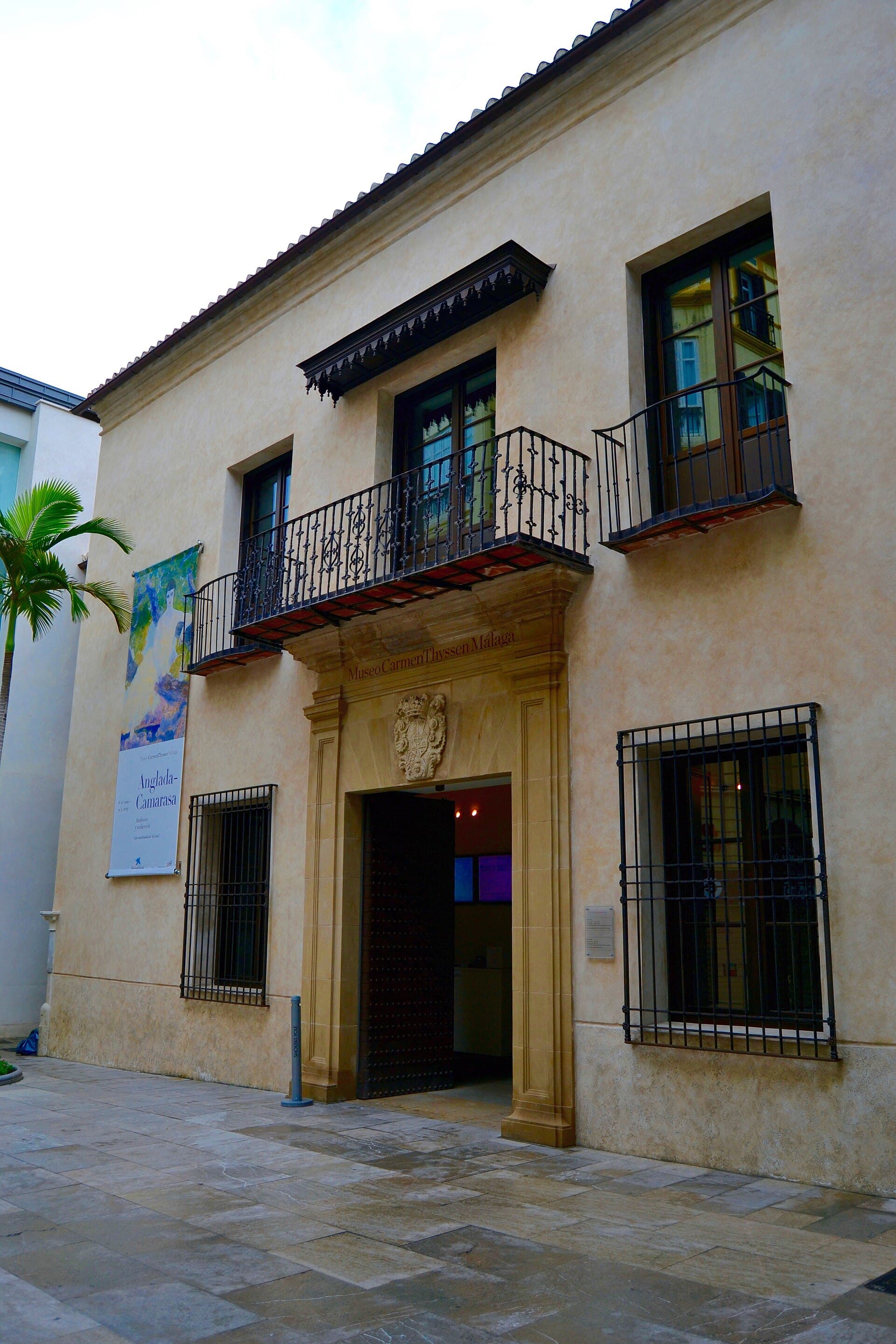 Carmen Thyssen MuseumAn art museum in the Palacio de Villalón, a sixteenth-century house in old centr4 minutes walk4.5
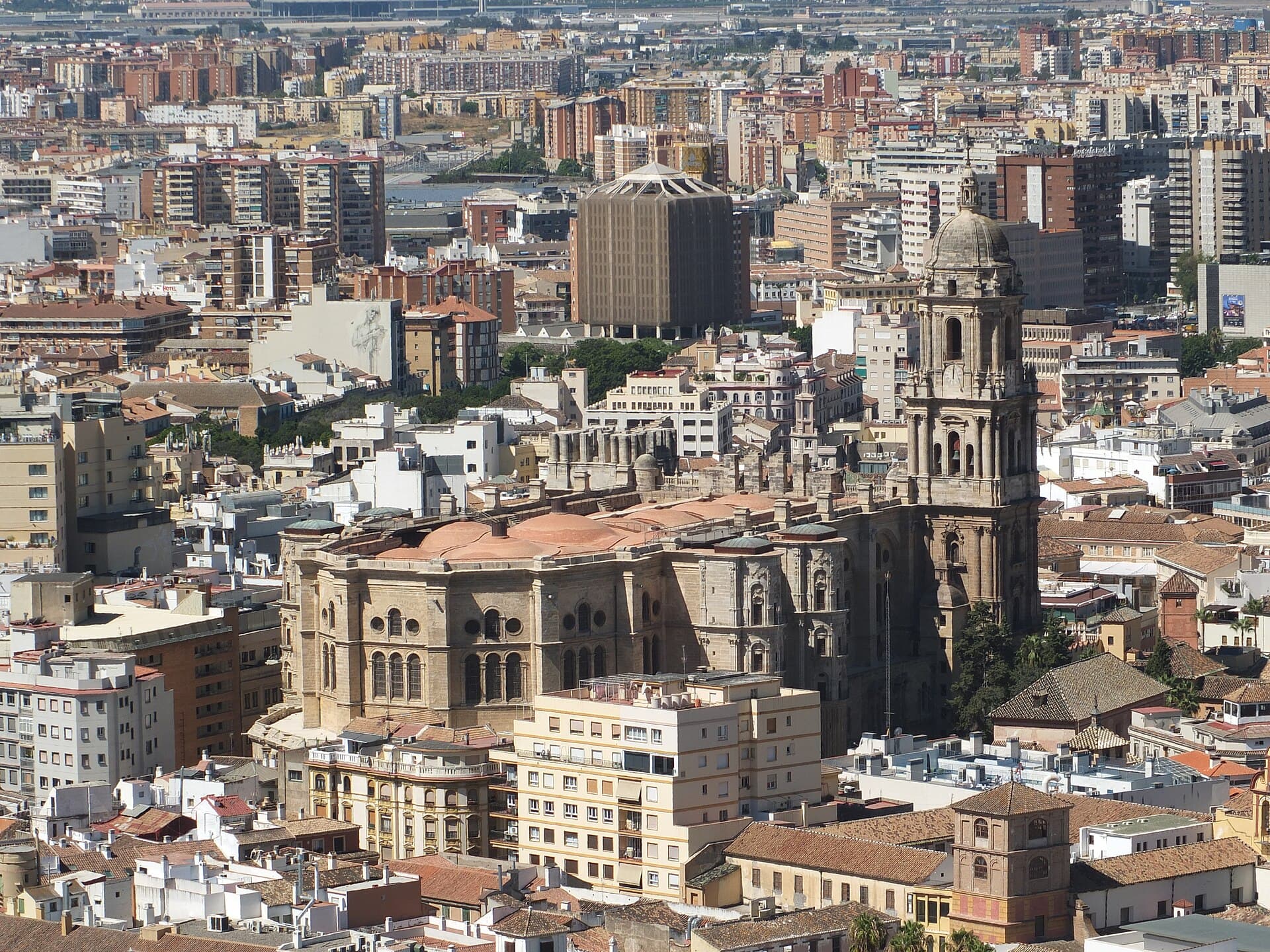 Málaga Cathedral (La Manquita)"La Manquita" — the little one-armed lady, in Málaga's affection — is their sing5 minutes walk4.5
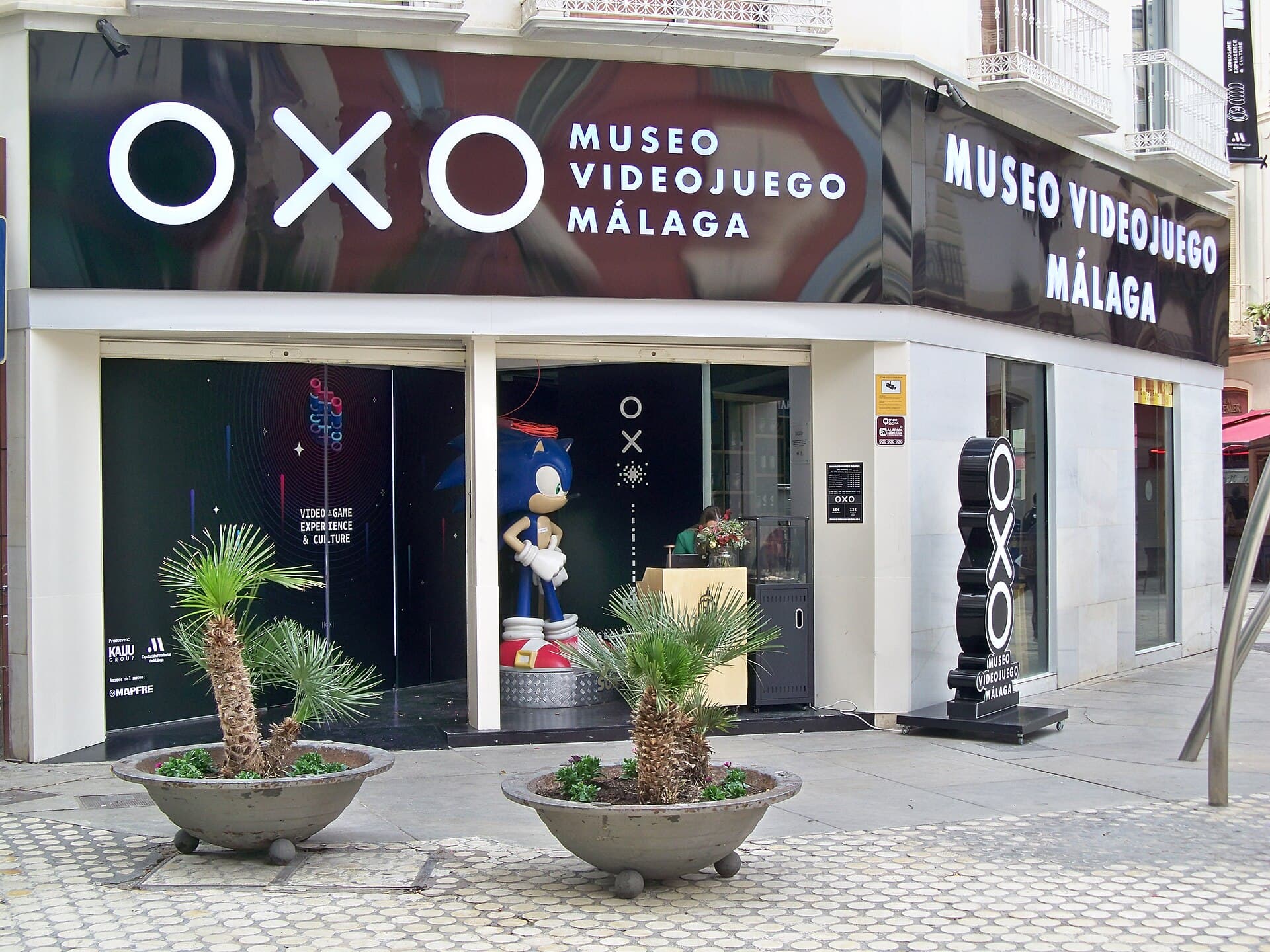 OXO Video Game MuseumA museum of the history of video games in central Málaga, counted among the larg6 minutes walk4.8
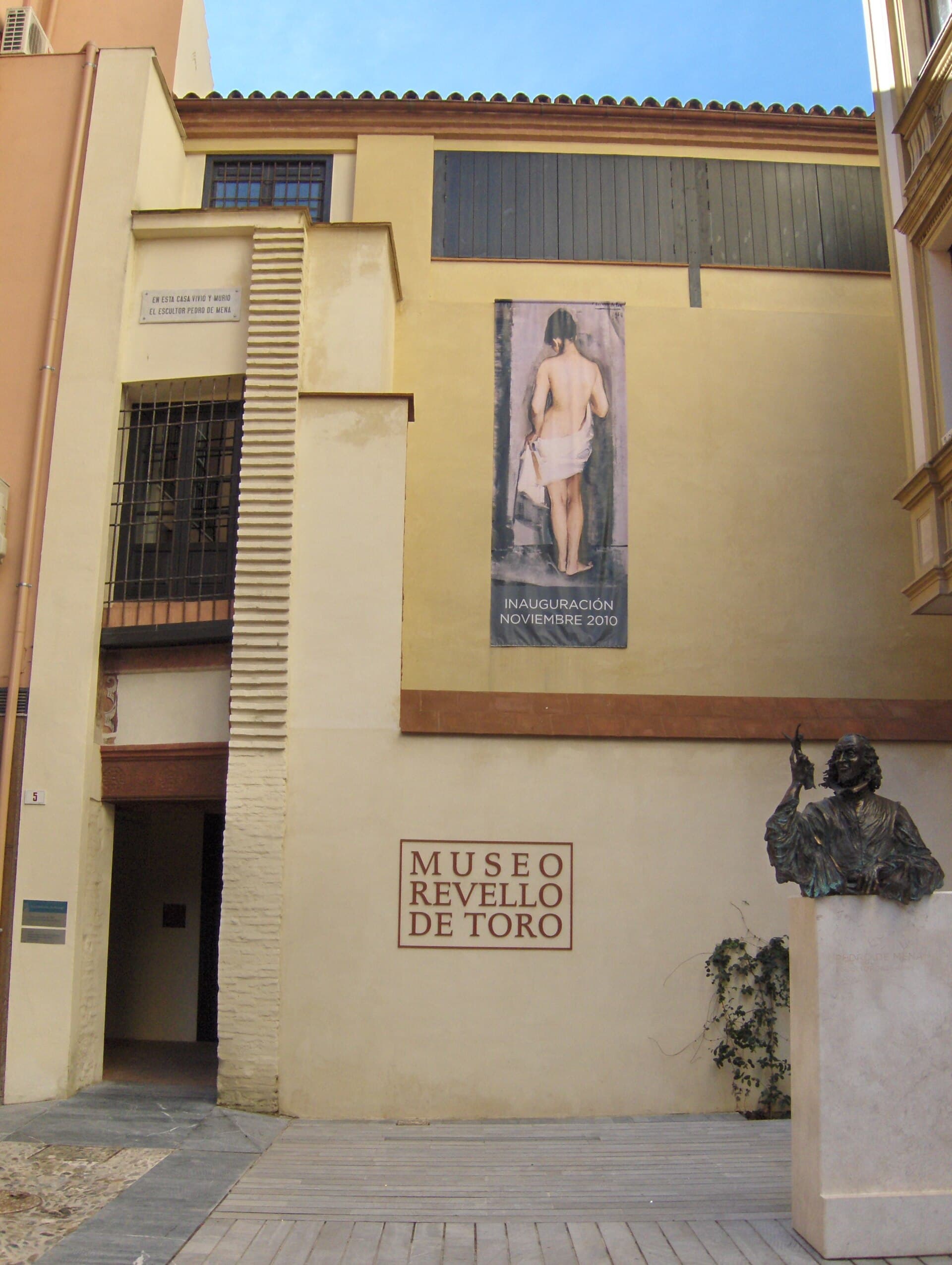 Museo Revello de ToroA museum devoted to the work of the Málaga painter Félix Revello de Toro, in a s7 minutes walk4.7
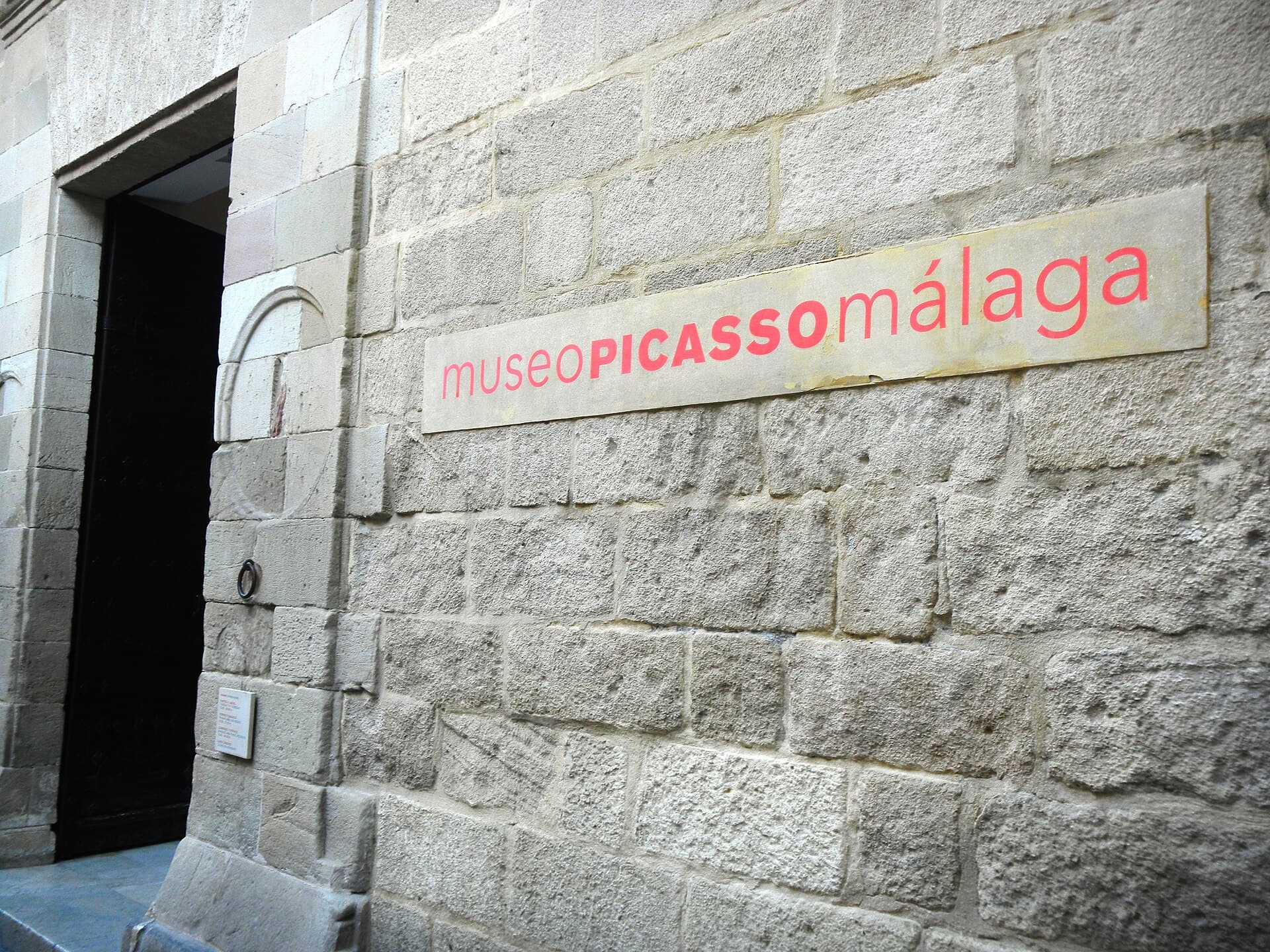 Museo Picasso MálagaIn his mother city Picasso's declared dream came true: "a museum for my works in8 minutes walk4.2
In the morning before noon, when the market genuinely runs with all its stalls. In the afternoon it quietens and large sections close, and Sunday is usually shut. If you want to eat at its bars, midday works.
Yes — the marble gateway, the stained glass and the fish stalls are all strong material. Remember this is a place of work: ask before photographing traders close up, and stay out of customers' way at the busy hour.