
The forest of columns
More than eight hundred shafts under red-and-white arches running in every direction — there is nothing else like it.
Toni Castillo Quero — CC BY-SA 2.0 · kallerna — CC BY-SA 4.0 · Jose María Ligero Loarte — CC BY-SA 4.0 · Benjamin Smith — CC BY-SA 4.0
The Great Mosque of Córdoba is among the greatest things Muslims built in Spain. Abd al-Rahman I began it in 785, and it was enlarged four times over two centuries until it was one of the largest mosques in the world, when Córdoba was the capital of the Umayyad caliphate in Spain and the biggest city in Europe. Its famous feature is the forest of columns: more than eight hundred marble and granite shafts carrying double arches of alternating red and white, running away in every direction until the end is lost. The mihrab is among the finest surviving Islamic art anywhere, with gold mosaic sent as a gift by the Byzantine emperor. After Córdoba fell in 1236 the building became a cathedral, and in the sixteenth century a full church was built into the middle of it. Today it is a working church, and Muslim prayer inside is not permitted.
More than eight hundred shafts under red-and-white arches running in every direction — there is nothing else like it.
Gold mosaic with Quranic verses, its craftsmen sent as a gift by the Byzantine emperor — the finest Andalusi work to survive.
A complete church built into the mosque in the sixteenth century — the clash between the two is startling.
The outer courtyard with its orange trees and ablution fountains — free to enter and open to all.
Calle Cardenal Herrero 1, 14003 Córdoba
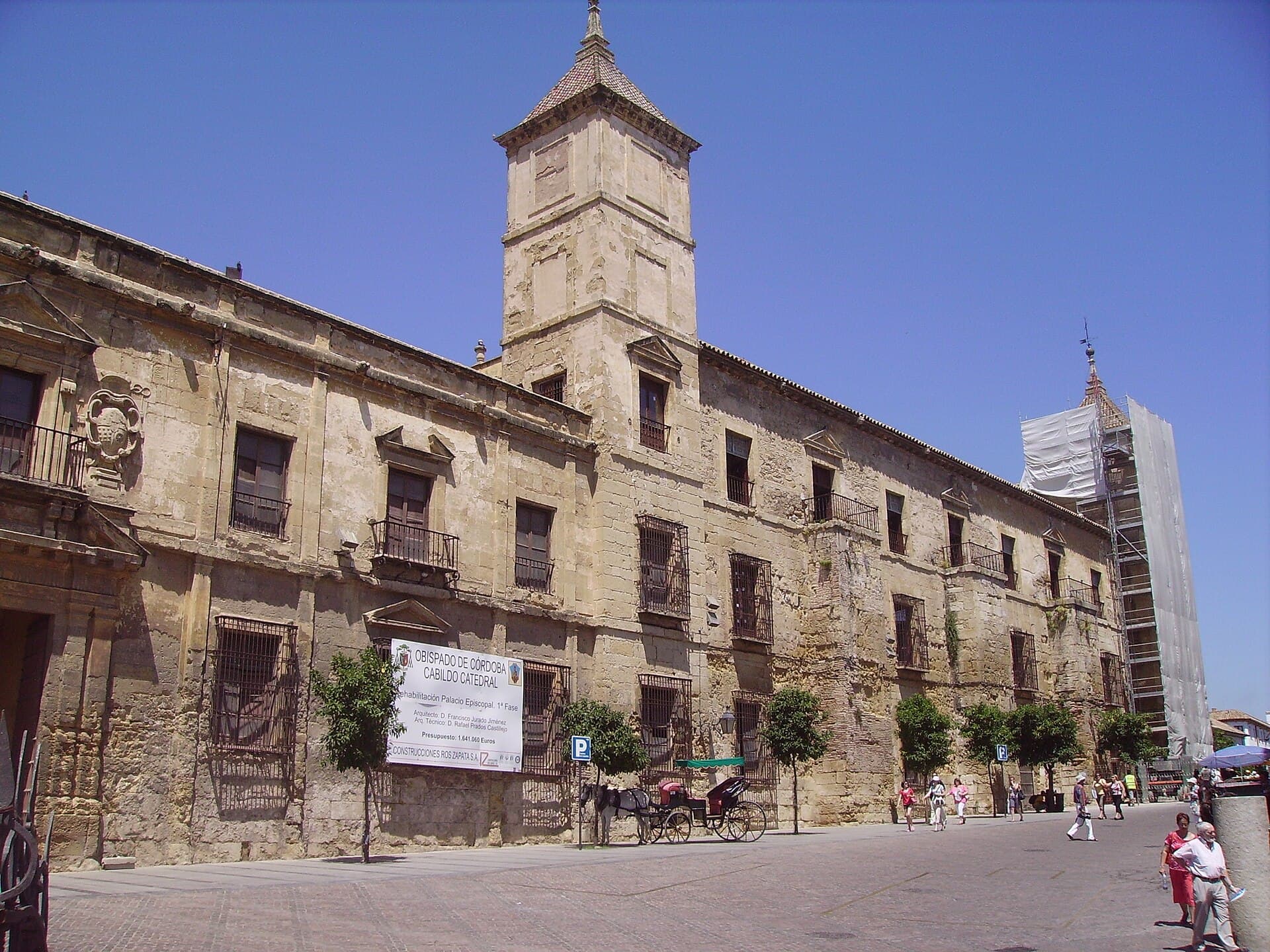 Episcopal PalaceA palace standing directly across the street from the Mosque of Córdoba, the sea1 minute walk3.8
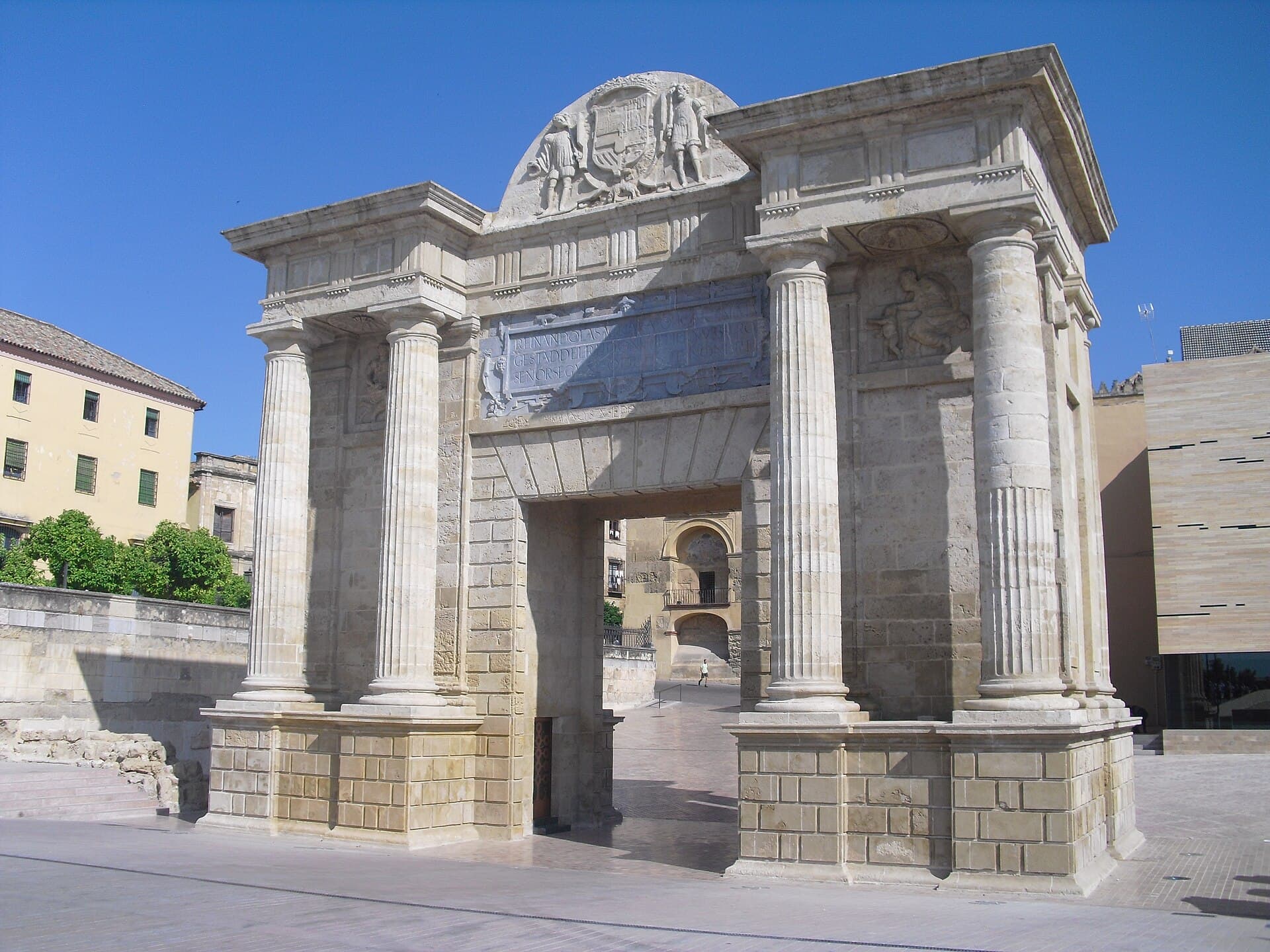 Puerta del PuenteThe Puerta del Puente is a stone triumphal gate at the northern end of the Roman2 minutes walk4.5
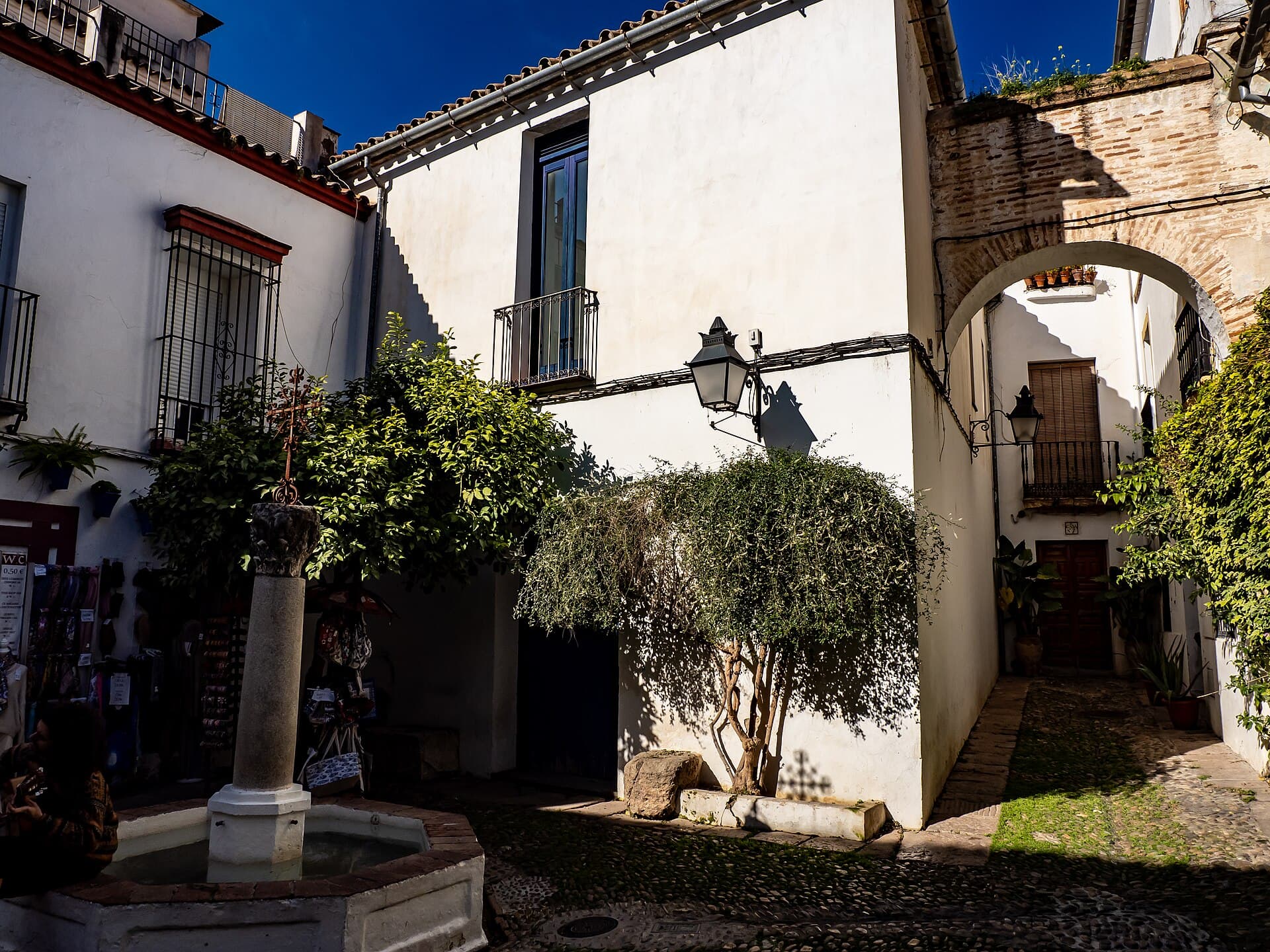 Calleja de las FloresThe Alley of Flowers is Andalusia's smallest celebrity: a white passage two arm-2 minutes walk4.6
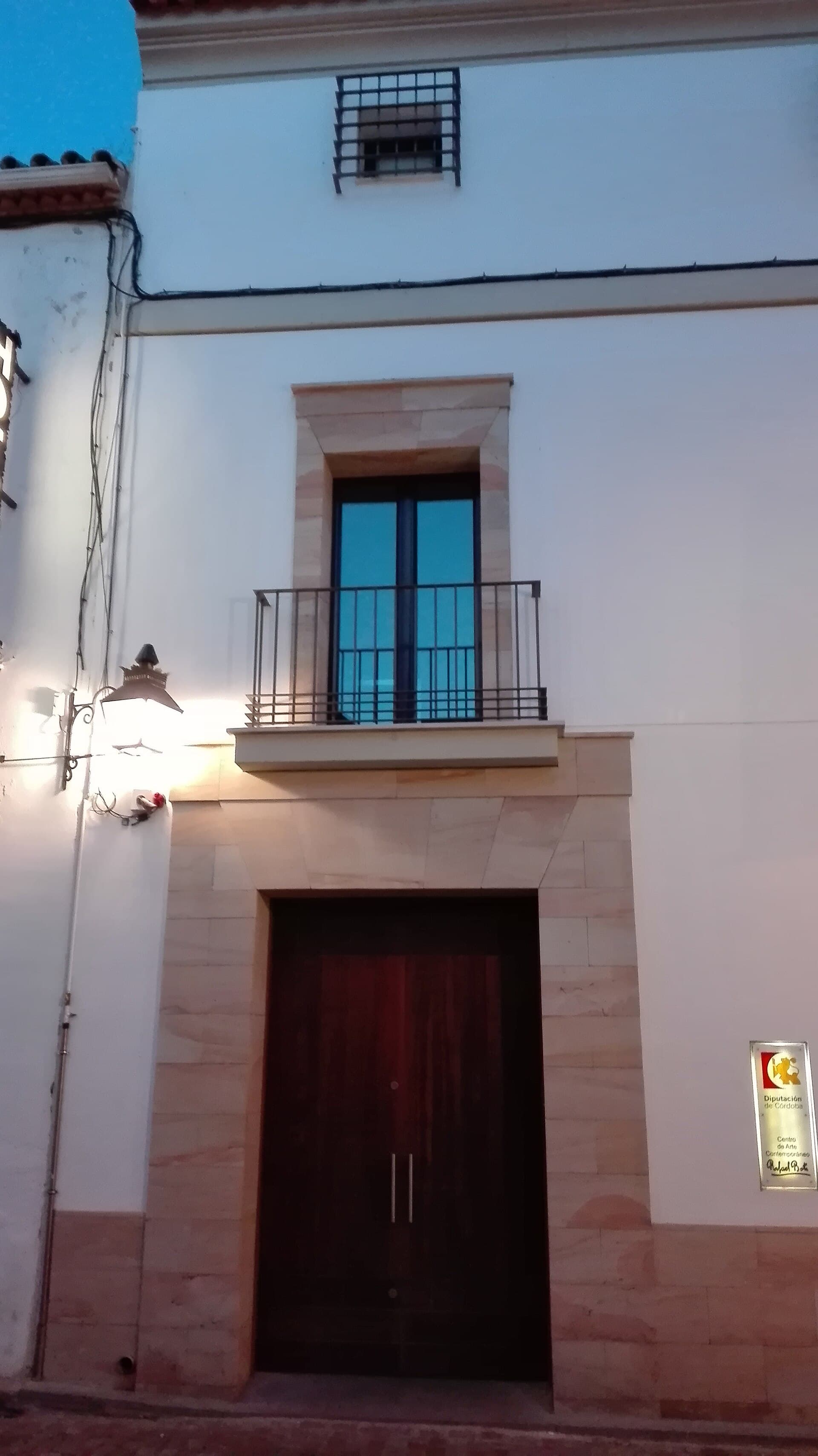 Centro de Arte Rafael BotíAn art centre in central Córdoba named after the painter Rafael Botí, a son of t2 minutes walk4.3
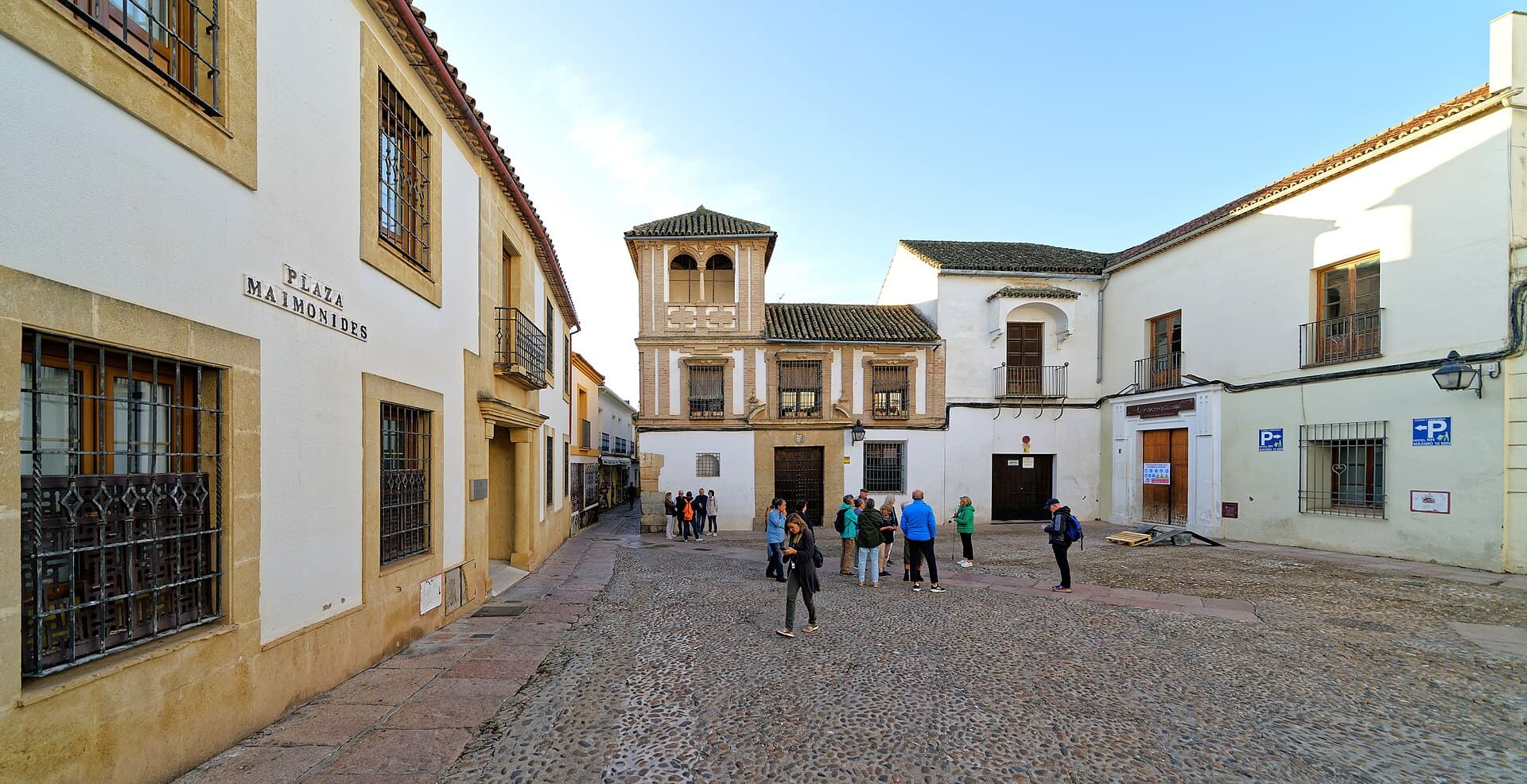 Judería, the Old Jewish QuarterA web of narrow lanes west of the Mosque-Cathedral, the heart of old Córdoba and3 minutes walk4.8
No. Muslim prayer inside is forbidden, the rule is strictly enforced, and it has been the subject of repeated international controversy. The building is today a working cathedral run by the Church. Know this before you come so you are not caught out. Córdoba has a mosque and prayer spaces for the Muslim community elsewhere.
There is a set early hour on weekday mornings when entry is free, but it is short, busy and does not cover every part. Check the official site for current times, as they change. The outer Court of the Orange Trees is always free.
An hour and a half minimum. The building is far larger than it looks from outside, and the columns need time to walk among and look at. Add half an hour for the tower, which is a separate ticket at set times.
Many describe it as the most powerful thing they see in Spain and the hardest at the same time: the grandeur is plain, the Quranic inscriptions on the mihrab are still legible, but the church in the middle and the ban on prayer make it a complicated visit. It is best to go knowing that in advance.