
A seat of power that never moved
Caliphal palace, then bishop's palace, on one site — Córdoba's history in a building.
Américo Toledano — CC BY-SA 3.0 · Harvey Barrison from Massapequa, NY, USA — CC BY-SA 2.0 · Harvey Barrison from Massapequa, NY, USA — CC BY-SA 2.0 · Johannes Schwanbeck from Dresden — CC BY-SA 2.0
A palace standing directly across the street from the Mosque of Córdoba, the seat of the city's bishops for centuries and today holding a museum and visitor centre. Its position is not accidental: it was built on the ground of the Umayyad caliphal palace of Córdoba — the palace that stood immediately beside the congregational mosque, as Islamic architecture customarily placed the seat of government next to it. When the city passed to Castilian rule in 1236 the site was given to the church, and the Episcopal Palace rose on it. So the seat of power stayed where it was and changed hands — which is the whole history of Córdoba in one building. The present structure is fifteenth to eighteenth century with courtyards and monumental staircases, holding a collection of religious art and exhibitions. What makes it practically useful is its position: you are in front of the mosque anyway, its queues are long in season, and this is a nearby option on the same street. It has a weekly closing day and hours can shorten. Check before going.
Caliphal palace, then bishop's palace, on one site — Córdoba's history in a building.
Sixteenth- to eighteenth-century architecture at plainly official scale.
The nearest building to the Mosque you can enter on a separate ticket.
Directly opposite the Mosque of Córdoba
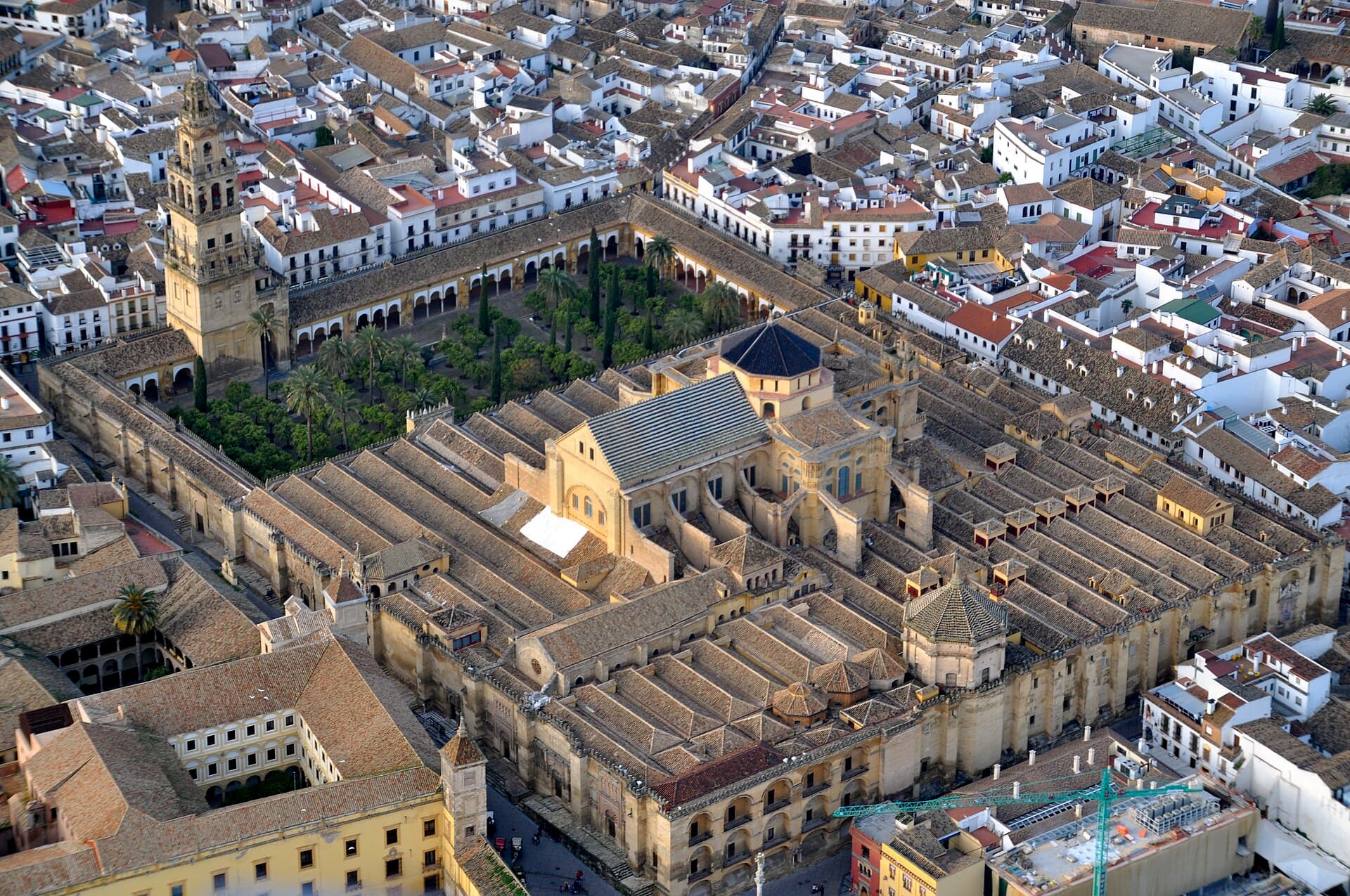 Mosque-Cathedral of CórdobaThe Great Mosque of Córdoba is among the greatest things Muslims built in Spain.1 minute walk4.7
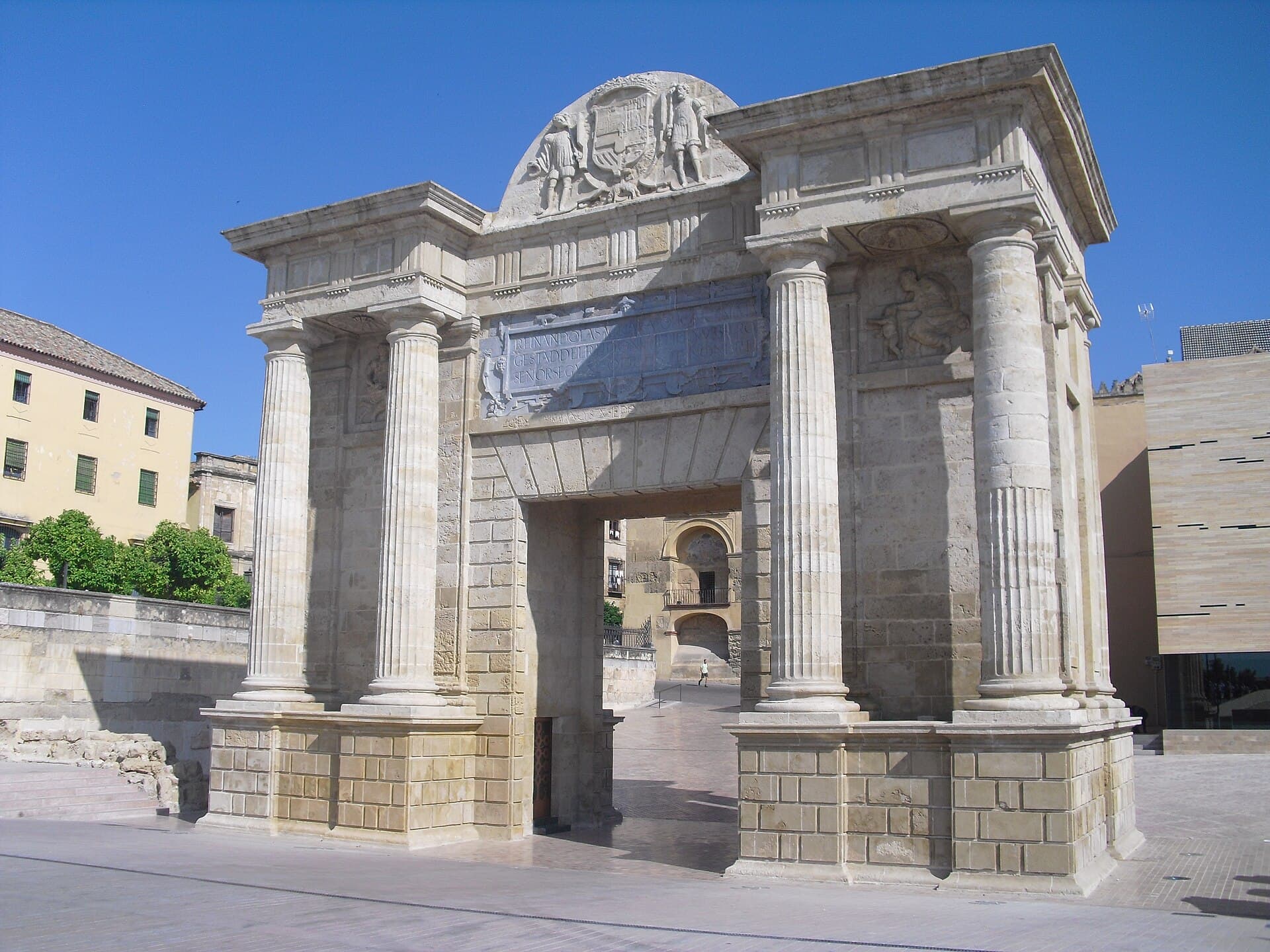 Puerta del PuenteThe Puerta del Puente is a stone triumphal gate at the northern end of the Roman2 minutes walk4.5
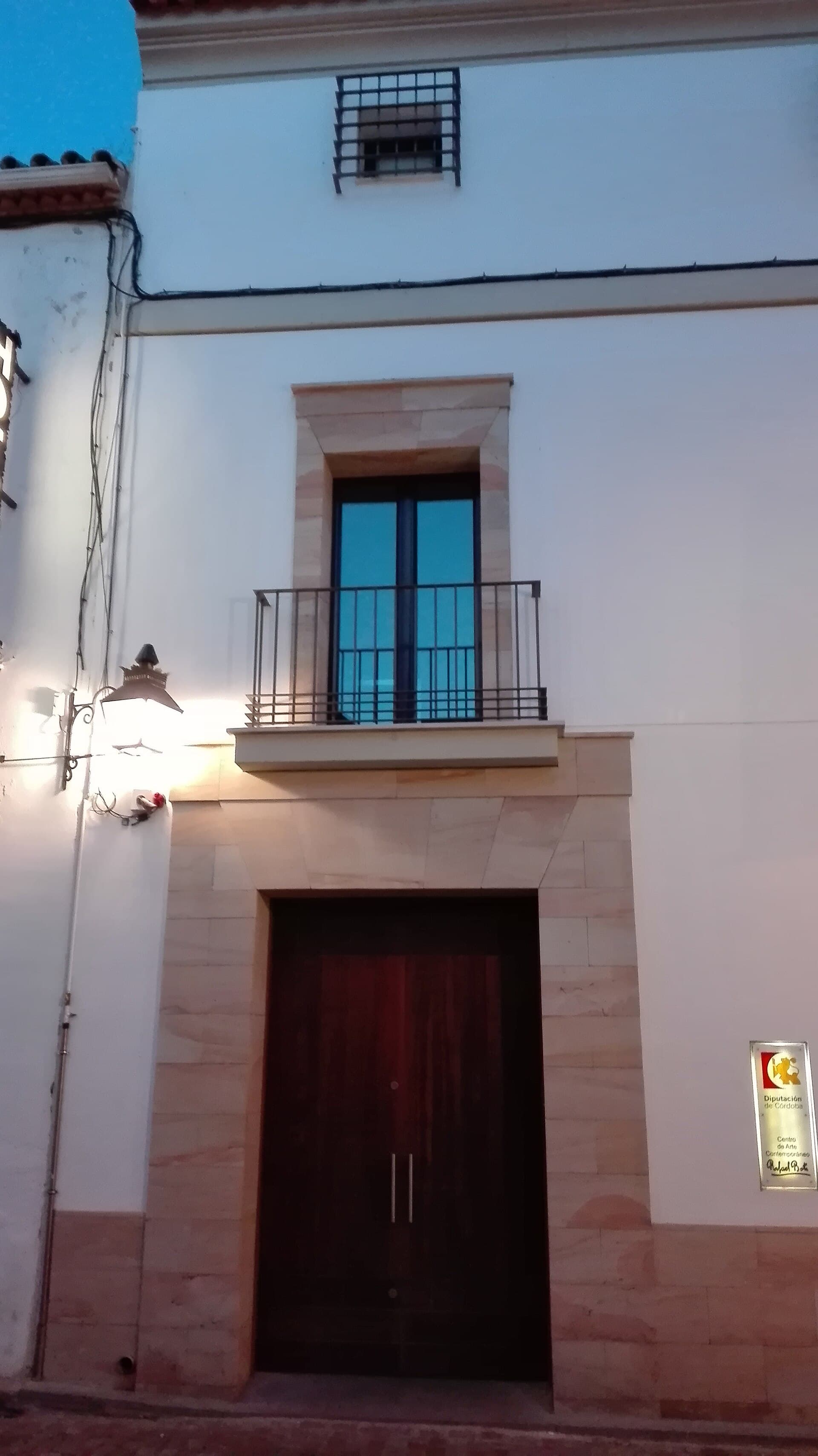 Centro de Arte Rafael BotíAn art centre in central Córdoba named after the painter Rafael Botí, a son of t2 minutes walk4.3
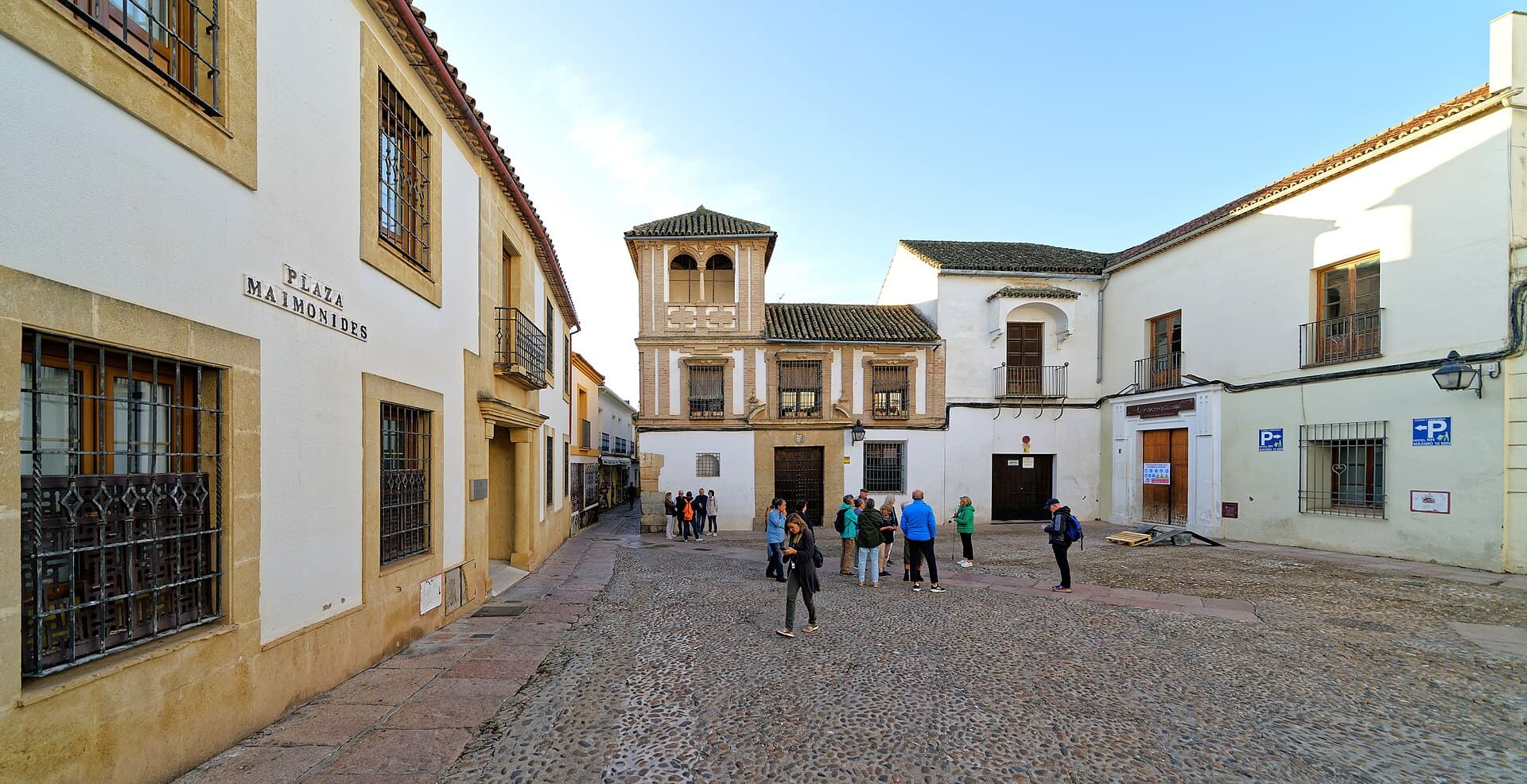 Judería, the Old Jewish QuarterA web of narrow lanes west of the Mosque-Cathedral, the heart of old Córdoba and2 minutes walk4.8
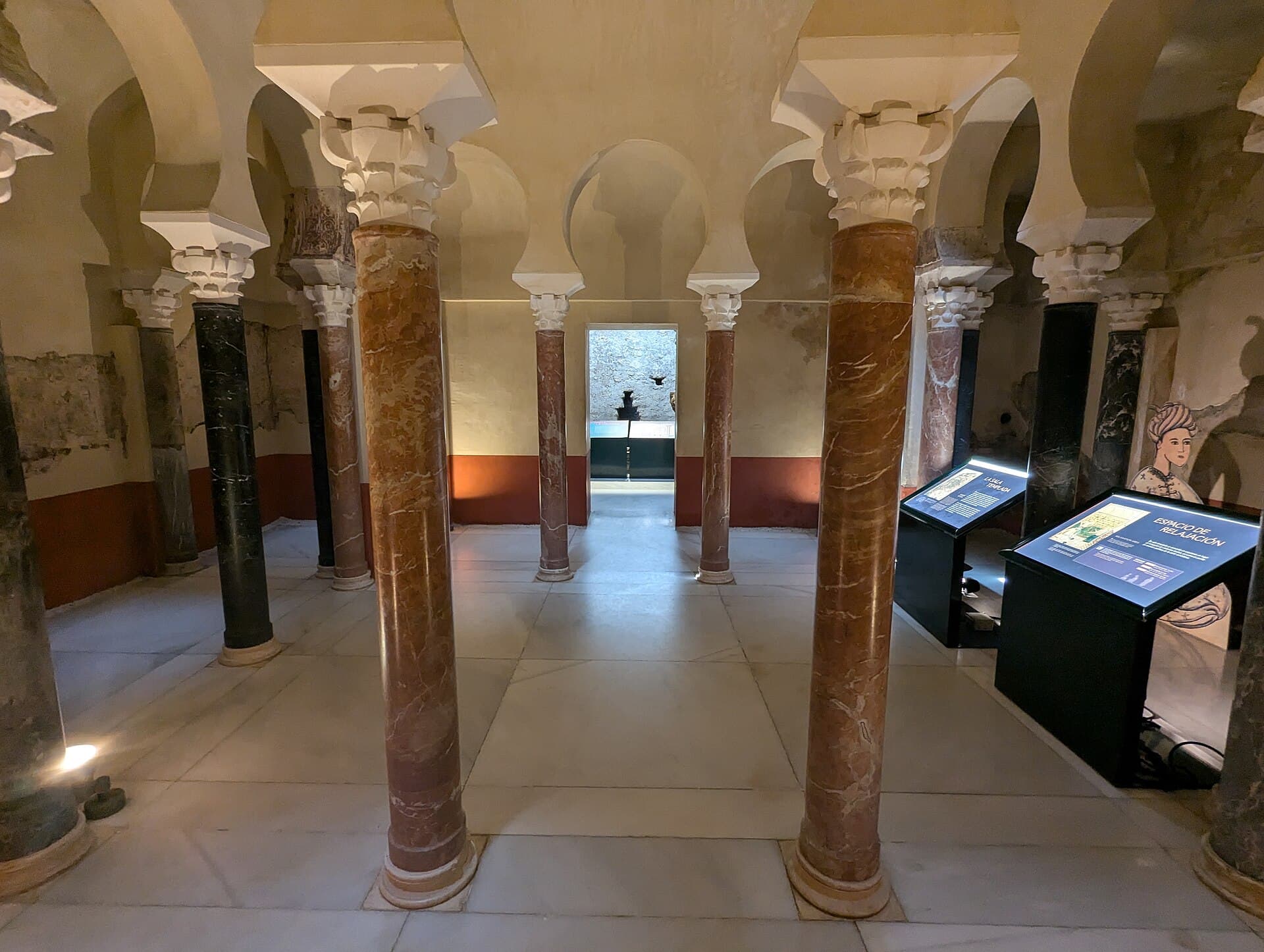 Caliphal BathsThe Caliphal Baths served the palace of the caliphs of Córdoba, and date in orig2 minutes walk4.1
The two were the city's centre under Muslim rule: the congregational mosque with the seat of government beside it, a standard layout in Islamic cities. After 1236 the mosque became a cathedral and the palace site became the bishop's residence. The street separating them today runs between the same two institutions of power across eight centuries.
Book online in advance and go in the first hour of the morning or the last before closing. There is also an early morning window on set days when entry is free without booking, though it is crowded and time-limited. Avoid the middle of the day in season entirely.