
The roof terrace
A view over the city and the river, requiring no grasp of contemporary art.
Roger Price from Antwerp, Belgium — CC BY 2.0 · Sally V — CC BY-SA 4.0 · Alice Wiegand — CC BY-SA 4.0 · Stuyck — CC BY-SA 4.0
Antwerp's museum of contemporary art, in a former grain silo in the Zuid district converted in 1987. The name is the Dutch abbreviation for Museum of Contemporary Art Antwerp. The collection concentrates on Belgian and international work since the 1960s, with particular attention to conceptual art, video and installation. That means what you see depends heavily on the show running during your visit: the museum works by changing exhibitions more than by permanent display. The building is part of the story. The Zuid was an area of abandoned docks and warehouses, and converting this silo into a museum was the first step in the district becoming the most culturally active part of Antwerp, now holding the FoMu photography museum, restaurants and galleries. The roof terrace is open and gives a view over the city and the river, among the best things about the place and requiring no understanding of contemporary art at all.
A view over the city and the river, requiring no grasp of contemporary art.
A focus on conceptual art, video and installation since the 1960s.
Converting the silo began the Zuid's shift from abandoned docks to a cultural centre.
Het Zuid district, Antwerp
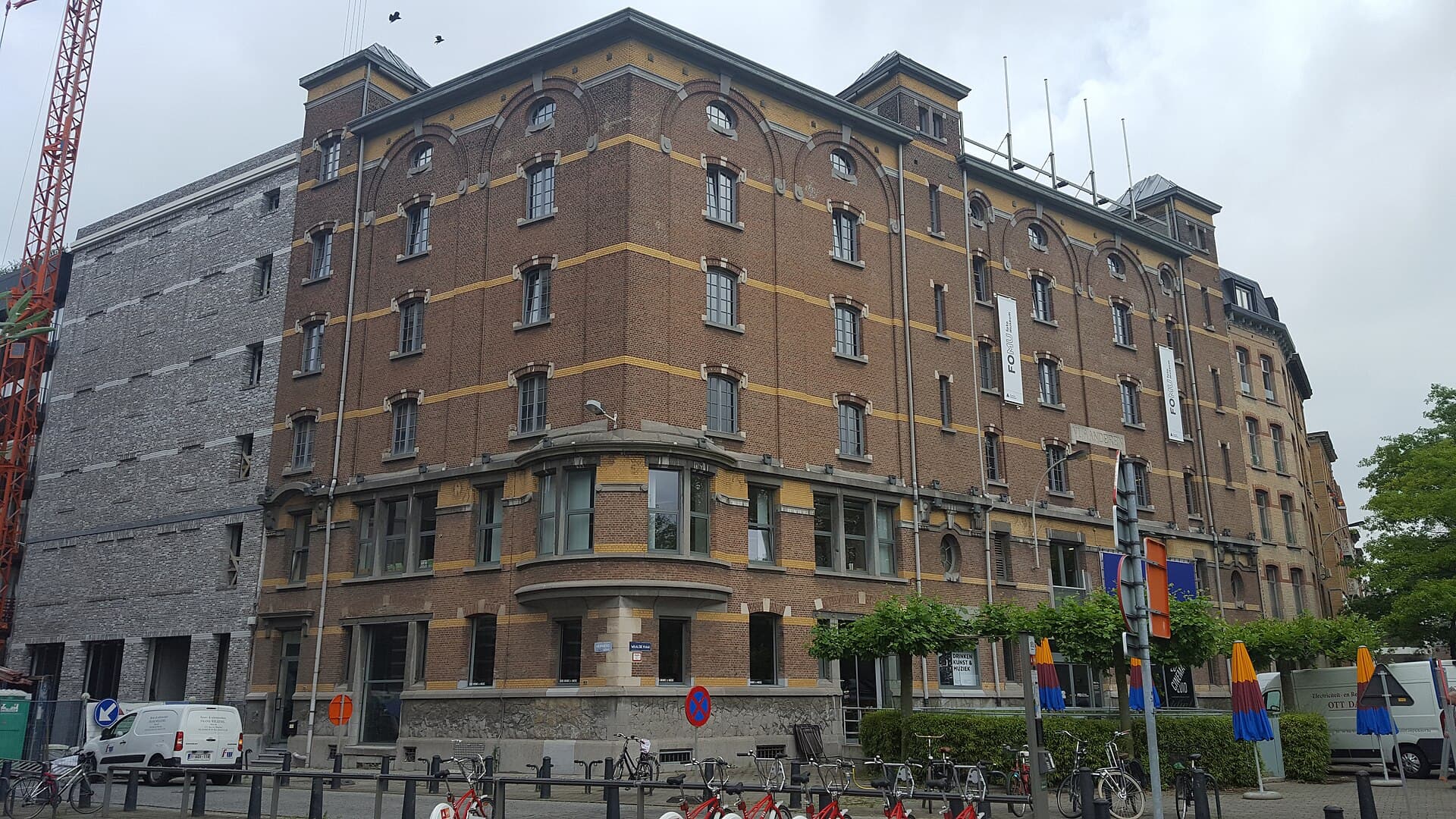 FOMU Photo MuseumFOMU is Antwerp's photography museum and among Europe's foremost: in an old 19204 minutes walk4.4
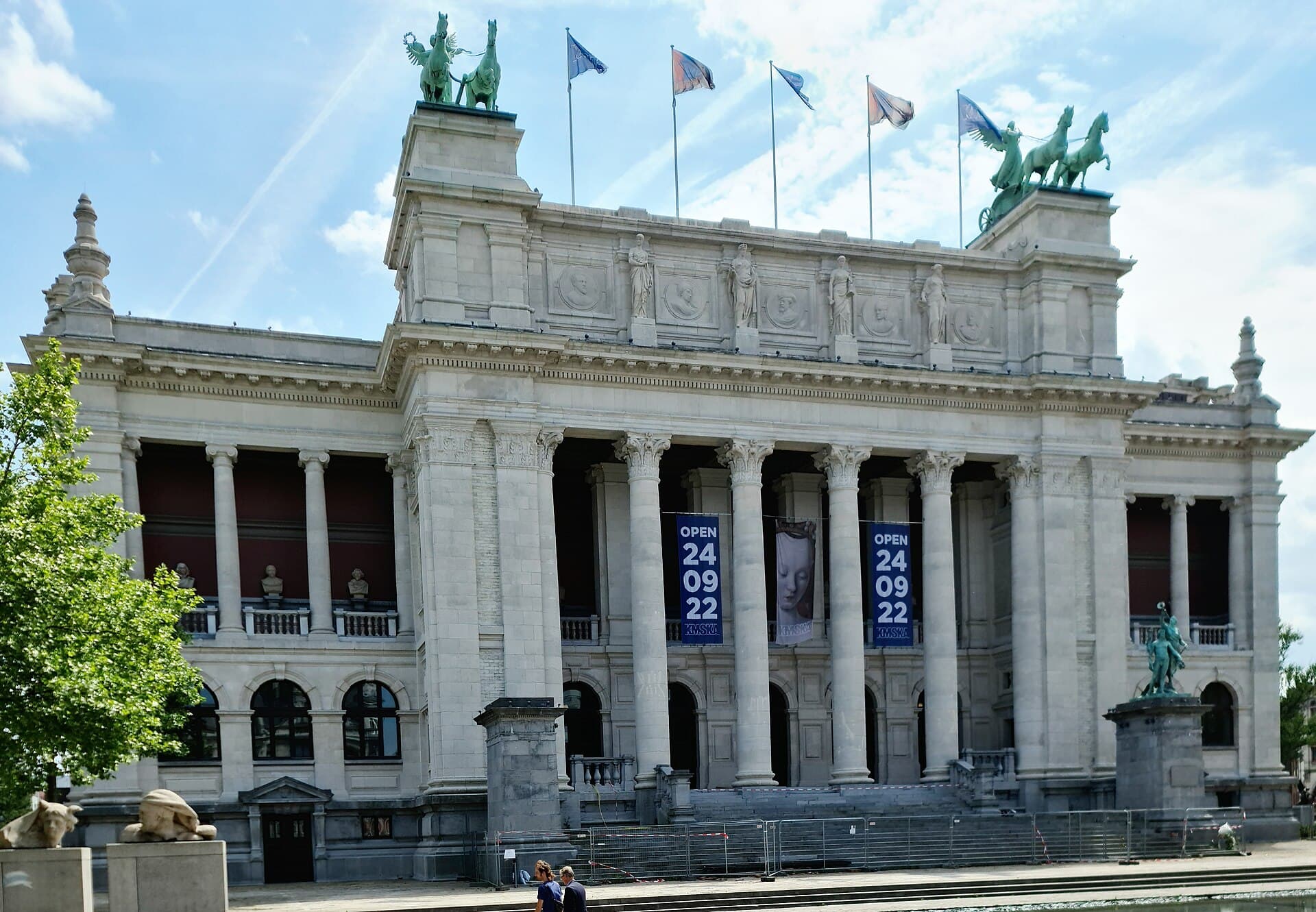 Royal Museum of Fine Arts (KMSKA)Antwerp's Royal Museum of Fine Arts reopened in 2022 after eleven years of resto5 minutes walk4.8
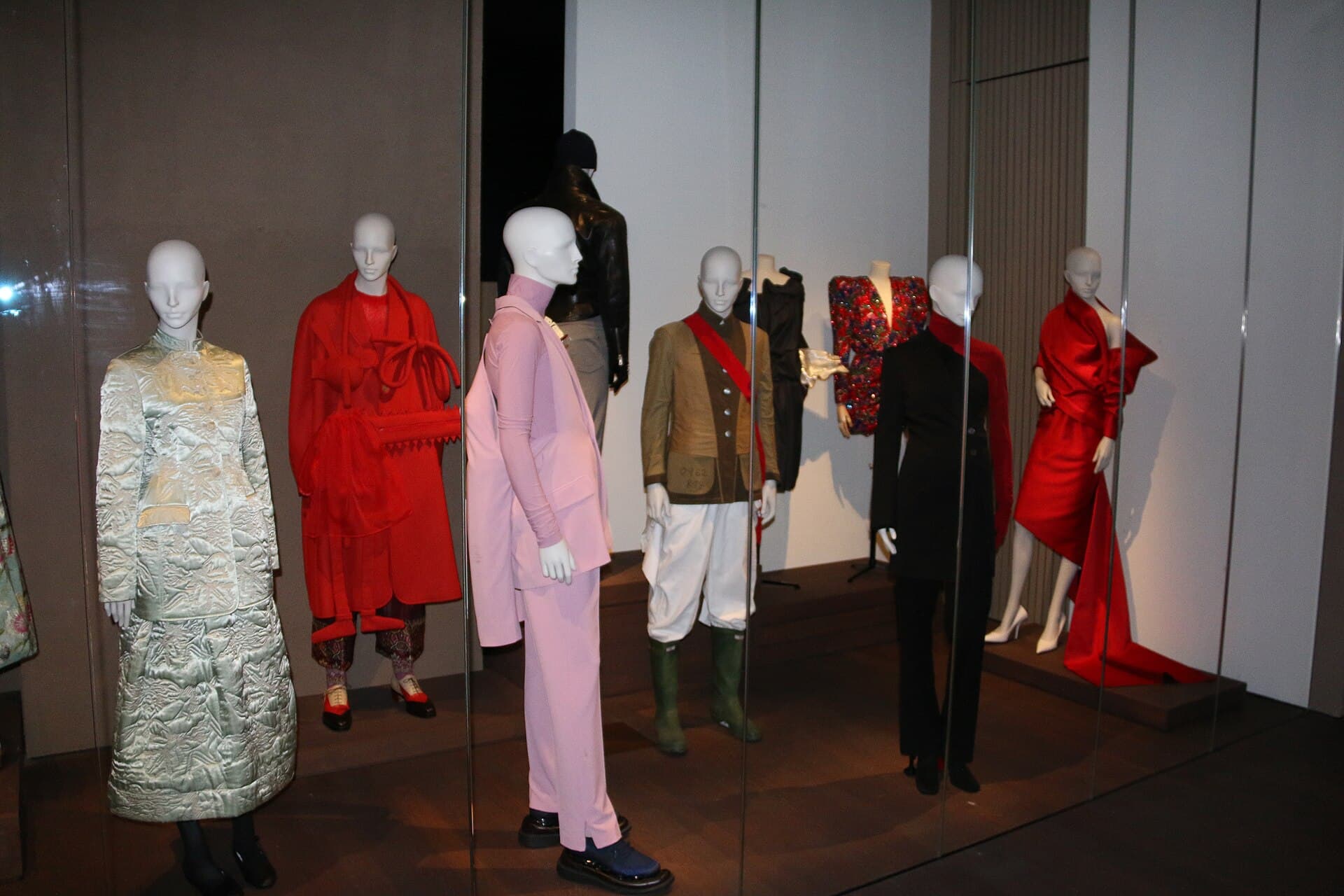 MoMu Fashion MuseumMoMu is Antwerp's fashion museum — in Europe's unexpected fashion capital: from 12 minutes walk4.1
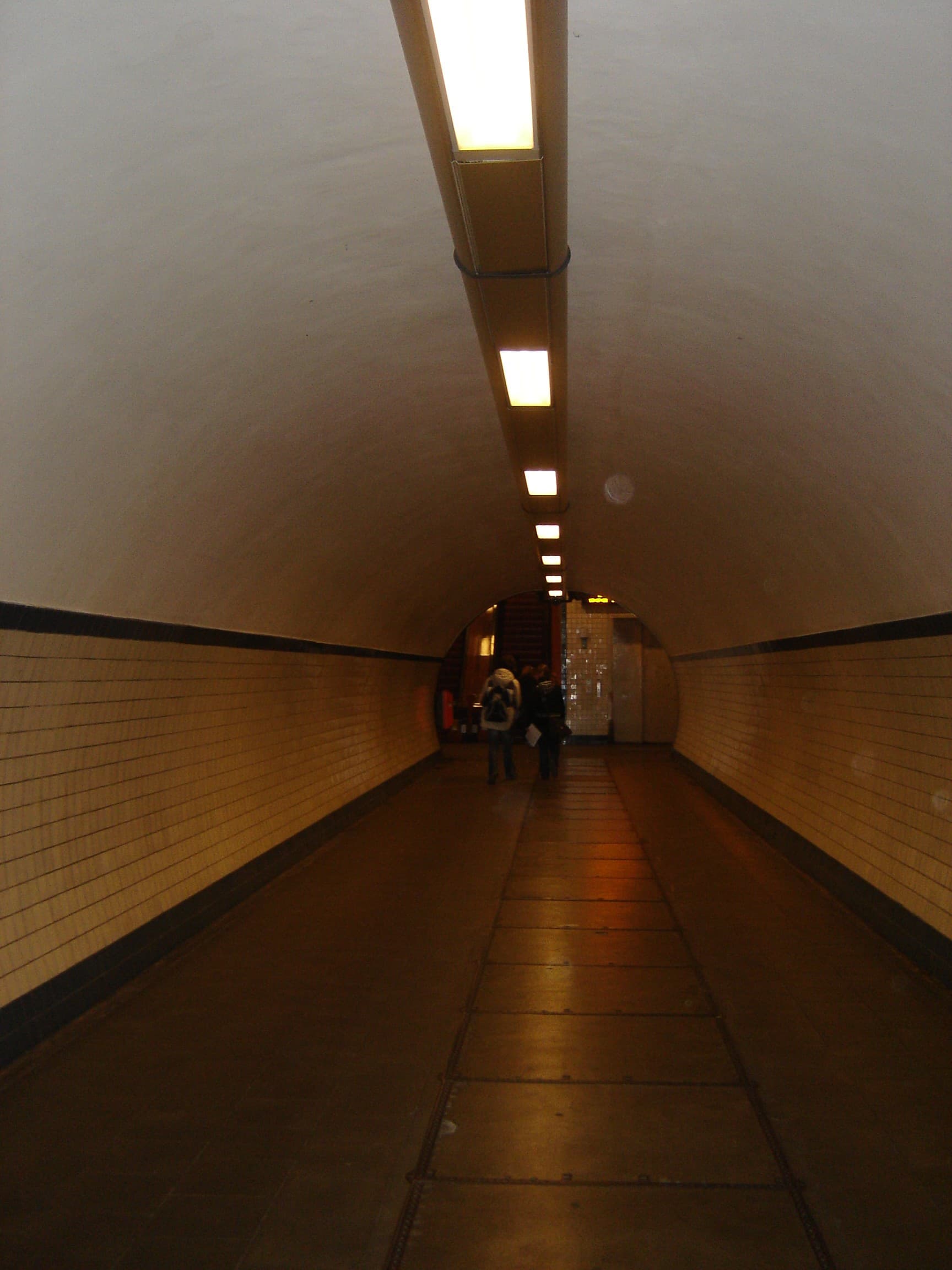 Sint-Anna TunnelA pedestrian tunnel under the river Scheldt, opened in 1933 to link central Antw12 minutes walk4.3
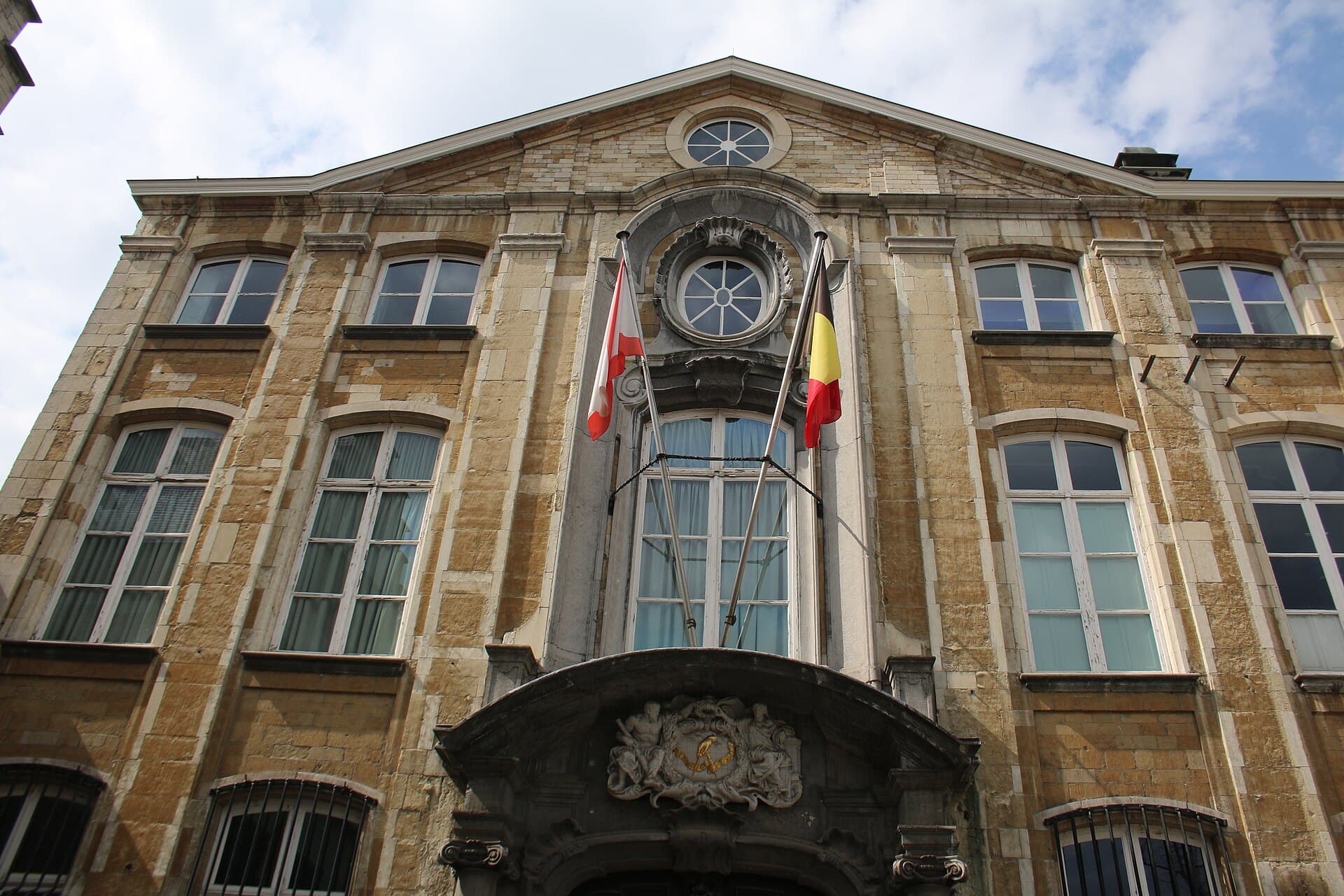 Plantin-Moretus MuseumThe Plantin-Moretus Museum is the only museum in the world listed in its own rig12 minutes walk4.5
Honestly it may not. The collection is largely conceptual and asks for reading and reflection more than looking. Anyone wanting classical art should go to the KMSKA fine arts museum in the same district, and anyone who only wants the view will find the roof worth it.
The whole Zuid district: the FoMu photography museum is minutes away, the KMSKA fine arts museum is close too, and the quarter is full of cafés and small galleries. The three together make a full art day in Antwerp.