
Asteroid cores
Iron meteorites come from the cores of bodies that broke apart.
--Nightflyer (talk) 20:39, 10 August 2016 (UTC) — CC BY 4.0 · --Nightflyer (talk) 20:44, 10 August 2016 (UTC) — CC BY 4.0 · --Nightflyer (talk) 20:45, 10 August 2016 (UTC) — CC BY 4.0 · --Nightflyer (talk) 20:47, 10 August 2016 (UTC) — CC BY 4.0
The mineralogical museum of the University of Hamburg, one of three departments forming the city's Museum of Nature alongside zoology and palaeontology. The collection holds minerals, gemstones and meteorites, and its highlight is the meteorite collection: fragments that fell from space, some of which can be touched. Iron meteorites in particular come from the cores of asteroids that broke apart, and are the closest a person can come to touching material resembling the Earth's own core. The Hamburg context matters: the city was a global trading port, and its scientific collections were built from specimens brought back by sailors and merchants from around the world over centuries. The science museums of European port cities all share this origin. The museum is small and academic in character, attached to a university department rather than a tourist institution. Practical points: entry is inexpensive and hours are limited — often only a few days a week. Check before going. The site is on the university campus north of the centre.
Iron meteorites come from the cores of bodies that broke apart.
The specimens were gathered by sailors and traders over centuries.
Academic in character and small — not a tourist institution.
University of Hamburg campus
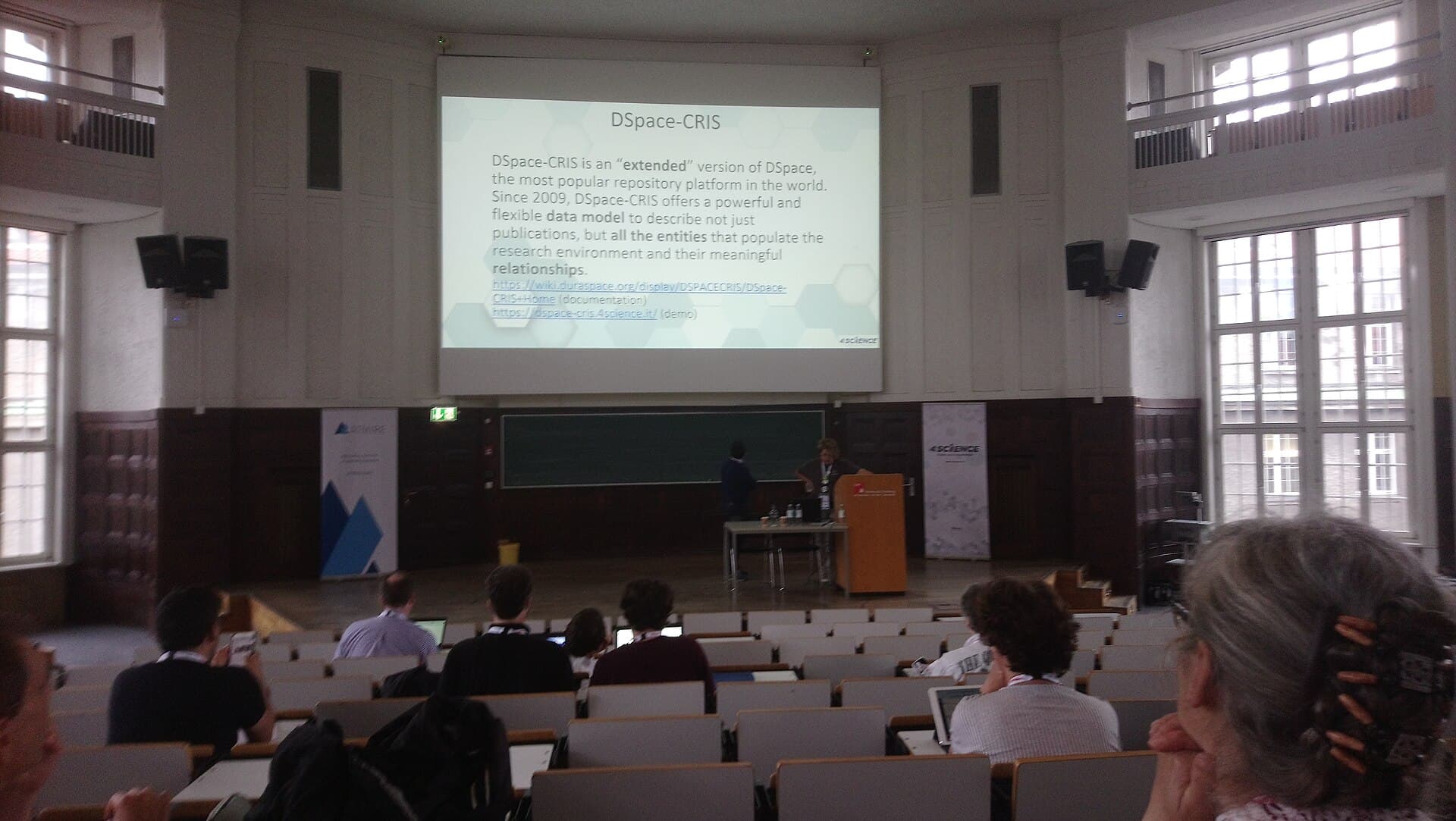 Zoological Museum HamburgThe Zoological Museum is part of the University of Hamburg's Museum of Nature, a4 minutes walk4.7
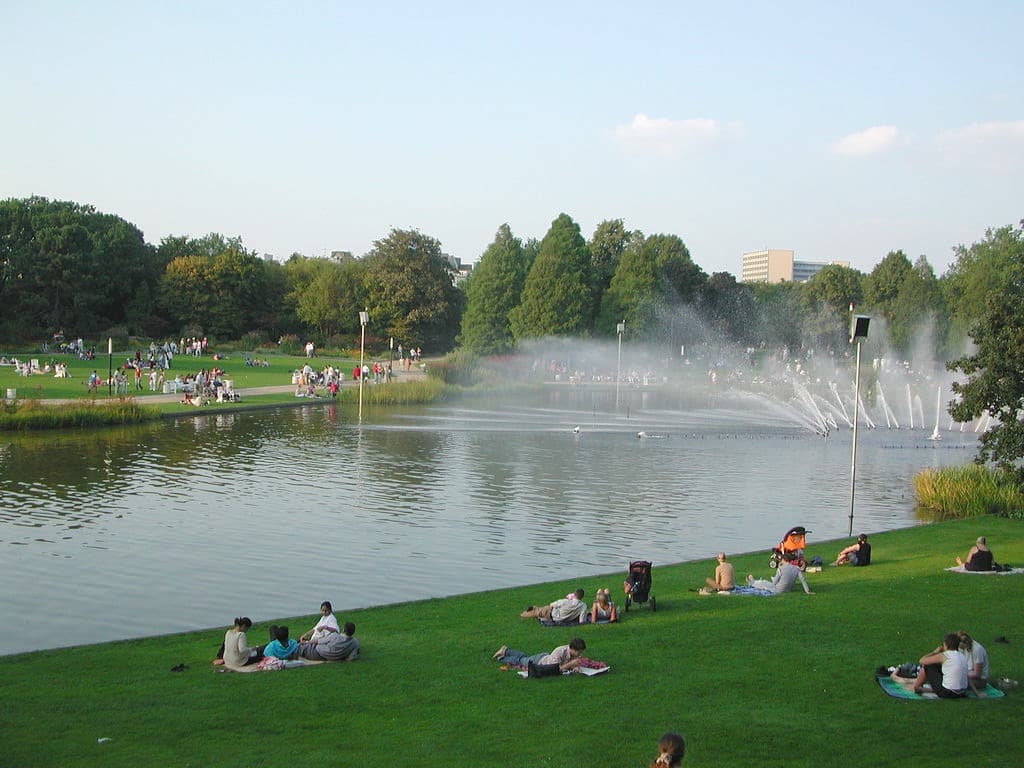 Planten un BlomenPlanten un Blomen is a large park in central Hamburg; the name is Low German for8 minutes walk4.9
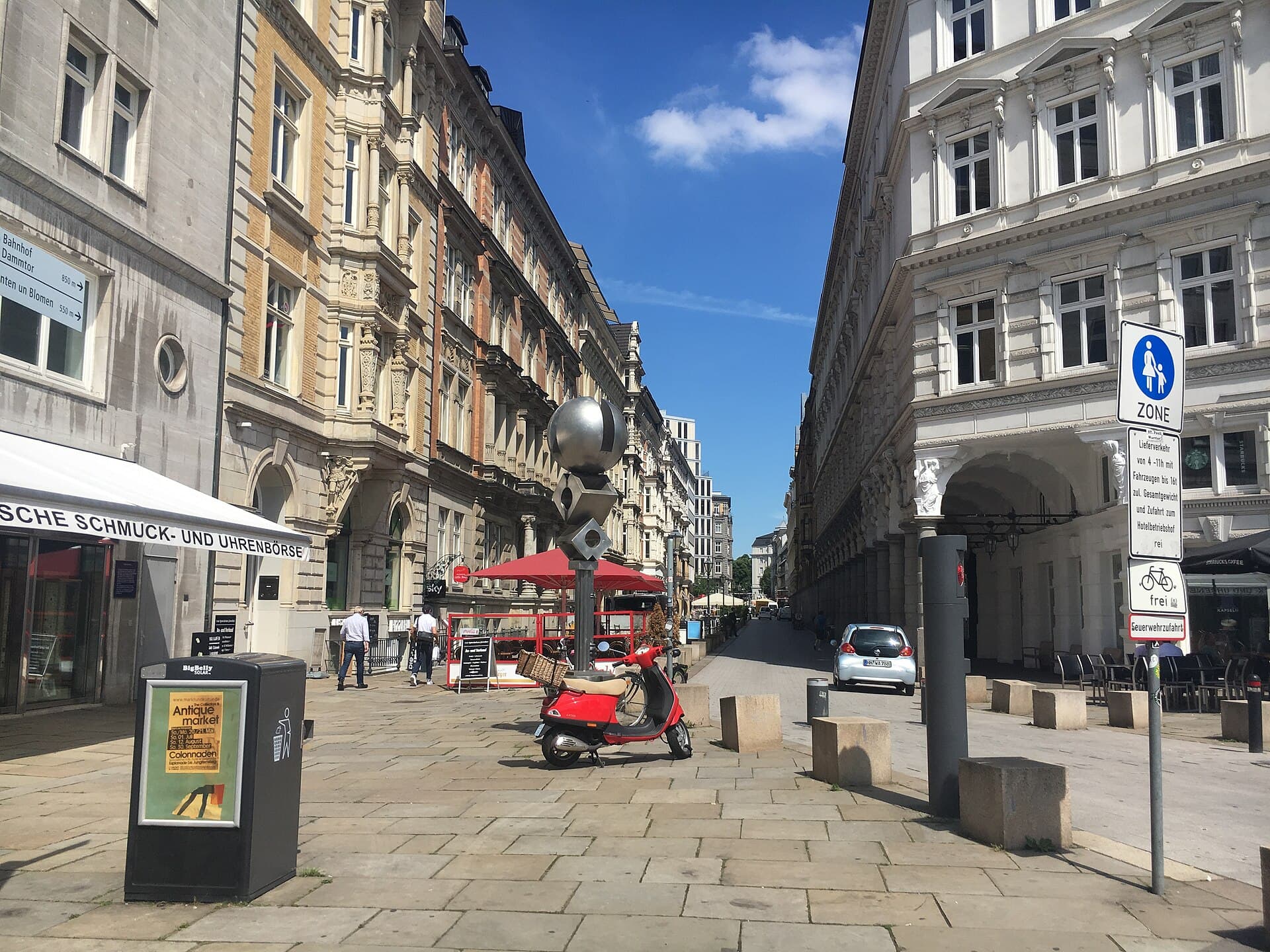 The ColonnadenA pedestrian street in central Hamburg with a continuous arcade running along on15 minutes walk4.3
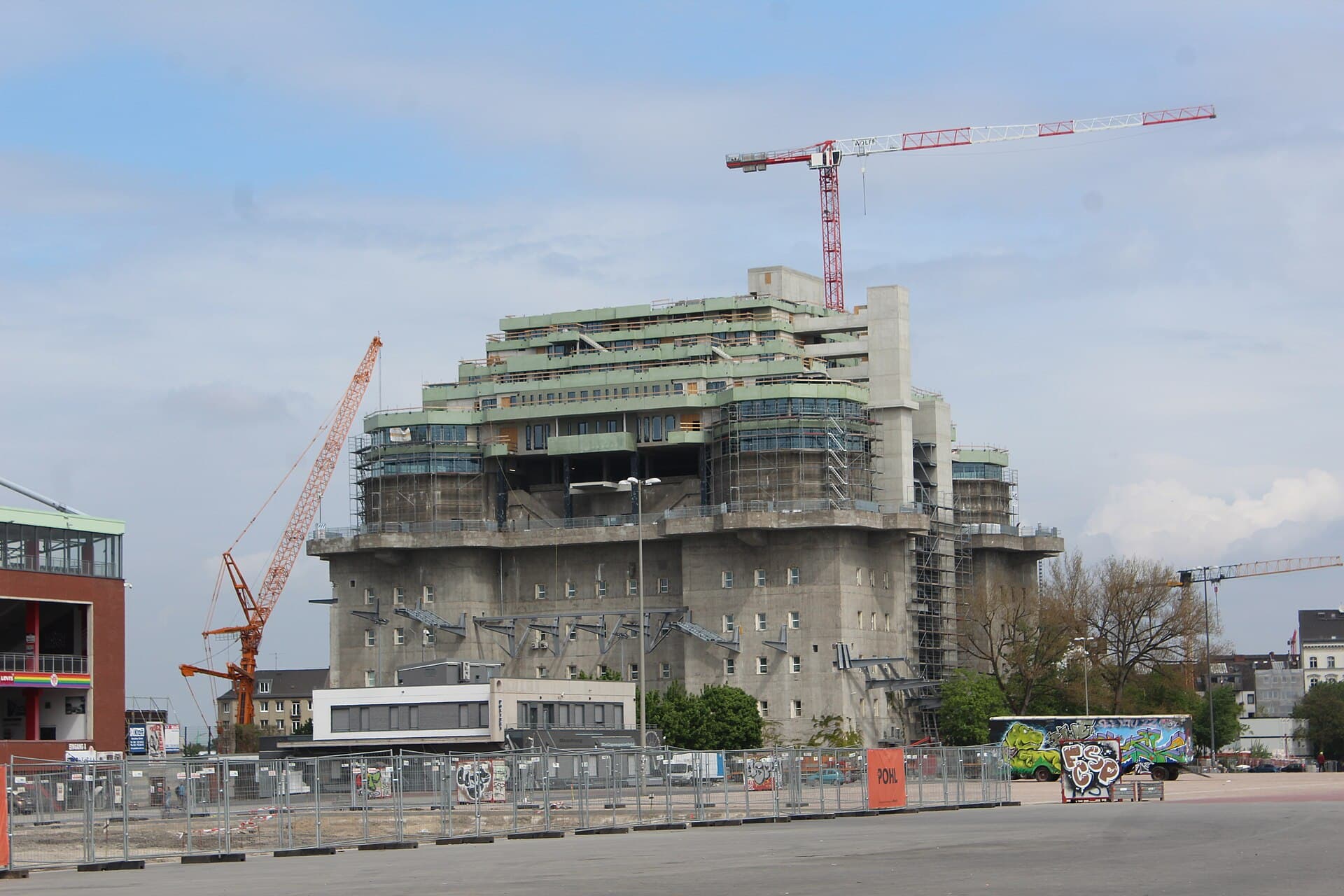 The St Pauli Bunker and its Rooftop GardenThis building is among the largest things the Second World War left standing in 17 minutes walk4.4
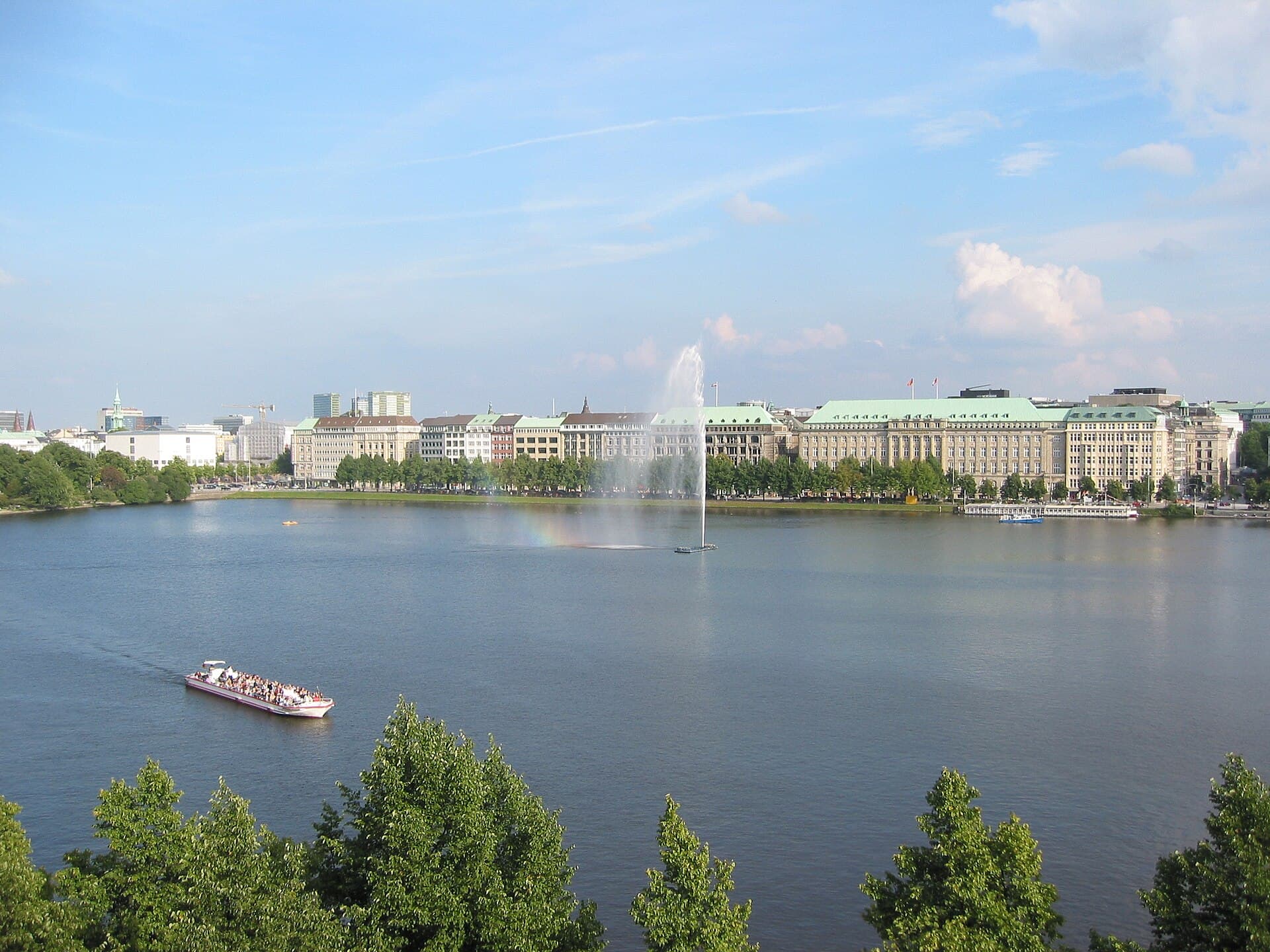 BinnenalsterThe Binnenalster is a roughly square lake in the middle of Hamburg, originally p19 minutes walk4.9
Yes if rocks and space interest them — the coloured minerals and meteorites draw attention, and being able to touch helps. But the display is academic and text-based in German, and the museum is small. An hour is enough, and it is a good wet-day option if its limited hours happen to align.
The Museum of Nature Hamburg is an umbrella covering three separate university museums: mineralogy, zoology, and palaeontology and geology. Each is in a different location and building with its own hours and sometimes separate tickets. The zoology museum is the largest and best suited to families. Check which is open before planning.