
The rooftop garden
Over 4,000 plants on terraces above the tower.
Hinnerk11 — CC BY-SA 4.0 · Fred Romero — CC BY 2.0 · Fred Romero — CC BY 2.0
This building is among the largest things the Second World War left standing in any European city: a cubic concrete flak tower roughly seventy-five metres to a side with walls up to three and a half metres thick, built in 1942 by forced labour in just three hundred days. It sheltered tens of thousands of civilians during air raids. It survived the war because demolishing it would have brought down the whole district around it, so for decades it was used for scattered purposes: music studios, clubs and media companies. It stayed a silent grey mass in the middle of St Pauli, a building everyone passed and nobody entered. Then between 2019 and 2024 came the strangest architectural conversion in Hamburg: five new storeys were added on top as planted terraces, seeded with over four thousand shrubs and plants, with a public spiral walkway climbing the outer face to a roof fifty-eight metres up. The climb is free and gives a complete view over the city — one of the boldest adaptive reuse projects in Germany.
Over 4,000 plants on terraces above the tower.
Climbing the outer face to 58 metres.
Feldstrasse 66, 20359 Hamburg
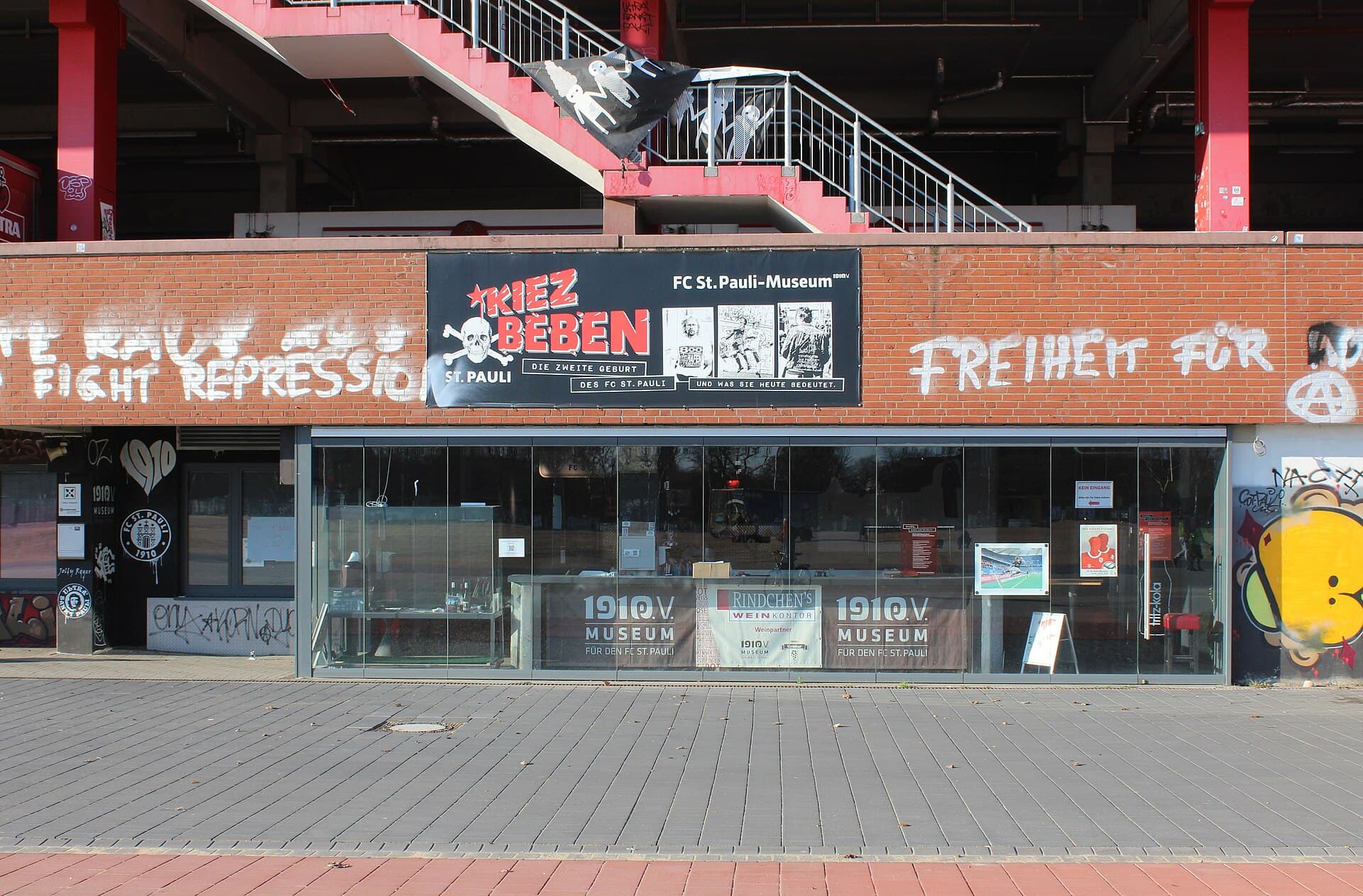 The FC St. Pauli MuseumThe FC St. Pauli museum is inside the Millerntor stadium itself, and the story o3 minutes walk4.6
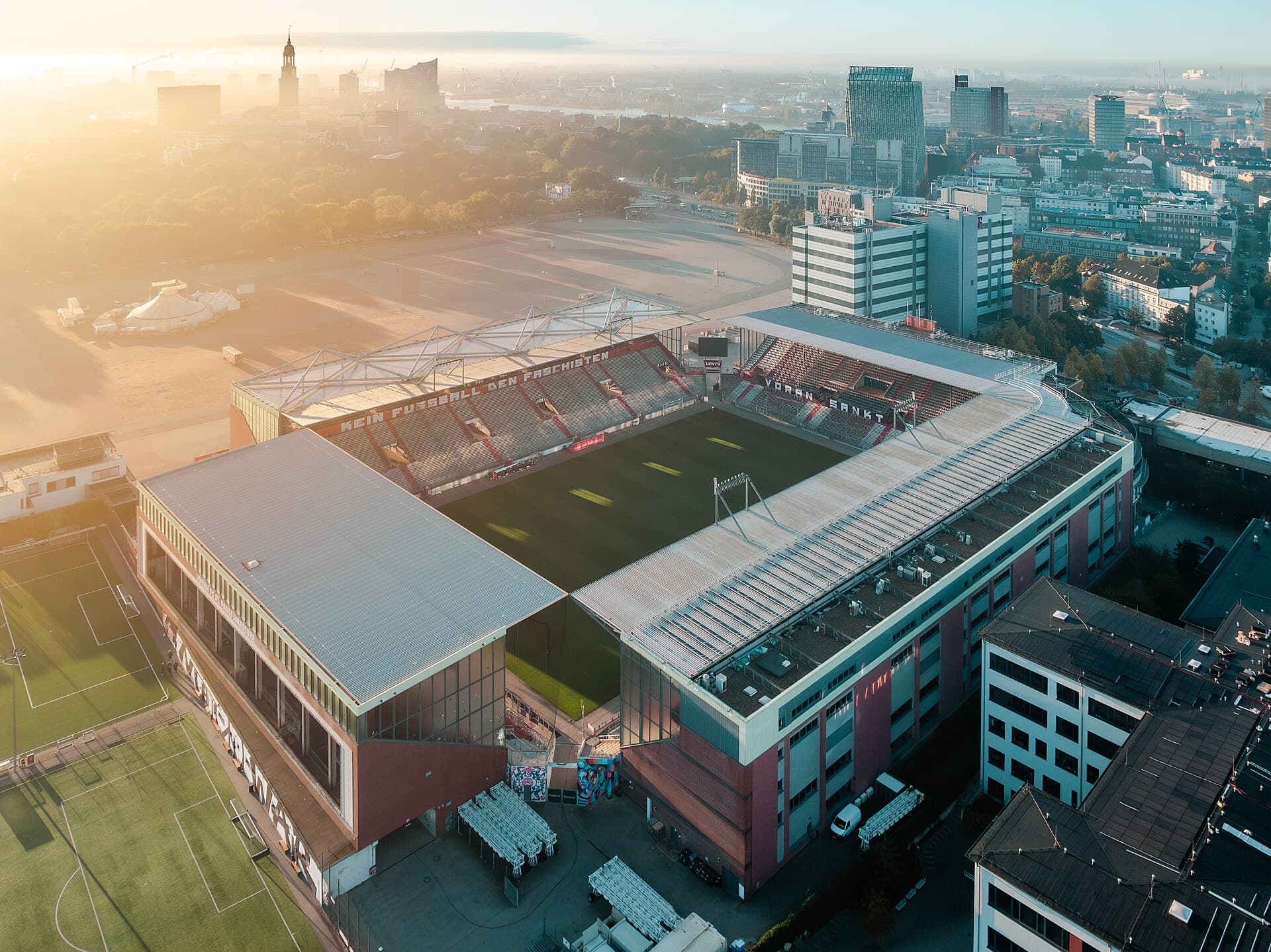 Millerntor-StadionThe Millerntor is the home of FC St. Pauli — a relatively small club by results,4 minutes walk4.4
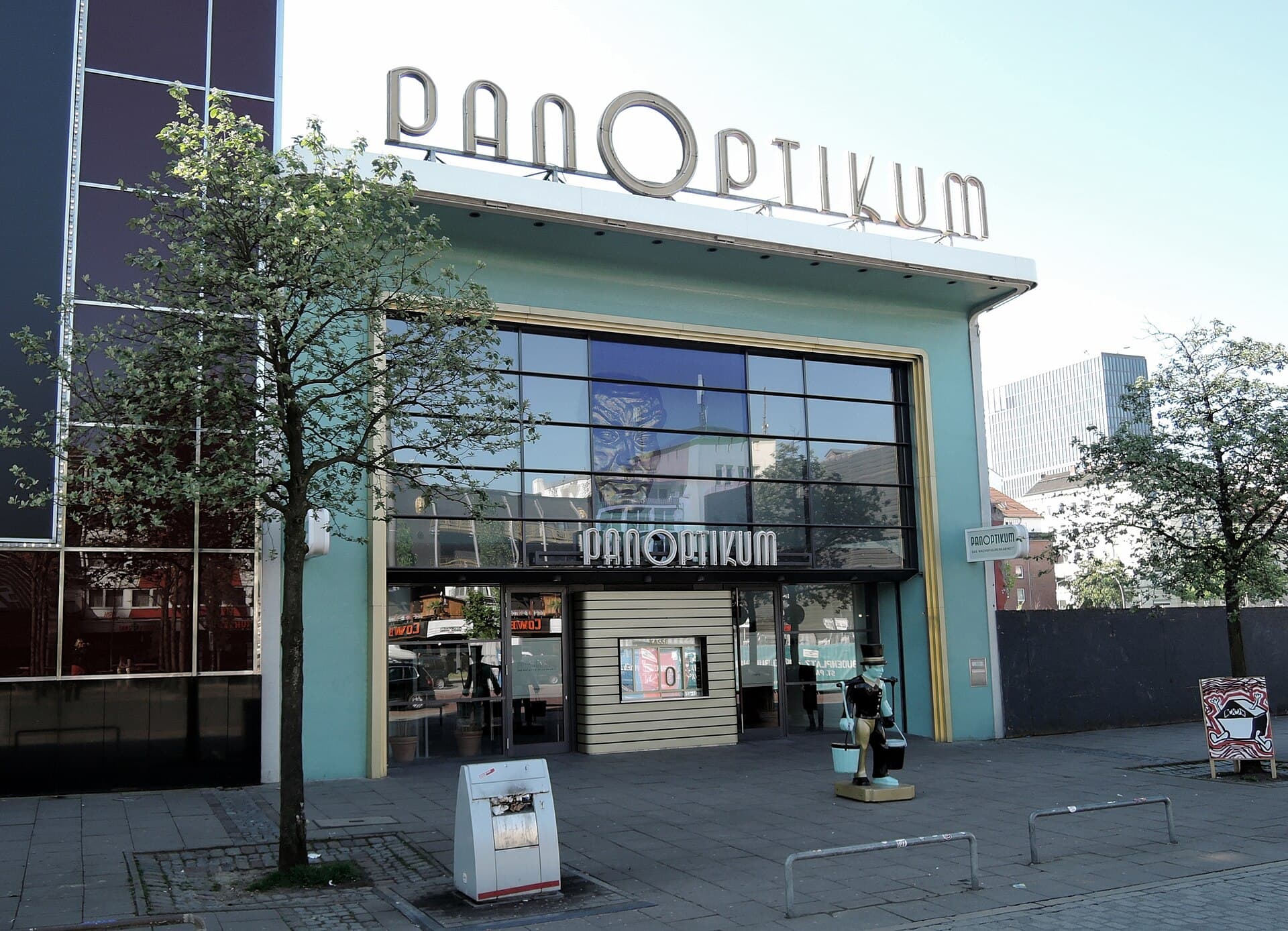 Panoptikum Wax MuseumThe Panoptikum is Germany's oldest wax museum, run by the same family since 187910 minutes walk4.2
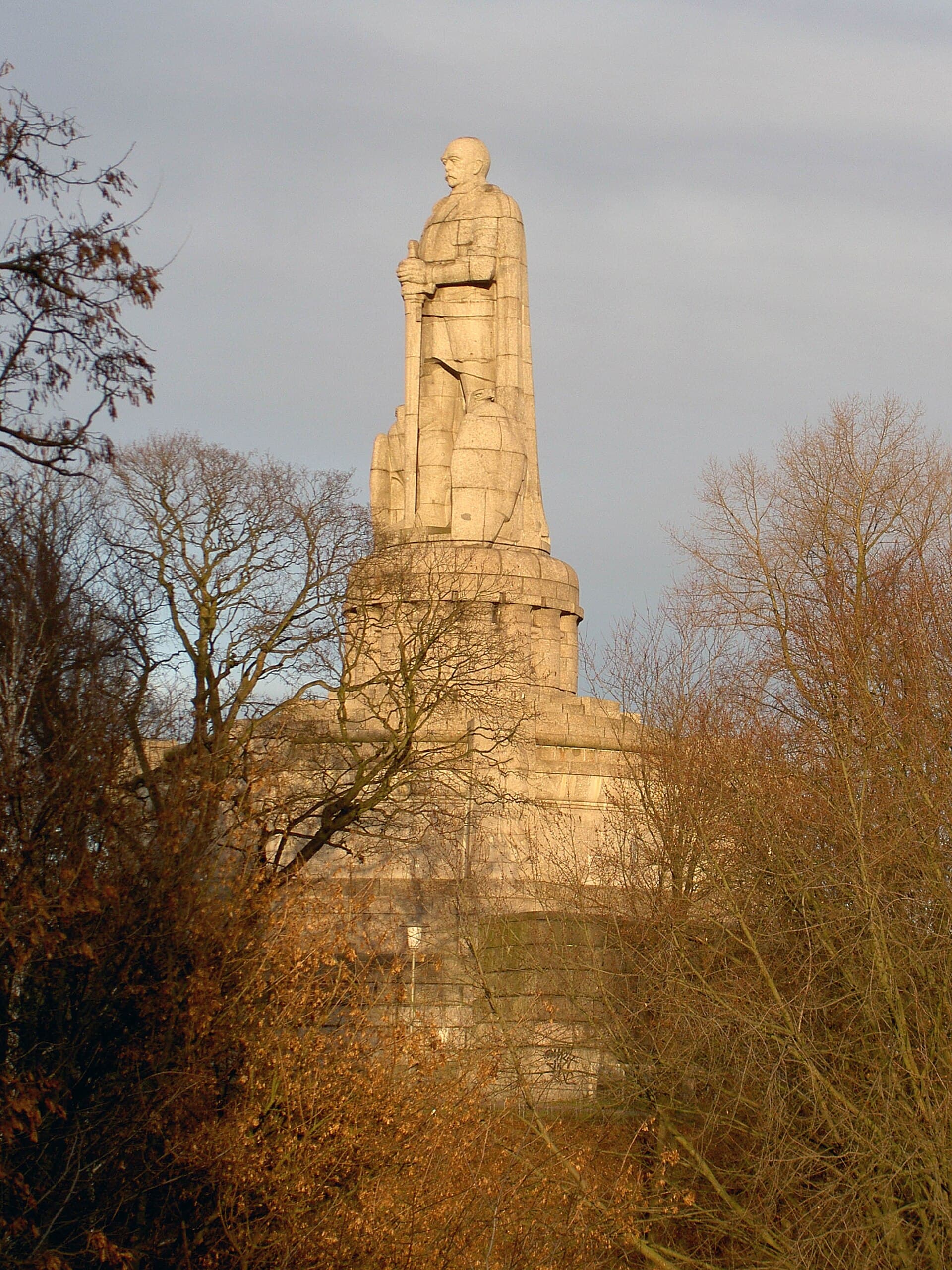 The Bismarck MonumentHamburg's Bismarck Monument is the largest of its kind in the world: a stone mas11 minutes walk3.7
 The Hans Hummel MemorialA memorial to a water carrier who lived in Hamburg in the nineteenth century, wh11 minutes walk4.6
Because the thickness of its walls makes blasting it dangerous to everything around: attempts on similar towers in Germany either failed or threatened neighbouring buildings. This one stands in a dense residential district, so keeping it was cheaper and safer than removing it — which is why Germany retained several such towers and later converted them into gardens, museums or cultural spaces.