
The Loreto chapel
A replica of Mary's house in Italy — a baroque tradition that spread across Moravia.
VitVit — CC BY-SA 4.0 · Ladislav kopůnec Univerzon — CC BY-SA 4.0 · Dominik Matus — CC BY-SA 4.0 · Palickap — CC BY-SA 4.0
A monastic complex in old central Brno going back to the thirteenth century, its present baroque front dating from the early eighteenth. Two things distinguish it that few notice, despite its position in the heart of the city. The first is the Holy Staircase: a flight of steps the faithful ascend on their knees, a copy of the stair Christ is believed to have climbed to Pilate's residence, of which copies were built in a number of Catholic European cities. The second is the small Loreto chapel, a replica of the house of Mary at Loreto in Italy — a baroque tradition that spread across Bohemia and Moravia. The main church of the two St Johns is decorated with baroque stucco and ceiling paintings, and is normally open outside service times. This is a working place of worship rather than a museum: entry is free, but quiet and respectful dress are asked, and parts may close during Mass. It stands minutes from Freedom Square.
A replica of Mary's house in Italy — a baroque tradition that spread across Moravia.
The main church is decorated with eighteenth-century stucco and ceiling paintings.
In the heart of the city, yet most visitors pass without entering.
Minoritská, old central Brno
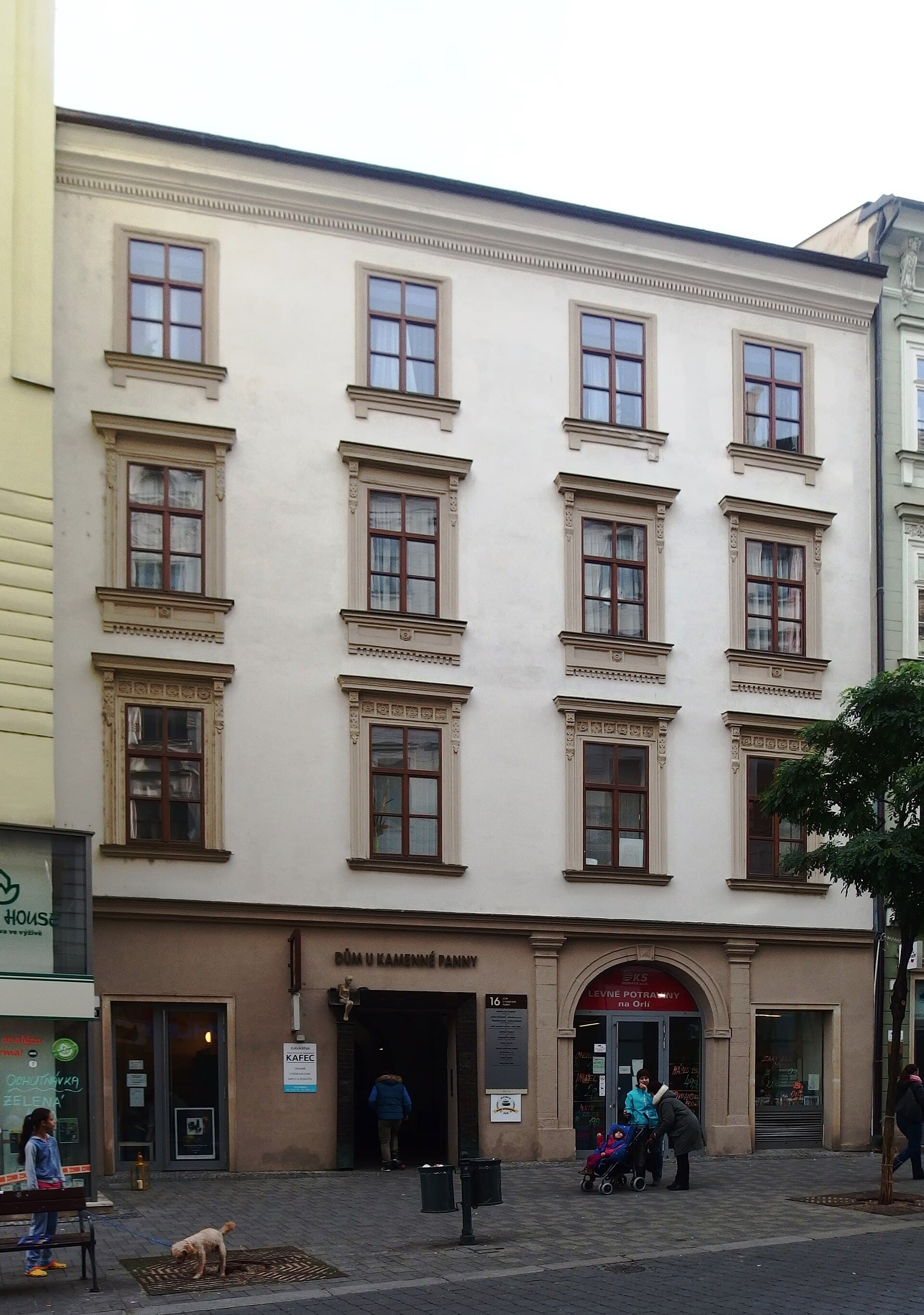 House of the Stone MaidenA historic house in central Brno that takes its name from a stone figure of a wo1 minute walk4.5
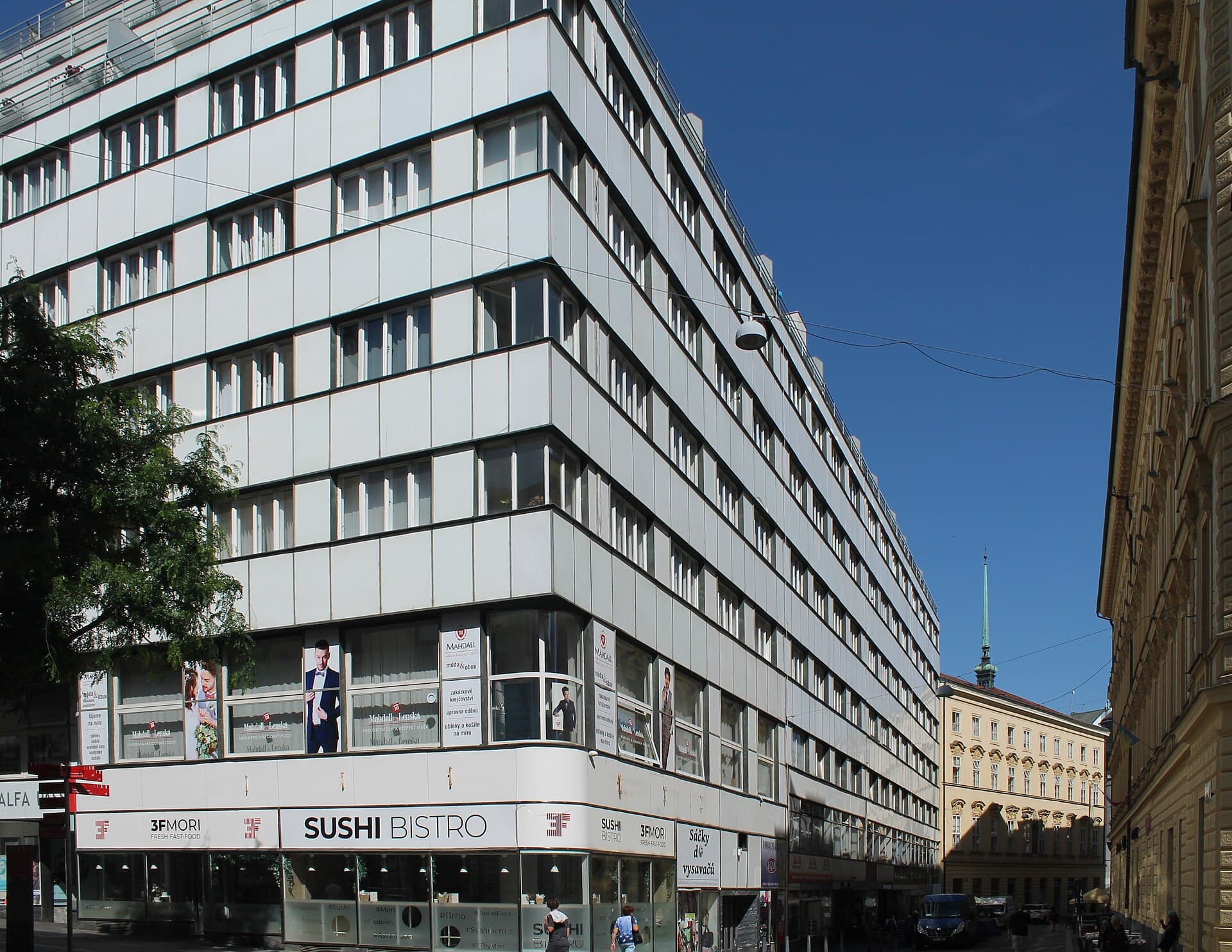 Alfa PalaceA functionalist building of the 1930s in central Brno, containing a covered shop2 minutes walk4.1
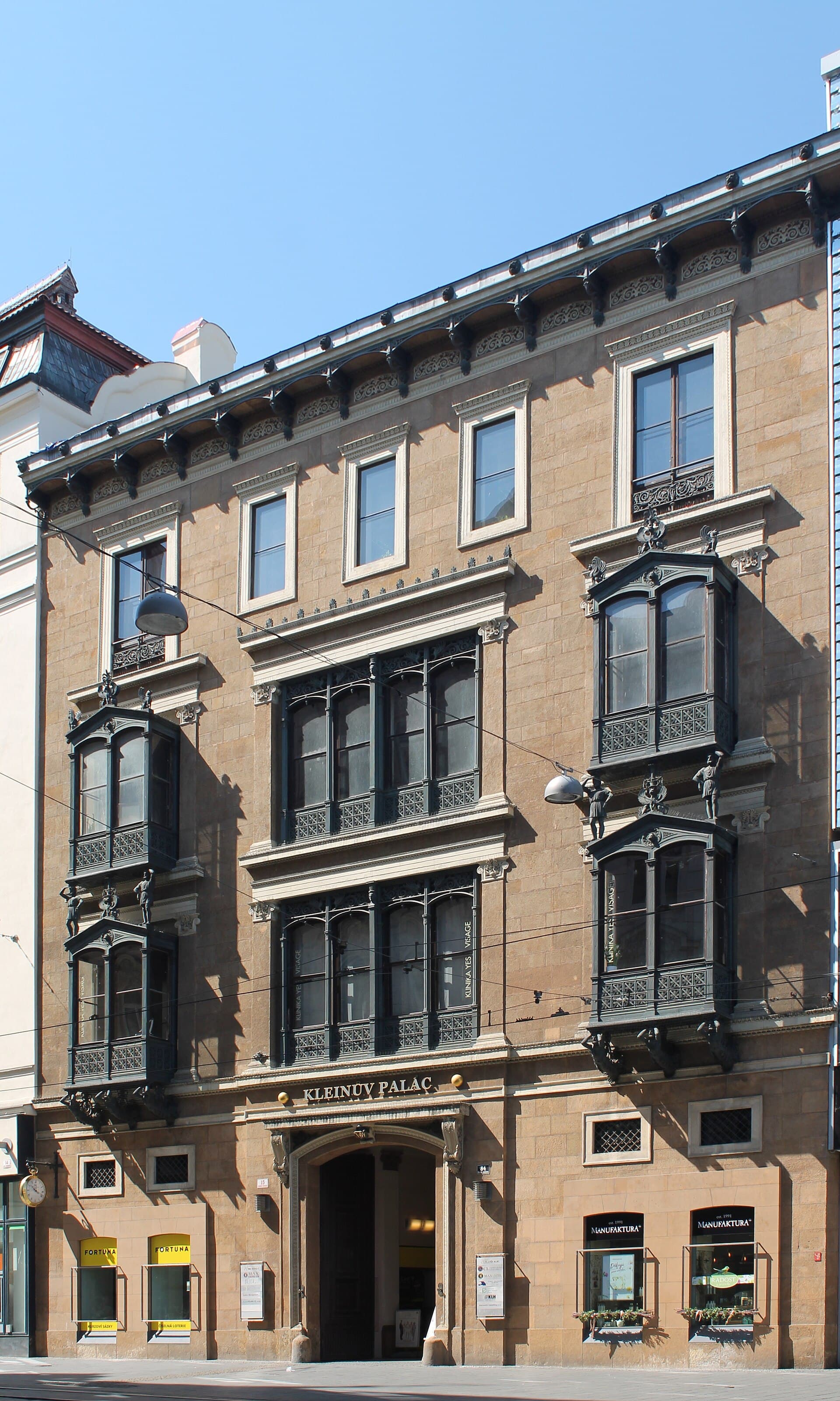 Klein PalaceA mid-nineteenth-century palace on Náměstí Svobody, Brno's main square, built by2 minutes walk4.8
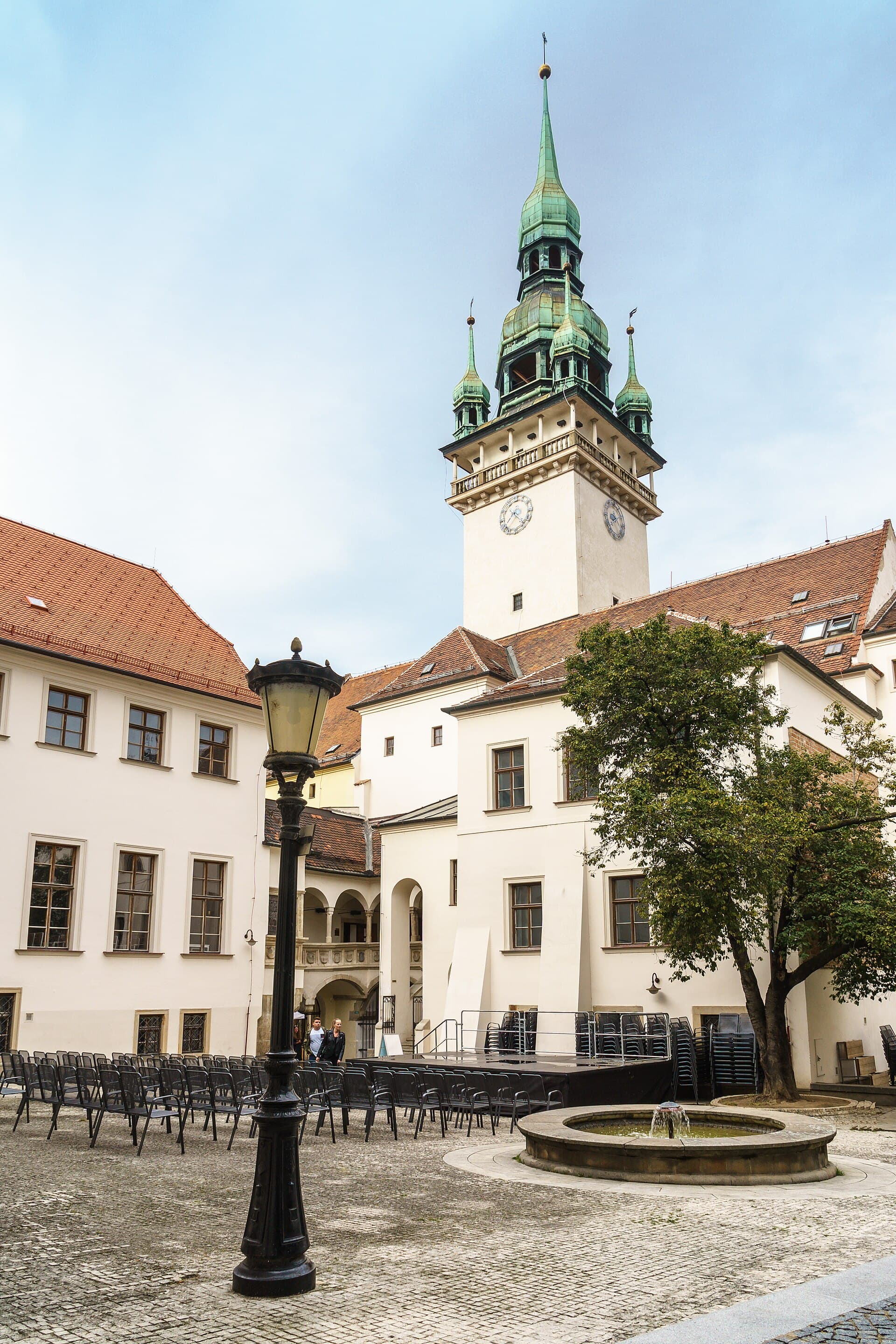 The Old Town HallThe oldest secular building in Brno, dating from the thirteenth century, and the3 minutes walk4.8
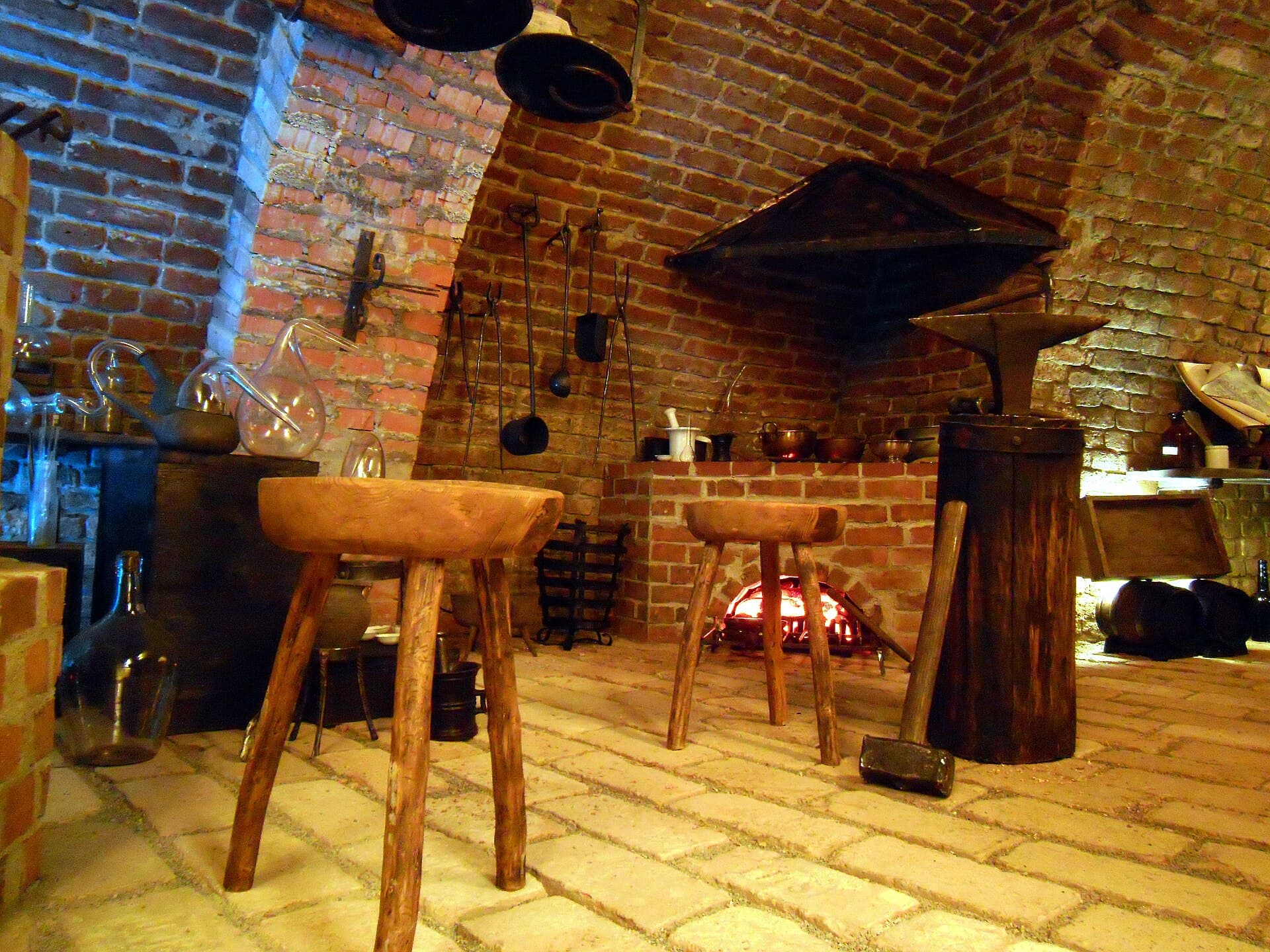 The Labyrinth under the Vegetable MarketA city beneath the city: the Vegetable Market, trading since the thirteenth cent3 minutes walk4.3
The original is a flight of twenty-eight steps in Rome, believed to come from Pilate's residence in Jerusalem, which pilgrims climb on their knees. In the baroque period copies were built in Catholic cities across Europe so that those who could not travel to Rome could perform the same devotion. Brno's is one of these.
Yes, Czech churches are open to visitors of all backgrounds outside service times. What is asked is what any place of worship asks: quiet, respectful dress covering shoulders and knees, no photography during Mass, and keeping clear of areas set aside for prayer if any are in use.