
The glazed passage
A covered space linking two streets with shops and a cinema — a 1930s idea.
Harold — CC BY-SA 4.0 · Ben Skála, Benfoto — CC BY-SA 3.0 · Marek Blahuš — CC BY-SA 3.0 · Palickap — CC BY-SA 4.0
A functionalist building of the 1930s in central Brno, containing a covered shopping arcade that cuts through the block from one street to another. Brno is the Czech city of functionalist architecture: between the wars it was a laboratory for the style, and the UNESCO-listed Villa Tugendhat is its most famous product. The Alfa Palace belongs to the same layer but is commercial rather than residential, which makes it far easier to see: you simply walk in. The internal passage is the whole idea — a glass-roofed space linking two streets, shops down both sides and a cinema, a 1920s and 1930s method of multiplying shopfronts inside a single block. This is not a museum and takes no more than fifteen minutes. Its value is that it is already on your route through central Brno and explains something about the city that its churches do not.
A covered space linking two streets with shops and a cinema — a 1930s idea.
The city was the Czech laboratory for functionalism between the wars.
No booking and no ticket — the same period's architecture with no arrangements.
Poštovská, central Brno
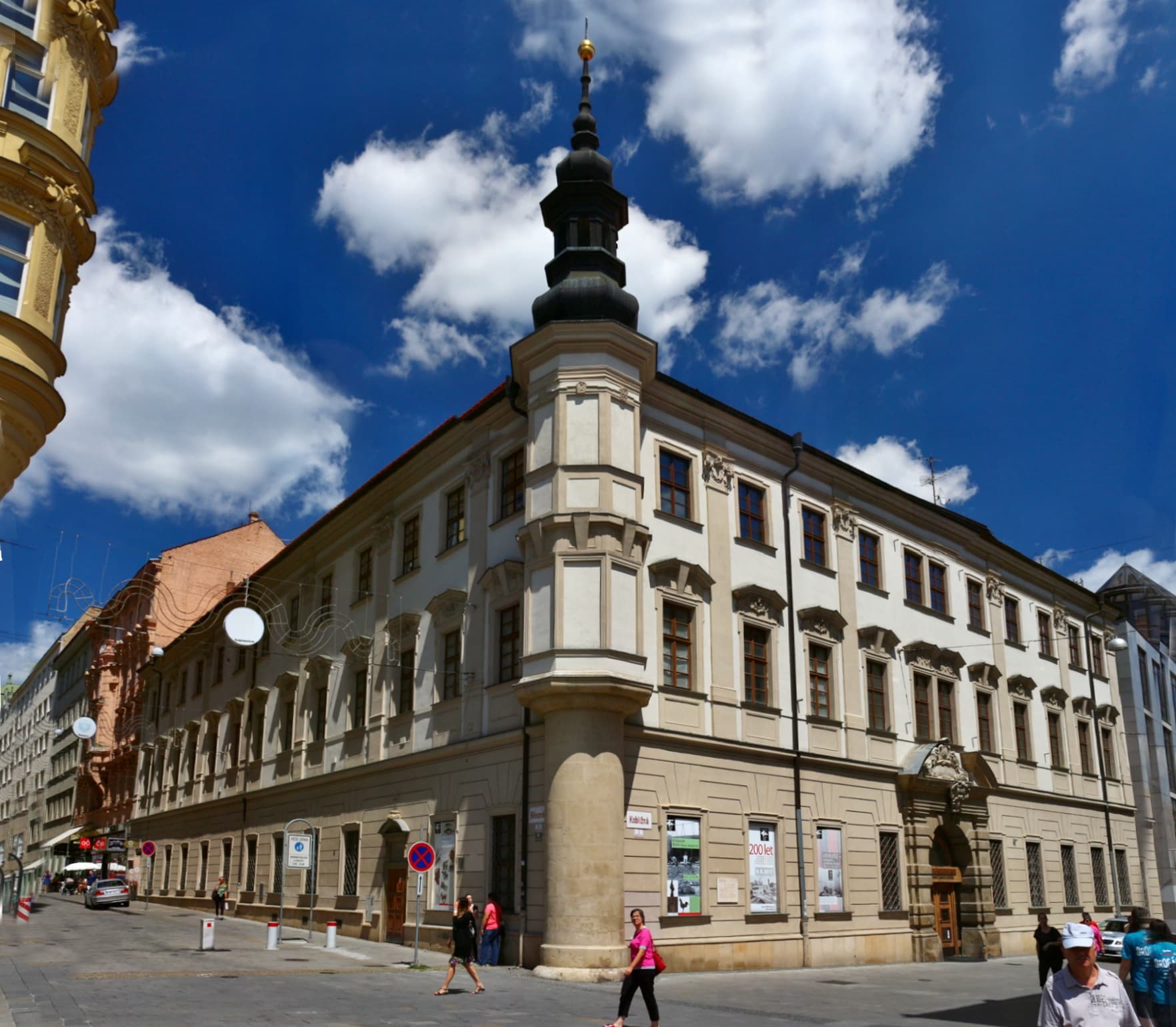 The Palace of the Noble LadiesA Baroque palace in central Brno, built in the seventeenth century to house the 1 minute walk4.6
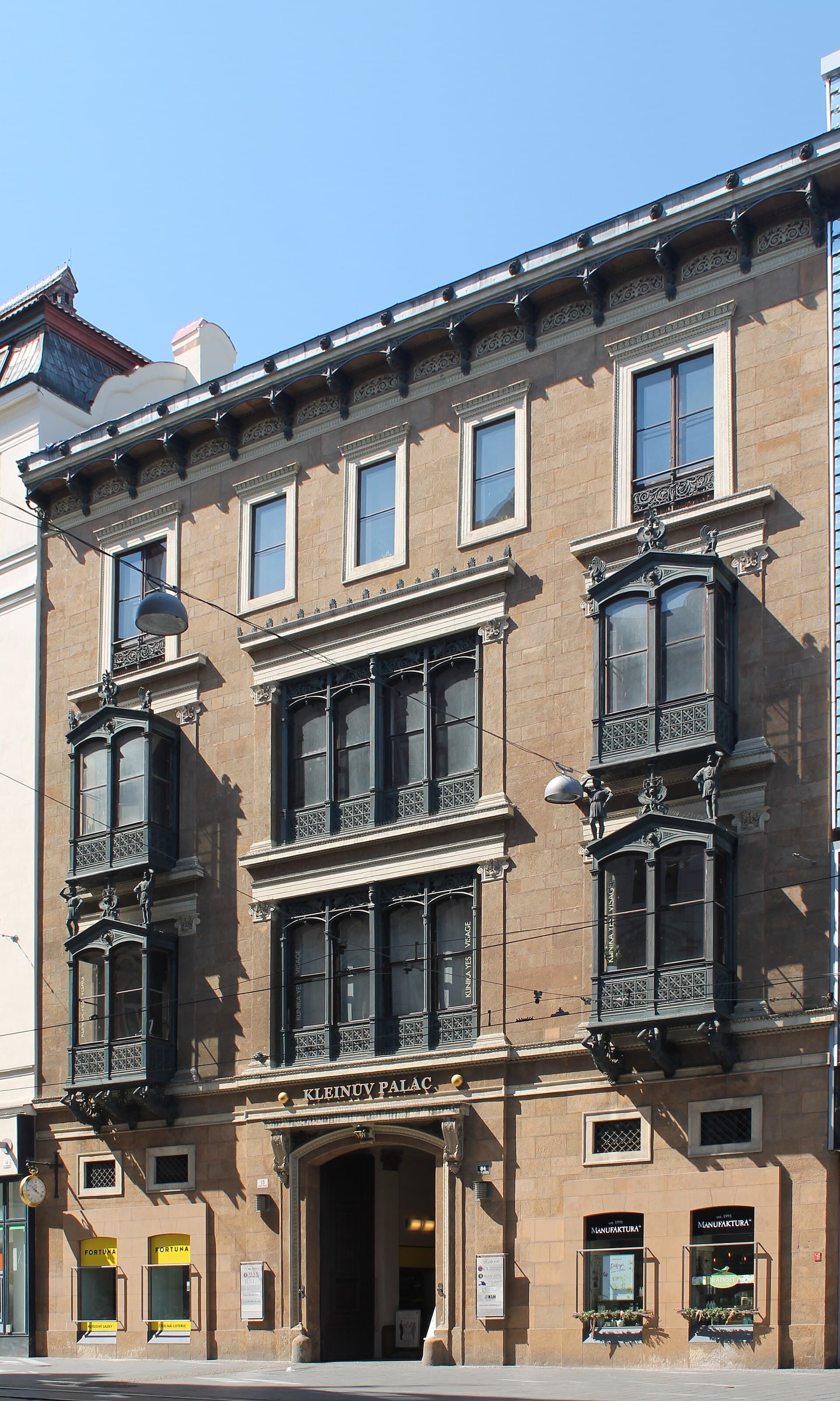 Klein PalaceA mid-nineteenth-century palace on Náměstí Svobody, Brno's main square, built by1 minute walk4.8
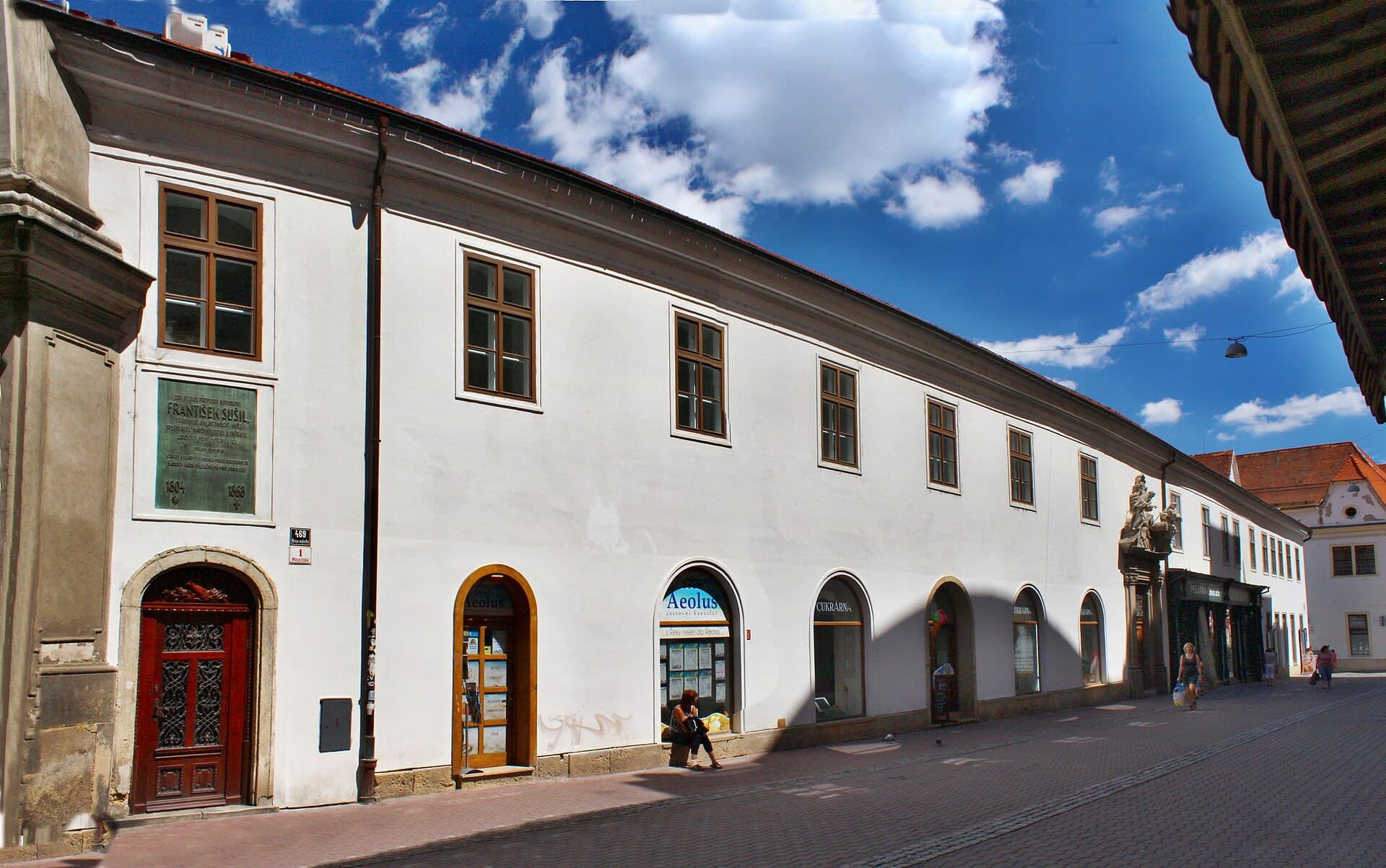 Minorite Monastery, BrnoA monastic complex in old central Brno going back to the thirteenth century, its2 minutes walk4.6
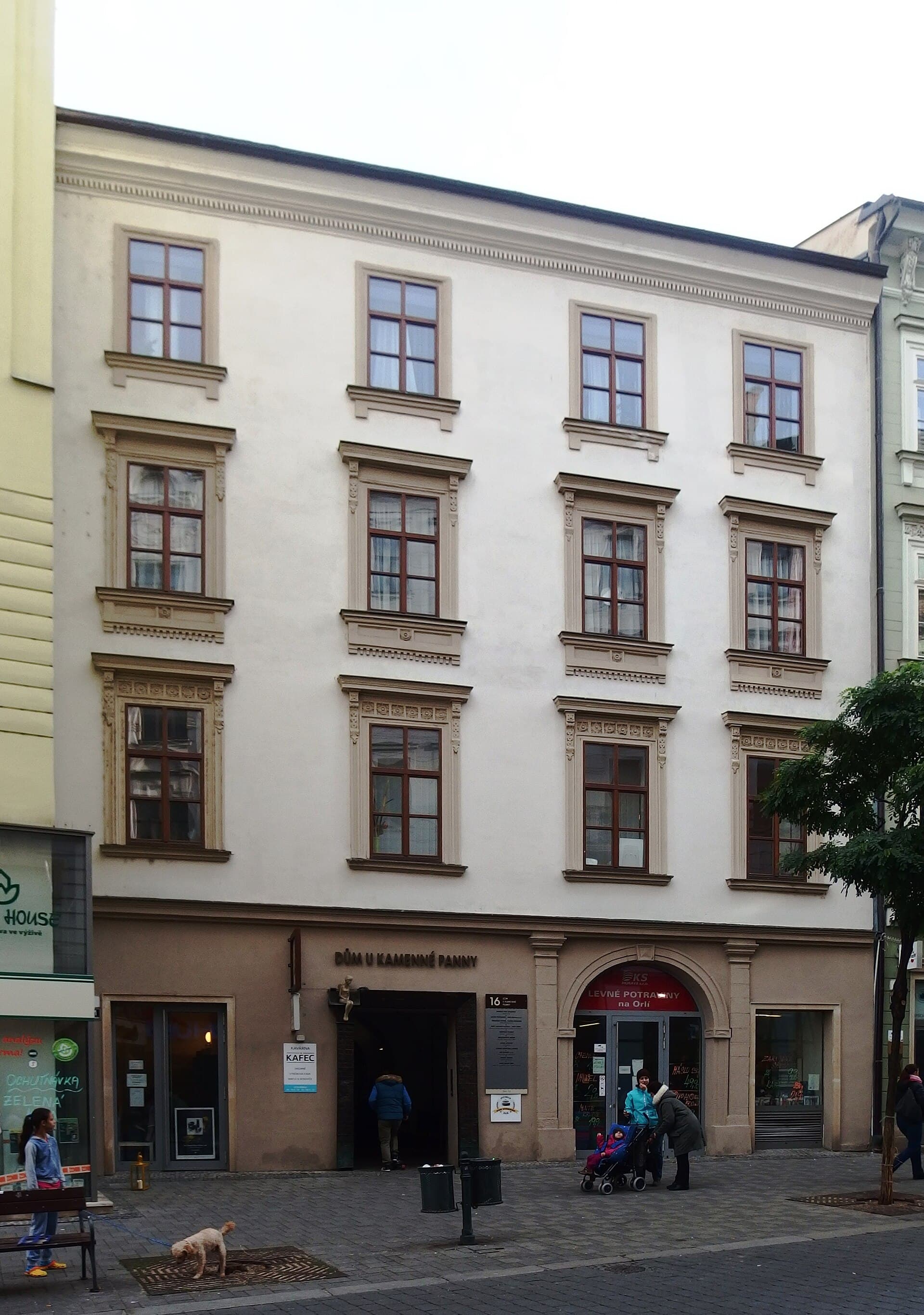 House of the Stone MaidenA historic house in central Brno that takes its name from a stone figure of a wo2 minutes walk4.5
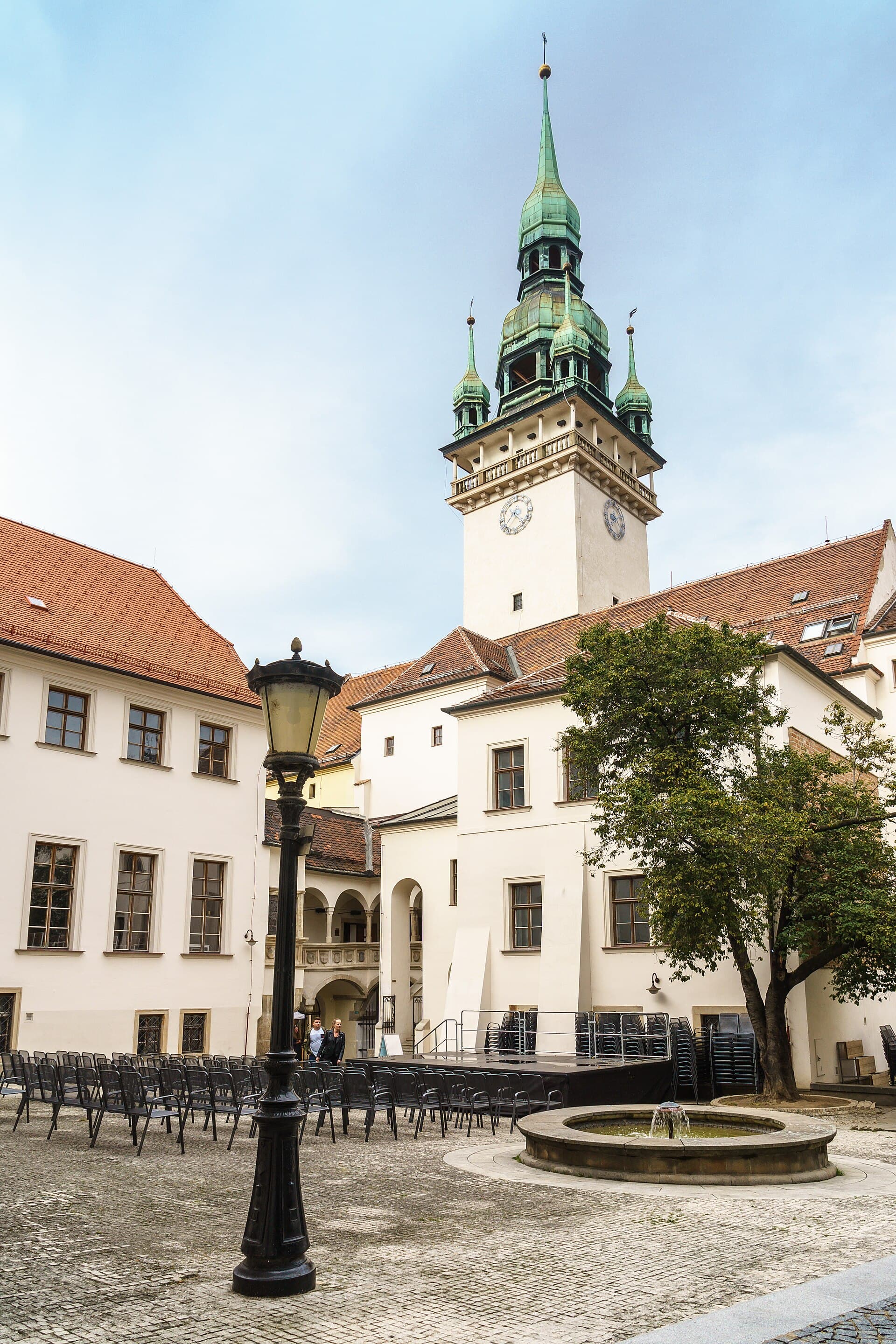 The Old Town HallThe oldest secular building in Brno, dating from the thirteenth century, and the3 minutes walk4.8
Villa Tugendhat is the essential example and must be booked ahead as tickets sell out. Beyond it are the Hotel Avion, the Morava Palace and scattered buildings in the centre, and the city information office hands out walking routes devoted to this architectural layer.
Shops, cafés and a working cinema, so it is a living place rather than a preserved monument. If you want to sit it is a useful covered option on a wet day, but do not plan it as a visit.