
The saw mechanism
Sail rotation converted into a vertical saw stroke.
Mike Spaans — CC BY-SA 4.0 · Mike Spaans — CC BY-SA 4.0 · Mike Spaans — CC BY-SA 4.0 · Mike Spaans — CC BY-SA 4.0
De Ster stands at the edge of central Utrecht, and it is a rare type: a sawmill rather than a grain mill. The difference is fundamental — instead of a stone that grinds, a mechanism converts the sails' rotation into the stroke of a vertical saw cutting tree trunks into planks. This type underpinned Dutch prosperity in the seventeenth century. The invention of the sawmill in 1594 multiplied plank output many times over, and that is what made it possible to build the Dutch merchant and war fleets at the speed that turned the Republic into a global naval power. The windmill is an industrial machine rather than a rural monument. The present mill was rebuilt on a historic site, and volunteers work it, genuinely sawing timber on certain days. Around it are the Molenpark and an open workspace used for local workshops and projects. Entry is usually free on working days, but it opens on limited dates — check the schedule.
Sail rotation converted into a vertical saw stroke.
Volunteers genuinely sawing timber by wind.
Molenpark 5, 3511 Utrecht
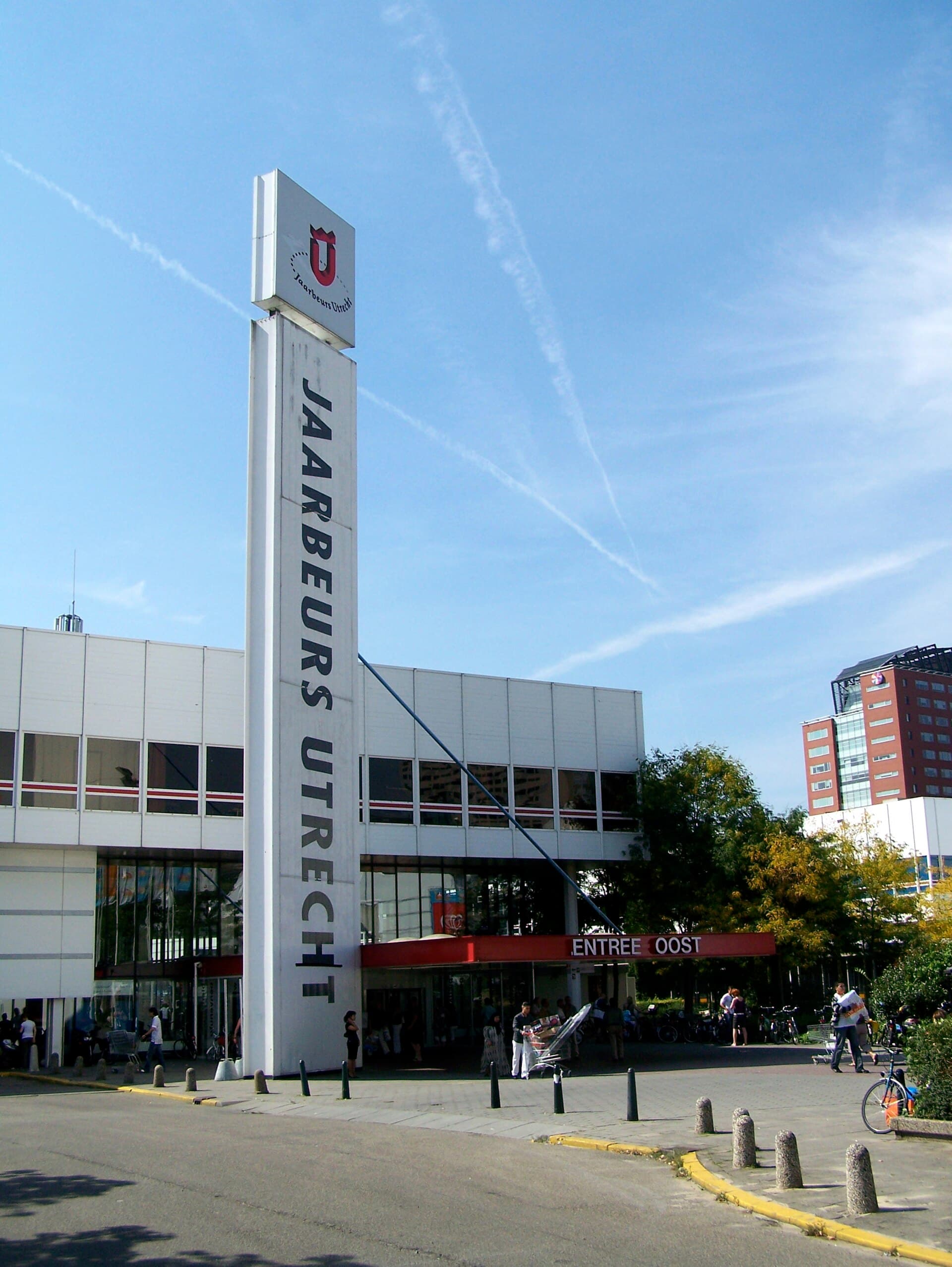 The Jaarbeurs exhibition centreThe largest exhibition and conference centre in the Netherlands, directly west o6 minutes walk4.3
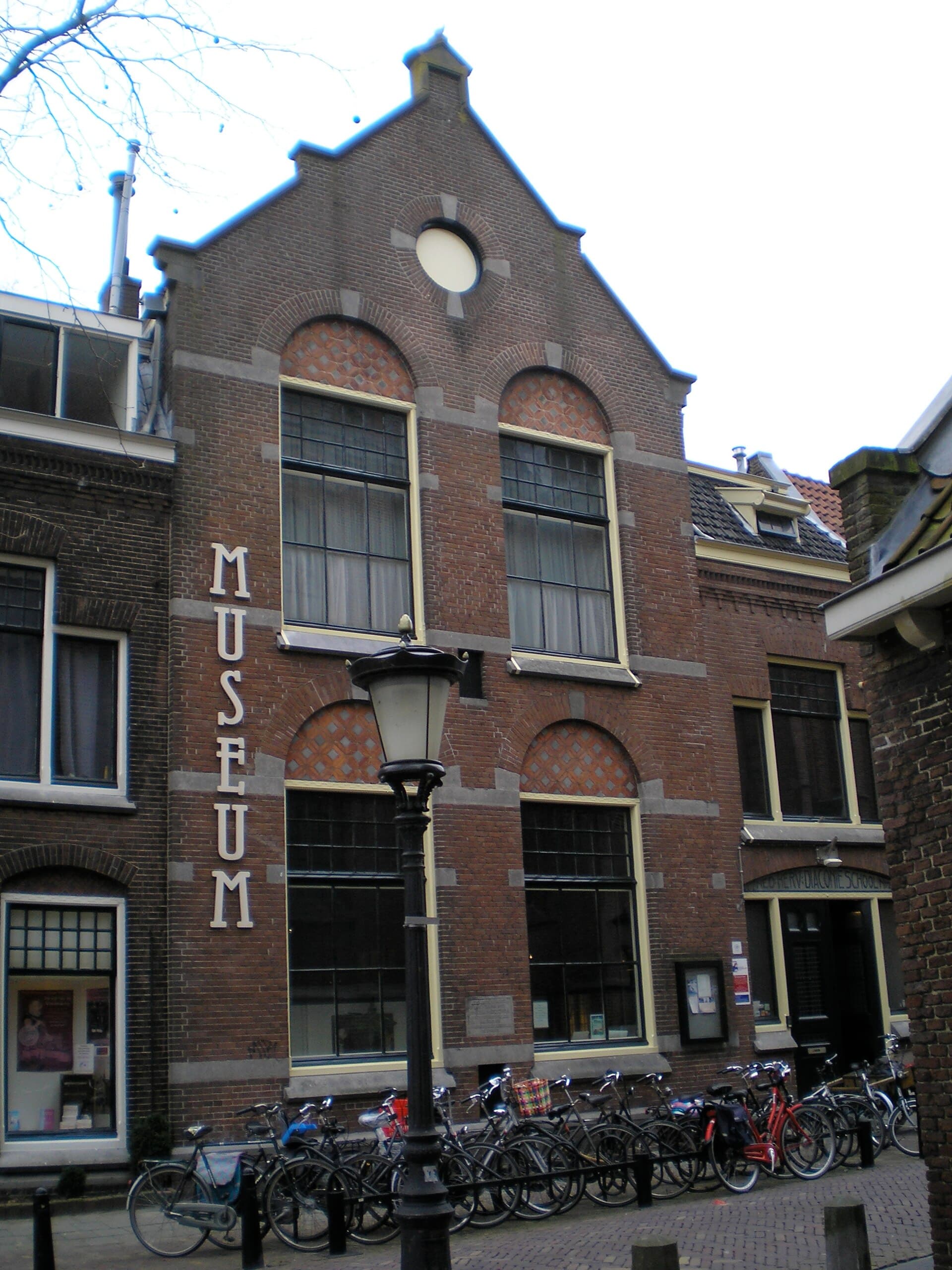 Dutch Working-Class Districts MuseumA small museum in Utrecht's Wijk C, devoted to the history of Dutch working-clas14 minutes walk4.5
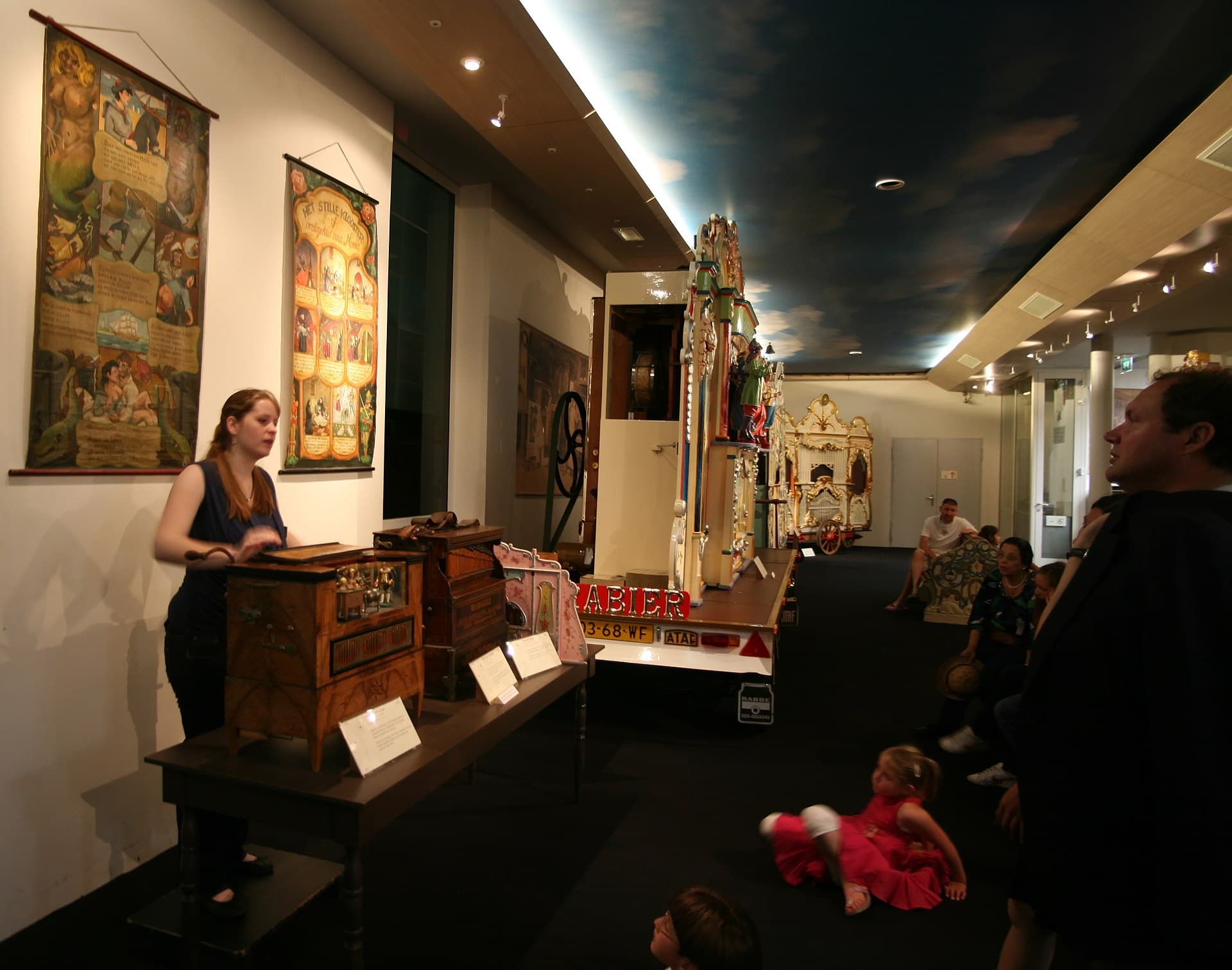 Museum SpeelklokMuseum Speelklok is Utrecht's most enjoyable family museum: the museum of self-p16 minutes walk4.6
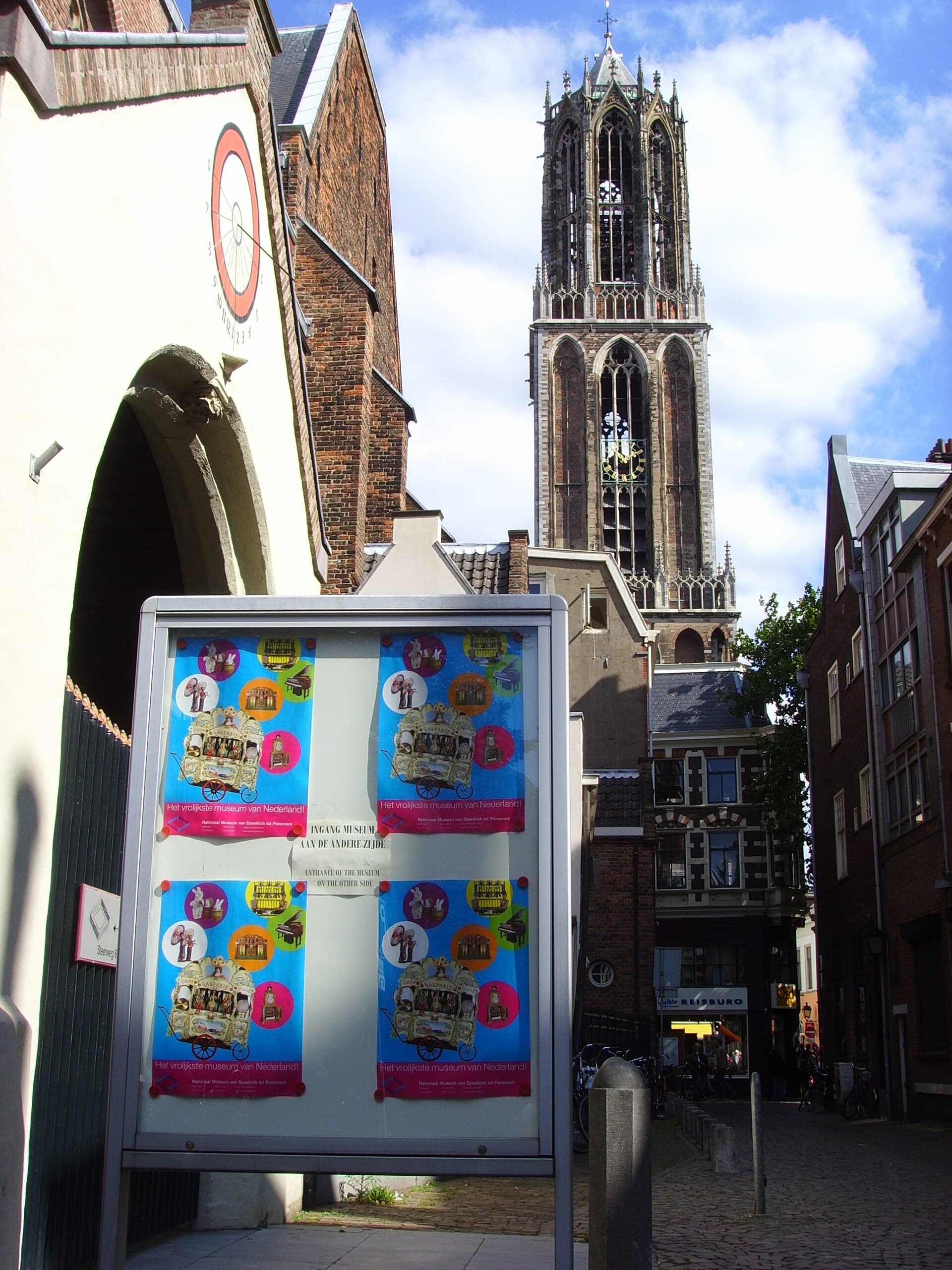 The Buurkerk and its towerUtrecht's oldest parish church, its origins going back to the eleventh century, 16 minutes walk4.3
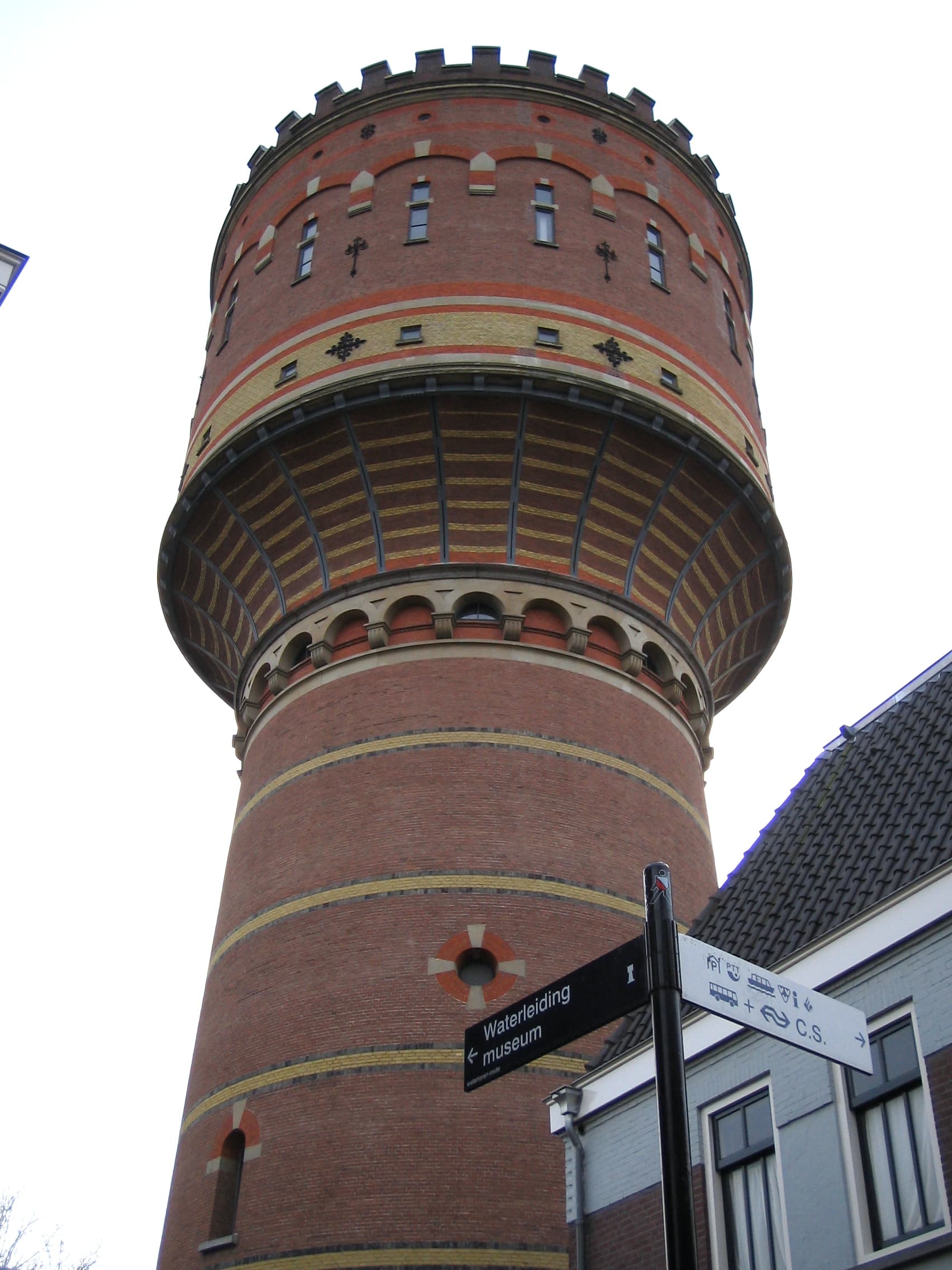 The Lauwerhof Water TowerA water tower of 1895 in northern central Utrecht, and among the oldest survivin18 minutes walk4.2
Before it, sawing trunks was done by hand: two men and a long saw, a full day for a handful of planks. The mill did the same work tens of times faster and at lower cost. The result was that the Netherlands could build ships in numbers no other country could match — the entire East India Company fleet was built on this. A technical advantage became a naval one and then a trading empire.