
Founded by the residents
Set up by the people of Wijk C in the 1970s when their district faced demolition.
Antoine — CC BY-SA 3.0 · Wiebke Wilting [1] — CC BY 4.0 · Antoine — CC BY-SA 3.0 · Antoine — CC BY-SA 3.0
A small museum in Utrecht's Wijk C, devoted to the history of Dutch working-class districts and how their residents lived through the nineteenth and twentieth centuries. This is a rare subject for a museum: most Dutch institutions show paintings, trade and the Golden Age, and few address the people who worked in the factories and lived in the narrow houses behind the handsome facades. The museum shows homes furnished as they were in different periods, along with a shop and a schoolroom. What distinguishes it is that it came out of the neighbourhood itself: residents of Wijk C founded it in the 1970s to preserve their history when the district was threatened with demolition under urban renewal. The museum is part of the story of resisting that demolition. The space is small and the visit short, and interpretation may be largely in Dutch. Go if social history interests you; anyone wanting art has the Centraal Museum and the Miffy museum in the same city.
Set up by the people of Wijk C in the 1970s when their district faced demolition.
Dwellings, a schoolroom and a shop shown as they were in different periods.
Interpretation may be largely in Dutch — factor that in.
Wijk C, north of central Utrecht
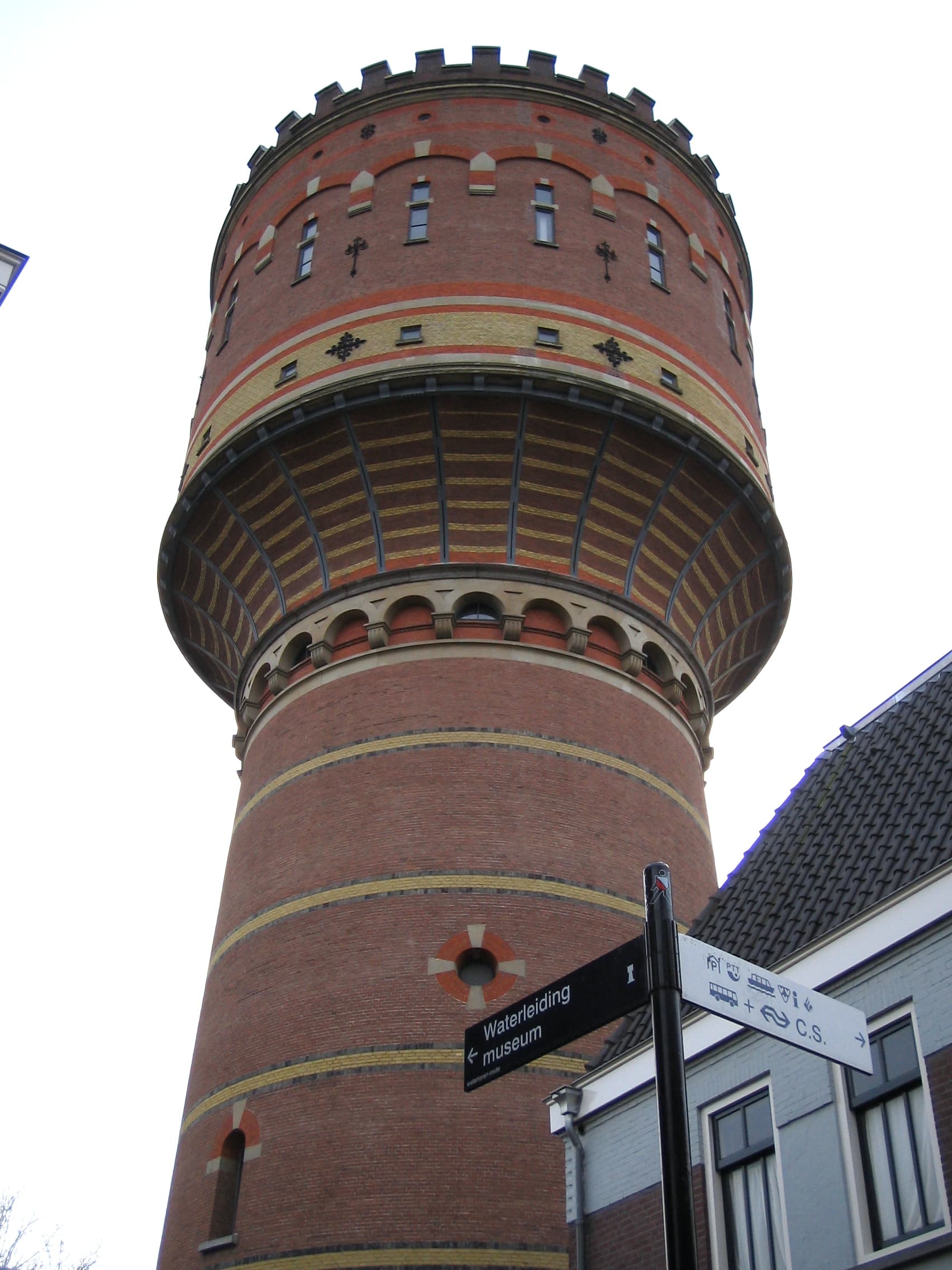 The Lauwerhof Water TowerA water tower of 1895 in northern central Utrecht, and among the oldest survivin4 minutes walk4.2
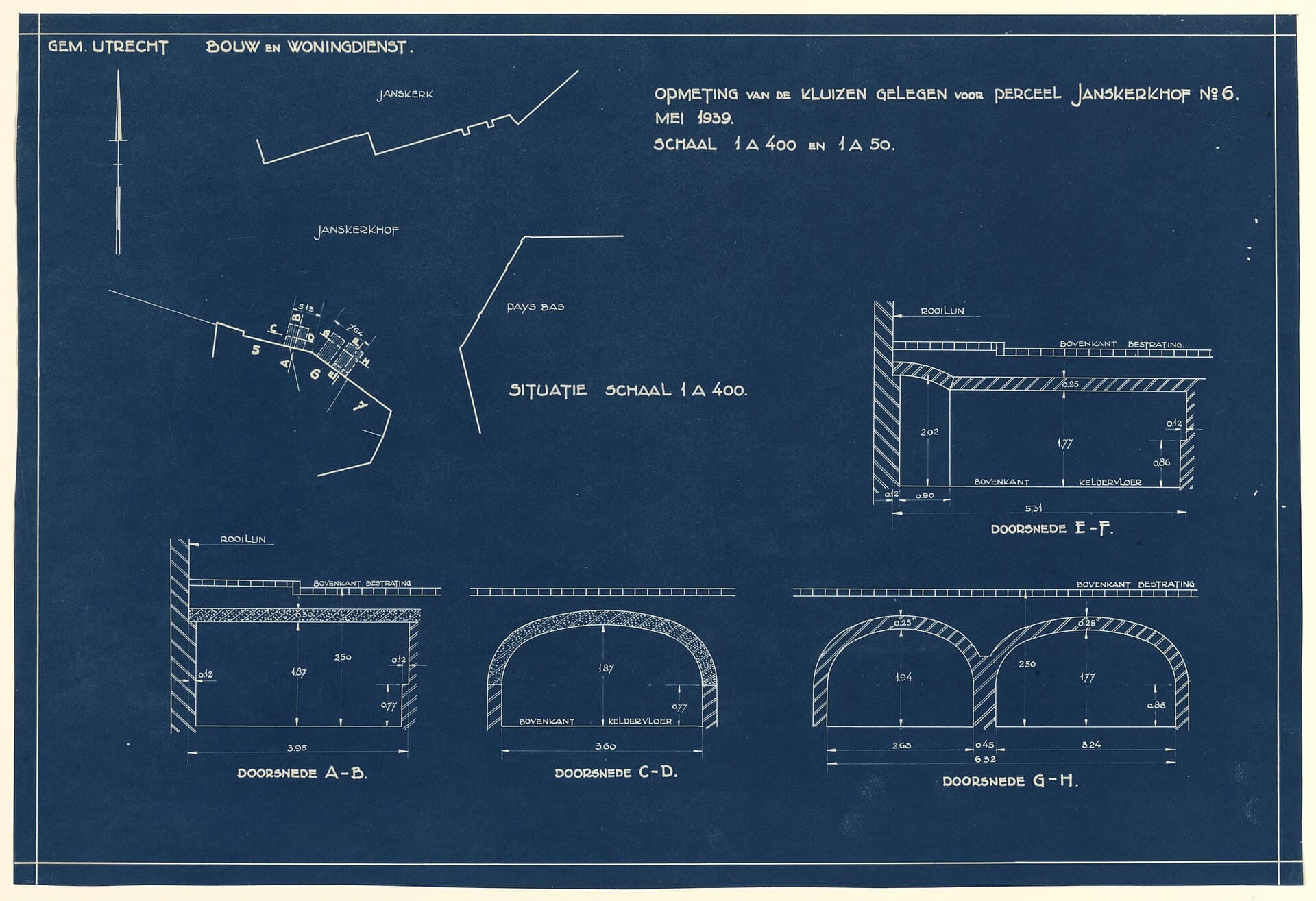 Janskerkhof and its Flower MarketJanskerkhof is a tree-shaded square in central Utrecht in front of St John's chu6 minutes walk4.5
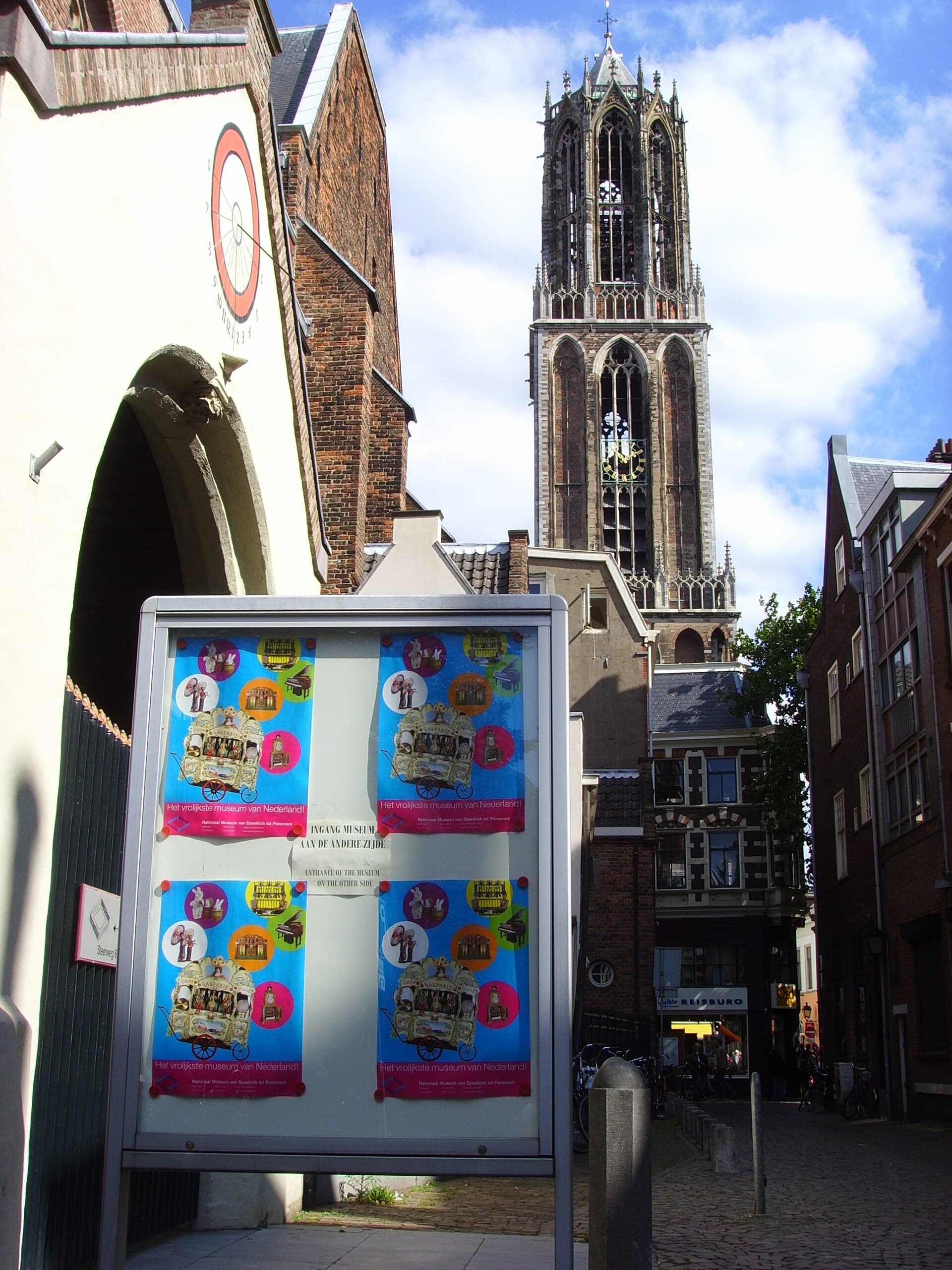 The Buurkerk and its towerUtrecht's oldest parish church, its origins going back to the eleventh century, 8 minutes walk4.3
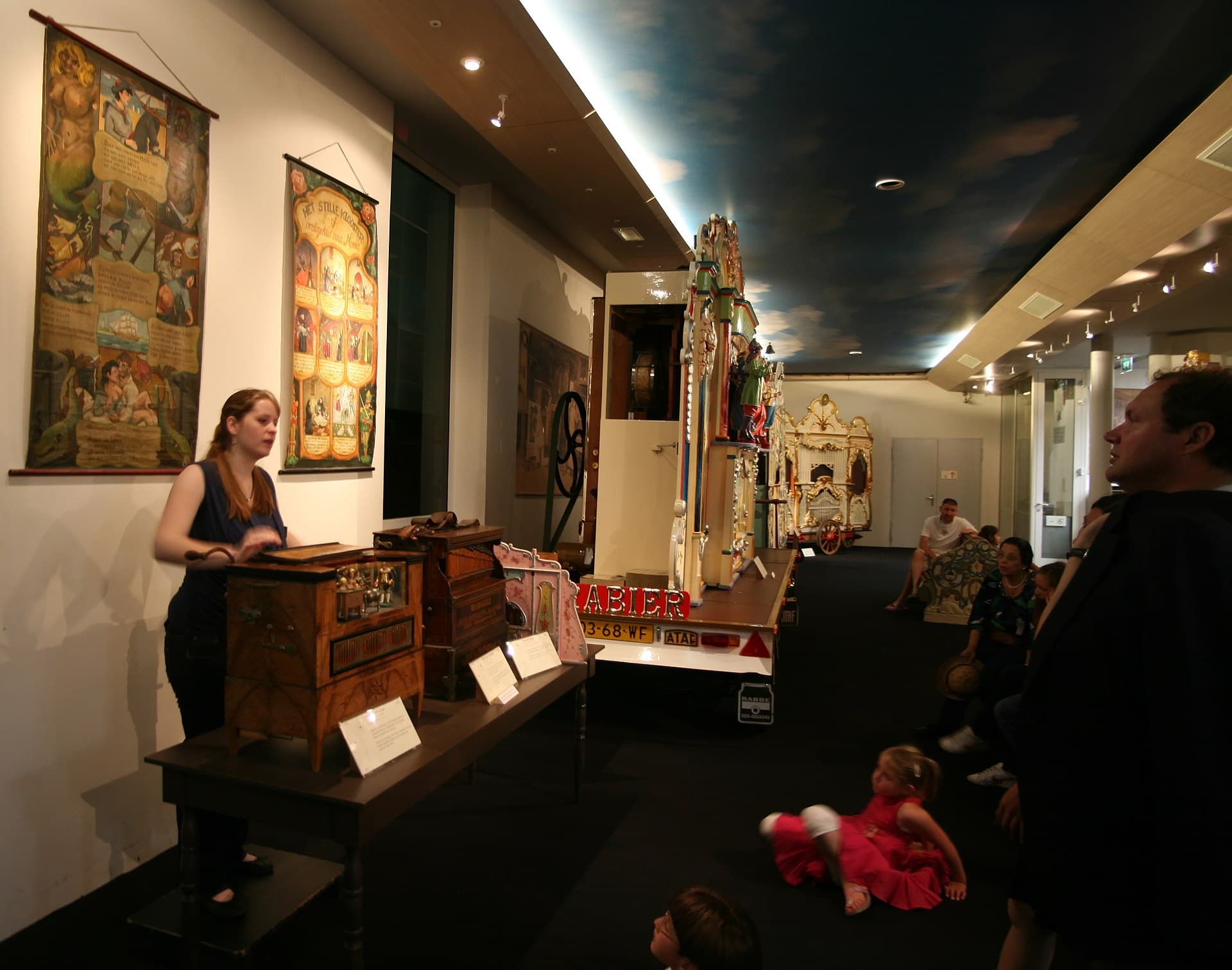 Museum SpeelklokMuseum Speelklok is Utrecht's most enjoyable family museum: the museum of self-p8 minutes walk4.6
 DOMunderDOMunder is an archaeological experience beneath Domplein itself: you descend un9 minutes walk4.2
Only up to a point. The furnished homes and objects read visually, but much of the museum's value lies in the written accounts. Ask at the entrance whether an English guide exists; without one the visit is still enjoyable but shallower.
An old working-class district north of central Utrecht, threatened with demolition under urban renewal in the 1960s and 70s. Its residents resisted and partly succeeded in preserving it, and the museum is a product of that movement rather than merely an exhibition about it.