
Dutch street organs
Enormous machines genuinely played inside the church volume.
Victor van Werkhooven — CC BY-SA 3.0 · artethgray — CC BY 2.0
Utrecht's oldest parish church, its origins going back to the eleventh century, and today home to the museum of music boxes and mechanical organs. The combination sounds odd and is entirely logical in practice: the church stopped being used for worship, and the museum needed a tall wide volume able to hold enormous machines, so each found the other. The collection holds small music boxes, giant Dutch street organs, player pianos and musical clocks, and they are genuinely played for visitors on a guided tour — hearing a Dutch street organ work in the volume of a Gothic church is an experience that does not photograph well and is not forgotten. The church tower is deliberately incomplete: its base was built to carry a high tower but the work stopped in the fifteenth century because the soft ground could not bear it, leaving a low square stump. The church also holds the trace of an anchoress who lived in a cell against its wall in the fifteenth century. Entry is ticketed and the tour is guided.
Enormous machines genuinely played inside the church volume.
The trace of a woman who lived walled against the church in the fifteenth century.
The museum needed the tall volume, the church needed a purpose.
Steenweg, central Utrecht
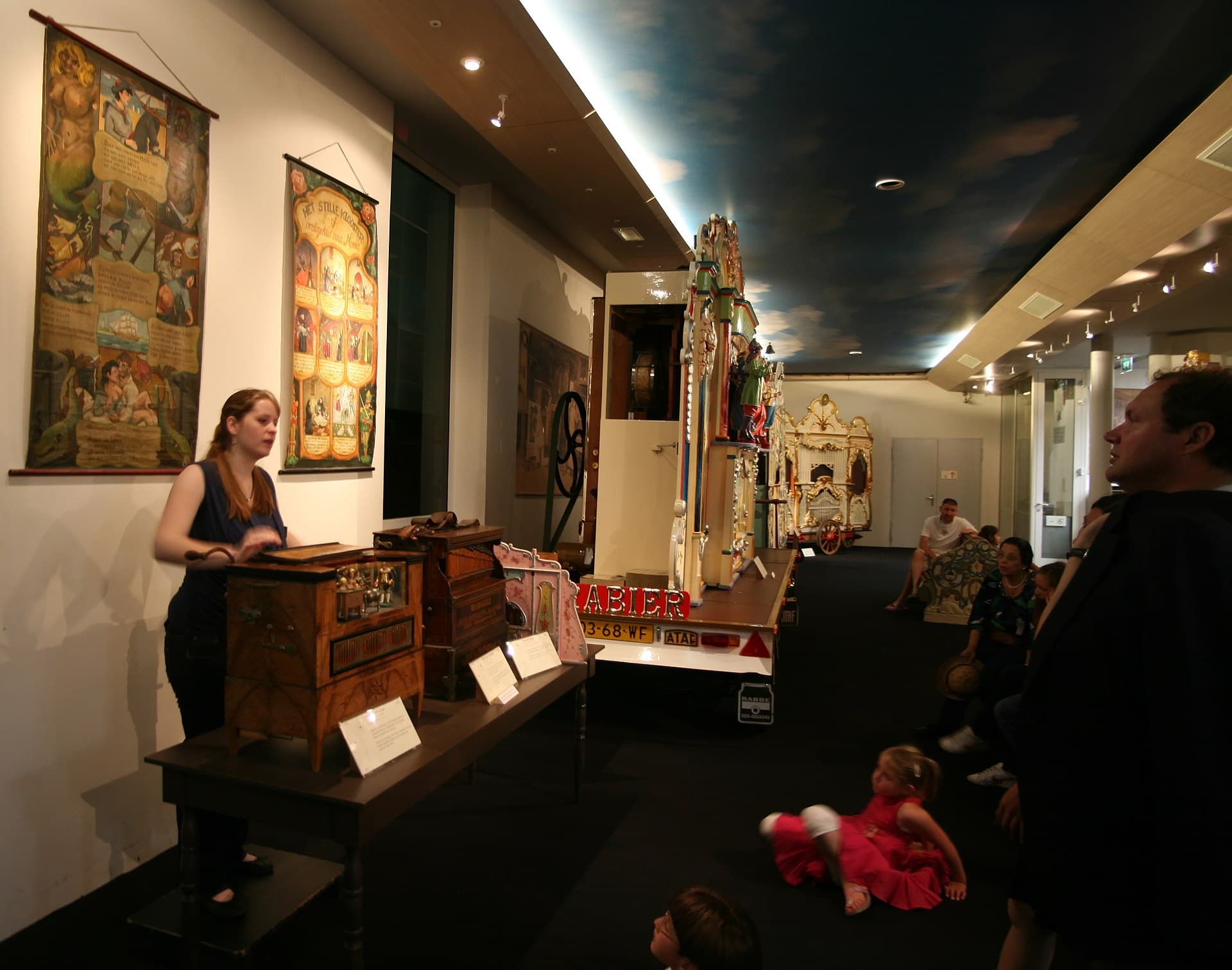 Museum SpeelklokMuseum Speelklok is Utrecht's most enjoyable family museum: the museum of self-p1 minute walk4.6
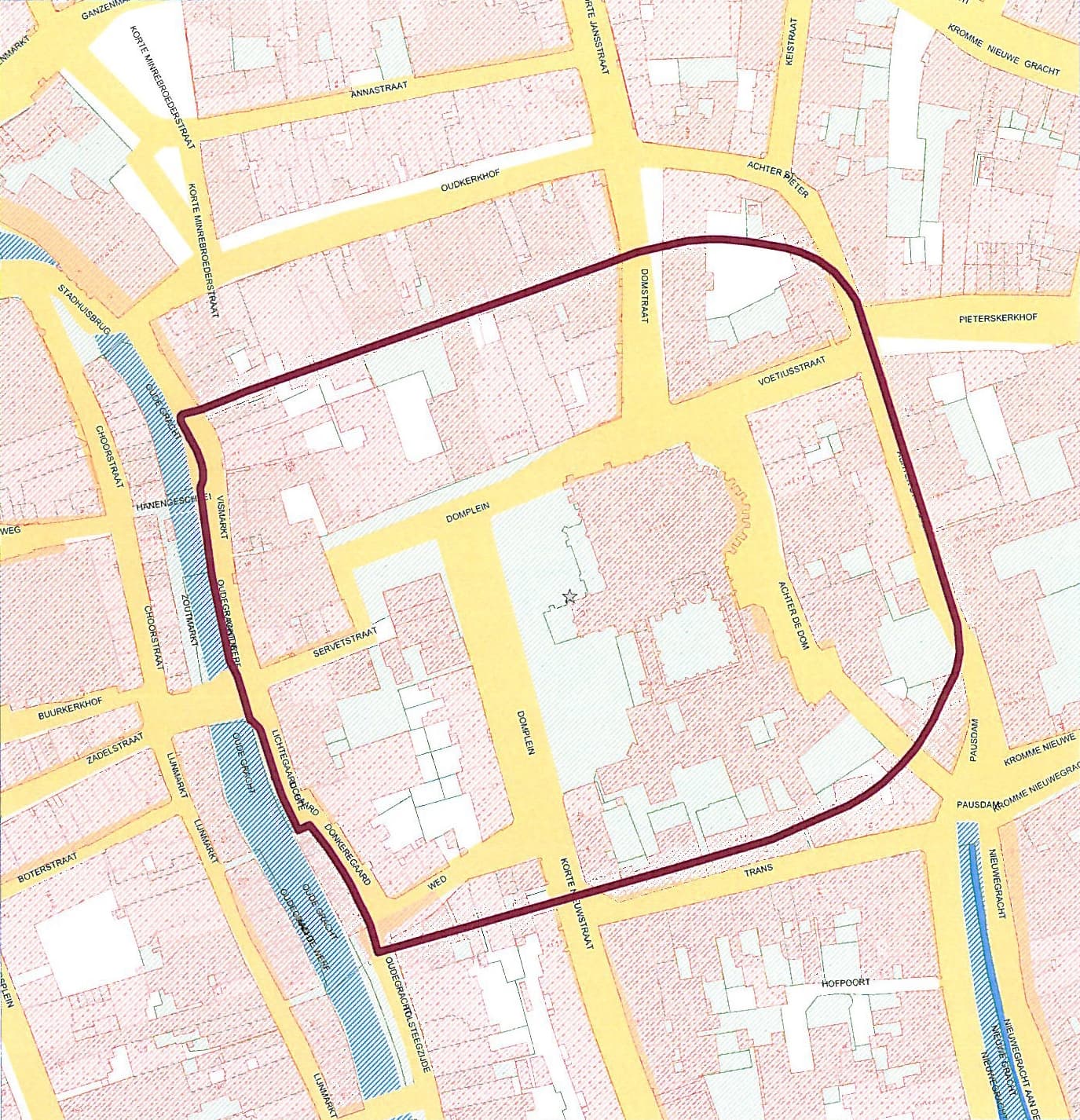 Castellum TraiectumMarkers set into the paving of Utrecht's Domplein tracing the outline of the Rom2 minutes walk4.1
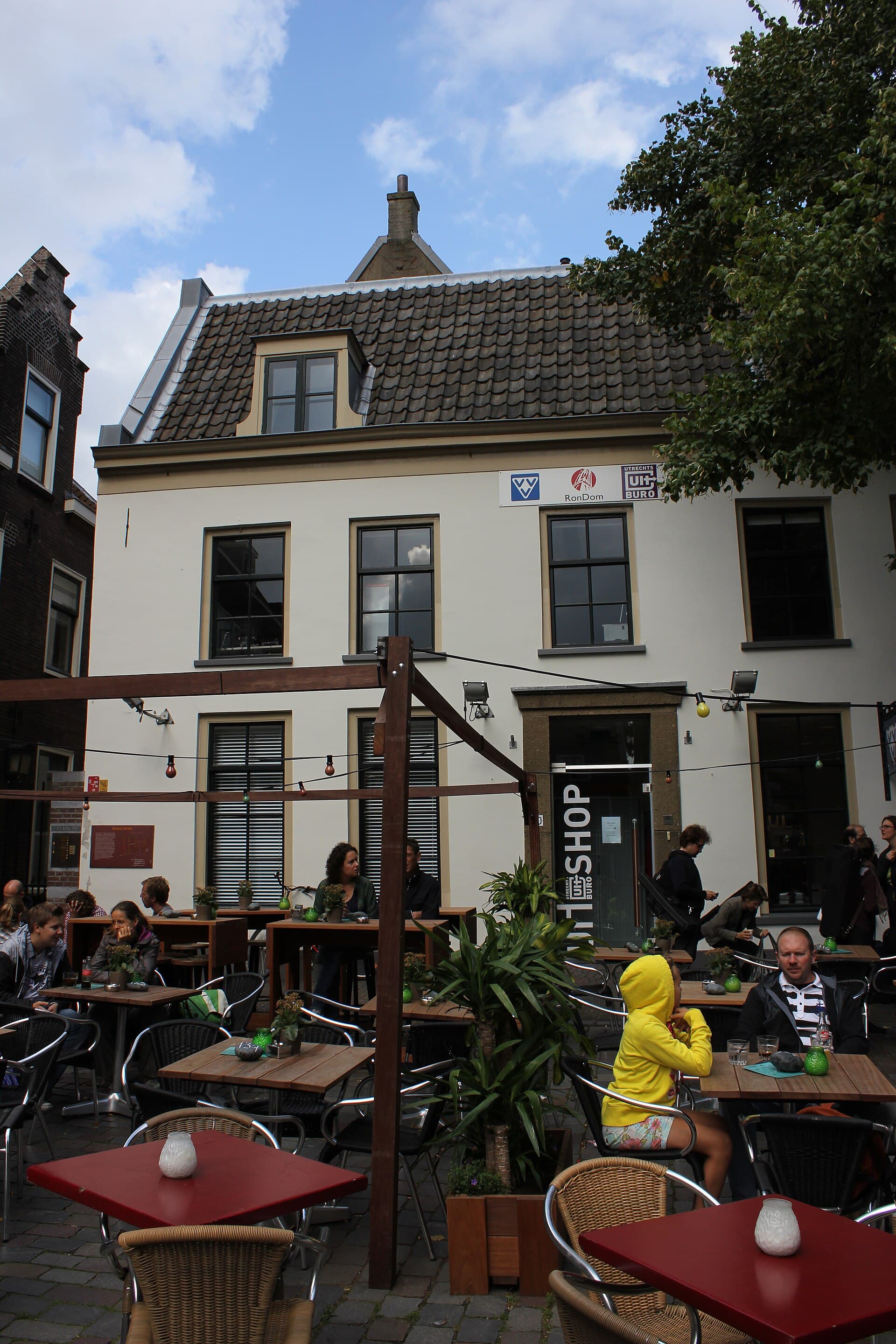 DOMunderDOMunder is an archaeological experience beneath Domplein itself: you descend un2 minutes walk4.2
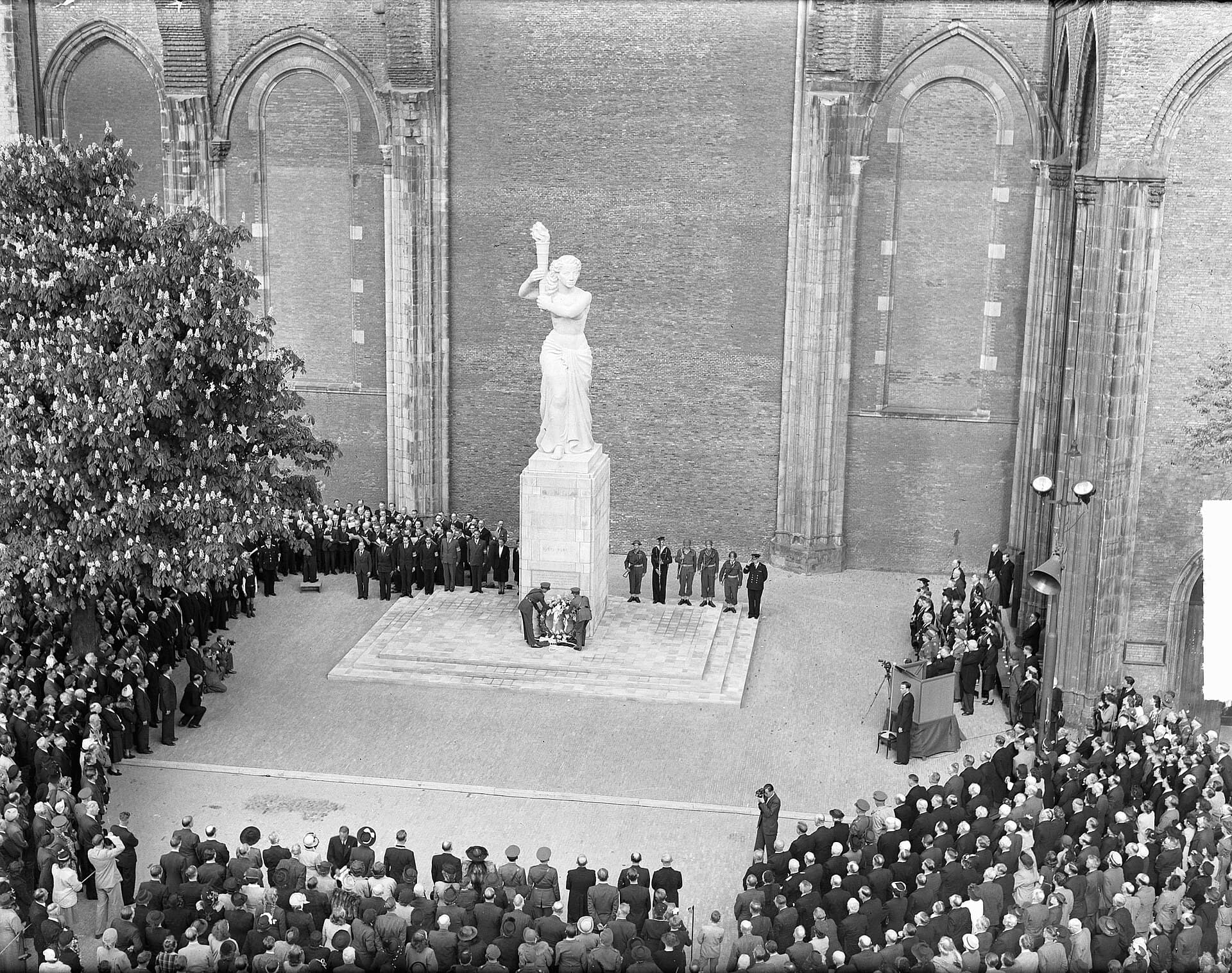 Resistance MonumentA monument to the resistance against Nazi occupation in Utrecht, standing near t3 minutes walk4.6
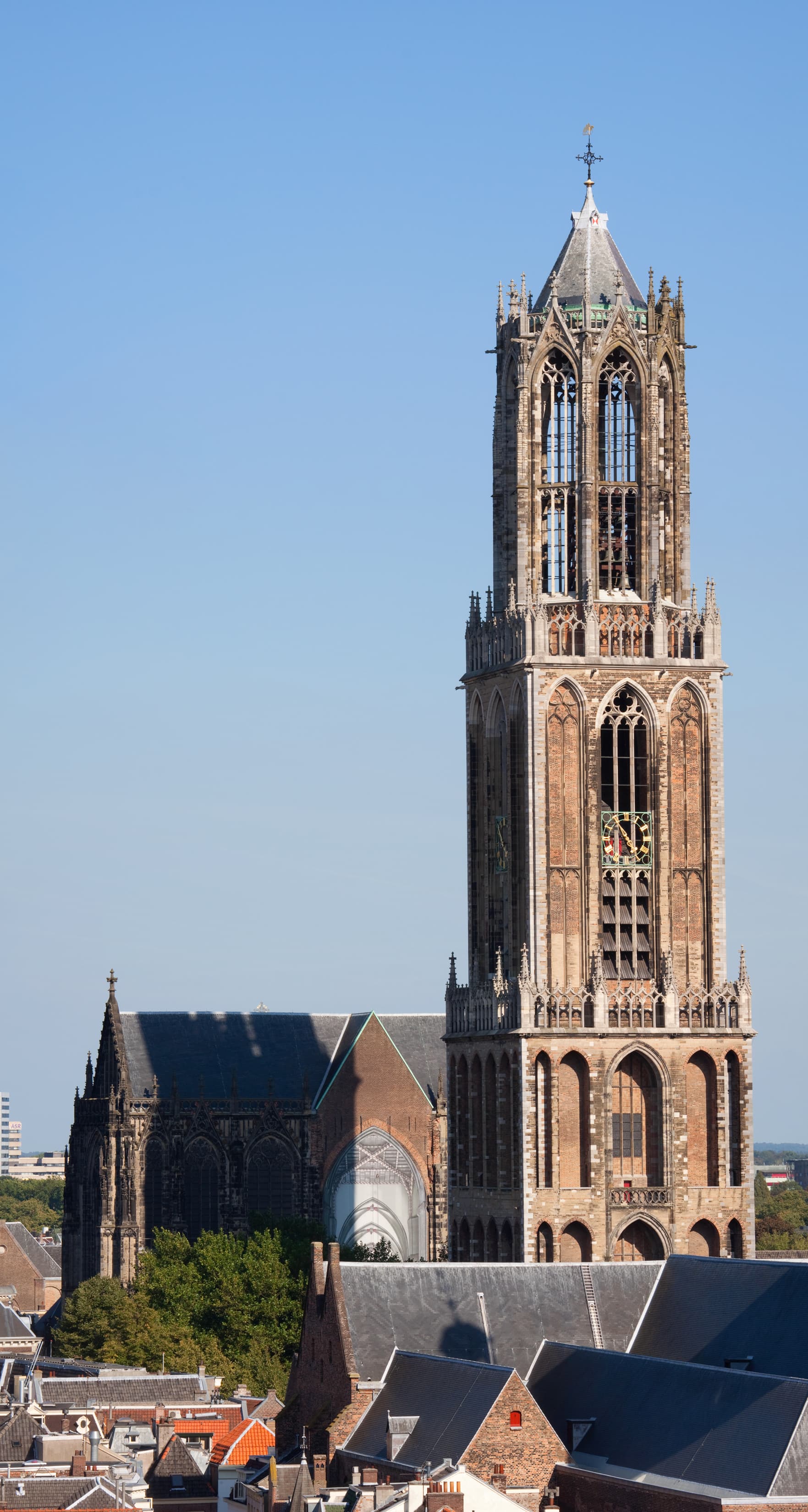 Dom TowerThe Dom Tower is the tallest church tower in the Netherlands (112 metres) and Ut3 minutes walk4.4
A huge mechanical instrument on wheels, driven by a barrel or a punched paper roll, holding dozens of pipes, drums and cymbals. They toured Dutch city streets until the mid-twentieth century with their operators collecting coins from passers-by, and their sound is part of the memory of any Dutch person over sixty. A few dozen still work and appear at events, and most of what survives is kept in museums like this one.
The Dom Tower first: the tallest church tower in the Netherlands at a hundred and twelve metres, climbed on a guided tour. Note that the tower stands separate from the church — the storm that destroyed the nave in 1674 left a gap never filled. Then the two-level canals with their lower wharfs converted into cafés, unique in the Netherlands. And the railway museum to the north is excellent for families.