
The daily market
Spices, olives, Arabic bread and fish.
Johan Jönsson (Julle) — CC BY-SA 4.0 · Jenny Andersson / News Oresund — CC BY 2.0 · Rose Abrams — CC BY 4.0 · Rose Abrams — CC BY 4.0
Möllan, as people in Malmö call it, is an open market square south of the centre, and it is where you see the real Malmö rather than the postcard one. It was laid out in 1902 to serve the working districts around it, and was the heart of the city's labour and trade union movement — at its centre stands the monument Labour, commemorating industrial workers, and among Malmö's best-known sculptures. The market works every day now, and its stock is a picture of the city: fruit and vegetables at prices far below the supermarkets, spices, olives, Arabic bread and fish — sold by traders of Iraqi, Syrian, Turkish, Somali and Balkan origin. Around the square are restaurants, cafés, halal shops and bakeries. **By day it is an excellent family market**; in the evening its bars fill and it becomes a loud nightlife district. Its prices are among the lowest in Sweden.
Spices, olives, Arabic bread and fish.
Commemorating industrial workers at the square's centre.
Möllevångstorget, Malmö
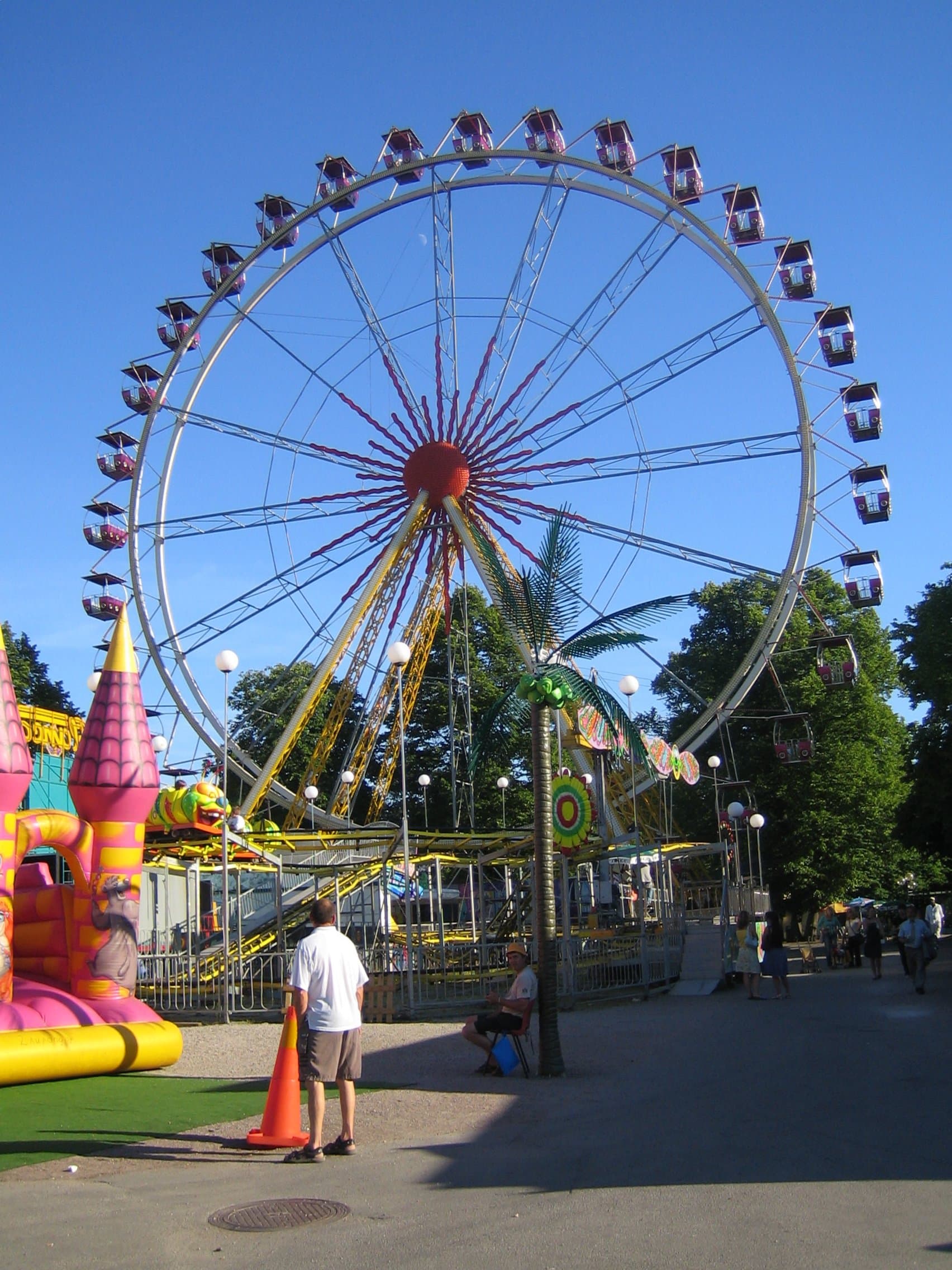 Folkets ParkSweden's oldest people's park, created in the late nineteenth century on the ini5 minutes walk4.3
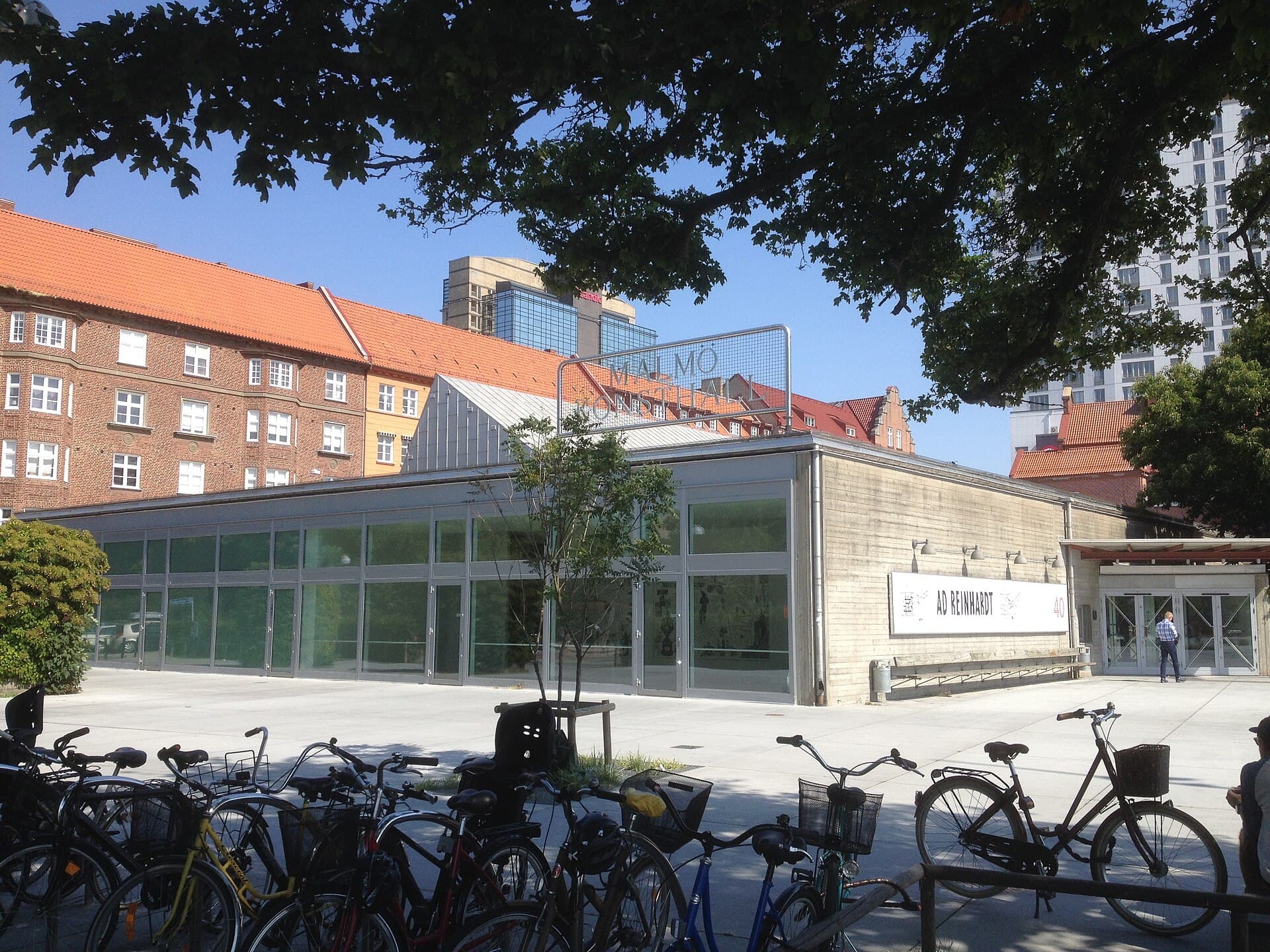 Malmo KonsthallMalmo Konsthall is one of northern Europe's largest contemporary art halls, open9 minutes walk4.3
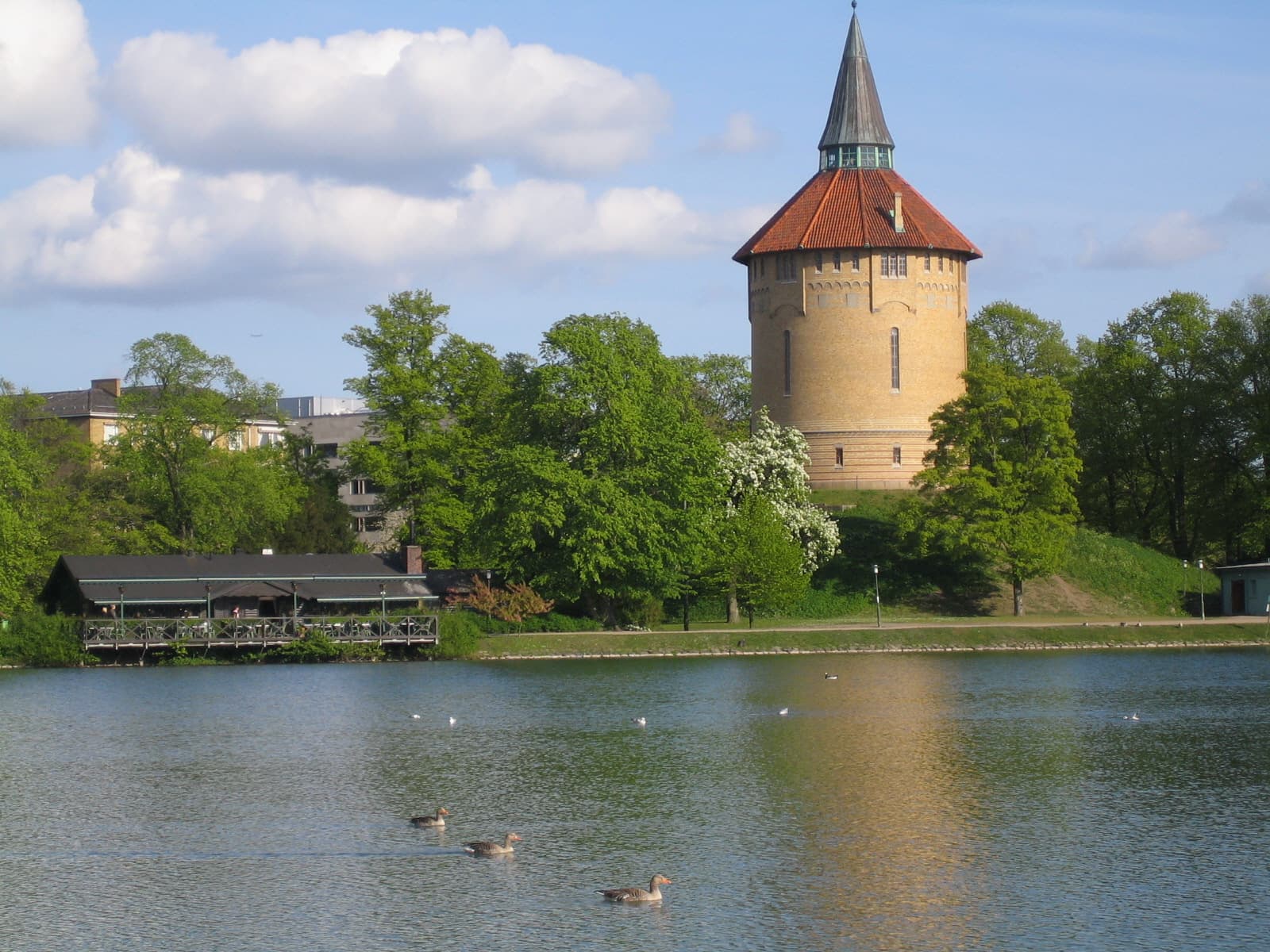 PildammsparkenPildammsparken is Malmo's largest park at close to forty-five hectares, and its 13 minutes walk4.7
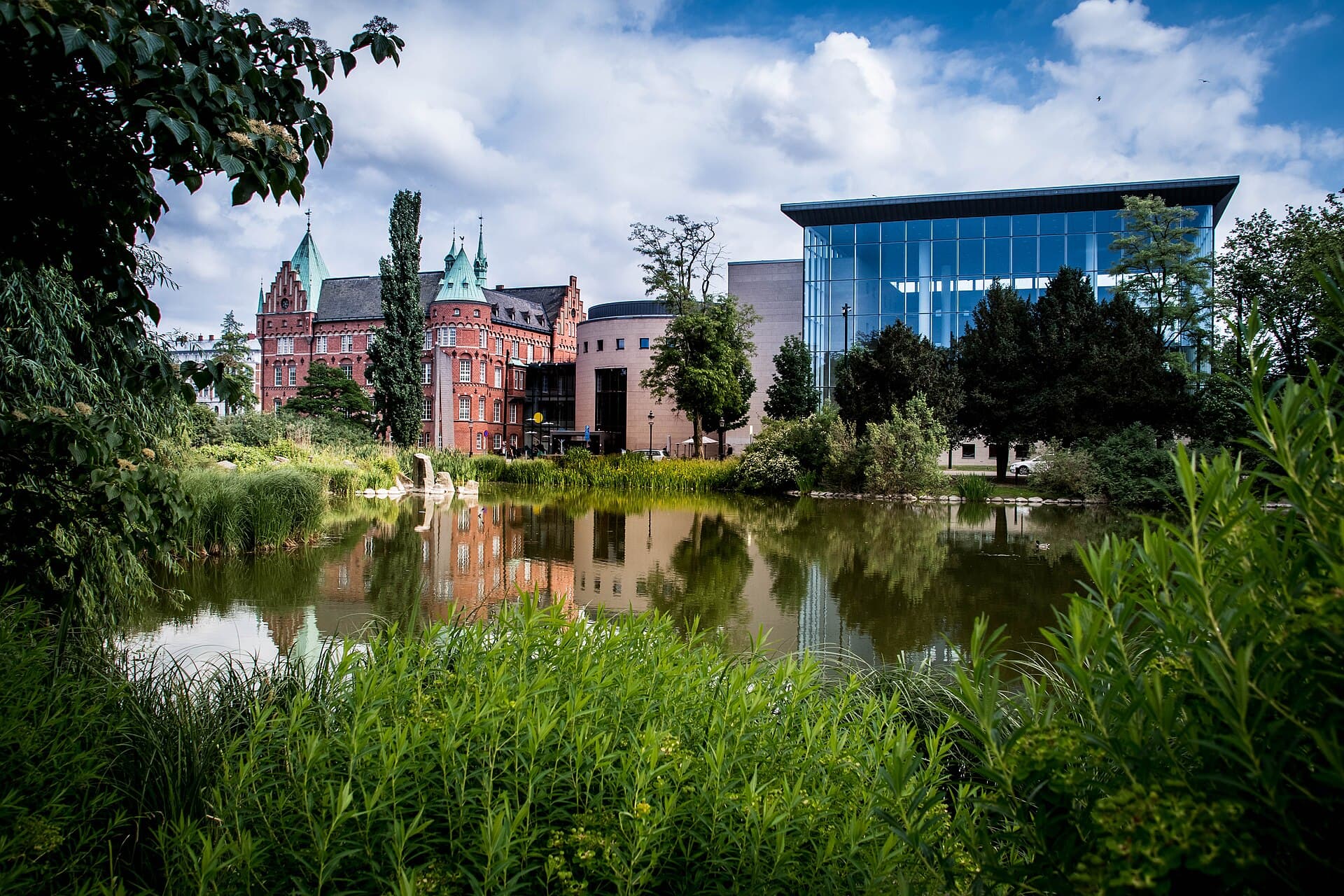 Malmö City LibraryMalmö's library is three buildings in one, and that is the reason to visit: the 16 minutes walk4.8
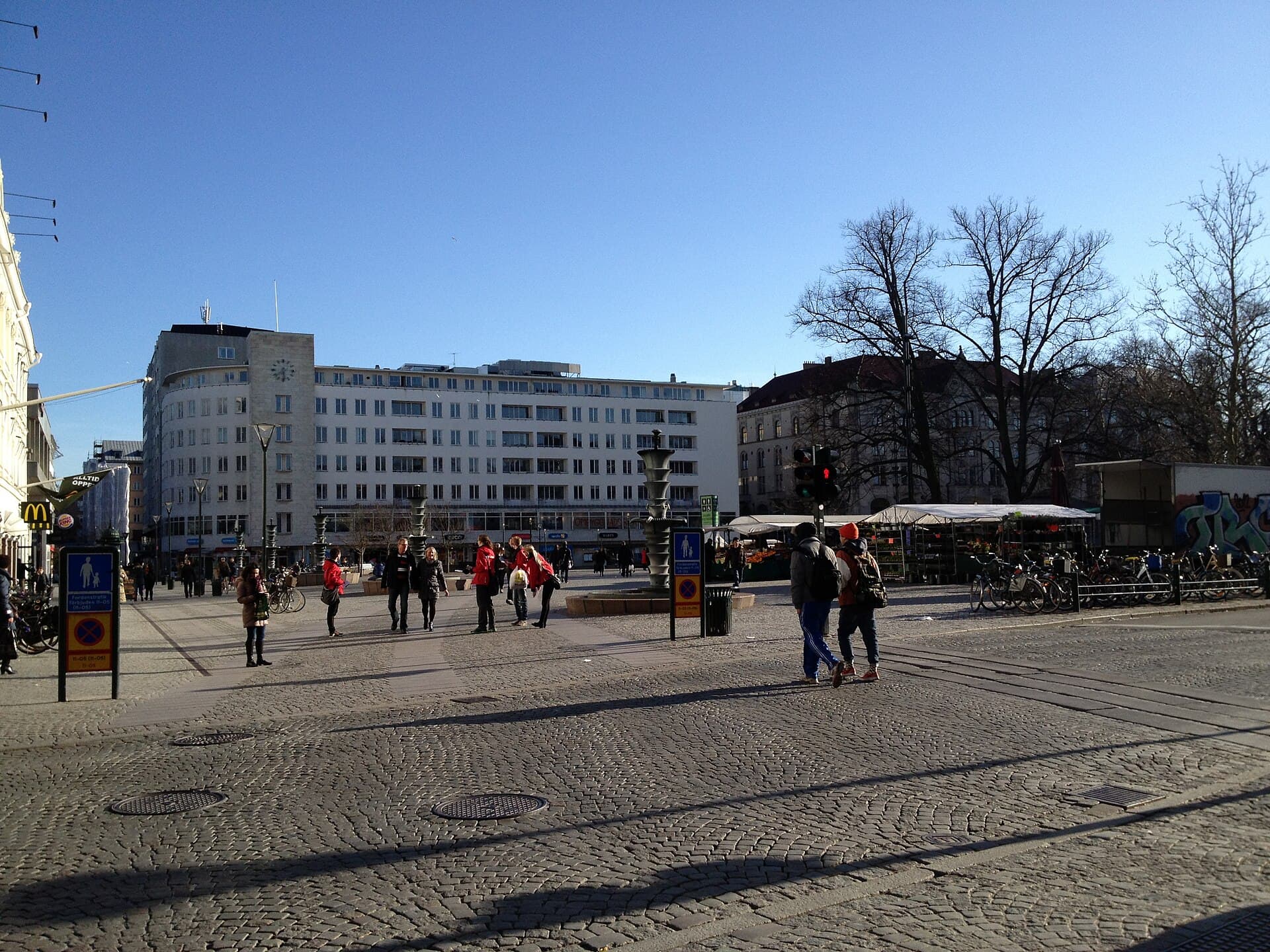 Gustav Adolfs TorgGustav Adolfs Torg is Malmo's great southern square, laid out in the 1840s as pa16 minutes walk4.4
Malmö is the easiest Swedish city for this. **Möllevångstorget** and the streets around it hold dozens of Arab, Turkish, Somali and Afghan restaurants, halal butchers, and bakeries selling fresh Arabic bread. **Rosengård** to the east has more and cheaper. Even in the tourist centre there are options. Prices in these districts are half what an ordinary Swedish restaurant charges. The larger supermarkets carry halal sections. There are mosques, the largest being the Malmö mosque near the centre.