
Old cannons
On the walls.
lienyuan lee — CC BY 3.0 · Unknown — CC BY-SA 3.0 · yeowatzup — CC BY 2.0 · Dinkun Chen — CC BY-SA 4.0 · Dinkun Chen — CC BY-SA 4.0 · LN9267 — CC BY-SA 4.0 · deror_avi — CC BY-SA 3.0 · LN9267 — CC BY-SA 4.0
Macau's historic military heart, a fort built by the Jesuits between 1617 and 1626 on a 52-metre hill right beside the Ruins of St. Paul's; it covers about 8,000 square metres, and its walls are lined with old cannons, once 32 of them. The fort played a decisive part in repelling the Dutch attempt to seize Macau in 1622, then became the residence of the city's first Portuguese governor; it stayed a closed military zone until 1965 and is now a World Heritage site. Inside its walls stands the Macao Museum, opened in 1998, which tells the story of the city where Chinese and Portuguese civilisations met, through trade, crafts, architecture, food and daily life, and the walls look out over the old town and the modern towers. The fort and its gardens are free, while the museum costs about MOP 15, is free on Tuesdays and the 15th of each month, closes on Mondays and opens from 10:00 to 18:00, per visitor guides. An escalator climbs up from beside the ruins.
On the walls.
The city's story.
From the walls.
Mount Hill east of the Ruins of St. Paul's, Santo António, Macau
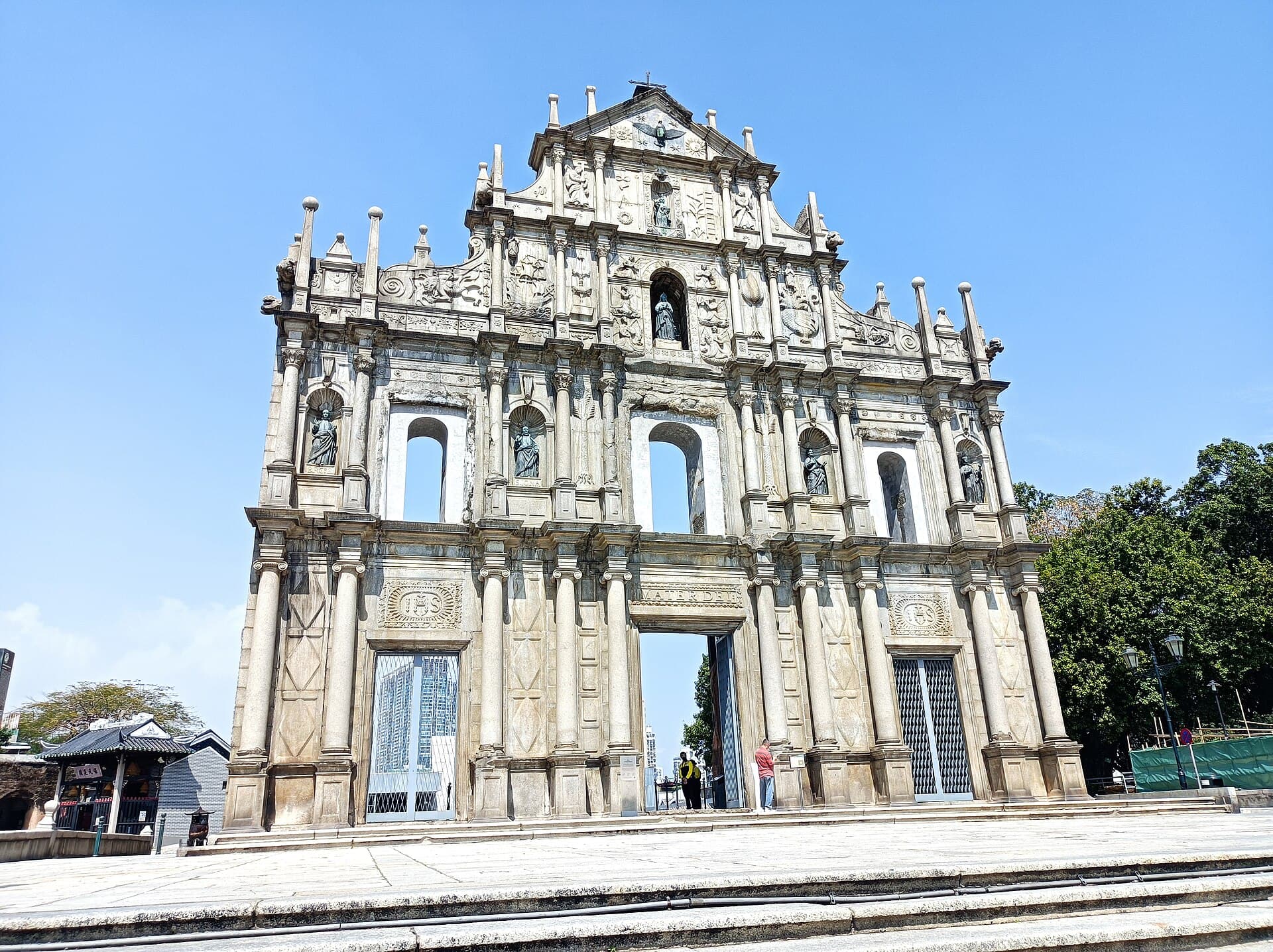 Ruins of St. Paul'sMacau's best-known symbol, a towering stone façade standing alone at the top of 2 minutes walk
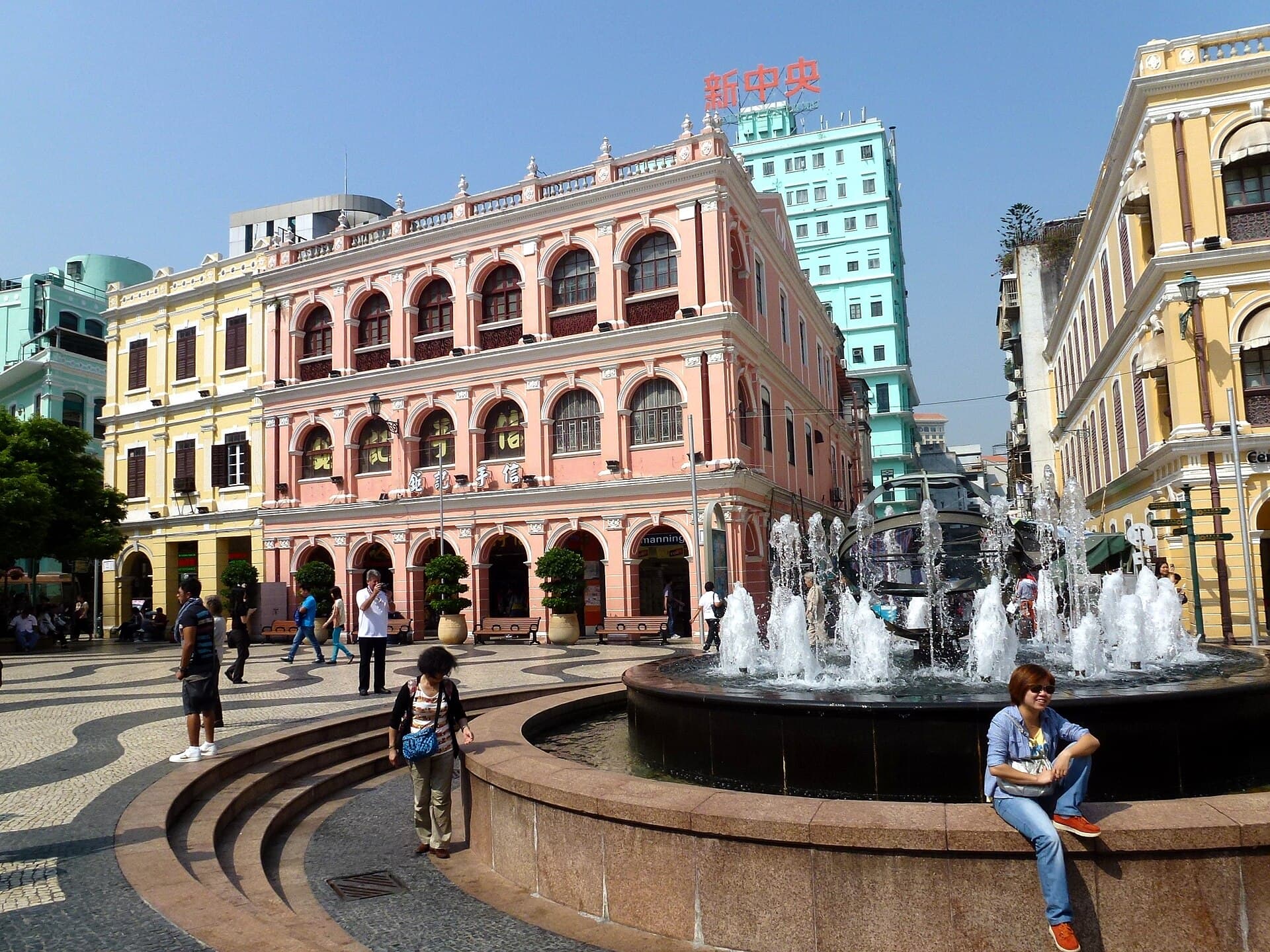 Senado SquareThe heart of old Macau, a triangular square of about 3,700 square metres named a5 minutes walk
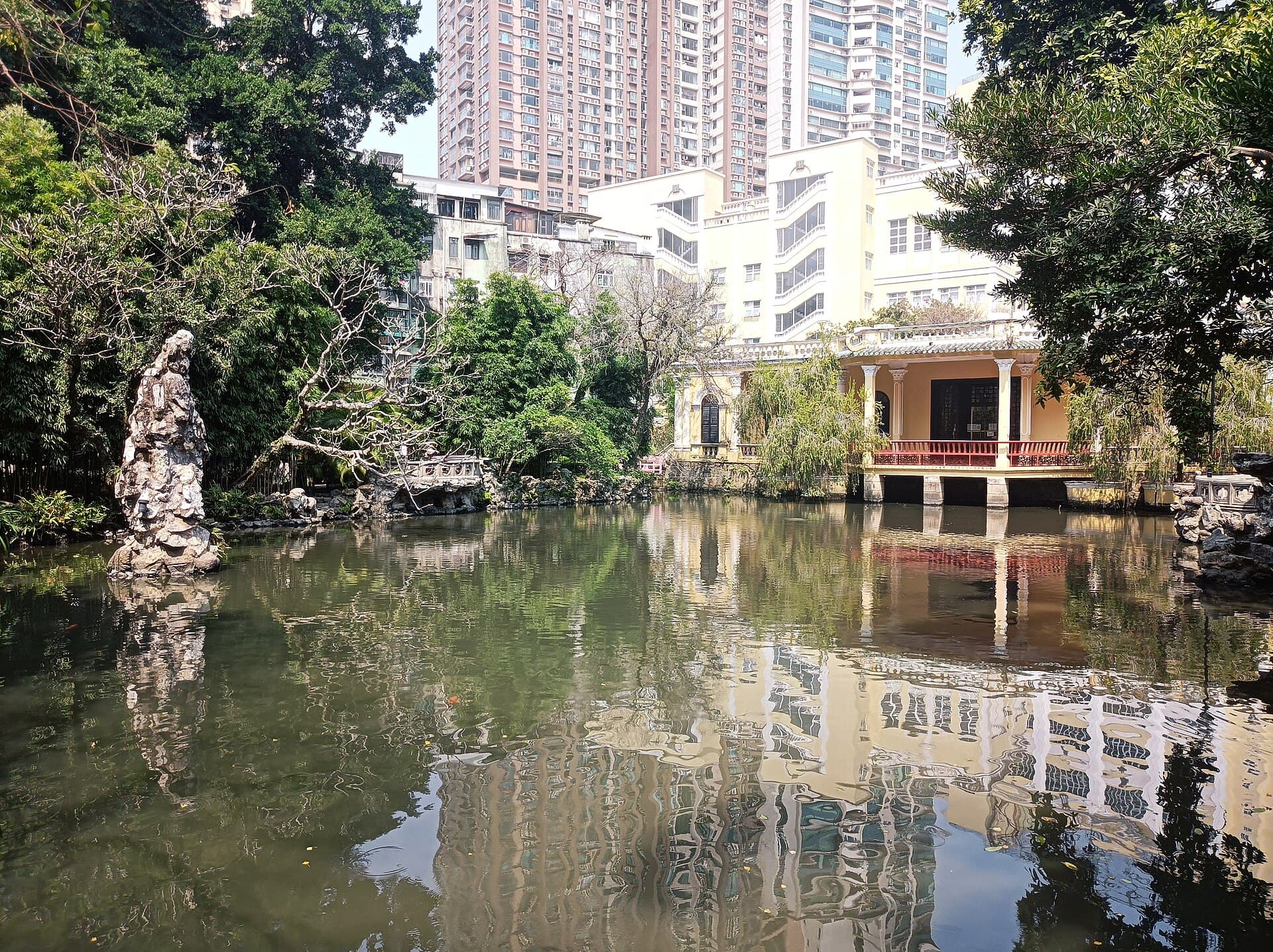 Lou Lim Ioc GardenA quiet classical Chinese garden in the heart of Macau, laid out in 1906 by the 8 minutes walk
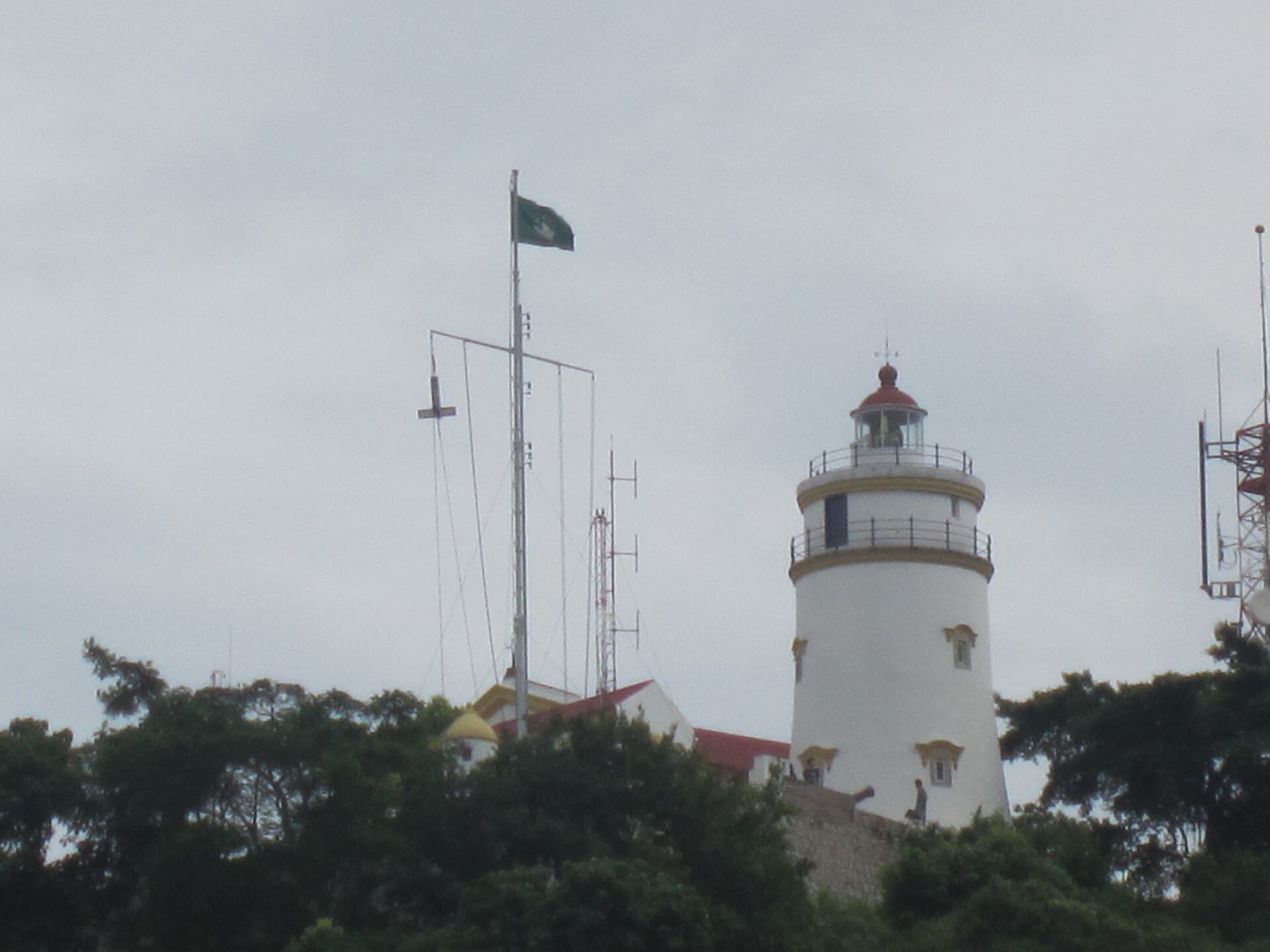 Guia Fortress and LighthouseA fort, lighthouse and small chapel on Guia Hill, the highest point of the Macau10 minutes walk
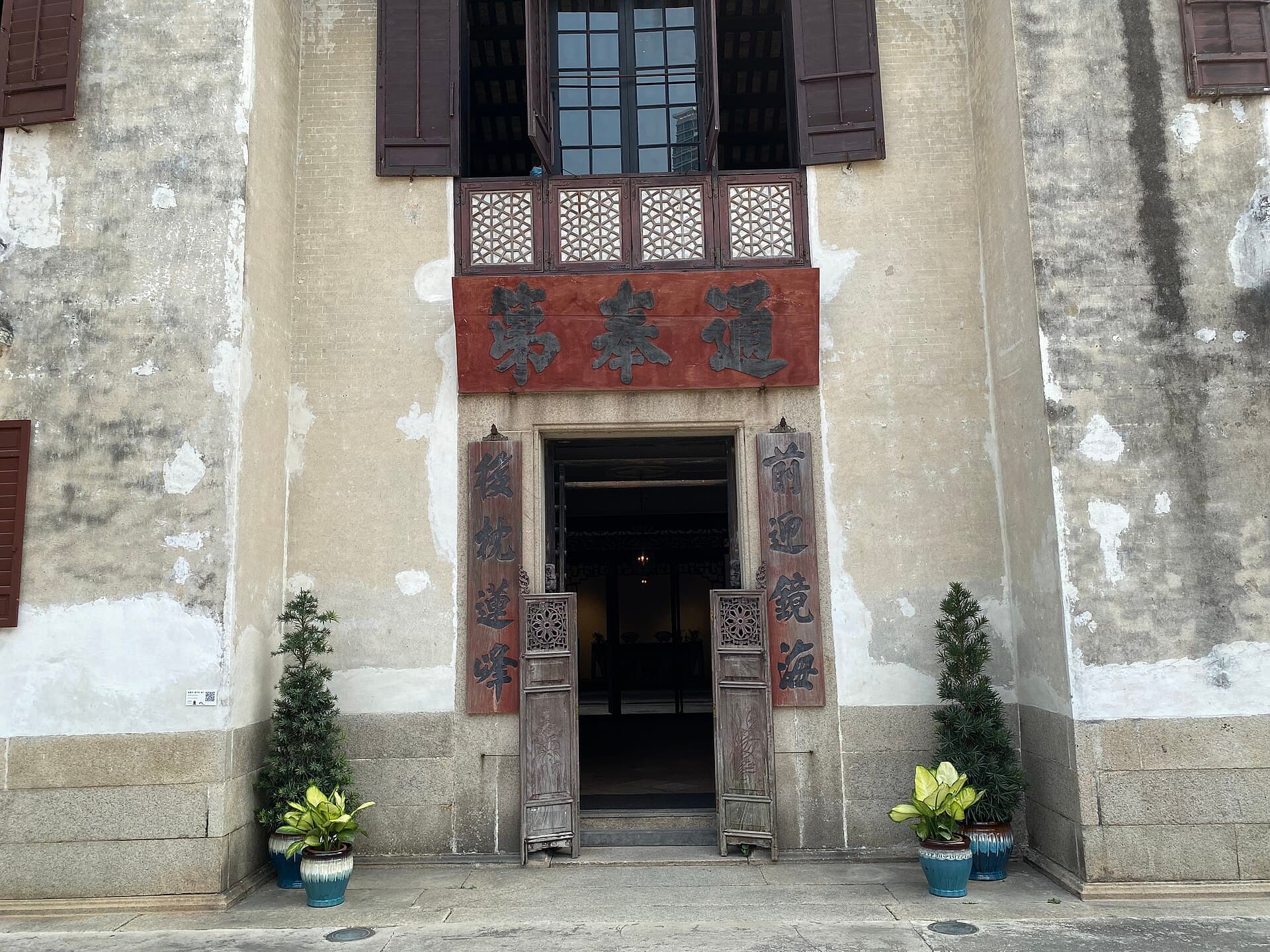 Mandarin's HouseOne of the largest family houses in Macau, a traditional residential compound of15 minutes walk
About MOP 15, free on Tuesdays and the 15th of each month, and the museum closes on Mondays; the fort itself is free, per visitor guides.