
Stone façade
All that survives.
K.Y.K.Z.K. — CC BY-SA 4.0 · Bahnfrend — CC BY-SA 4.0 · lienyuan lee — CC BY 3.0 · Yumeto — CC BY-SA 4.0 · lienyuan lee — CC BY 3.0 · KTo288 — CC BY-SA 3.0 · gdczjkk — CC BY 3.0 · Sdee at Chinese Wikipedia — Public domain
Macau's best-known symbol, a towering stone façade standing alone at the top of 68 steps; it is all that remains of the Church of Mater Dei and St. Paul's College, built by the Jesuits between 1602 and 1640, when the church was one of the largest Catholic churches in Asia. On 26 January 1835 a fire broke out during a typhoon and consumed the whole church except its stone front; today it is part of the Historic Centre of Macau, a UNESCO World Heritage Site since 2005, and in 2010 it was named one of the Seven Wonders of Portuguese Origin in the World. The carvings on the façade mix European and Asian motifs, including a Portuguese ship, Chinese inscriptions and chrysanthemums, as Japanese and Chinese craftsmen worked on it, and behind it a short path leads to a crypt and a small museum. The site is free and always open, per visitor guides. It is very crowded by day, so come early in the morning or in the evening when the façade is lit; the street climbing to it is lined with almond-biscuit and dried-meat shops, most of the meat being pork.
All that survives.
68 of them.
European and Asian.
Santo António, old central Macau
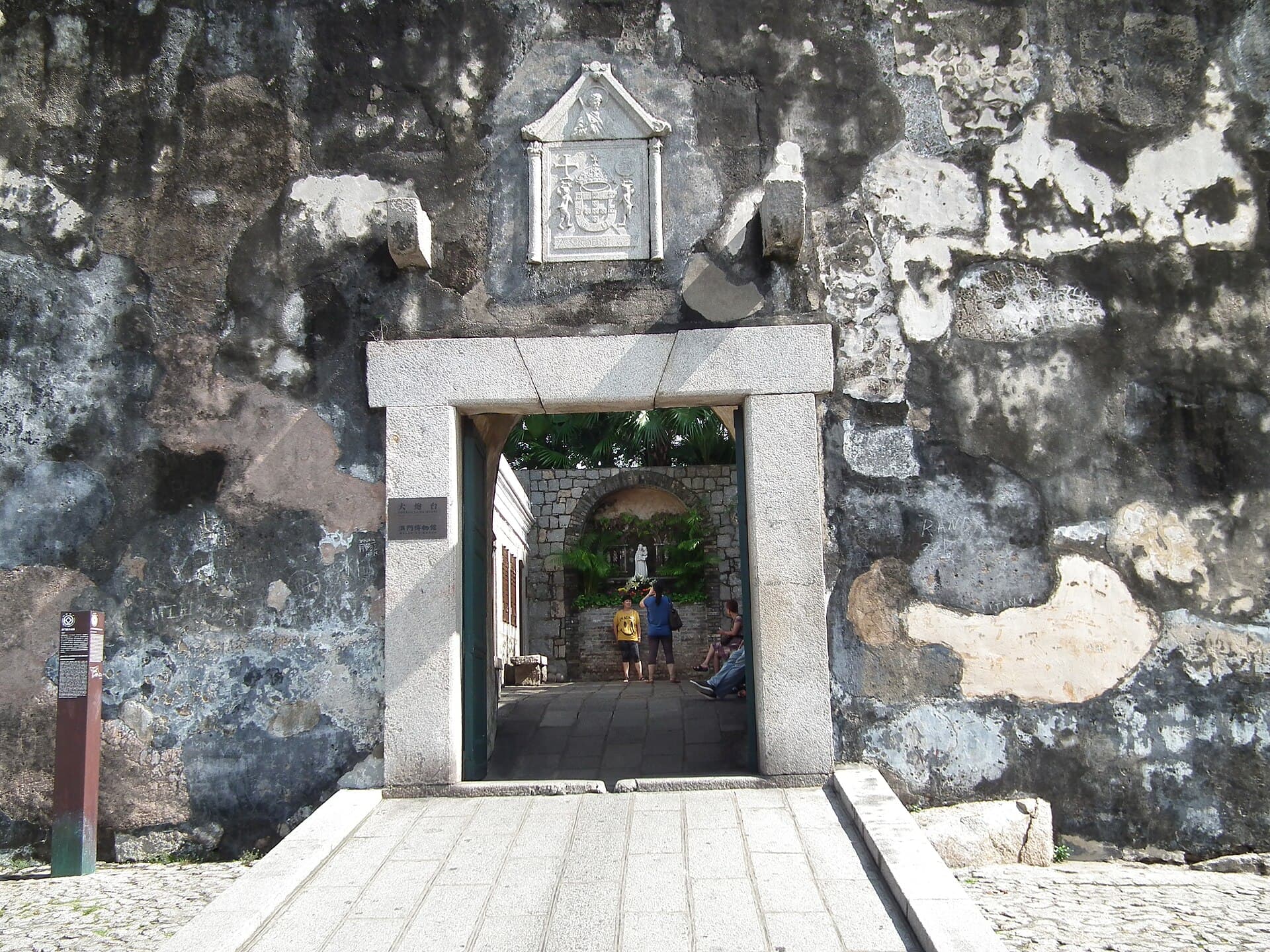 Monte Fort and Macao MuseumMacau's historic military heart, a fort built by the Jesuits between 1617 and 162 minutes walk
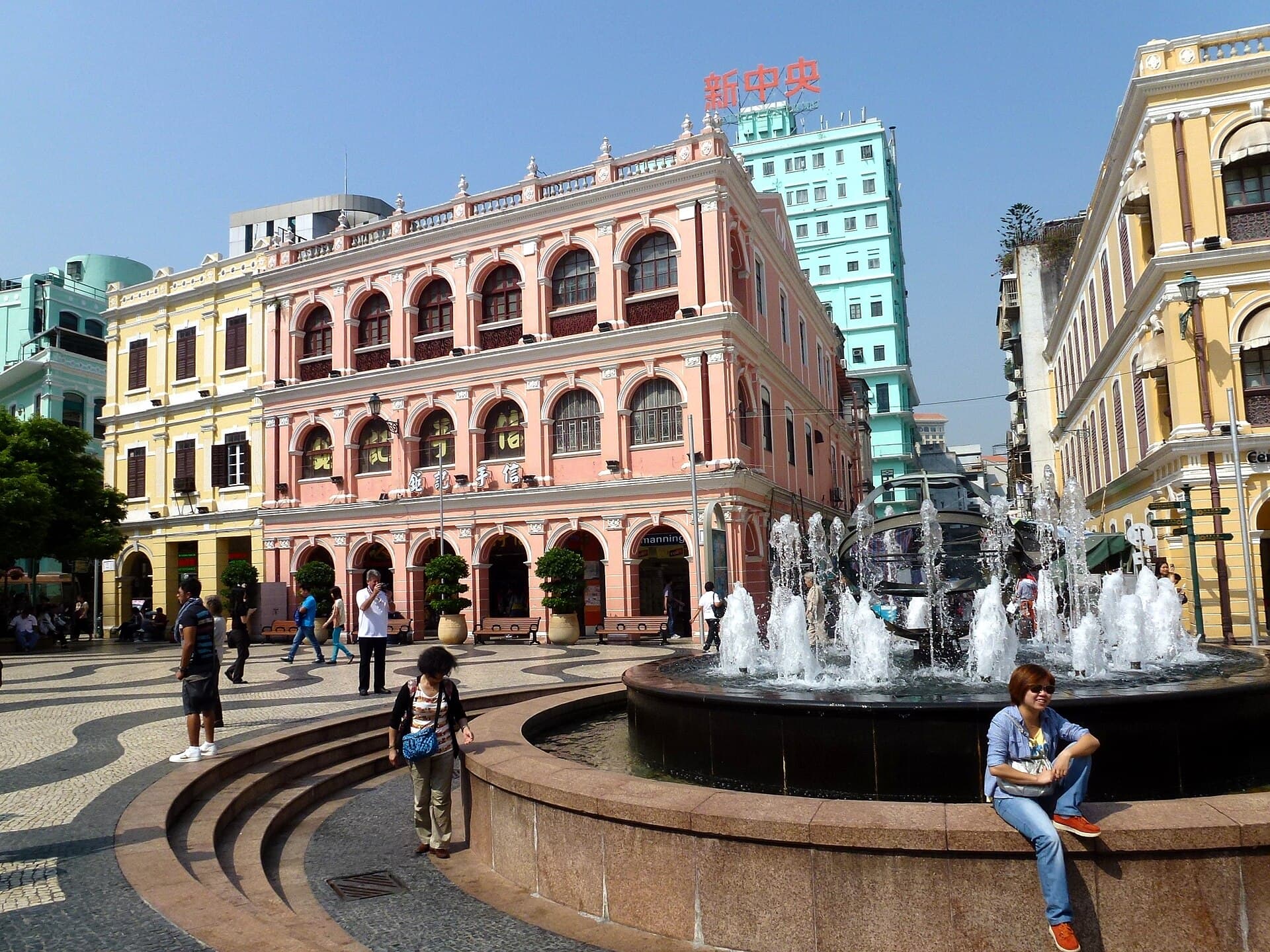 Senado SquareThe heart of old Macau, a triangular square of about 3,700 square metres named a5 minutes walk
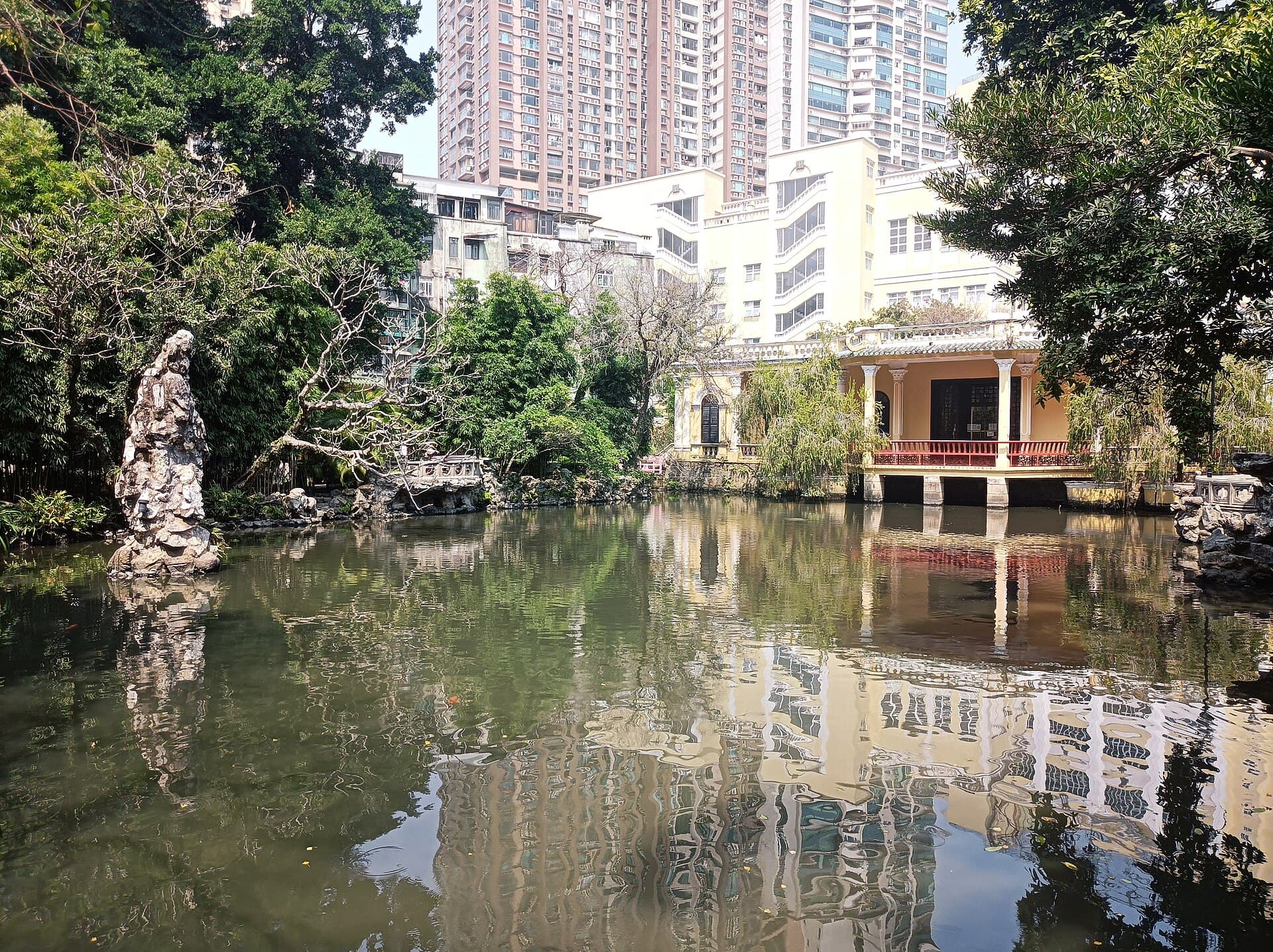 Lou Lim Ioc GardenA quiet classical Chinese garden in the heart of Macau, laid out in 1906 by the 10 minutes walk
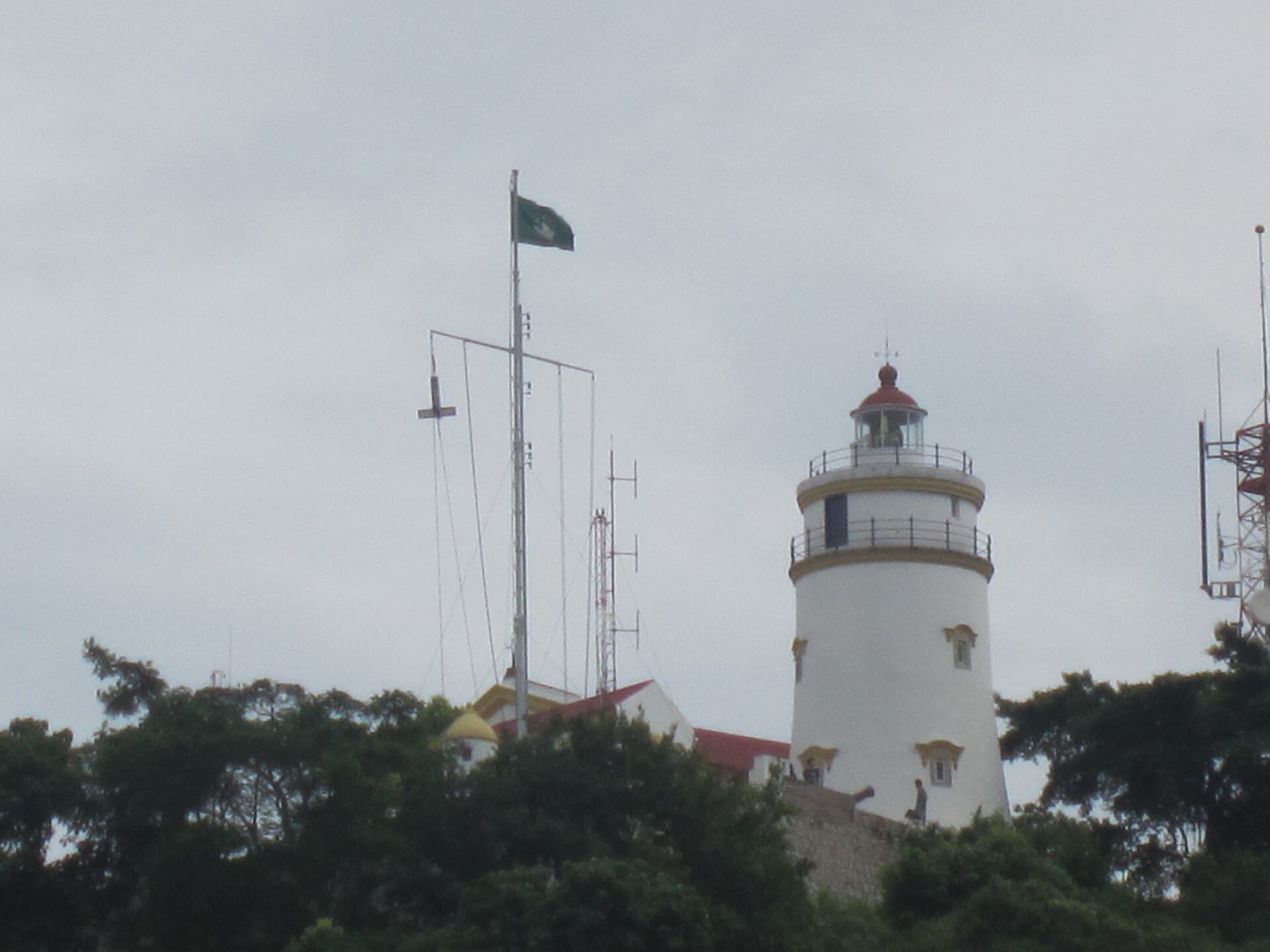 Guia Fortress and LighthouseA fort, lighthouse and small chapel on Guia Hill, the highest point of the Macau12 minutes walk
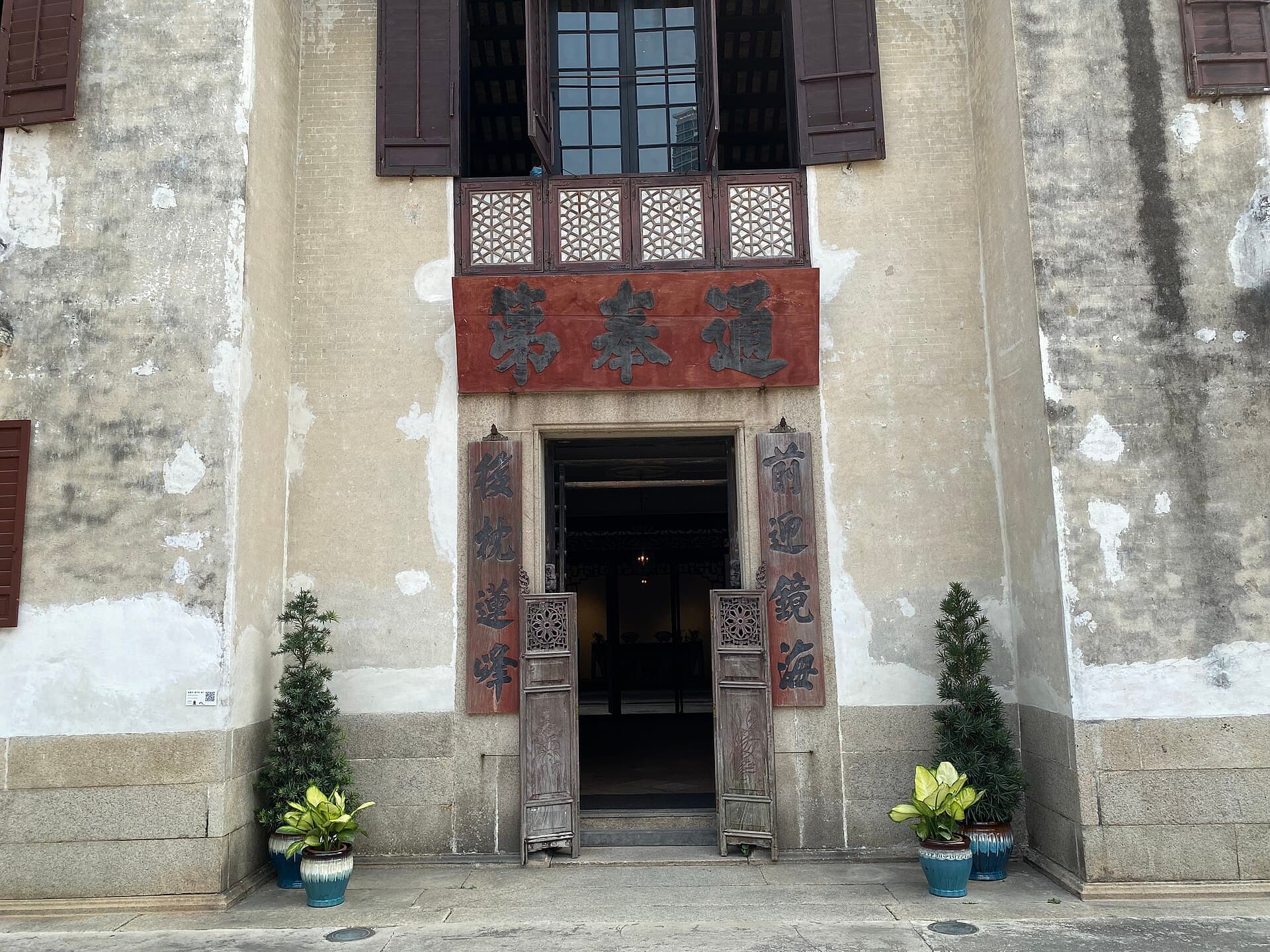 Mandarin's HouseOne of the largest family houses in Macau, a traditional residential compound of15 minutes walk
Yes, the façade, the steps and the crypt behind are free, and the best times are early morning or evening when the façade is lit, per visitor guides.