
The security check was omitted
The agent left it out deliberately as a warning — London did not act.
OSeveno — CC BY-SA 4.0 · KorpscommandoHSSK — CC BY-SA 4.0 · Szilas — CC BY 4.0 · Rob Bogaerts / Anefo — CC0
A memorial in Scheveningen to fifty-four Dutch agents parachuted into occupied Holland during the Second World War who dropped straight into the hands of German intelligence. The story is among the worst intelligence failures of the war. The Germans captured a British-run radio operator in 1942 and forced him to keep transmitting to London. Agents are trained to include an agreed security check in every message — a deliberate misspelling or a set symbol — which is omitted on purpose if the sender is under duress. The check was omitted. London did not act on it, and went on sending more agents to coordinates the Germans controlled, again and again, for close to two years. Most of those who landed were executed. The monument carries their names. This is not only a story of tragedy but a specific lesson in design: the security system worked, and the failure was that the receiving end was not obliged to act when it was missing. A warning mechanism nobody is responsible for answering is not a mechanism. Practical points: a monument in a public space, always open and free, with a visit of minutes. Read the plaque — the names are the work.
The agent left it out deliberately as a warning — London did not act.
Transmissions and drops continued to coordinates the enemy controlled.
A warning nobody is obliged to answer is not a warning.
Scheveningen, The Hague
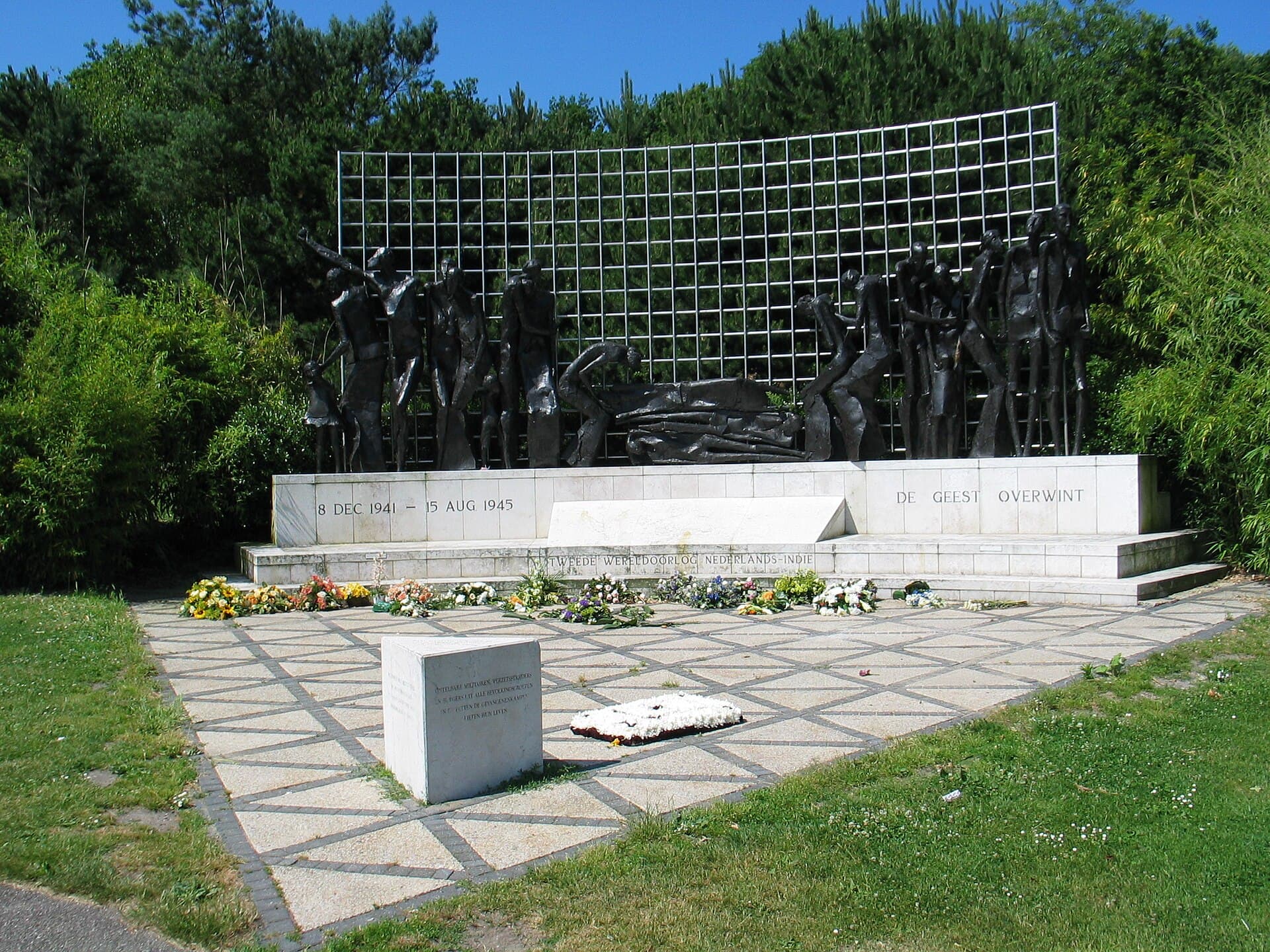 The Indies MonumentA memorial in The Hague to the victims of the Japanese occupation of the Dutch E4 minutes walk4.6
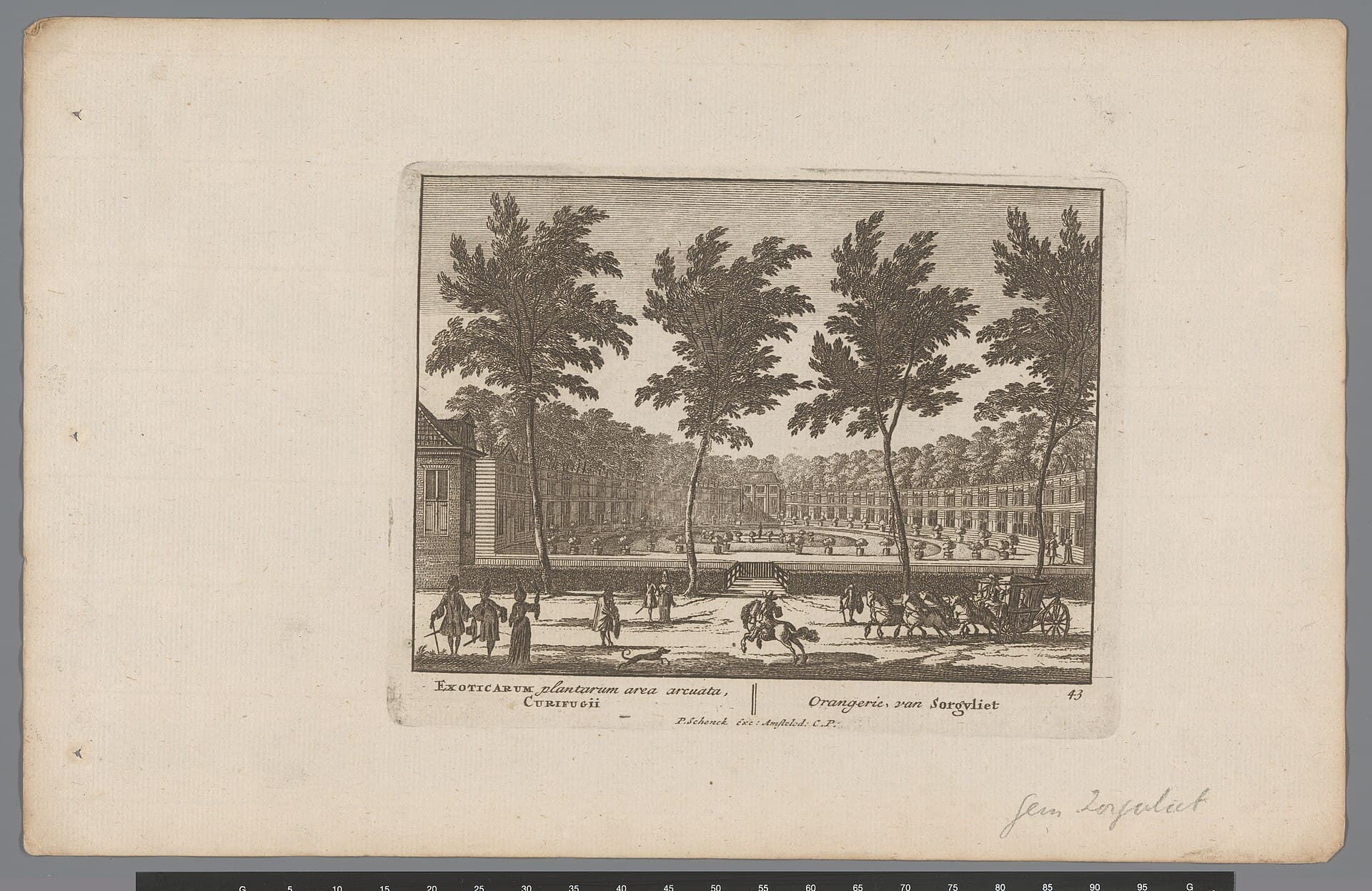 Park SorghvlietSorghvliet is a historic park between central The Hague and Scheveningen, and am8 minutes walk4.5
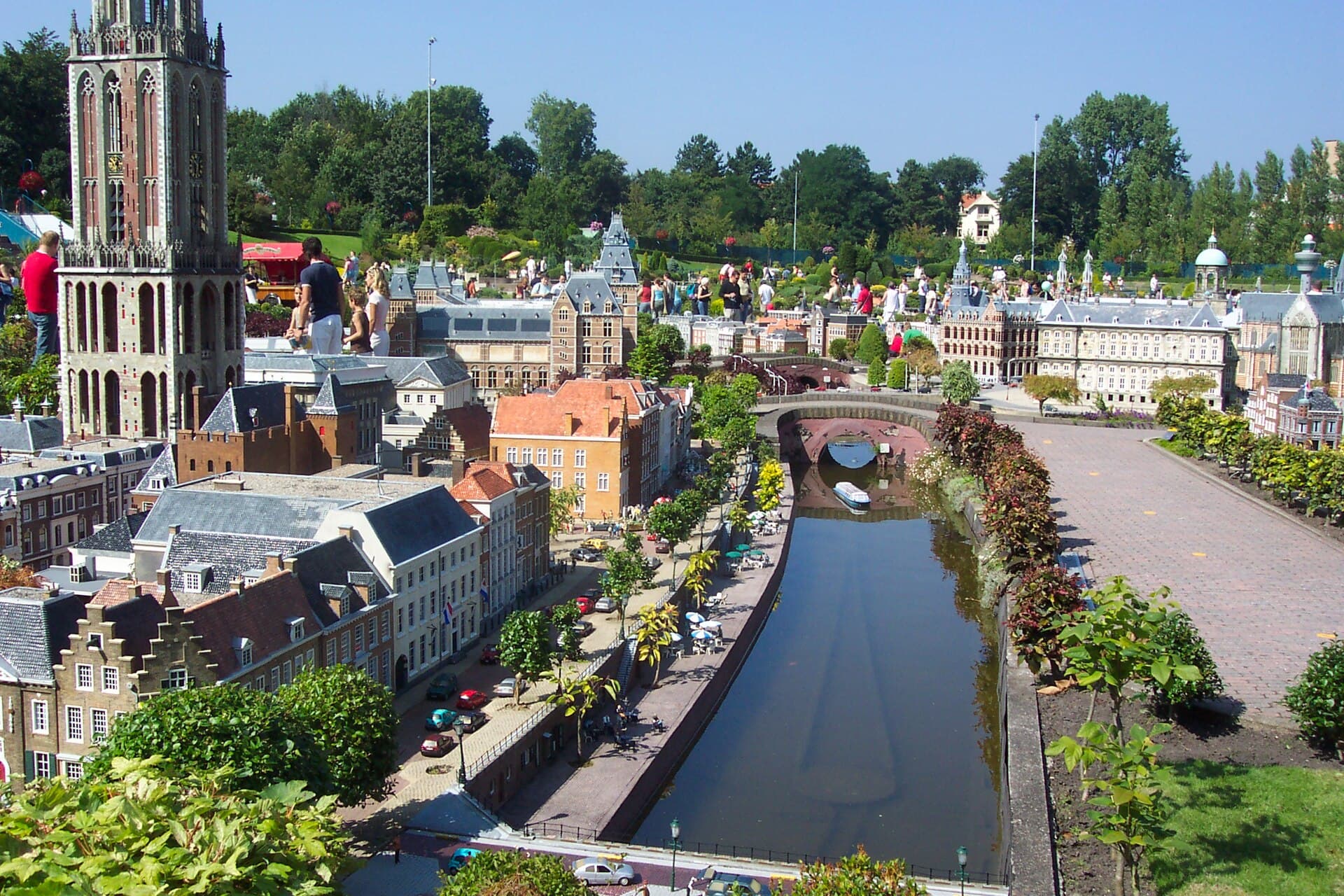 MadurodamAll Holland in a walking hour: Madurodam is an open-sky 1:25 city since 1952 — A8 minutes walk4.4
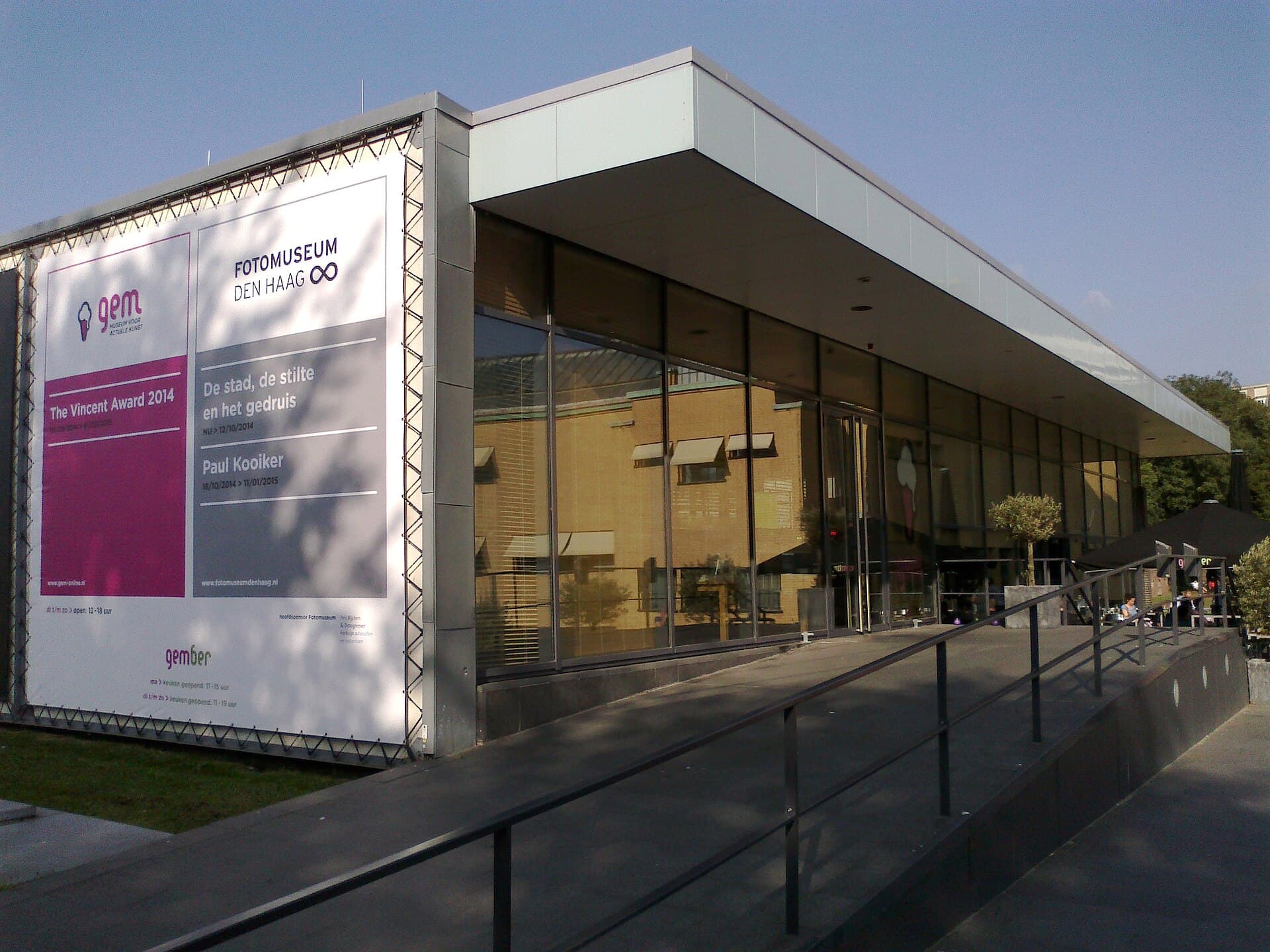 Fotomuseum Den HaagThe Fotomuseum Den Haag is part of the Kunstmuseum complex — the building design13 minutes walk4.4
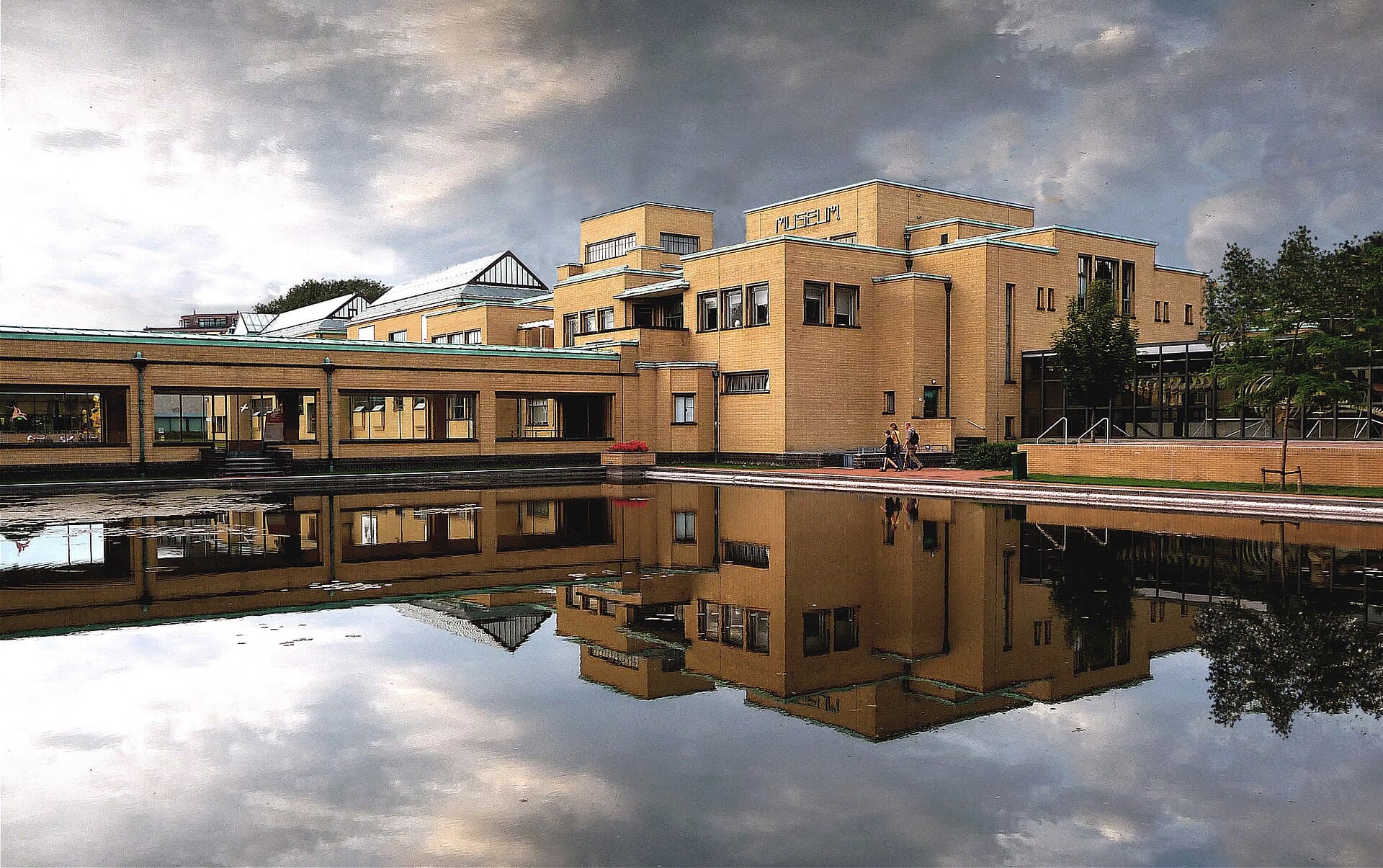 Kunstmuseum Den HaagEarth's largest Mondrian holding — three hundred works closing with Victory Boog14 minutes walk4.5
It is German for the England Game, the name German intelligence gave the operation. The idea was that they played the role of the Dutch resistance network to London: receiving agents, weapons and money, replying with messages that looked authentic, and directing drops to where they were waiting. It was uncovered when two agents escaped captivity in 1943 and reached England — and were not believed at first.
The Resistance Museum in Amsterdam is the fullest account. In The Hague itself, the Oranjehotel prison in Scheveningen held resistance members and many were executed in the dunes nearby; it operates as a museum today. Together the two give the whole picture.