
Standing, not kneeling
A deliberate choice: the memorial is for survivors as much as the dead.
H. de Vegt at nl.wikipedia — CC BY-SA 3.0 · Minister-president Rutte from Nederland (+31) — CC BY 2.0 · Benzita Abdelhadi — CC BY-SA 4.0 · Stichting Herdenking 15 Augustus 1945 — CC BY 2.0
A memorial in The Hague to the victims of the Japanese occupation of the Dutch East Indies — today's Indonesia — between 1942 and 1945. It was unveiled in 1988. The work is a group of bronze figures standing together, backed by a wall carrying the emblems of the islands. The choice to have them standing rather than kneeling is deliberate: the monument is for the survivors as much as for the dead. What distinguishes this memorial is how late it came — more than forty years after. The Dutch who lived through the Japanese occupation in Asia, including tens of thousands held in camps, returned to a country preoccupied with its own European memory and with no room for their account. Many of them also returned to the loss of the homeland they had been born in, after Indonesian independence in 1949. That chapter stayed silent in Dutch memory for decades, and the monument is a late acknowledgement of it. Annual commemorations are held here on the fifteenth of August.
A deliberate choice: the memorial is for survivors as much as the dead.
A chapter that stayed silent in the Netherlands for decades.
Many returned also to the loss of the homeland they were born in.
A park near Scheveningen, The Hague
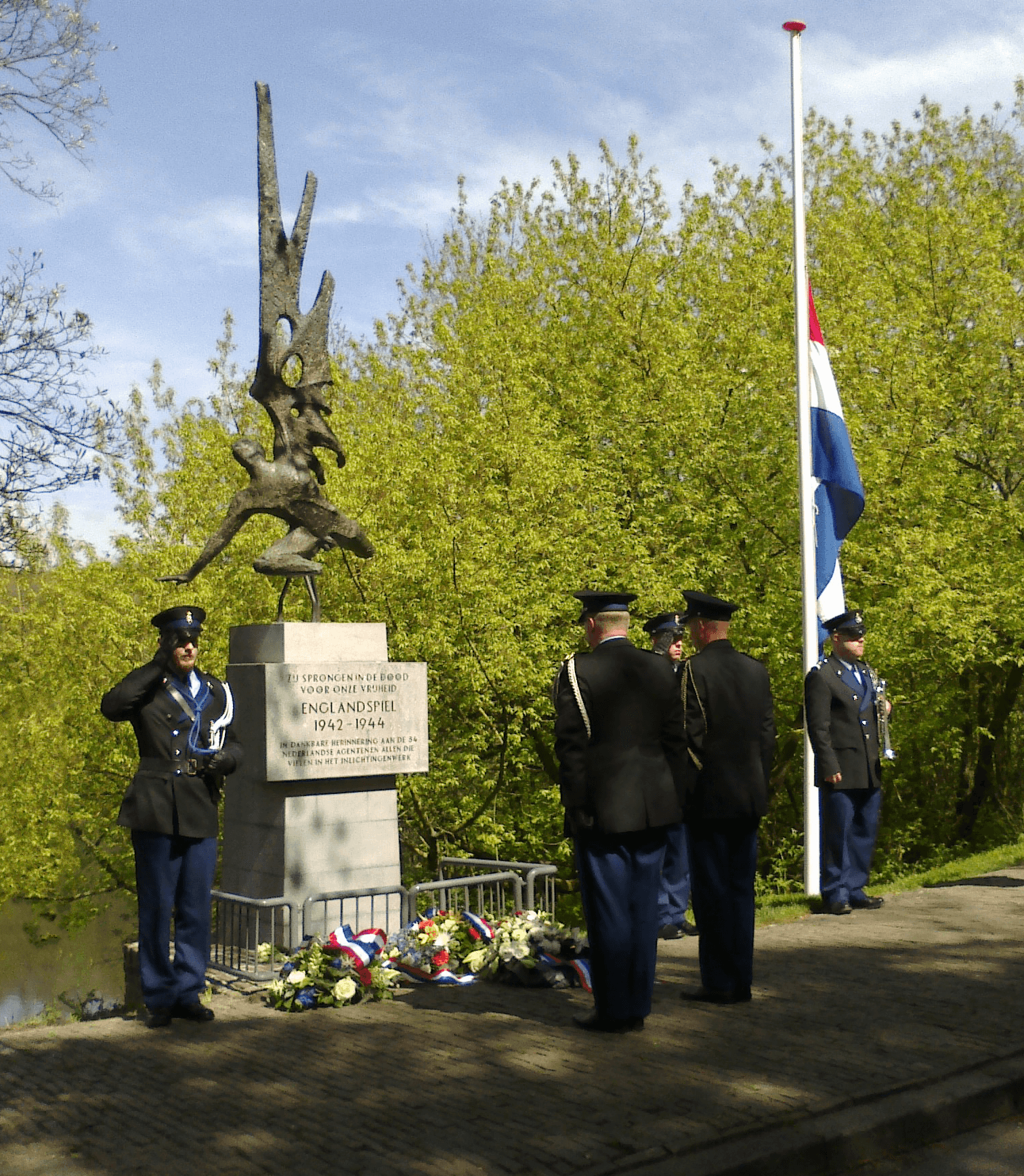 The Englandspiel MonumentA memorial in Scheveningen to fifty-four Dutch agents parachuted into occupied H4 minutes walk4.6
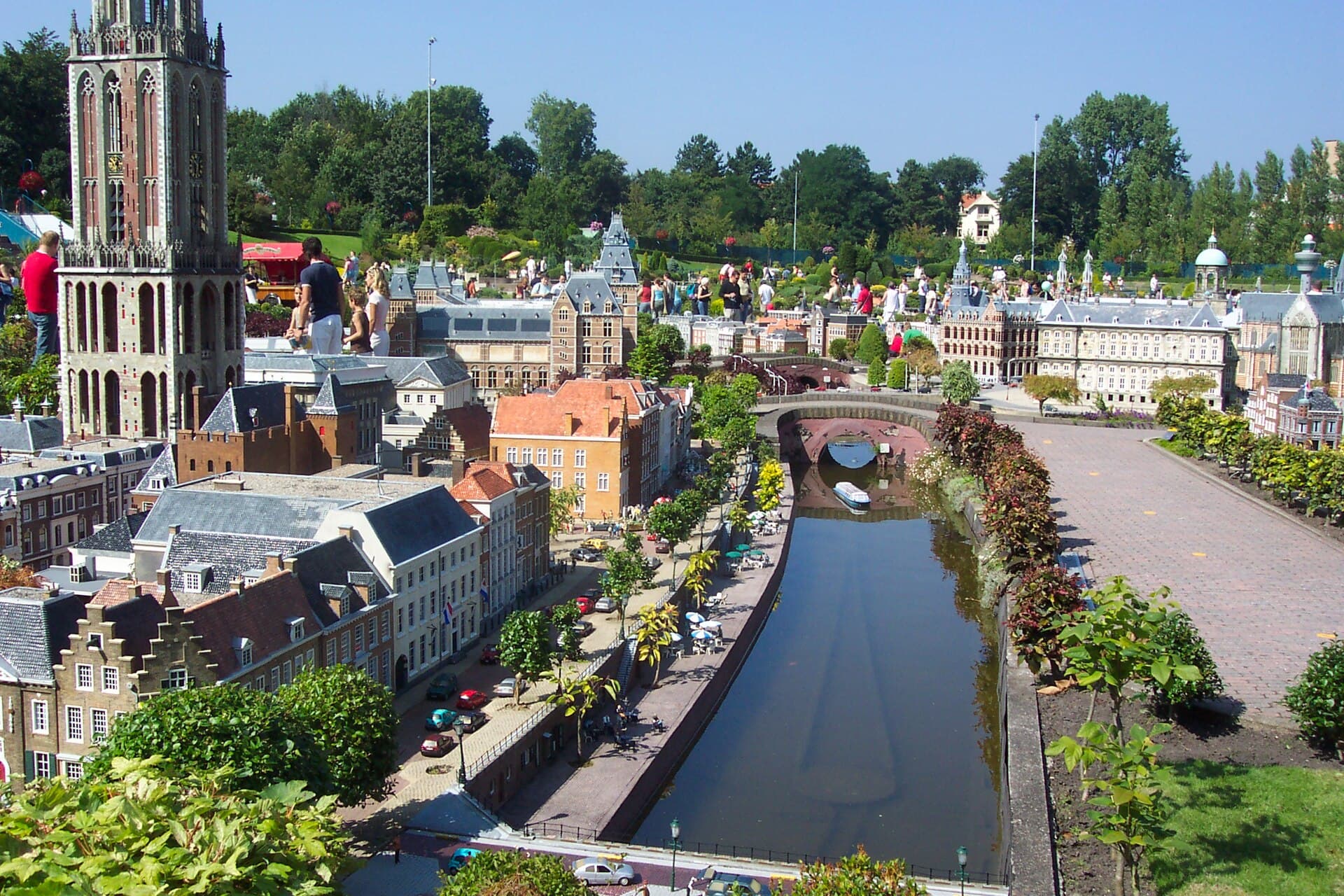 MadurodamAll Holland in a walking hour: Madurodam is an open-sky 1:25 city since 1952 — A5 minutes walk4.4
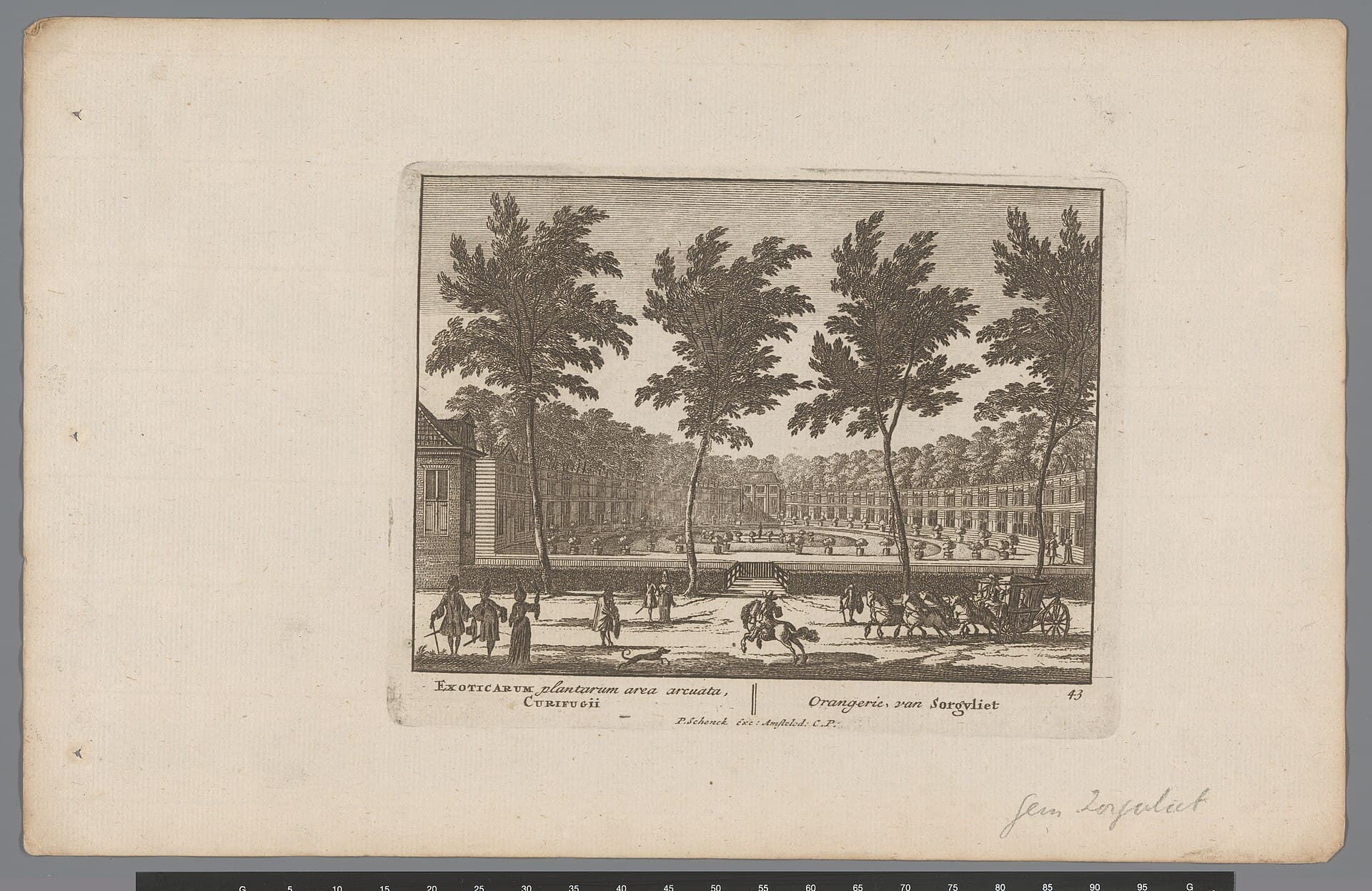 Park SorghvlietSorghvliet is a historic park between central The Hague and Scheveningen, and am7 minutes walk4.5
 Fotomuseum Den HaagThe Fotomuseum Den Haag is part of the Kunstmuseum complex — the building design14 minutes walk4.4
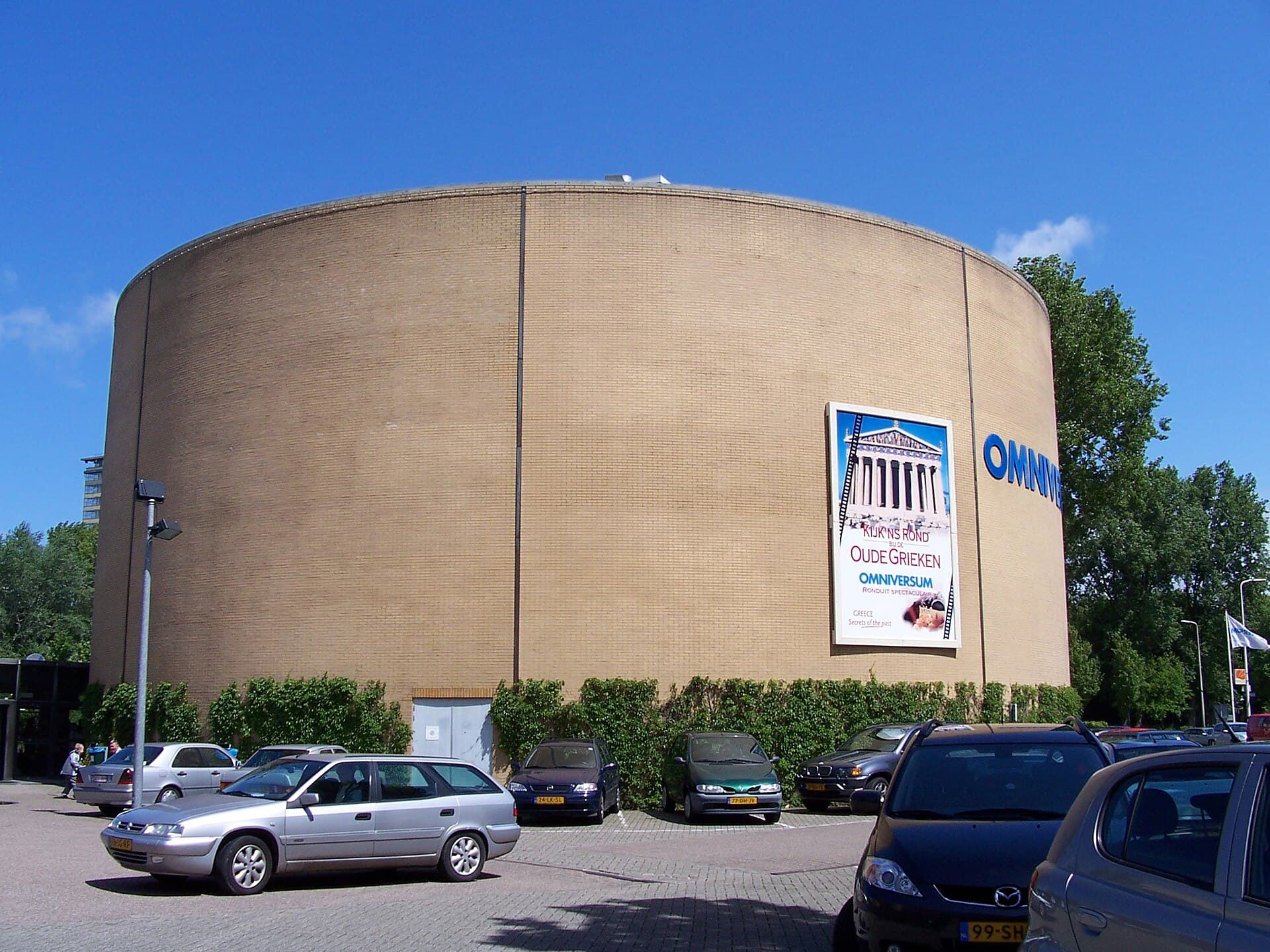 The OmniversumThe Omniversum is a dome cinema in The Hague's museum quarter, among the first o14 minutes walk4.2
Because it is the date of Japan's surrender in 1945, the effective end of the Second World War for those who were in Asia. The Dutch mark the liberation of Europe on the fifth of May, but that date meant nothing to someone in a camp in Java: their war continued three more months. Recognising the fifteenth of August as a national day of remembrance was part of recognising their account.
The Indonesian-Dutch memory centre in the city presents this chapter in detail. The Bronbeek museum in Arnhem — an hour away — is the most comprehensive in the Netherlands for colonial military history. The Hague itself carries the trace of these ties in its food and its districts: the country's largest Indo-Dutch community lives here.